Gardening Made Simple.

Are you frustrated to see your tomatoes cracking just as they start to ripen? Splitting tomatoes can ruin your hard work and leave you wondering what went wrong. Understanding Why are My Tomatoes Splitting is the first step to preventing it, helping you enjoy healthy, beautiful fruits and a more productive harvest.
Understanding why your tomatoes are splitting is the first step to saving your harvest and enjoying juicy, perfect fruit. Keep reading, and you’ll discover simple reasons behind this common problem—and easy fixes you can start using today to protect your tomatoes and get the best results from your garden.
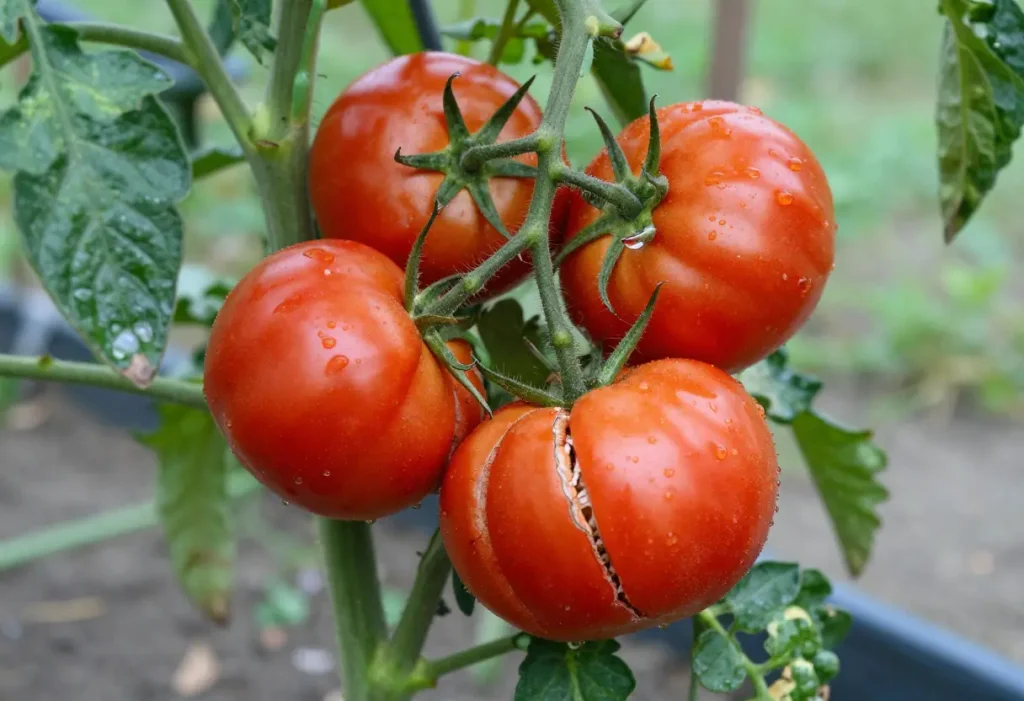
Tomato splitting is a common problem for gardeners. It happens when the fruit cracks open on the outside. This can spoil the tomato and make it unusable. Understanding the basics helps prevent and manage this issue.
Tomato splitting happens for a few reasons. Knowing what causes it helps keep your tomatoes healthy. Also, different types of splitting show different signs. Recognizing these signs can guide your care approach.
Tomatoes split because of rapid water changes. After dry soil, heavy watering or rain makes tomatoes grow fast. The skin cannot stretch quickly enough. This causes the skin to crack open.
Overripe tomatoes are more likely to split. The skin gets thinner and weaker over time. Also, uneven watering schedules increase the chance of splitting.
Some tomato varieties are more prone to splitting. Thinner skin types break more easily. Environmental stress like heat or pests can also weaken the skin.
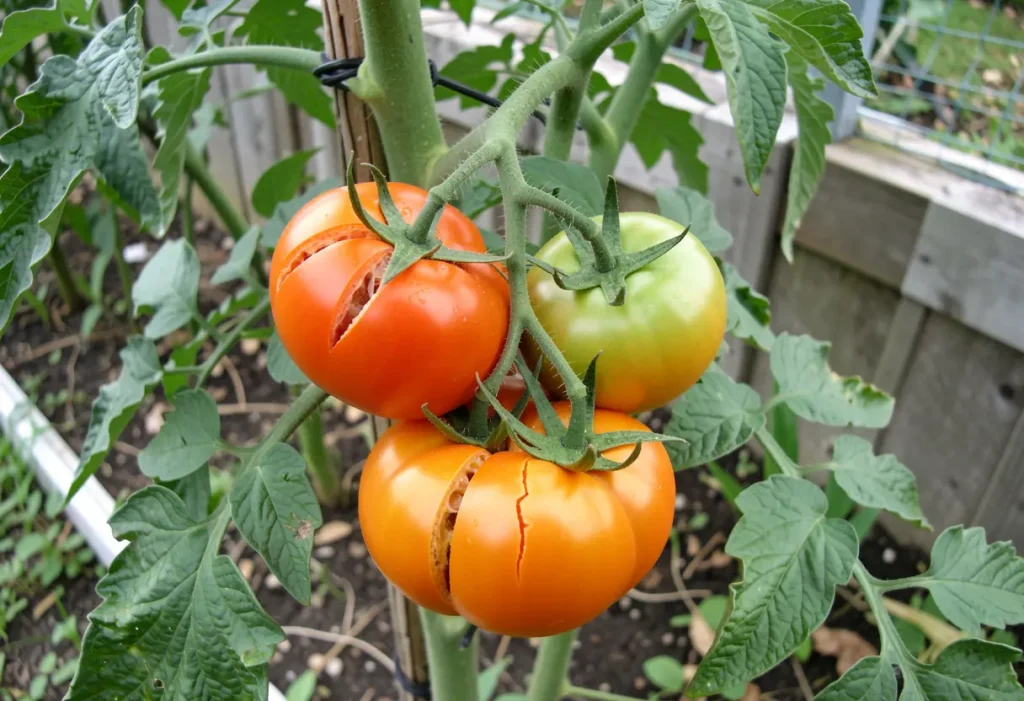
There are two main types of tomato splitting. Radial splitting shows cracks running from the stem to the bottom. This looks like spokes on a wheel.
Circular splitting creates rings around the tomato. These cracks circle the fruit horizontally. Each type signals different causes and needs slightly different care.
Radial splitting often means rapid growth from sudden water intake. Circular splitting can result from older fruit and skin weakness. Identifying the type helps you protect future tomatoes.
Watering plays a big role in why tomatoes split. Plants need steady water to grow well. Too much or too little water causes trouble. Tomato skins can crack if water changes too fast. Understanding how watering affects tomatoes helps stop splitting.
Tomatoes split when water supply is uneven. Dry soil makes tomatoes shrink. Then, lots of water makes them swell quickly. This sudden change breaks the skin. Cracks let diseases enter and harm fruit. Consistent watering keeps tomato skin strong. It also helps fruit develop evenly.
Water tomatoes deeply and regularly. Aim for moist, not soggy, soil. Early morning is best to water plants. Avoid watering leaves to prevent disease. Mulch around plants to keep soil moist. Check soil with your finger to know moisture. Water less in cool or rainy weather. This keeps tomatoes healthy and crack-free.
Climate and environment play a big role in tomato health. Changes in weather affect how tomatoes grow. These changes can cause tomatoes to split. Understanding these factors helps prevent damage.
Tomatoes do best with steady temperatures. When it gets hot during the day and cold at night, tomatoes can split. The fruit grows quickly in heat. Then it slows down in cooler times. This uneven growth causes the skin to crack. Sudden temperature changes stress the tomato plants. They are less able to protect the fruit.
Humidity levels affect tomato skin too. High humidity can make the skin soft. Soft skin breaks easily as the fruit grows. Low humidity dries out the tomato skin. Dry skin becomes brittle and cracks. Rapid changes in humidity cause stress. Tomatoes need balanced moisture in the air to stay healthy.
Tomato splitting often links to the type of tomato plant you grow. Each variety has its own genetic traits that affect fruit strength and skin thickness. Some tomatoes naturally resist splitting better than others. Understanding these traits helps in reducing fruit damage and waste.
Some tomato types have thin skins that crack easily. Cherry tomatoes and large beefsteak types often split more than others. These varieties grow fast and absorb water quickly. Their skin cannot stretch enough, causing cracks. Gardeners notice splitting more in heirloom tomatoes too. These have delicate skins and unique flavors but split easily.
Tomato varieties with thick skins resist splitting better. Roma and plum tomatoes often handle water changes well. They have tougher skins that stretch with fruit growth. Select these types to reduce splitting problems. Seed catalogs and plant tags usually mention skin thickness. Picking resistant tomatoes helps you enjoy more perfect fruits.
Soil and nutrient factors play a big role in tomato splitting. Tomatoes need steady water and the right nutrients to grow healthy. If the soil dries out and then gets very wet, tomatoes absorb water too fast. This sudden change makes the skin crack. The right balance of nutrients also keeps the tomato skin strong.
Keep soil evenly moist to prevent splitting. Dry soil followed by heavy watering causes fruit to swell quickly. This sudden growth breaks the tomato skin. Water your plants regularly, especially in hot weather. Mulch around tomatoes to hold moisture in the soil. Check soil often to avoid letting it dry out.
Use balanced fertilizer to support steady tomato growth. Too much nitrogen causes fast leaf growth but weak fruit skin. This makes tomatoes more likely to split. Apply fertilizer with equal parts nitrogen, phosphorus, and potassium. Avoid over-fertilizing late in the season. Healthy soil feeds strong plants and reduces cracking.
Tomato splitting happens mostly because of uneven water supply. Sudden heavy watering causes tomatoes to swell too fast. The skin cannot stretch quickly enough and splits. Preventing this keeps your tomatoes healthy and tasty. A few simple steps help avoid the problem.
Water tomatoes evenly every day. Small amounts of water are better than soaking. Keep soil moist, not wet. Check soil moisture by touching it. Avoid long dry spells followed by heavy watering. Feed plants with balanced fertilizer regularly. This supports steady growth and strong skin.
Mulch keeps soil moisture steady. It stops quick drying and overheating. Spread straw or leaves around tomato plants. Mulch also blocks weeds that steal water. This helps tomatoes grow without stress. Strong skin means less chance of splitting.
Split tomatoes can be frustrating to see after all your hard work. They happen when the tomato skin cracks due to uneven water intake. Fixing this issue means changing how you grow and handle your tomatoes.
Simple changes in watering and harvesting can reduce splitting. Using split tomatoes wisely also helps avoid waste and keeps your harvest valuable.
Pick tomatoes early, just before they fully ripen. This reduces the chance of splitting during heavy rain or watering. Handle tomatoes gently to avoid bruises that make splitting worse. Check plants often, especially after rain, to pick ripe tomatoes quickly. Keep soil moist but not soaked. Use mulch to keep moisture even. This helps prevent sudden water changes that cause splitting.
Split tomatoes are still good for cooking. Use them in sauces, soups, or stews where appearance does not matter. Cut away the split parts if they look soft or damaged. Blend split tomatoes for fresh salsa or juice. Freeze chopped split tomatoes for later use. This way, nothing goes to waste and you enjoy your harvest fully.
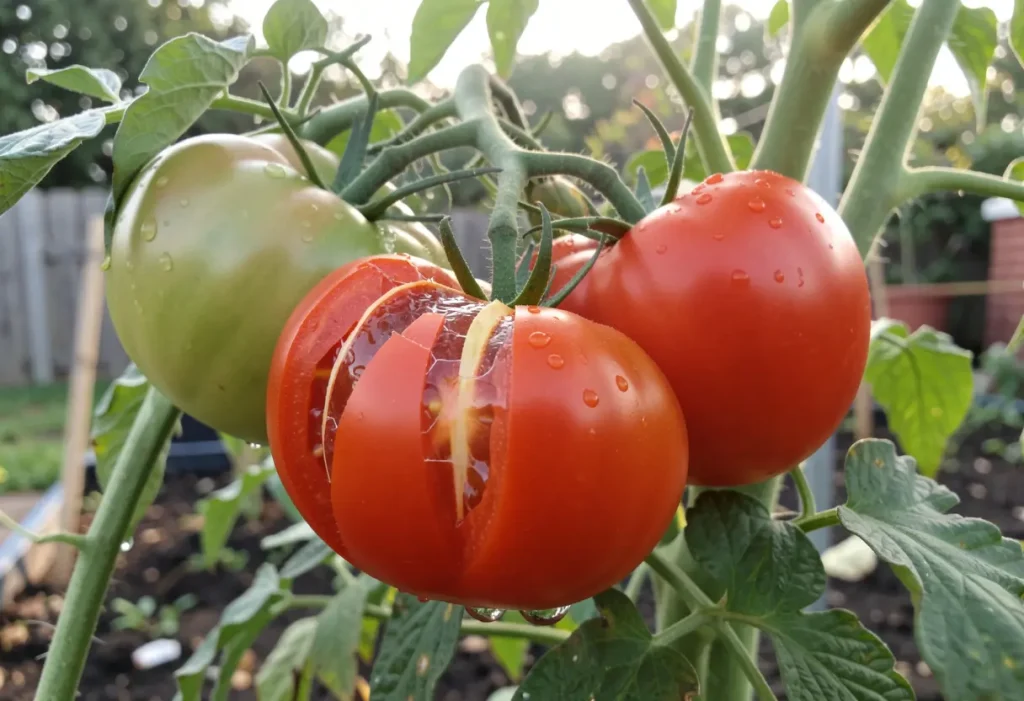
Tomatoes split when they absorb too much water too fast after dry spells. The skin cracks from swelling.
Yes, overwatering makes tomatoes grow quickly and unevenly, causing the skin to burst and split.
Some tomato varieties have thinner skin and split more easily than others during rapid growth.
Water tomatoes evenly and mulch soil to keep moisture steady and reduce skin cracking.
Split tomatoes spoil faster and attract pests, so they are best used quickly or composted.
Tomatoes split because they absorb water too fast or unevenly. This causes the skin to crack as the fruit grows. To prevent splitting, water plants evenly and avoid heavy rain right after dry spells. Picking tomatoes early can also help reduce damage.
Healthy soil and proper care keep your tomatoes strong. Watch your garden closely and act quickly if splitting starts. Healthy tomatoes mean a happier harvest and better meals. Keep these tips in mind for a successful tomato season.