Gardening Made Simple.
Are you ready to enjoy fresh, juicy tomatoes straight from your garden? Learning how to grow tomatoes from seeds might seem tricky, but with the right steps, you can watch your plants thrive and produce delicious, homegrown fruit. Following these simple techniques ensures a healthy start for your tomato seedlings and a bountiful harvest.
Imagine biting into a ripe tomato that you nurtured from a tiny seed—there’s nothing quite like it. In this guide, you’ll discover simple, proven tips to start your tomato-growing journey successfully. Keep reading, and by the end, you’ll have all the confidence you need to grow your own tasty tomatoes at home.
Choosing the right tomato seeds is the first step to a healthy garden. Seeds decide the type, flavor, and growth of your tomatoes. Picking the best seeds helps you grow strong plants and tasty fruits.
Different seeds suit different needs. Some grow well in small spaces, others need lots of sunlight. Knowing your options makes gardening easier and more fun.
Tomato varieties come in many shapes, sizes, and colors. Choose varieties that match your taste and garden space. Cherry tomatoes are small and sweet. Beefsteak tomatoes are large and meaty. Consider how you want to use your tomatoes in cooking or salads.
Climate also matters. Some varieties grow better in hot weather. Others prefer cooler temperatures. Pick seeds that fit your local climate for best results.
Heirloom tomatoes have been passed down through generations. They often have unique flavors and colors. Heirlooms can be less disease-resistant but offer great taste.
Hybrid seeds come from crossing two tomato types. They usually grow stronger plants and resist diseases. Hybrids can produce more fruit but may lack some flavor depth.
Choose heirlooms for variety and flavor. Choose hybrids for easy growing and high yield.
Buy seeds from trusted sellers to ensure quality. Check the packaging date to confirm freshness. Old seeds may not sprout well.
Look for seeds with a high germination rate. This means more seeds will grow into healthy plants. Store seeds in a cool, dry place before planting.
Avoid seeds with damage or discoloration. Good seeds are dry and firm. Healthy seeds give your tomato plants the best start.
Preparing a good seed starting mix is the first step to grow healthy tomato plants. The right mix gives seeds the best chance to sprout strong roots. It holds water but lets air reach the young roots. This balance helps seedlings grow fast and healthy.
Use clean, light, and soft materials. Avoid regular garden soil. It can be too heavy and may carry diseases that harm seedlings. A well-prepared mix supports seeds in the early growth stage.
Choose a mix that is light and drains well. Combine peat moss, vermiculite, and perlite. Peat moss keeps moisture without making soil soggy. Vermiculite holds water and nutrients. Perlite improves air flow and drainage. This mix stays loose and soft for roots to spread easily.
Sterilize your seed starting mix to kill germs and pests. Heat the mix in an oven at 180°F (82°C) for 30 minutes. Let it cool before planting. This step prevents diseases that stop seedlings from growing. Clean soil means healthier tomato plants.
Keep the seed starting mix moist but not wet. Water lightly to dampen the soil. Too much water causes seeds to rot. Too little water stops seeds from sprouting. Check moisture daily and spray water if the surface looks dry. Proper moisture helps seeds grow strong roots.
Planting tomato seeds is the first step to growing healthy tomato plants. Careful planting helps seeds sprout quickly and grow strong. Follow simple rules for best results. Prepare your seed trays or containers with good seed-starting mix. Keep the soil moist but not wet.
Plant tomato seeds about 1/4 inch deep. This small depth lets seeds get enough light and warmth. Cover seeds lightly with soil. Press gently to keep soil firm. Too deep planting can stop seeds from growing well.
Space seeds evenly in the container. Leave about 1 inch between each seed. Crowded seeds compete for water and nutrients. Proper spacing helps each seed get enough air and light. Thin seedlings later if they grow too close.
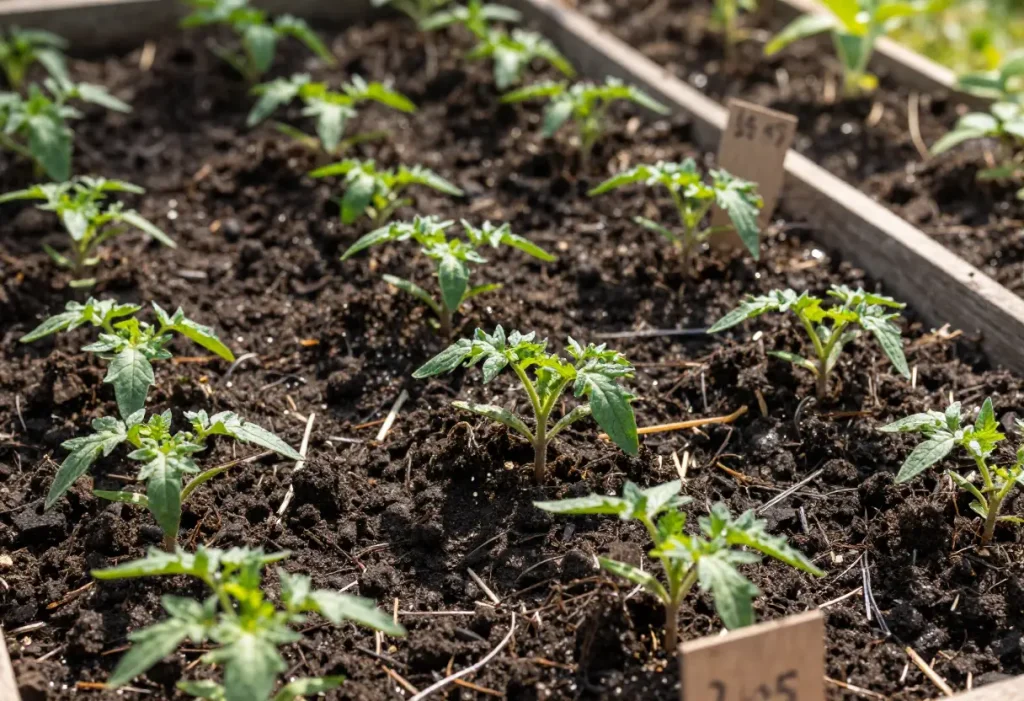
Write the tomato variety name on each container. Use a permanent marker or plant labels. Labeling helps track different types of tomatoes. It also avoids confusion when seedlings start growing. Keep labels clear and easy to read.
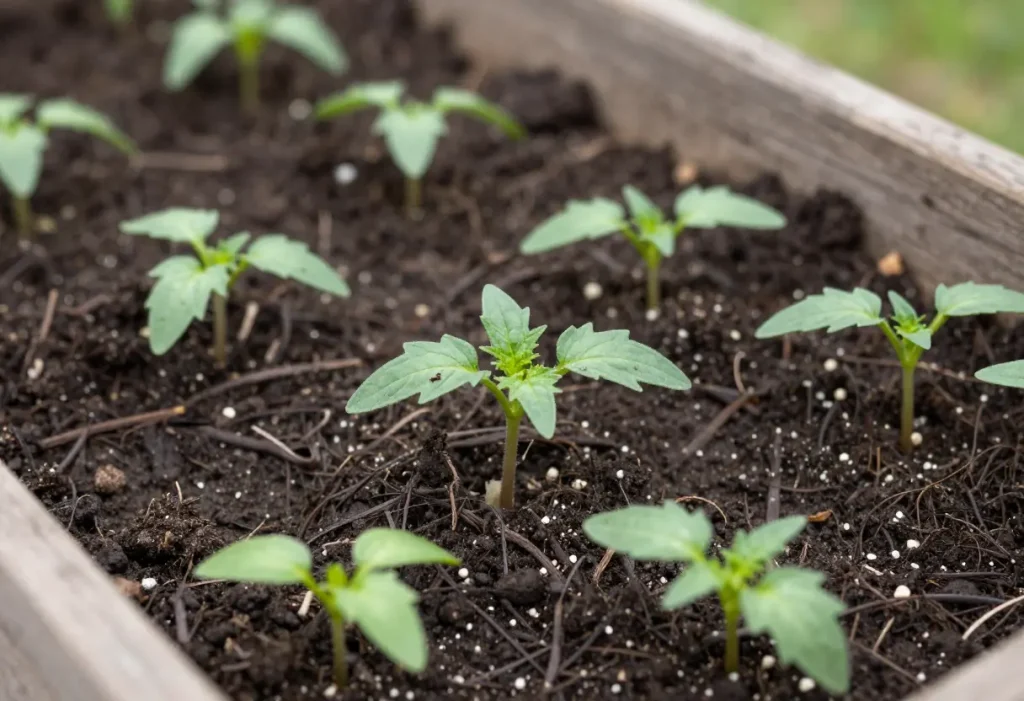
Germination care is the first step to growing healthy tomato plants. Seeds need the right conditions to sprout strong and fast. Proper care during germination sets the stage for good growth. Pay attention to temperature, light, and water. These three factors help seeds wake up and start growing.
Tomato seeds need warmth to germinate well. The ideal temperature is between 70°F and 80°F (21°C and 27°C). Cooler temperatures slow germination and may cause seeds to rot. Use a heat mat or place seeds in a warm spot indoors. Keep the temperature steady for best results.
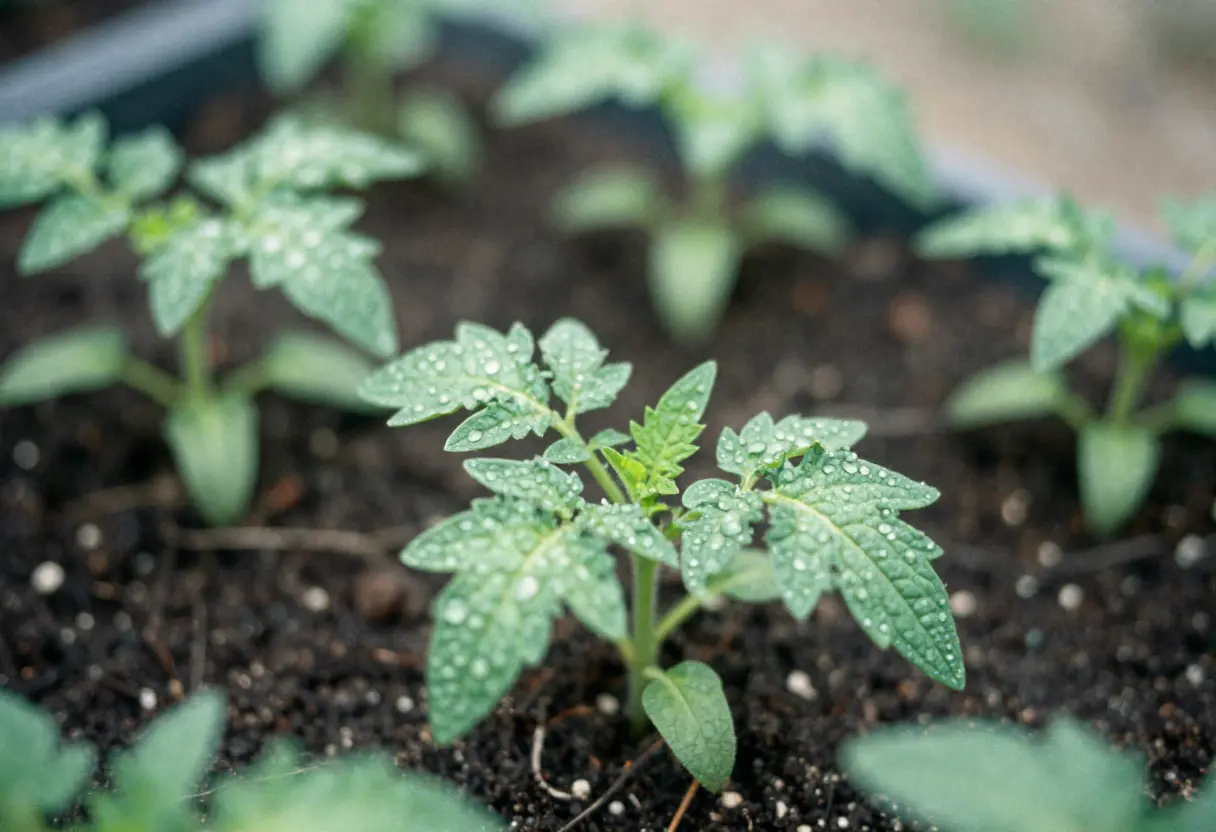
Tomato seeds do not need light to sprout. But seedlings need bright light once they appear. Place them near a sunny window or use grow lights. Give seedlings 12 to 16 hours of light daily. Good light helps plants grow strong and prevents them from stretching thin.
Keep the soil moist but not soaked. Use a spray bottle to mist the soil surface gently. Overwatering can drown seeds or cause fungus. Underwatering will dry out the seeds and stop growth. Check soil daily and water lightly as needed.
Transplanting seedlings is a key step in growing healthy tomato plants. Moving seedlings from small containers to larger pots or garden beds helps them grow stronger. This process needs care and attention. Timing and preparation affect plant survival and growth. Follow these simple tips to transplant your tomato seedlings successfully.
Transplant seedlings when they have 2 to 3 true leaves. This usually takes 4 to 6 weeks after germination. The seedlings should look strong and healthy. Avoid transplanting if the seedlings look weak or yellow. Early transplanting can stress the plants. Wait until the roots fill their current container but are not root-bound.
Hardening off means preparing seedlings for outdoor conditions. Start by placing seedlings outside in a shaded spot for a few hours each day. Increase their outdoor time gradually over 7 to 10 days. Avoid strong sun or wind at first. This process helps seedlings adjust to temperature and light changes. Well-hardened seedlings grow better after transplanting.
Choose pots or garden beds with good drainage. Pots should be at least 4 inches deep. Use quality potting soil rich in nutrients. Garden beds must have loose, fertile soil. Avoid areas where tomatoes or related plants grew recently. Space seedlings 18 to 24 inches apart. Proper spacing allows air flow and healthy growth.
Young tomato plants need care to grow strong and healthy. This stage is crucial. Good care helps plants develop good roots and stems. It also prepares them for outdoor life.
Proper nurturing ensures better fruit and fewer problems later. Focus on feeding, protecting, and supporting your plants.
Use a balanced fertilizer to feed young plants. Choose one with equal nitrogen, phosphorus, and potassium. Apply every two weeks. Avoid over-fertilizing. Too much nitrogen causes lots of leaves but few fruits. Use liquid fertilizer for quick absorption. Always water plants before feeding to prevent root burn.
Watch plants daily for pests like aphids or spider mites. Remove pests by hand or spray with mild soap water. Keep leaves dry to prevent fungal diseases. Good air circulation reduces disease risk. Remove any yellow or damaged leaves quickly. Use natural remedies like neem oil for pests. Stay consistent to keep plants healthy.
Tomato plants grow tall and need support. Use stakes or cages to keep stems upright. Tie stems gently with soft ties. Support prevents breakage and improves air flow. Prune lower leaves to avoid soil contact. This reduces disease chances. Give plants at least six hours of sunlight daily. Rotate plants if growing indoors for even growth.
Harvesting and storing tomatoes properly helps keep their flavor and texture fresh. Picking tomatoes at the right time ensures the best taste. Storing them correctly extends their shelf life and reduces waste. This section explains how to identify ripe tomatoes, the best way to pick them, and how to store them safely.
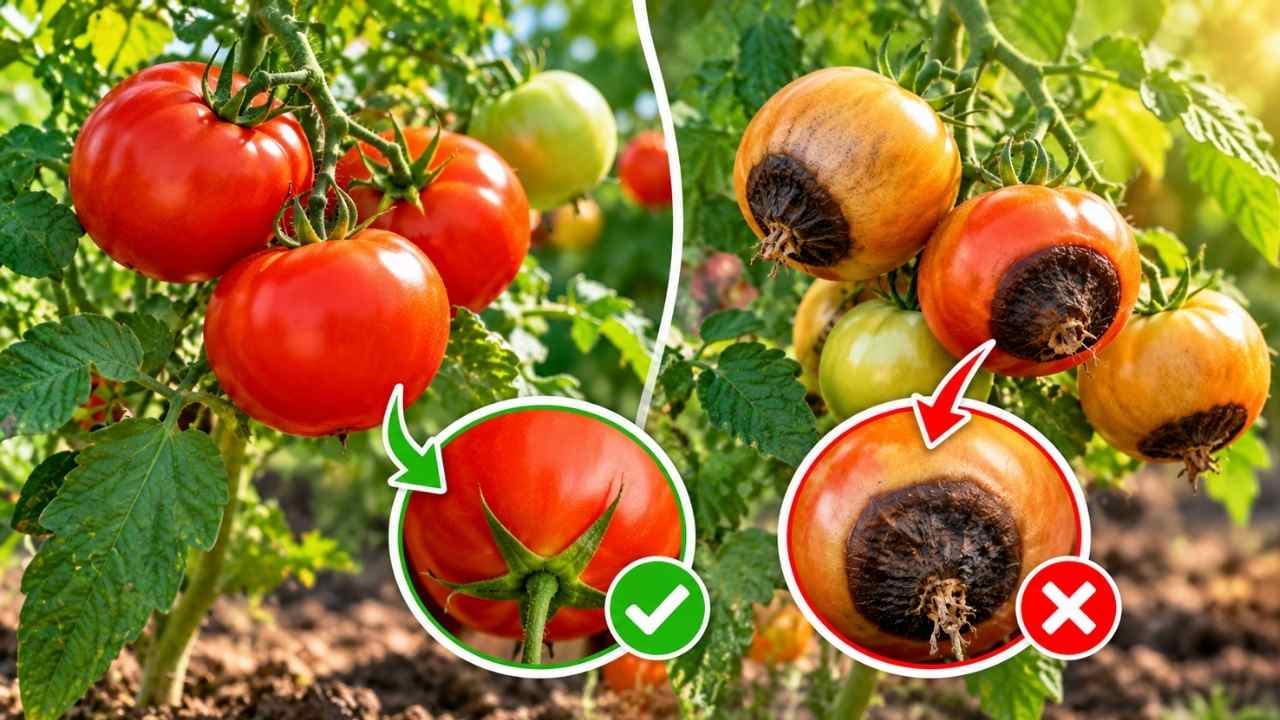
Look for deep, even color on the tomato skin. The fruit should feel firm but slightly soft when pressed gently. Avoid tomatoes with green spots or cracks. The smell near the stem should be sweet and fresh. Ripe tomatoes often detach easily from the vine with a slight twist.
Use your fingers to hold the tomato gently. Twist the fruit carefully to detach it from the stem. Avoid pulling hard to prevent damage to the plant. Use scissors or garden shears if the tomato doesn’t come off easily. Handle tomatoes with care to avoid bruising.
Store ripe tomatoes at room temperature, away from direct sunlight. Place them stem side down on a flat surface. Keep tomatoes separated to avoid bruising. Use a paper bag to ripen tomatoes faster if needed. Refrigerate only overripe tomatoes to slow spoilage, but expect some loss of flavor.
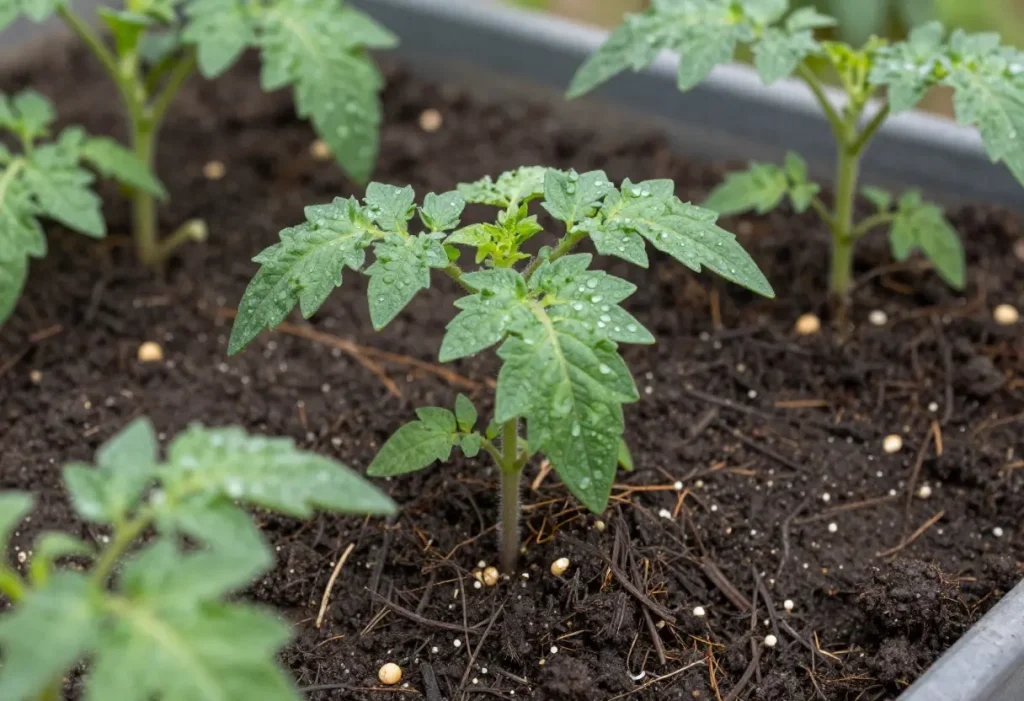
Tomato seeds usually sprout in 5 to 10 days with warm soil and enough moisture.
Use light, well-drained soil rich in organic matter for healthy tomato seed growth.
Keep the soil moist but not soggy; water lightly once a day or every other day.
Move seedlings outside after the last frost, when they have 5-7 true leaves.
Tomato seedlings need 12 to 16 hours of bright, indirect sunlight daily to grow well.
Growing tomatoes from seeds takes patience and care. Start with good soil and enough light. Water the plants regularly but not too much. Watch for pests and remove them early. Transplant seedlings to bigger pots when they grow. Soon, you will enjoy fresh, tasty tomatoes.
Gardening brings joy and a healthy reward. Give it time, and you will succeed. Happy planting!