Gardening Made Simple.
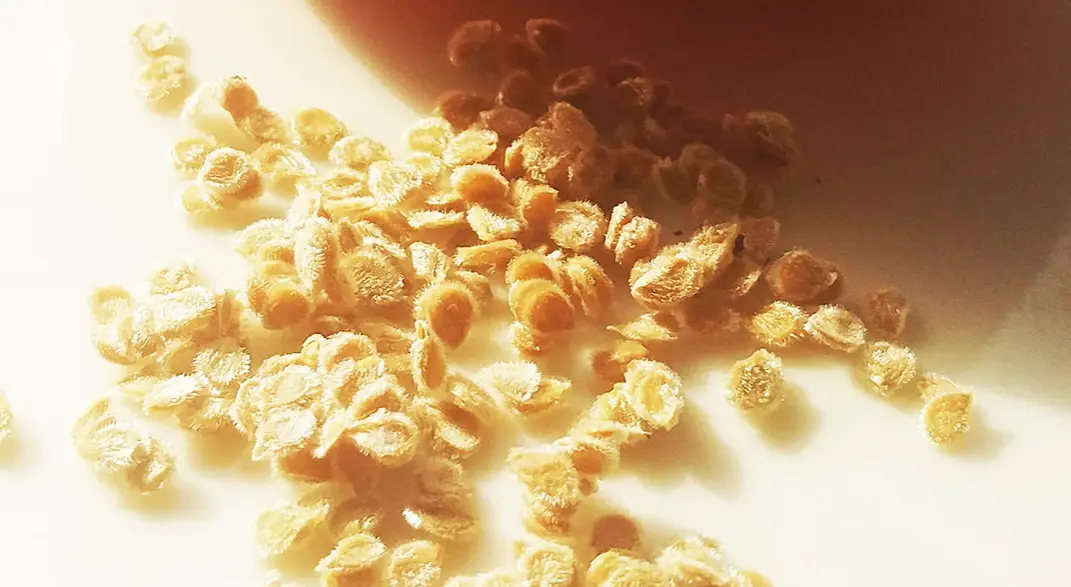
Have you ever wondered how do I save seeds from a tomato so you can grow your own plants year after year? It’s easier than you think, and once you learn these simple steps, you’ll never need to buy tomato seeds again.
Saving tomato seeds not only saves money but also helps you grow tomatoes that are perfectly suited to your garden. In this guide, you’ll discover the foolproof way to collect, dry, and store your seeds, ensuring they stay healthy and ready to sprout.
Keep reading, and you’ll unlock the secret to becoming a confident seed saver!
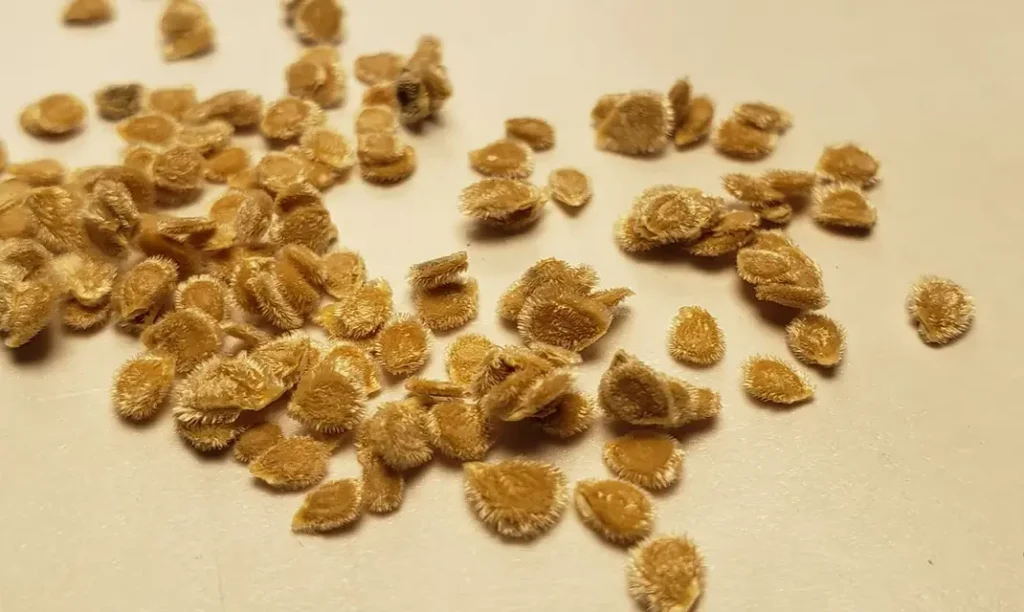
Choosing the right tomato is the first step in saving seeds successfully. The type of tomato affects seed quality and future plants. Picking the best tomato ensures healthy and strong seedlings. Understanding the difference between tomato types helps in making the right choice. Healthy fruits carry better seeds that grow well in your garden.
Heirloom tomatoes come from open-pollinated varieties. Their seeds produce plants similar to the parent. They keep the same traits year after year.
Hybrid tomatoes result from crossing two different varieties. Their seeds may not grow true to the parent plant. The plants can show different colors or shapes.
For seed saving, heirlooms are a better choice. They give consistent and reliable seeds for planting.
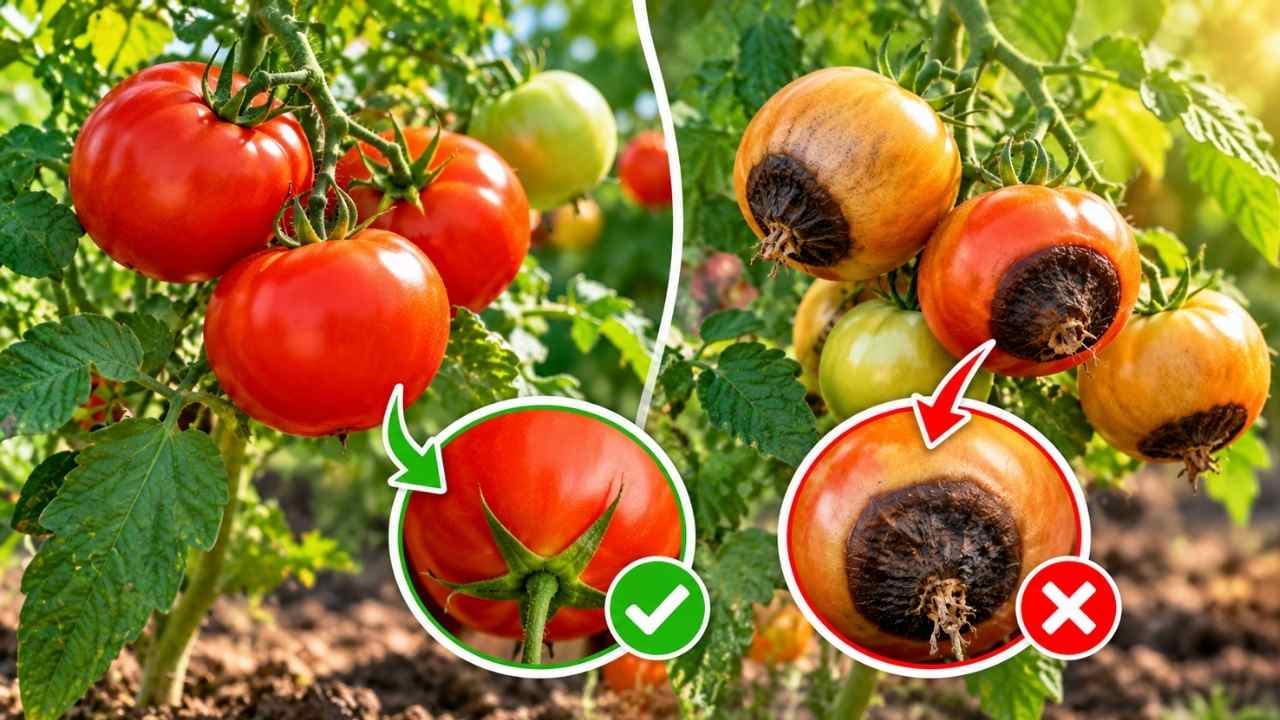
Choose tomatoes that are fully ripe and free from disease. Look for firm, bright-colored fruits without spots or cracks. Healthy fruits contain strong seeds that grow well.
Avoid using damaged or green tomatoes. Their seeds may be weak or not mature. Pick fruits from strong, healthy plants to ensure good seed quality.
Harvesting seeds from tomatoes is a simple and rewarding process. It allows you to save seeds from your favorite tomatoes for next season. You just need to know the right time and how to extract the seeds carefully. This helps keep the seeds healthy and ready to grow.
Follow these steps to collect seeds that will grow strong tomato plants. Proper harvesting also prevents mold and keeps seeds fresh for longer.
Pick tomatoes that are fully ripe and healthy. The fruit should be soft and deep in color. Avoid green or underripe tomatoes as seeds inside may not be mature. Wait until the tomato starts to wrinkle or crack. This shows the seeds inside are ready to save. Harvesting at the right time gives better seed quality.
Cut the tomato in half across the middle. Use a spoon to scoop out the jelly-like seed pulp. Place the pulp in a small jar or bowl. Add water and stir gently. Let the mixture sit for 2 to 4 days. This process ferments the pulp and loosens seed coatings.
After fermentation, pour off the watery layer carefully. Rinse the seeds well under running water to remove all pulp. Spread the seeds on a paper towel or screen. Let them dry completely in a cool, shaded place. Store the dry seeds in a labeled container until planting.
Cleaning seeds is a key step in saving tomato seeds. It ensures the seeds are healthy and ready for planting. Dirty seeds can carry diseases or rot before they grow. Clean seeds last longer and sprout better.
Start by cutting a ripe tomato and scooping out the seeds with pulp. Place the seeds and pulp in a bowl. Let the mixture sit for a few days. The pulp will ferment and loosen from the seeds. Stir the mixture daily to help break down the pulp. After fermentation, the seeds will separate from the sticky gel. This step improves seed quality and removes unwanted material.
After fermentation, pour the seed mixture into a fine mesh strainer. Rinse the seeds under cool running water. Rub the seeds gently with your fingers to remove any leftover pulp. Keep rinsing until the water runs clear. Spread the seeds on a paper towel or screen to dry. Proper washing stops mold and prepares seeds for storage.
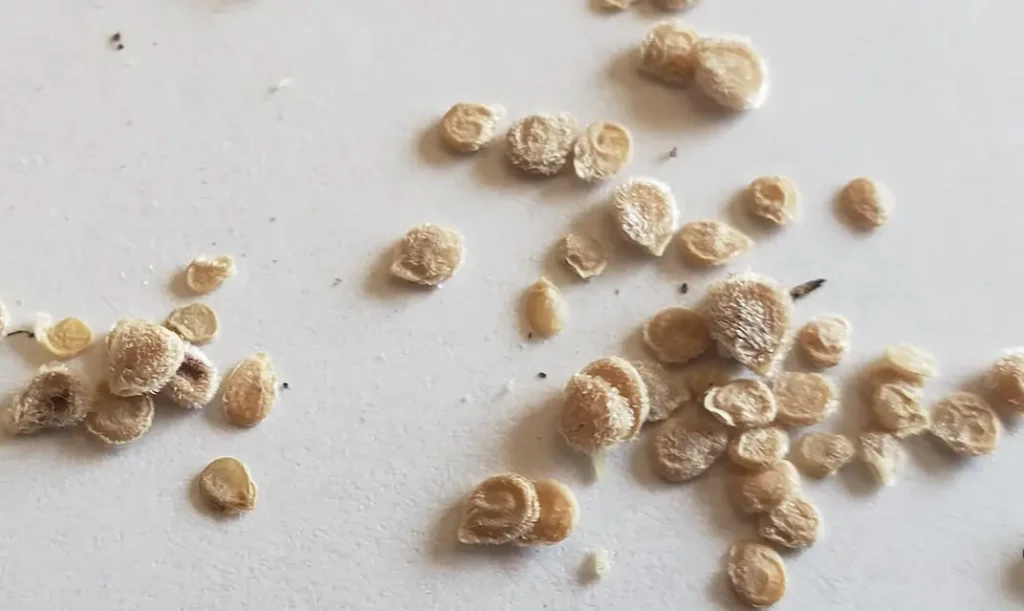
The fermentation process is a key step in saving tomato seeds. It helps clean the seeds and prepares them for planting. This natural method removes the gel around each seed. The gel can stop seeds from sprouting. By fermenting, you improve the seed's chances to grow strong plants.
Fermentation breaks down the gel covering tomato seeds. This gel can hold substances that prevent germination. Removing it allows water and air to reach the seed easily. It also kills some seed diseases. This keeps seeds healthy and boosts sprouting rates. Fermented seeds last longer in storage. They stay fresh and ready for your next garden.
Start by scooping seeds with juice into a jar. Leave some space at the top for air. Cover the jar with a cloth or loose lid. Let it sit at room temperature for three days. Stir the mixture once a day to help fermentation. After three days, a mold layer forms on top. This shows fermentation is done.
Next, add water to the jar and stir. Good seeds will sink to the bottom. Remove the mold and floating seeds carefully. Pour out the water with the bad seeds. Rinse the good seeds in fresh water multiple times. Spread seeds on a paper towel to dry. Keep them dry before storing in a cool, dark place.
Drying seeds is a key step in saving tomato seeds. Proper drying helps keep seeds healthy. Seeds that are too wet can rot or grow mold. Drying also stops seeds from sprouting early. It prepares seeds for long-term storage. This section covers the best ways to dry tomato seeds safely.
Spread seeds on a clean paper towel. Use a thin layer so air flows well around seeds. Place the towel in a dry, warm room. Avoid direct sunlight, which can harm seeds. Let seeds dry for about one week. Stir seeds daily to prevent clumping. Another option is to use a mesh screen. This allows air to pass freely. A fan on low speed helps air circulation. Check seeds regularly to ensure they dry evenly.
Keep seeds away from moisture during drying. High humidity causes mold and seed damage. Use a dry room with good air movement. Do not dry seeds in plastic bags. Plastic traps moisture and leads to rot. If mold appears, remove affected seeds immediately. Avoid touching seeds with wet hands. Store fully dry seeds in paper envelopes or glass jars. Proper drying protects seeds and keeps them ready to plant next season.
Storing tomato seeds properly keeps them healthy and ready for planting. Good storage prevents mold, pests, and loss of seed power. It helps you save seeds for many seasons. Follow simple steps to keep your seeds safe and strong.
Tomato seeds need a cool, dry place to last longer. Keep them away from sunlight and heat. A temperature around 40°F to 50°F (4°C to 10°C) works best. Use airtight containers like glass jars or sealed plastic bags. Add a small packet of silica gel to absorb moisture. Avoid storing seeds in places with high humidity.
Always label your seed containers clearly. Write the tomato variety and the date of storage. Use waterproof markers or printed labels for better durability. Organize seeds by type and year to find them easily later. Keep a simple list or spreadsheet for your seed collection. This helps track seed age and variety at a glance.
Planting saved tomato seeds is a rewarding step in your gardening journey. It lets you grow plants from fruit you already love. This process saves money and helps you create a garden with familiar flavors. Starting with healthy seeds is key to strong tomato plants.
Prepare fresh, loose soil for planting. Choose a seed tray or small pots. Keep the soil moist but not soaked. Warmth and light will help seeds sprout quickly. Watch closely for tiny green shoots to appear.
Place seeds on the soil surface or just below it. Cover lightly with soil, no more than 1/4 inch deep. Keep the soil warm, around 70 to 75°F. Use a clear cover or plastic wrap to keep humidity high. Remove the cover once seeds sprout to avoid mold.
Water gently to avoid washing seeds away. Check soil daily for dryness. Avoid overwatering, which can rot seeds. Germination usually takes 5 to 10 days. Be patient and keep conditions steady.
Move seedlings to bigger pots when they have two sets of true leaves. Handle stems carefully to avoid damage. Plant seedlings deeper than before to support strong roots. Water well after transplanting to reduce stress.
Keep seedlings in a bright spot but out of direct sun. Harden off plants by exposing them to outdoor conditions a little each day. This prepares them for planting in your garden.
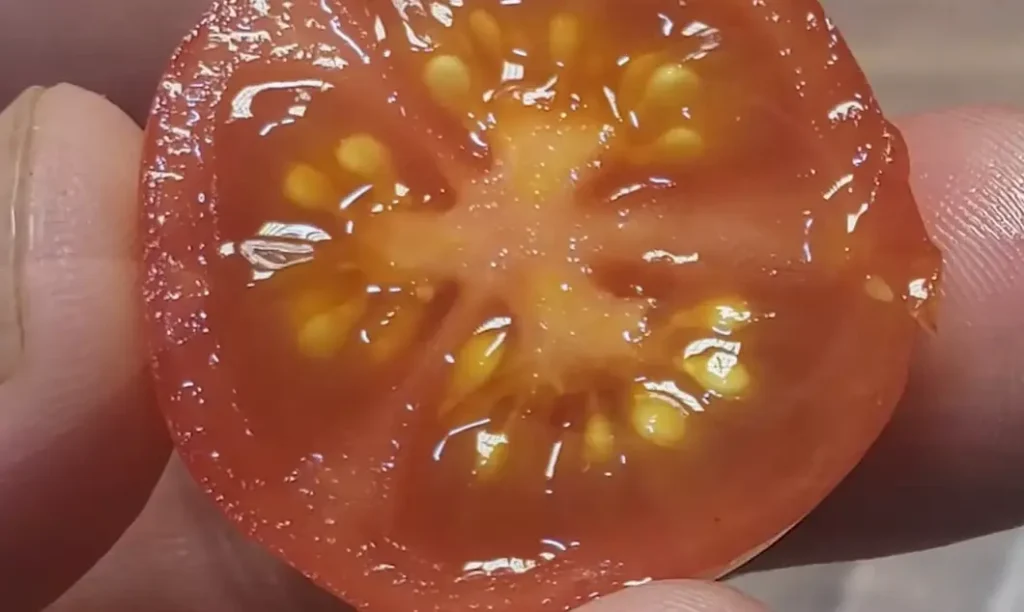
Pick ripe, healthy tomatoes from open-pollinated or heirloom varieties for reliable seeds.
Cut the tomato, scoop out the seeds with gel, and place them in a jar.
Let seeds ferment for 2 to 4 days to remove the gel coating.
Spread seeds on paper towels in a dry, cool place for about a week.
Seeds from heirloom tomatoes usually grow true, but hybrids may not keep parent traits.
Saving tomato seeds is simple and rewarding. Clean seeds dry well and last longer. Store them in a cool, dark place. Plant next season and watch new tomatoes grow. This helps you save money and enjoy fresh crops. Try saving seeds from your favorite tomatoes.
It’s a great way to keep gardening fun and easy. Give it a go and see the results yourself!