Gardening Made Simple.
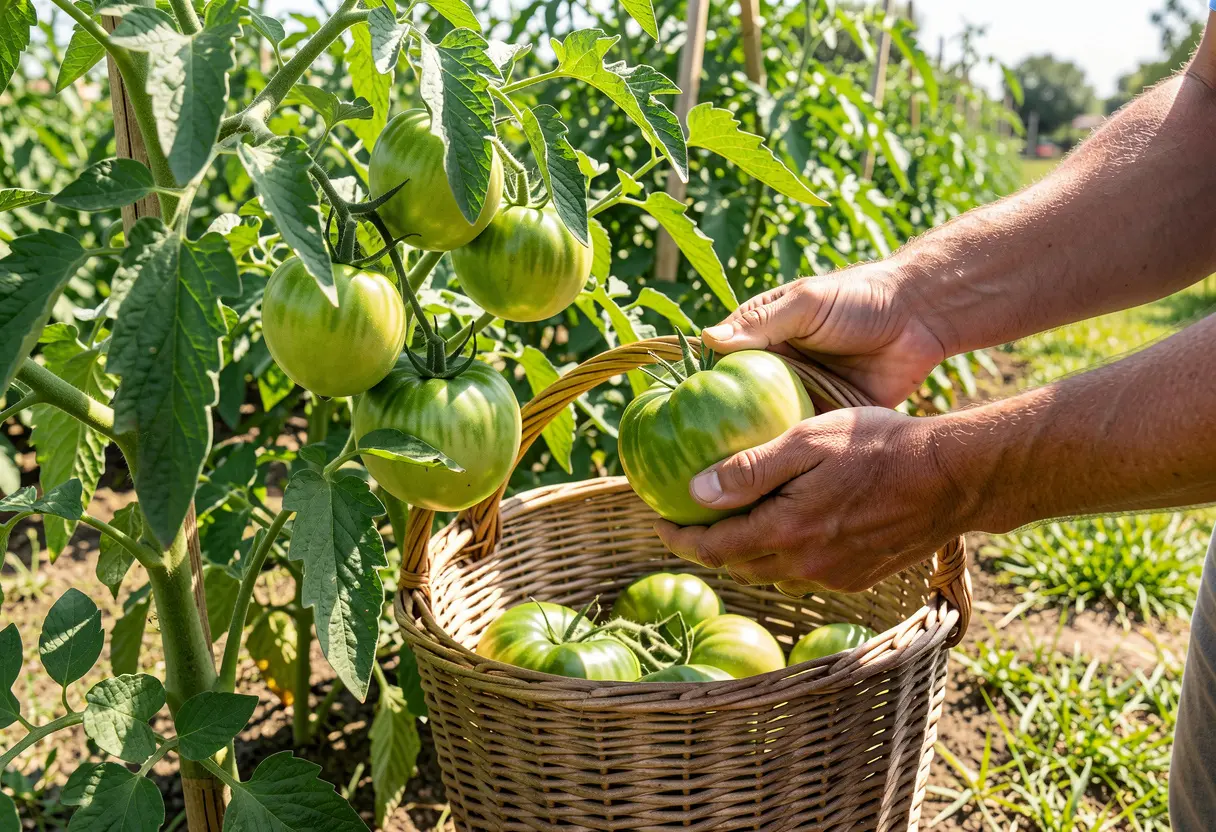
Are you watching your tomato plants grow, but the fruits just won’t turn red? Understanding why are my tomatoes not turning red can help you identify the problem and take the right steps to encourage faster ripening and a delicious harvest.
You might be wondering what’s going wrong and how to fix it. The good news is, you’re not alone—and the solution could be simpler than you think. Keep reading to discover the common reasons your tomatoes aren’t ripening and learn easy tips to get those vibrant red fruits on your plants.
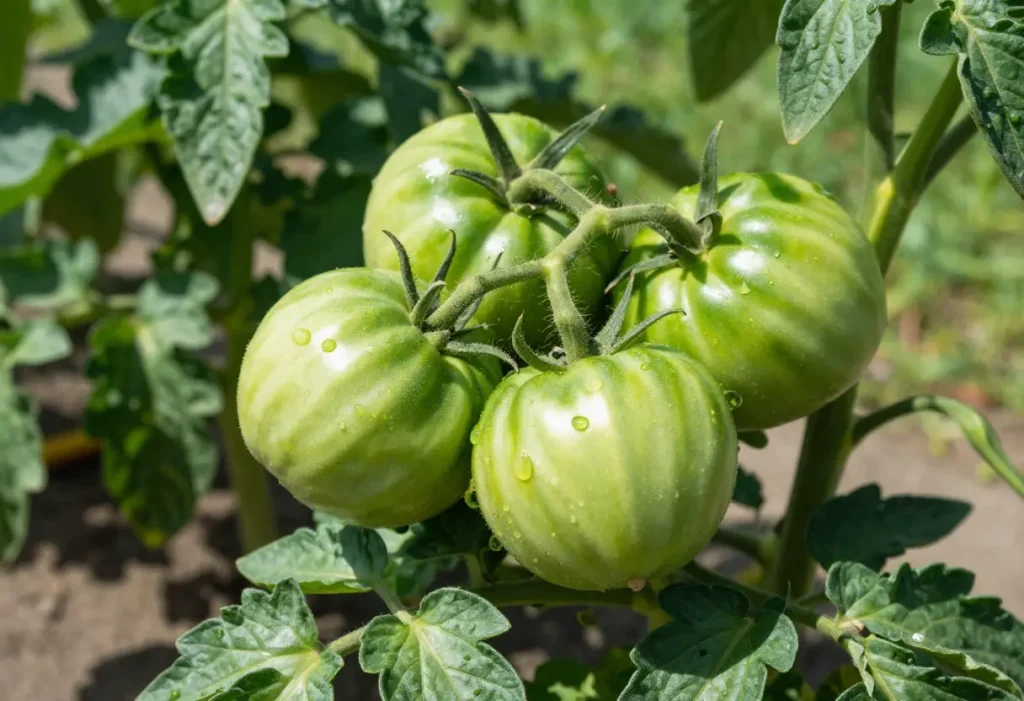
Tomatoes that stay green and never turn red can be frustrating. Several common reasons can stop tomatoes from ripening properly. Knowing these causes helps you fix the problem and enjoy ripe, juicy tomatoes soon.
Tomatoes need plenty of sunlight to ripen. At least six hours of direct sun daily is best. Without enough light, tomatoes remain green and hard. Shade or cloudy days reduce sunlight and slow ripening.
Very hot or very cold weather affects tomato color. Temperatures above 85°F (29°C) can stop ripening. Cold nights below 50°F (10°C) also slow down the process. Constant temperature stress keeps tomatoes green for longer.
Too much nitrogen in soil causes leafy growth but few red fruits. Tomatoes need balanced nutrients for color change. Lack of potassium or magnesium can also delay ripening. Proper fertilizing supports healthy, red tomatoes.
Stress from pests, disease, or irregular watering affects tomato ripening. Damaged plants focus energy on survival, not fruit color. Overwatering or drought can cause stress and keep tomatoes green. Healthy care helps fruits turn red faster.
Temperature plays a big role in how tomatoes ripen. Tomatoes need the right warmth to turn red and sweet. Too cold or too hot, and they may stay green longer. Understanding how temperature affects tomato ripening helps solve this common problem.
Tomatoes ripen best between 70°F and 75°F (21°C to 24°C). This range allows the fruit to produce the red pigment called lycopene. When temperatures stay in this zone, tomatoes develop good color and flavor. Outside this range, ripening slows down or stops.
Cold weather slows tomato ripening. Temperatures below 50°F (10°C) can stop color changes completely. The fruit may stay green and hard. Cold also damages the tomato’s cells, affecting taste and texture. Protect tomatoes from frost and chilly nights to help them turn red.
High heat above 85°F (29°C) also blocks ripening. Too much heat stops lycopene production. Tomatoes may stay pale or yellow. Heat stress makes fruit softer and less tasty. Shade tomatoes during hot days to avoid heat stress and encourage red color.
Nutrients play a key role in the color of your tomatoes. Without the right balance, tomatoes may stay green or pale. Nutrients affect how plants make pigments like lycopene. Lycopene gives tomatoes their red color. Understanding which nutrients help can improve tomato ripening and color.
Potassium is vital for tomato color development. It helps move sugars and nutrients to the fruit. This process supports the production of red pigments. A lack of potassium can cause tomatoes to stay green or turn yellowish. Proper potassium levels lead to brighter, fully red tomatoes.
Nitrogen is important for leaf growth but too much can hurt fruit color. Excess nitrogen makes plants focus on leaves, not fruit ripening. This results in green tomatoes that do not turn red. Balanced nitrogen helps plants grow well and ripen fruit on time.
Using fertilizers can fix nutrient gaps in your soil. Choose fertilizers with potassium and moderate nitrogen. Apply them based on the plant’s growth stage. Over-fertilizing can harm tomatoes and slow color change. Proper feeding helps tomatoes turn red and taste better.
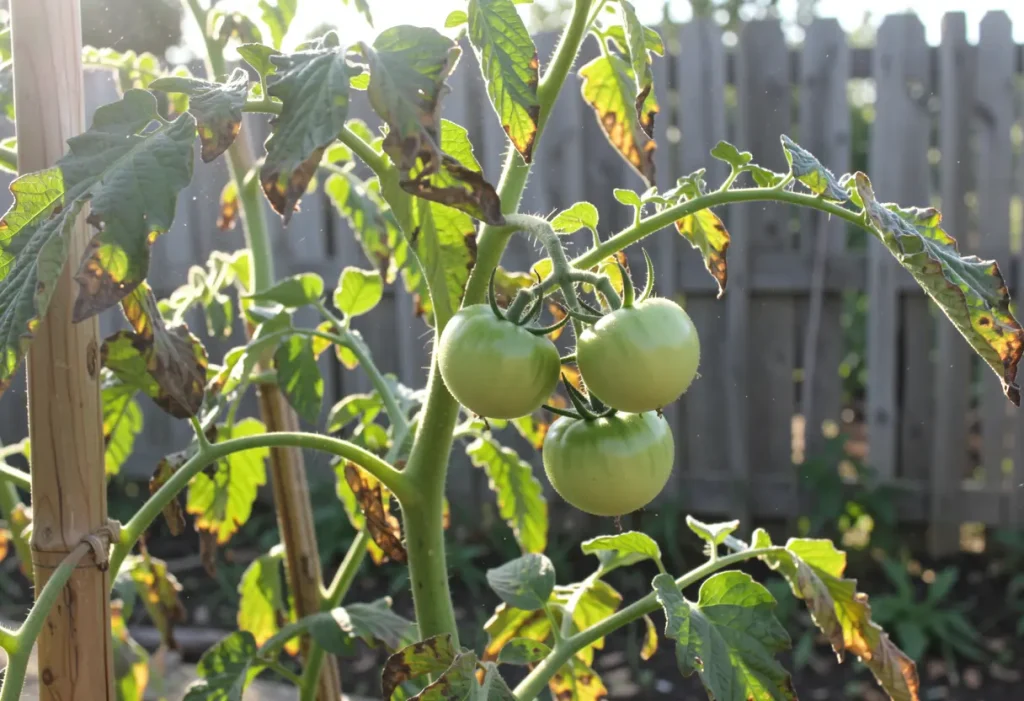
Sunlight plays a key role in tomato ripening. Tomatoes need enough light to change color and taste sweet. Without enough sun, tomatoes stay green and hard. Light affects the production of natural pigments and sugars in the fruit. This process helps tomatoes turn red and become juicy. Understanding how sunlight influences ripening helps growers improve their harvest.
Place tomato plants where they get at least six hours of sun daily. Morning sunlight is best for tomatoes. Trim nearby branches or plants that block light. Rotate pots or plants for even sun on all sides. More sun means better color and faster ripening.
Shade from trees, fences, or buildings can stop tomatoes from ripening. Check the garden for any shadows during the day. Remove or cut back objects that create shade. Too much shade lowers temperature and slows pigment formation. Keep tomatoes in bright, open spaces for best results.
Reflective surfaces bounce extra sunlight onto tomato plants. Use white walls, aluminum foil, or mirrors nearby. These materials increase light intensity without extra heat. Reflective setups boost ripening by brightening shaded areas. Try placing reflectors to help tomatoes get more light and color.
Tomato plants often stop ripening when they face stress. Managing this stress helps the fruit turn red and sweet. Stress can come from many sources like water, pests, or poor airflow. Keeping the plant healthy encourages better ripening.
Tomatoes need steady watering. Too much water causes root problems and weak fruit. Too little water makes the plant stressed and stops ripening. Water deeply but less often. Early morning watering helps the plant use water well.
Pests and diseases stress tomato plants. They damage leaves and fruit, slowing ripening. Check plants daily for bugs or spots. Use natural methods like handpicking pests or spraying mild soap. Healthy plants resist pests better and ripen fruit faster.
Pruning removes extra leaves and branches. This helps air move through the plant. Good airflow reduces disease risk and heat stress. Cut away lower leaves and suckers. This lets sunlight reach fruit and speeds ripening.
Harvesting unripe tomatoes can save your crop when the weather turns cold. Picking them at the right time helps tomatoes ripen off the vine. It also prevents damage from pests and frost. Knowing how to handle green tomatoes is key to enjoying a good harvest.
Pick green tomatoes before the first frost hits. Look for firm tomatoes with a slight color change. Avoid harvesting very small or hard fruits. Tomatoes that are full size but still green ripen best indoors. Harvest with care to avoid bruising the fruit.
Place green tomatoes in a warm, dry spot. A windowsill with indirect sunlight works well. Keep tomatoes in a single layer, not touching each other. Check tomatoes daily for soft spots or color changes. Remove any tomatoes that show signs of rotting.
Ethylene gas helps tomatoes ripen faster. Place tomatoes in a paper bag with a ripe banana or apple. These fruits release natural ethylene gas. Close the bag loosely and store it at room temperature. Check tomatoes every day for ripeness and remove them as they turn red.
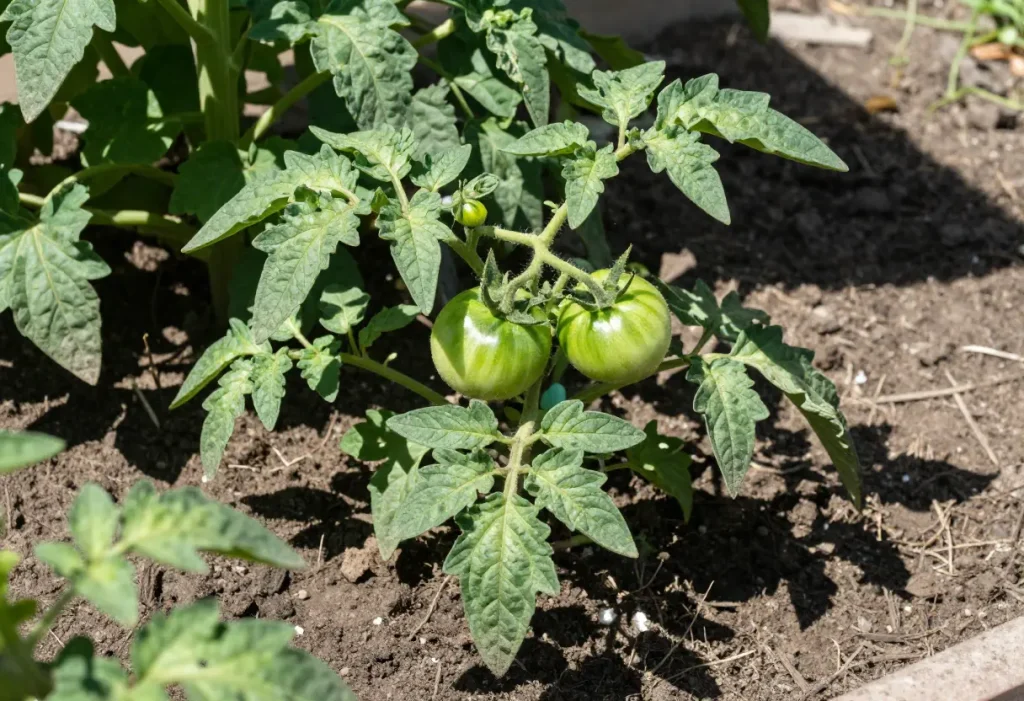
Tomatoes may stay green due to lack of sunlight or cooler temperatures slowing ripening.
Yes, excess nitrogen promotes leaves, not fruit color, delaying tomato redness.
Tomatoes ripen best between 70-75°F; cooler or hotter slows or stops color change.
Tomatoes usually turn red 20-30 days after fruit sets, depending on variety and conditions.
Yes, tomatoes need full sun for 6-8 hours daily to develop their red color.
Tomatoes need enough sunlight and warmth to turn red. Check soil for proper nutrients and water levels. Too much nitrogen can keep tomatoes green. Patience also plays a big role; some tomatoes take longer to ripen. Watch for pests or diseases that slow growth.
Small changes can make a big difference in color. Keep caring for your plants daily. Soon, you will enjoy bright, red tomatoes from your garden. Growing tomatoes takes time, but the reward is worth it.