Gardening Made Simple.
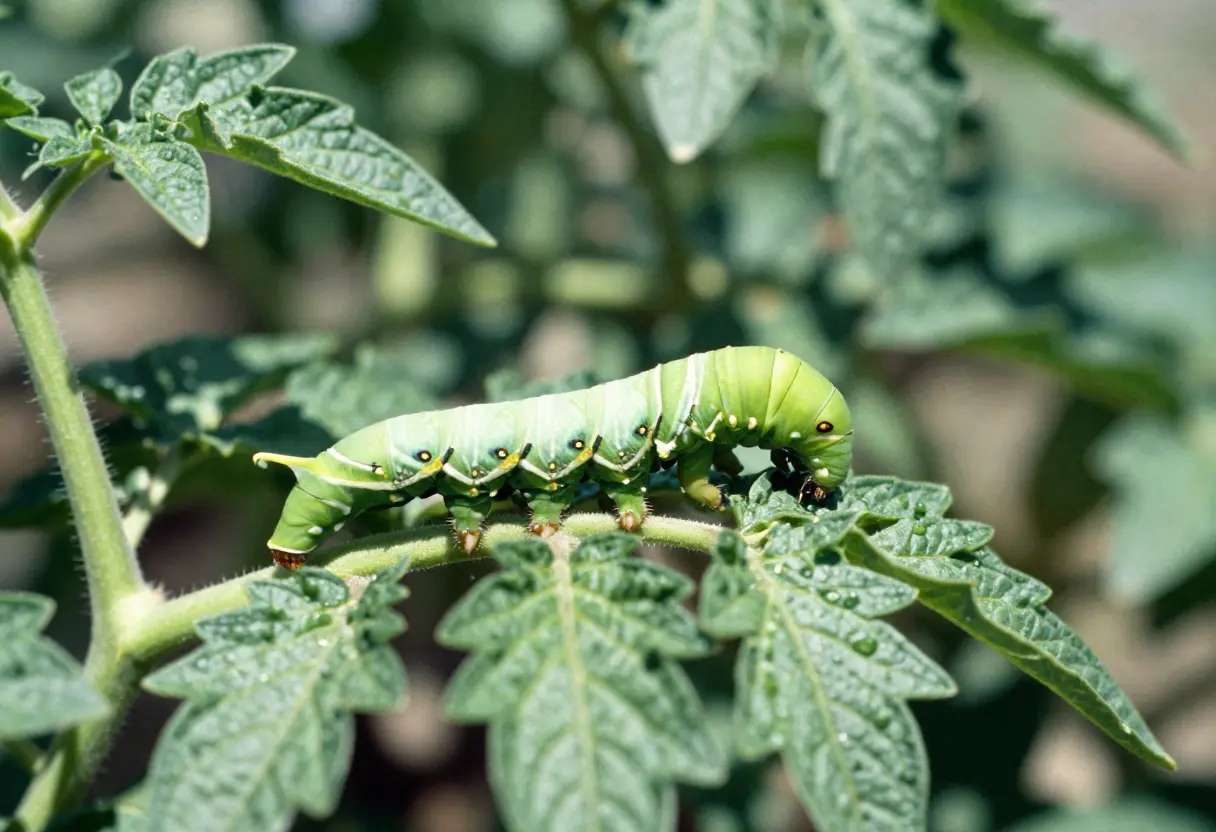
Are you staring at a big, green caterpillar munching on your tomato plants and wondering, Should I kill tomato hornworm? You’re not alone. These hungry pests can cause serious damage to your garden, but before you reach for that spray or squish them on sight, there’s more to know.
What if killing them isn’t always the best choice? You’ll discover why tomato hornworms show up, how they affect your plants, and smart ways to handle them that protect your garden’s health. Keep reading to find out the simple steps you can take to save your tomatoes without harming your garden’s balance.
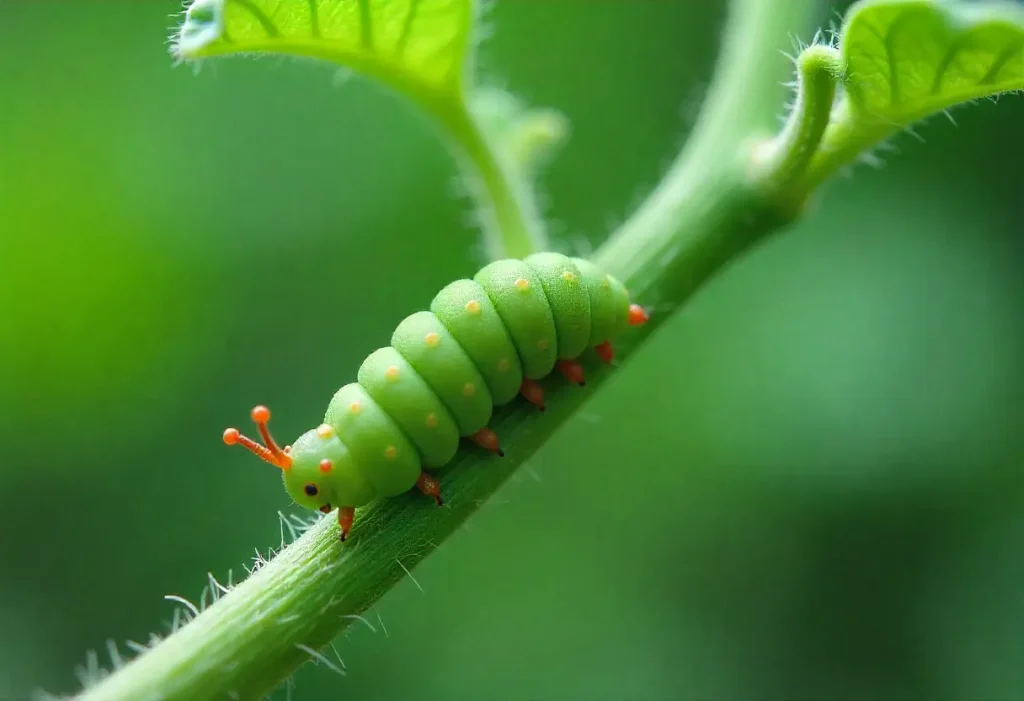
Identifying tomato hornworms is the first step in protecting your garden. These pests can cause serious damage to tomato plants. Spotting them early helps you act quickly and save your crops.
Tomato hornworms are large caterpillars. They can grow up to 4 inches long. Their color is usually bright green, which blends well with tomato leaves. They have white and black markings on their sides. A distinctive horn sticks out from their rear end. This horn is often dark blue or black. Their size and color make them easy to spot once you know what to look for.
Look for chewed leaves on your tomato plants. Tomato hornworms eat the leaves quickly and leave large holes. You may also see stripped stems and fruit damage. Sometimes, you find green droppings on leaves or soil. These droppings are a clear sign of hornworm presence. Spotting these signs early can save your plants from severe harm.
The tomato hornworm can have a strong impact on tomato plants. This large green caterpillar eats parts of the plant. Its feeding can cause serious harm to both the leaves and fruits. Understanding this impact helps gardeners decide whether to remove these pests.
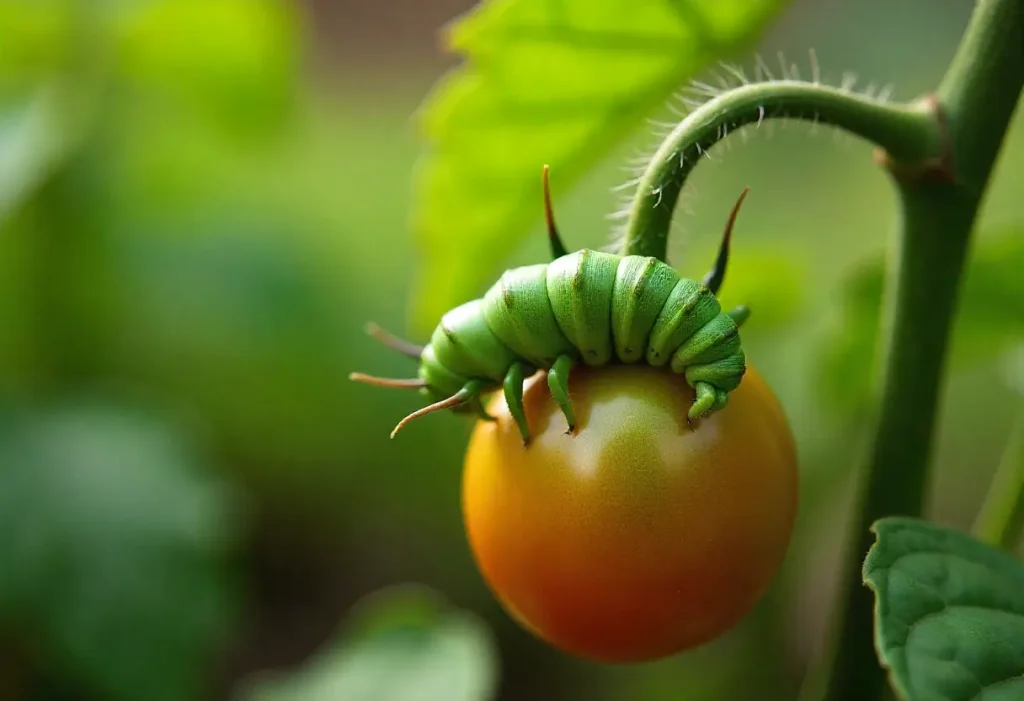
Tomato hornworms chew on leaves, leaving holes and ragged edges. This damage reduces the plant’s ability to make food through photosynthesis. The caterpillars also feed on tomato fruits. They create large, rough patches that ruin the fruit’s appearance. This makes tomatoes less healthy and less tasty.
Heavy feeding by hornworms weakens the tomato plant. Less leaf area means less energy for growth and fruit production. Plants may become stressed and grow slower. This stress makes plants open to diseases and other pests. The overall health of the tomato plant suffers if hornworms stay too long.
Tomato hornworms can be a challenge for gardeners. Yet, nature offers helpful allies that keep these pests in check. Understanding natural predators helps you decide if you should kill hornworms or let nature handle them. These predators bring balance and benefits to your garden.
Several insects eat tomato hornworms or stop them from growing. Parasitoid wasps lay eggs inside hornworms. The larvae feed on the hornworm and kill it. Ladybugs and lacewings eat hornworm eggs and small larvae. These insects reduce hornworm numbers naturally. They protect your tomatoes without chemicals.
Hornworms serve as food for birds and predatory insects. This supports a healthy food chain in your garden. Natural predators keep hornworm populations balanced. This prevents major damage to your plants. Letting predators work can reduce the need for pesticides. It creates a safer, more natural garden environment.
Manual removal techniques offer a natural way to control tomato hornworms. These methods help protect your plants without harmful chemicals. You can reduce hornworm damage by checking your plants regularly. Simple tools and careful observation work well for small gardens.
Handpicking hornworms is the most direct way to remove them. Look closely at the leaves and stems of tomato plants. Hornworms are large and easy to spot due to their green color and white stripes. Use gloves to protect your hands. Pick the hornworms off and drop them into a bucket of soapy water. This will kill them quickly and humanely. Repeat this process every few days to keep hornworm numbers low.
Traps and barriers help stop hornworms from reaching your plants. Place sticky traps near tomato plants to catch adult moths before they lay eggs. You can also use row covers to block hornworms from crawling on plants. Make sure the covers fit tightly around the plants. These barriers allow light and rain but keep pests out. Check traps often and replace them as needed. Combining traps with handpicking improves control results.
Tomato hornworms can damage your plants quickly. Using organic control options helps protect your garden naturally. These methods are safer for your plants and the environment. They also keep beneficial insects safe. Here are some effective organic controls to try.
Neem oil works by disrupting the hornworm's growth and feeding. Spray neem oil directly on the leaves where hornworms feed. It also repels other pests. Insecticidal soaps kill hornworms on contact. They break down the insect's outer layer. Spray the soap solution on affected plants. Both neem oil and insecticidal soaps are safe for most beneficial insects.
Biological pesticides use natural enemies of hornworms. Bacillus thuringiensis (Bt) is a common example. Bt is a bacteria that kills hornworms but is safe for humans and pets. Apply Bt on tomato leaves where hornworms eat. Caterpillars will stop feeding and die within days. This method targets only specific pests without harming other insects.
Chemical treatments offer a direct way to control tomato hornworms. These treatments can stop the pest quickly and save your plants from damage. Using chemicals requires care to protect beneficial insects and the environment. Choosing the right time and method is key for success.
Apply chemicals only if hornworms damage is severe. Early signs include large holes and chewed leaves. Check plants daily during growing season. Use chemicals when other methods do not work. Spot treat the affected areas to limit chemical use. Avoid using chemicals when flowers or fruits are developing.
Follow label instructions exactly to avoid harm. Wear gloves and protective clothing during application. Spray in the early morning or late evening to avoid harming bees. Avoid windy days to prevent chemical drift. Wash hands and tools after use. Keep pets and children away from treated plants.
Preventing tomato hornworm damage starts with smart garden habits. These measures reduce the chance of infestations. Healthy plants grow stronger and resist pests better. Taking steps early saves time and effort later. Below are key strategies to keep hornworms away.
Change the location of your tomatoes each year. This breaks the life cycle of hornworms. Avoid planting tomatoes in the same spot repeatedly. Planting marigolds or basil near tomatoes helps repel pests. These plants confuse hornworms and reduce their numbers. Crop rotation and companion plants work well together.
Remove weeds and garden debris often. Hornworms hide in overgrown and messy areas. Clean up fallen leaves and plant scraps around tomato plants. This cuts down places for hornworms to live. Keep your garden tidy to make it less inviting for pests. Regular cleaning supports healthier tomato plants.
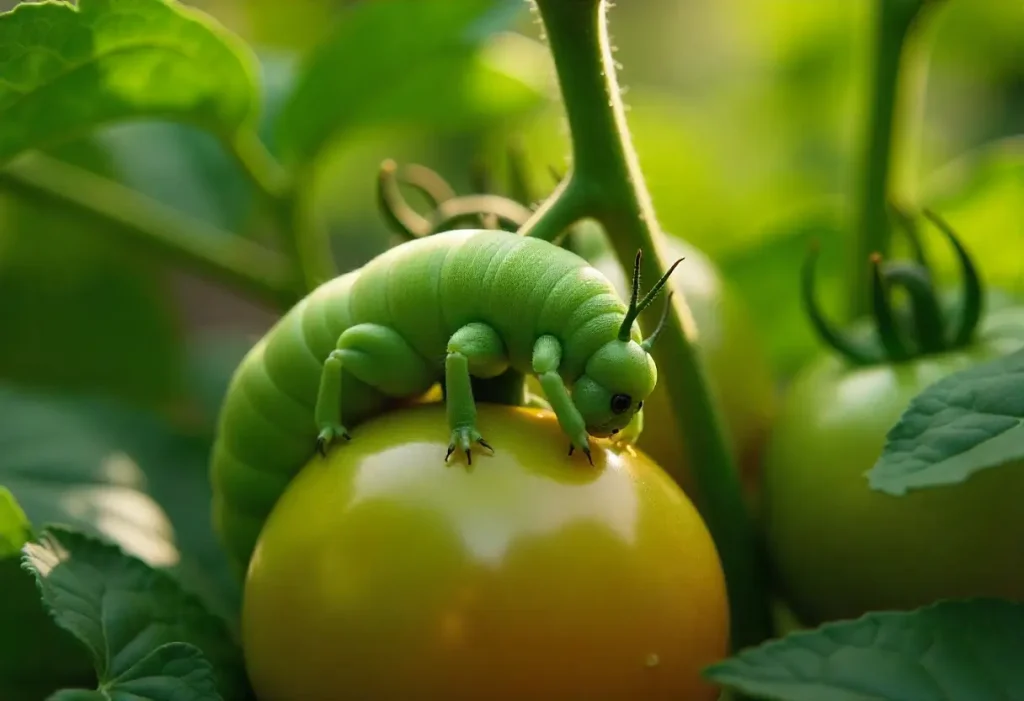
Deciding when to kill tomato hornworms is not always clear. These pests can cause harm, but they also play a role in the garden's ecosystem. Understanding the right moment to take action helps keep your plants healthy and the garden balanced.
Check your tomato plants for damage regularly. Look for large holes in leaves and fruit. A few small holes may not harm the plant much. But many holes or stripped leaves can weaken the plant. If the plant shows slow growth or poor fruit development, damage is likely too high. Removing hornworms at this stage can save your harvest.
Hornworms are food for birds and beneficial insects. They also turn into moths that pollinate flowers. Killing every hornworm can harm this natural balance. Try handpicking only the biggest pests first. Leaving some hornworms helps nature stay healthy. Use natural controls like encouraging parasitic wasps to protect your garden safely.
A tomato hornworm is a large green caterpillar that eats tomato leaves and fruits. It can damage plants quickly.
Look for big green caterpillars with white stripes and a horn on their back. They hide under leaves.
Yes, killing them helps save your tomato plants from serious damage and keeps your garden healthy.
Handpick and remove them, use beneficial insects like ladybugs, or spray with neem oil to reduce their numbers.
Yes, they also feed on peppers, eggplants, and potatoes, so watch for them on these plants too.
Tomato hornworms can harm your plants quickly. Removing them helps your tomatoes grow strong. Watch your garden often to catch them early. Use natural methods to protect your plants safely. Killing hornworms can save your harvest this season. Keep your garden healthy for better fruits.
Small actions make a big difference in gardening. Choose what works best for your garden’s needs. Stay patient and enjoy your gardening journey.