Gardening Made Simple.
When to Harvest Spinach is one of the most important questions for gardeners who want the freshest, best-tasting leaves. If you're wondering when to harvest spinach, picking it at the right time can make all the difference between tender, flavorful greens and bitter, overgrown leaves.
Whether you're growing spinach for salads or cooking, knowing the signs of maturity will help you enjoy a longer harvest and encourage healthy, continuous leaf production.
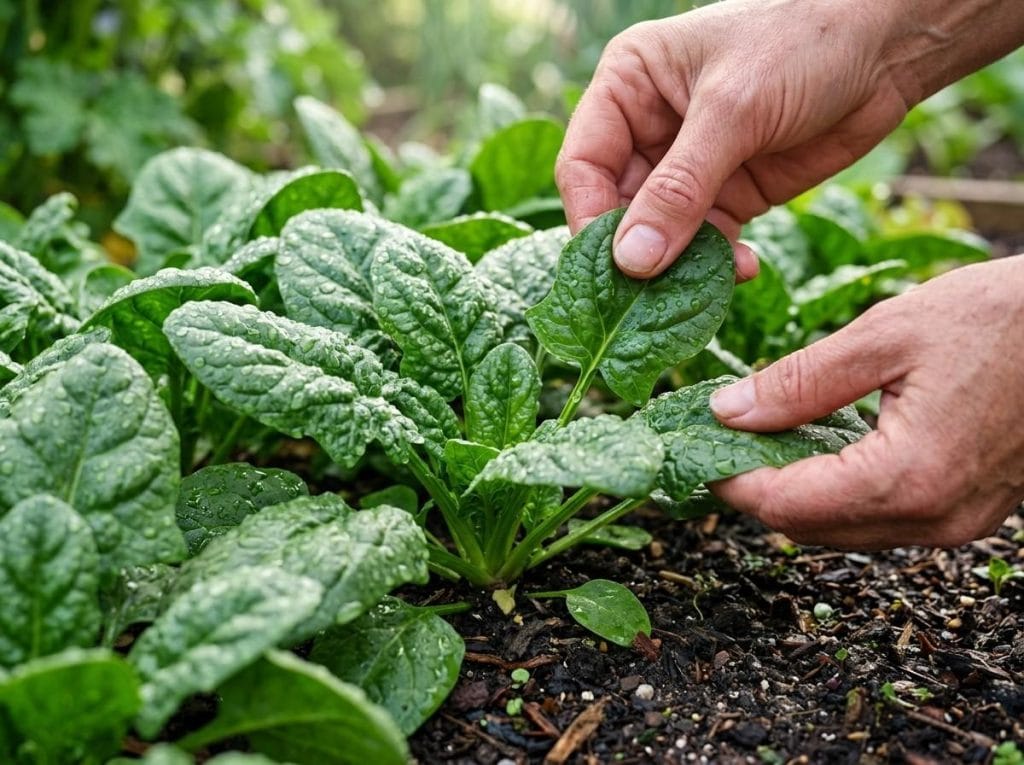
If you harvest too early, you might miss out on the full taste and nutrition. Wait too long, and the leaves could turn tough or start to bolt. In this guide, you’ll discover simple signs to look for so you can enjoy your spinach at its very best.
Keep reading to learn how to get the perfect harvest every time!
Knowing the right time to harvest spinach helps you enjoy fresh and tasty leaves. Spinach shows clear signs when it is ready to pick. Watch the leaves, growth stage, and weather to decide the best moment. Understanding these signs prevents harvesting too early or too late.
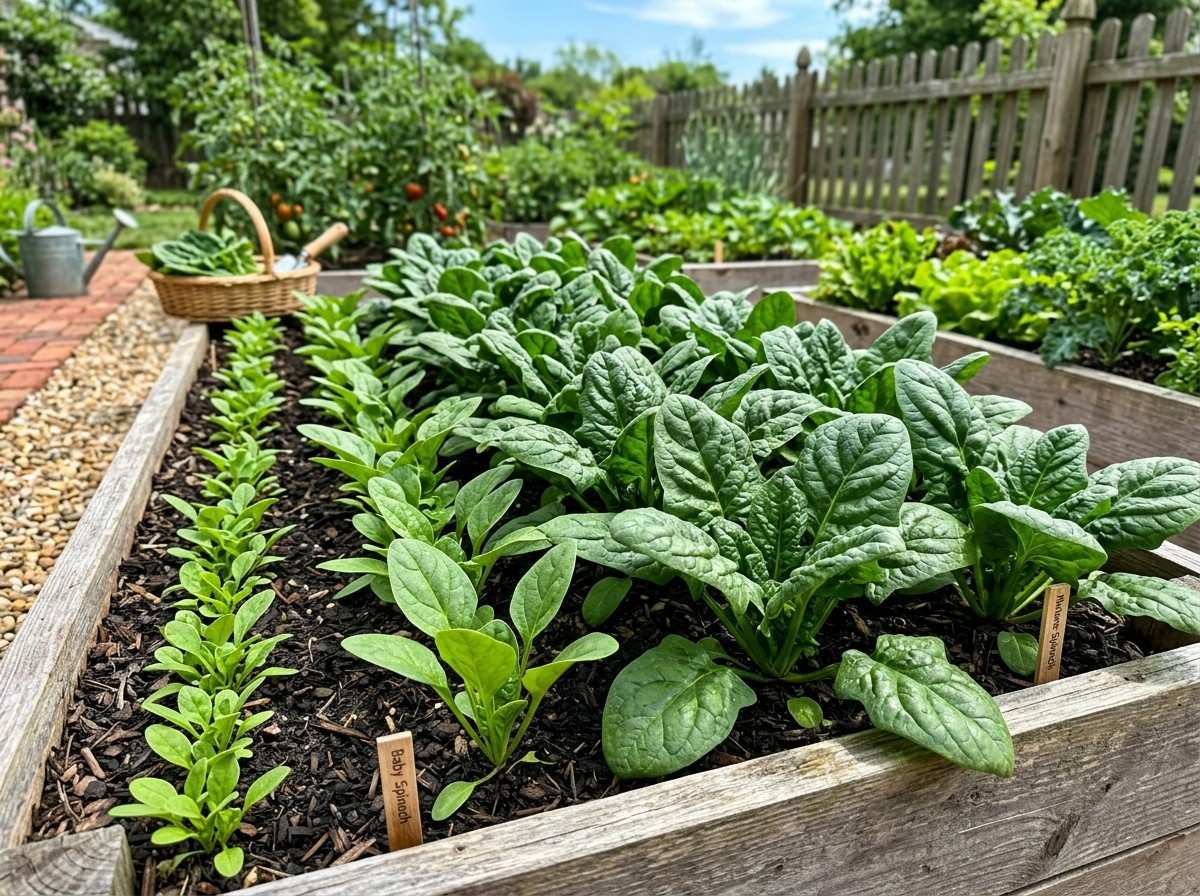
Spinach leaves grow to a size between 3 to 6 inches before harvesting. The leaves should be dark green and firm. Pale or yellow leaves mean the plant is aging or stressed. Pick leaves that look healthy and vibrant. Large leaves can become tough and bitter.
Spinach is best harvested at the baby leaf or full leaf stage. Baby leaves are small and tender, perfect for salads. Full leaves are bigger and can be used for cooking. Avoid harvesting after the plant starts to flower. Flowering causes leaves to turn bitter quickly.
Cool weather helps spinach grow sweet and tender leaves. Harvest spinach before hot weather arrives. Heat causes the plant to bolt and leaves to taste bitter. Early morning is the best time to pick spinach. The leaves are crisp and full of moisture then.
Harvesting spinach is simple and can be done in different ways. Choosing the right method helps keep your plants healthy. It also gives you fresh spinach for a longer time. Understanding these harvesting methods makes your garden work easier and more productive.
This method lets you pick leaves without killing the plant. Cut the outer leaves about an inch above the base. The inner leaves will keep growing for future harvests. This way, you can enjoy spinach multiple times from one plant. It is gentle and keeps your plants alive longer.
Harvesting the whole spinach plant is quick and straightforward. Pull the entire plant out when leaves reach the right size. This method is best for a large harvest all at once. Use it when you want to gather spinach for a big meal or storage. Remember, this ends the plant's life, so it won’t regrow.
Sharp scissors or garden shears work best for harvesting spinach. They make clean cuts and avoid damaging the plant. Keep your tools clean to prevent spreading diseases. Using the right tools saves time and effort in the garden.
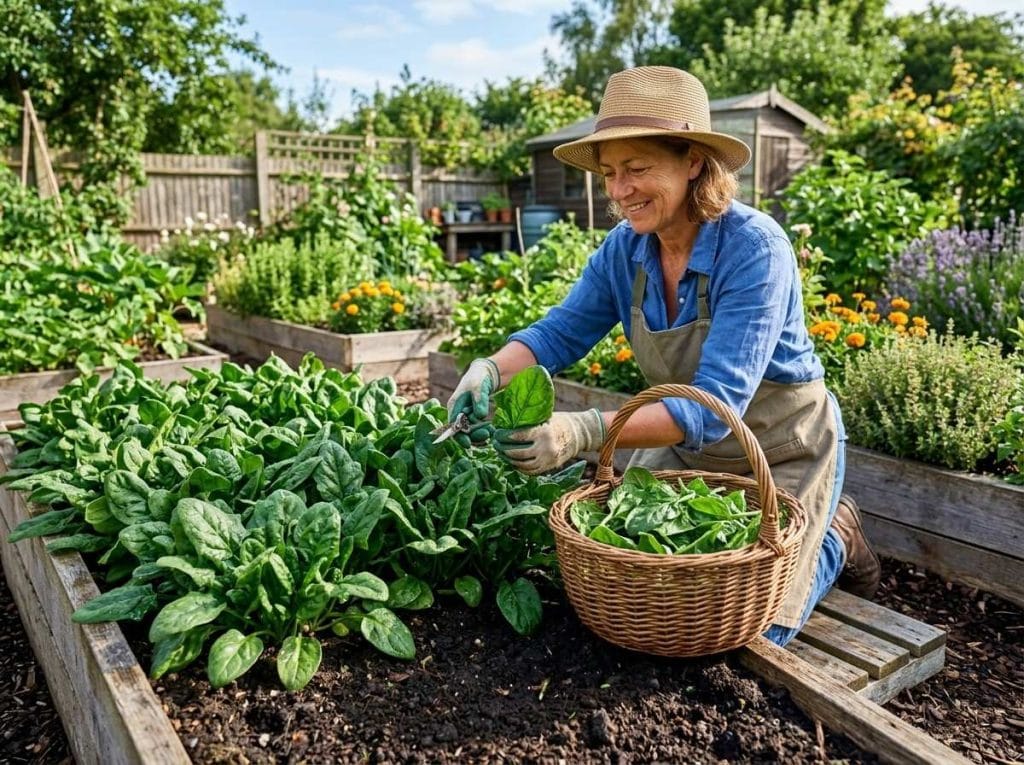
Harvesting spinach at the right time affects its flavor the most. Picking leaves too early or too late changes the taste. The timing depends on several factors like time of day and temperature. Knowing these helps get the best flavor from your spinach.
Harvesting spinach in the morning keeps leaves fresh and crisp. Overnight, plants store sugars that make leaves sweeter. Morning leaves taste mild and less bitter than evening leaves. Evening harvest may have more bitterness due to stress on the plant. For a sweeter, tender taste, pick spinach early in the day.
Cool temperatures improve spinach flavor by slowing growth. Hot weather speeds growth but makes leaves bitter. Cold nights help produce sugars that sweeten the leaves. Warm days and cool nights create the best flavor balance. Avoid harvesting after heat waves for softer, better-tasting spinach.
Extending the harvest period of spinach means more fresh leaves for a longer time. It allows gardeners to enjoy homegrown spinach through different seasons. Careful planning and simple techniques can stretch the harvest well beyond the first picking.
Plant new spinach seeds every two to three weeks. This keeps fresh plants growing as older ones finish. Choose fast-growing varieties for a quick turnover. Space seeds evenly to avoid overcrowding. Thin seedlings early to give room to grow. Water regularly to keep soil moist but not soggy. Succession planting ensures a steady supply of tender leaves.
Healthy soil supports strong spinach growth and longer harvests. Add compost or well-rotted manure before planting. This improves soil nutrients and structure. Rotate spinach with other crops to prevent pests and diseases. Avoid planting spinach in the same spot year after year. Keep soil loose by gently tilling between plants. Mulch to retain moisture and control weeds. Good soil health leads to vibrant, long-lasting spinach plants.
Harvesting spinach at the right time matters for taste and nutrition. Many gardeners make simple mistakes that harm their crop. Avoiding these errors helps you get the best leaves from your plants. Here are some common mistakes to watch out for.
Picking spinach leaves too soon can reduce flavor. Small leaves lack the full nutrients and texture. Wait until leaves grow to a good size, about 3-4 inches long. Early harvest means fewer leaves and less yield.
Leaving spinach on the plant too long causes tough, bitter leaves. Older leaves may turn yellow and lose quality. Harvest before flowers or seed stalks appear. Timely picking keeps leaves tender and tasty.
Spinach needs care to stay healthy for harvest. Watch for pests and diseases that damage leaves. Remove yellow or damaged leaves quickly. Healthy plants produce better, more nutritious spinach.
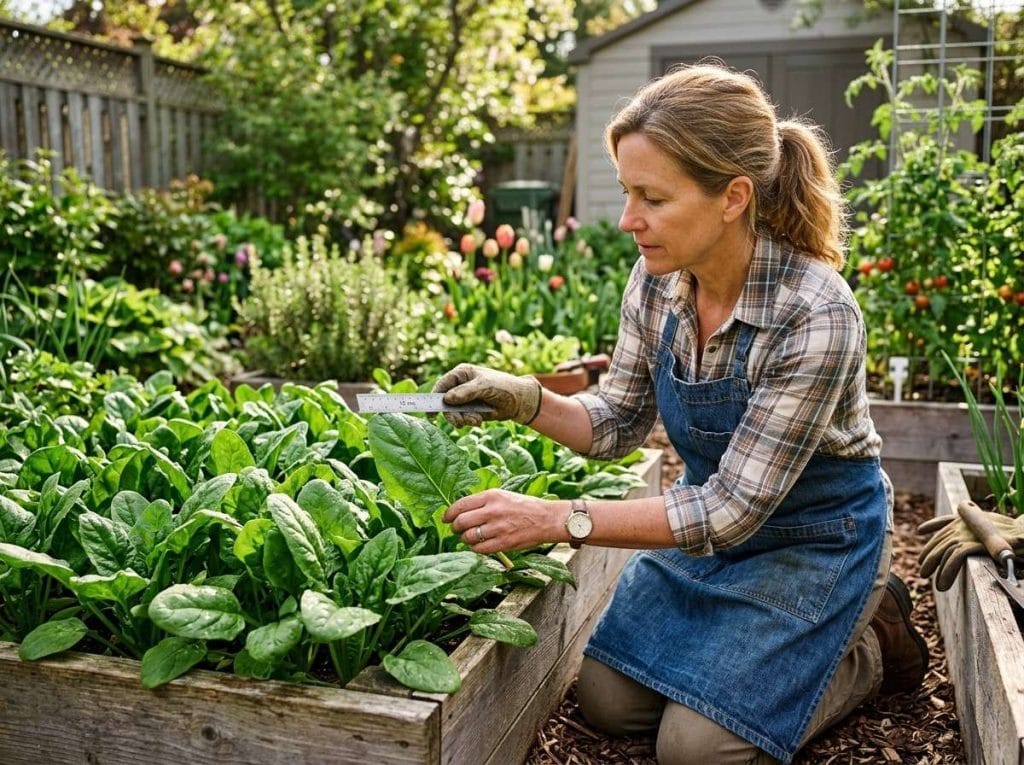
Harvest spinach leaves when they are bright green and about 3 to 4 inches long.
Yes, you can pick outer leaves and let the center keep growing for more harvests.
Harvest spinach before it flowers for the best taste and leaf texture.
Spinach usually takes 37 to 45 days from planting to be ready to pick.
Use scissors or gently twist leaves to avoid damaging the plant for longer growth.
Harvest spinach when leaves reach 4 to 6 inches tall. Pick outer leaves first to keep plants growing. Avoid waiting too long to prevent bitterness. Freshly harvested spinach tastes best and has more nutrients. Regular harvesting encourages new, tender leaves to grow.
Grow your spinach with care and enjoy healthy greens. Simple steps lead to a successful spinach harvest. Your garden rewards patience and attention with tasty spinach.