Gardening Made Simple.
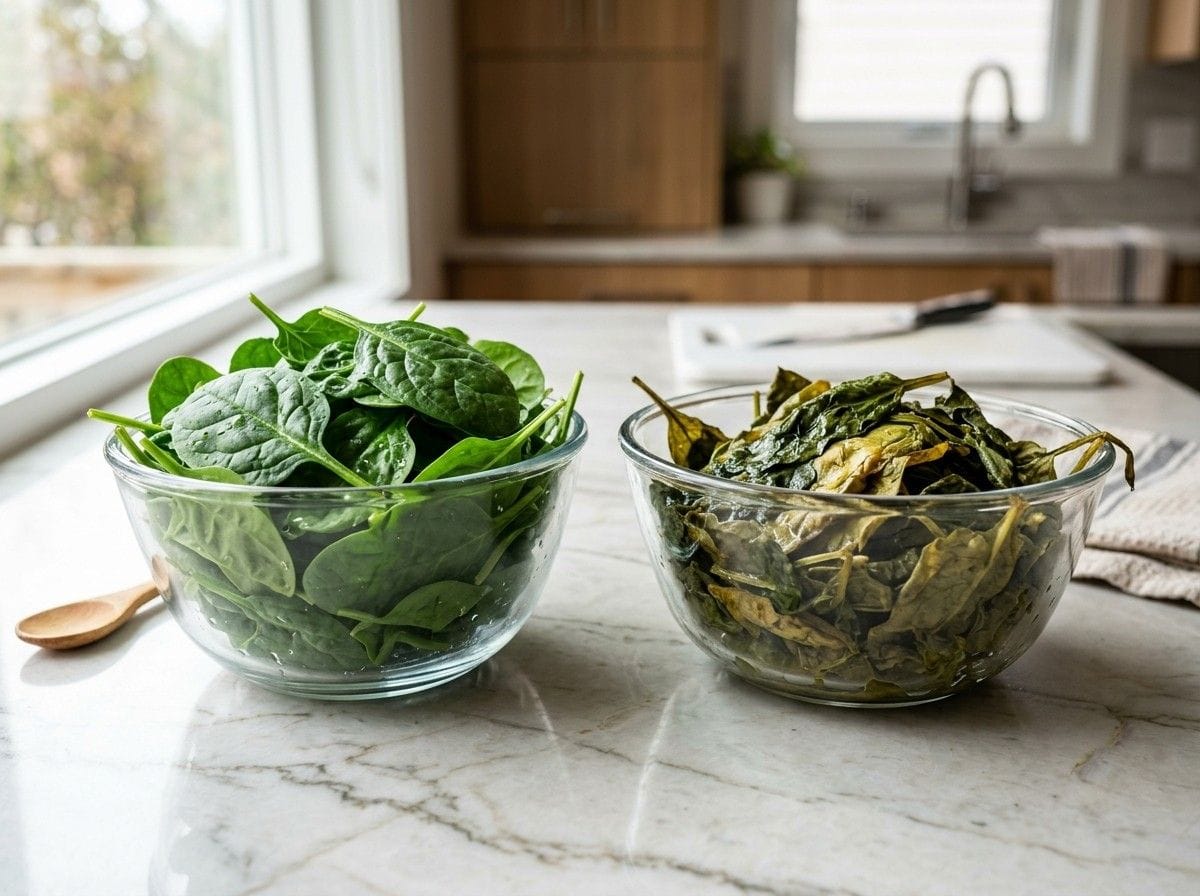
How to Know When Spinach Is Bad is an important question if you want to avoid eating spoiled greens and reduce food waste. You’ve bought fresh spinach, ready to add a healthy boost to your meals—but how can you tell if it’s still safe to eat?
Knowing how to know when spinach is bad helps you spot signs like wilting, slimy leaves, unpleasant odors, and discoloration before using it. This guide explains the warning signs so you can keep your meals fresh, safe, and delicious.
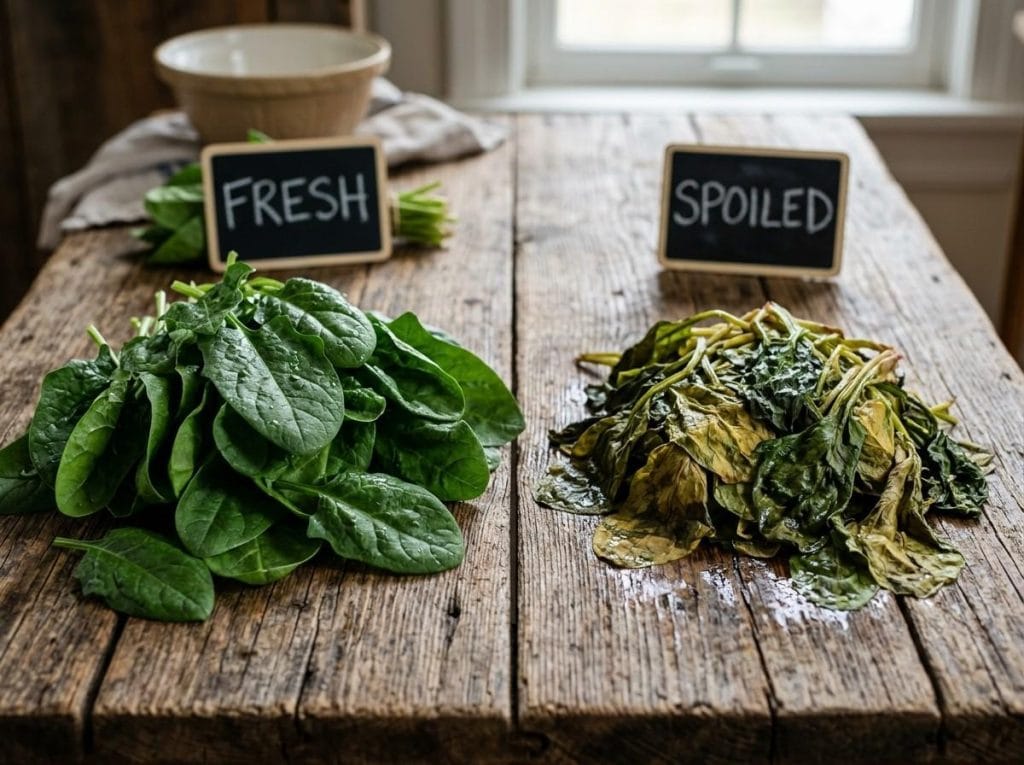
Eating spoiled spinach can ruin your dish—and your stomach. Knowing the signs to look for can save you from food waste and keep you safe. You’ll learn simple, clear ways to tell when spinach has passed its prime. Keep reading to protect your health and make the most of your greens every time.
Spinach is a healthy green loved by many. Knowing when it goes bad helps avoid waste and illness. Spoiled spinach shows clear signs. These signs help decide if it is safe to eat or not.
Fresh spinach is bright green and crisp. Dark spots or yellow leaves mean spoilage. Wilted or slimy leaves are bad. Brown or black patches show decay. Any mold on the leaves means toss it out.
Good spinach smells fresh and mild. A sour or rotten odor means bacteria growth. Strong, unpleasant smells are a warning. Fresh spinach should never smell bad. Trust your nose to check freshness.
Spinach leaves should feel firm and slightly crisp. Soft, mushy, or slimy leaves mean spoilage. Slimy texture happens when bacteria grow. Avoid spinach that feels wet or sticky. Fresh texture means safe to eat.
Spinach is a healthy and tasty green vegetable. It can spoil quickly if not handled right. Knowing the common causes of spinach spoilage helps keep it fresh longer. This section explains the main reasons spinach goes bad.
Spinach needs cool and dry storage. Leaving it at room temperature speeds up spoilage. Storing spinach in a warm place makes leaves wilt fast. Use the fridge to keep spinach fresh. Avoid storing spinach near fruits that release gas. This gas causes spinach to rot quickly.
Moisture is the biggest enemy of fresh spinach. Wet leaves get slimy and decay fast. Washing spinach before storage can add too much water. Spinach should be dry before putting it in the fridge. Use paper towels to soak up extra moisture. Store spinach in a container with air holes to reduce wetness.
Spinach has a short shelf life. Old spinach looks yellow or brown. Fresh spinach has bright green and firm leaves. Buying spinach close to its harvest date helps. Use spinach within a few days for the best taste. Older spinach loses nutrients and texture quickly.

Knowing how to store spinach properly helps keep it fresh longer. Proper storage slows down spoilage and keeps leaves crisp. Follow simple steps to store spinach right at home.
Spinach stays fresh best at cold temperatures. Keep it in the refrigerator at about 32 to 40 degrees Fahrenheit. Avoid freezing fresh spinach unless you plan to cook it later. Cold slows down bacteria and wilting.
Use breathable bags or containers for spinach storage. Plastic bags with tiny holes work well. Avoid sealing spinach in airtight containers unless you place paper towels inside. This keeps air flowing and prevents sogginess.
Moisture makes spinach spoil faster. Pat leaves dry before storing them. Place a dry paper towel in the bag or container to absorb excess water. Check spinach regularly and remove wet leaves to keep the rest fresh.
Knowing if spinach is fresh helps avoid bad taste and food waste. Quick tests make it easy to check spinach quality fast. These simple checks help decide if spinach is good to eat or should be thrown away.
Fresh spinach feels firm and crisp. Leaves that feel slimy or soft show signs of spoilage. If spinach sticks together or feels wet, it may be going bad. Avoid spinach that feels mushy or overly limp.
Fresh spinach has a mild, fresh smell. A sour or rotten odor means it is spoiled. Trust your nose. If the spinach smells bad, do not eat it.
Look for dark spots, yellowing, or wilted leaves. Fresh spinach is bright green and vibrant. Avoid leaves that look slimy or have black patches. Clear signs of decay mean the spinach is bad.
Using spoiled spinach safely means knowing when it is okay to use and when to throw it away. Spinach can go bad quickly, but sometimes a few soft leaves do not mean the whole bunch is bad. Learning how to spot the signs of spoilage helps reduce waste and keeps you safe from illness.
Throw away spinach if it has a slimy texture. Dark, mushy spots also mean spoilage. A strong, sour smell is another sign to discard it. If mold appears, never eat the spinach. Only use spinach that looks fresh and smells normal.
Eating bad spinach can cause stomach pain and diarrhea. Spoiled leaves may carry harmful bacteria. These germs can cause food poisoning. Avoid risks by not eating visibly spoiled spinach. Safety comes first when dealing with old vegetables.
Use slightly wilted spinach in smoothies or soups. Cooking soft leaves can make them safe and tasty. Freeze fresh spinach before it spoils to keep longer. Dry spinach leaves for homemade chips or seasoning. These tricks help save money and reduce waste.
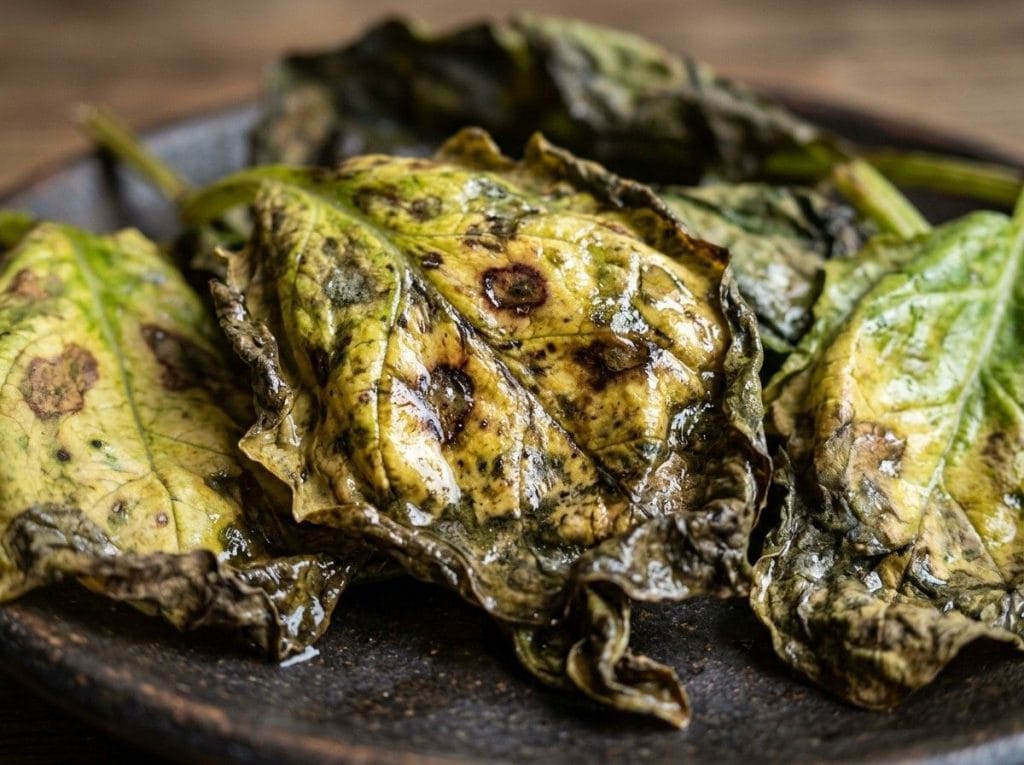
Look for slimy texture, dark spots, or a bad smell. Fresh spinach feels firm and smells fresh.
Rotten spinach has a strong, sour, or rotten odor. Fresh spinach smells mild and green.
Slimy spinach is unsafe to eat. It shows signs of decay and bacteria growth.
Fresh spinach lasts about 5 to 7 days when stored properly in the fridge.
Dark spots mean spinach is starting to spoil. It’s better to avoid eating those leaves.
Knowing when spinach goes bad keeps your meals fresh and safe. Watch for slimy leaves, dark spots, or a strong smell. Fresh spinach looks bright green and feels crisp. Toss any leaves that look wilted or smell sour. Store spinach in the fridge to keep it longer.
Check spinach before use to avoid food waste. Simple checks save your health and money. Keep these tips in mind for better cooking every time. Your spinach should always be fresh and tasty.