Gardening Made Simple.

Want to grow fresh, tasty onions right in your own garden? How to Grow Onions will guide you step by step so you can enjoy healthy, flavorful bulbs straight from your backyard.
Onions are a kitchen staple that add flavor to almost any dish. Imagine picking your own crisp, healthy onions whenever you want. It’s easier than you think, and you don’t need a big garden or special tools. In this guide, you’ll discover simple, step-by-step tips to help your onions thrive.
Ready to get started and enjoy the satisfaction of homegrown onions? Keep reading!
Choosing the right onion variety is key to a healthy garden and good harvest. Different onions grow best in different climates and seasons. Picking the right type helps onions develop well and taste great. Understanding the basics about onion types helps you decide what suits your garden.
Below, learn about the main onion types, how to pick seeds or sets, and easy varieties for first-time growers.
Short-day onions start forming bulbs when daylight lasts 10 to 12 hours. They do well in southern areas with mild winters. Long-day onions need 14 to 16 hours of daylight. These types grow best in northern regions with long summer days. Choosing the right day-length type helps onions bulb properly.
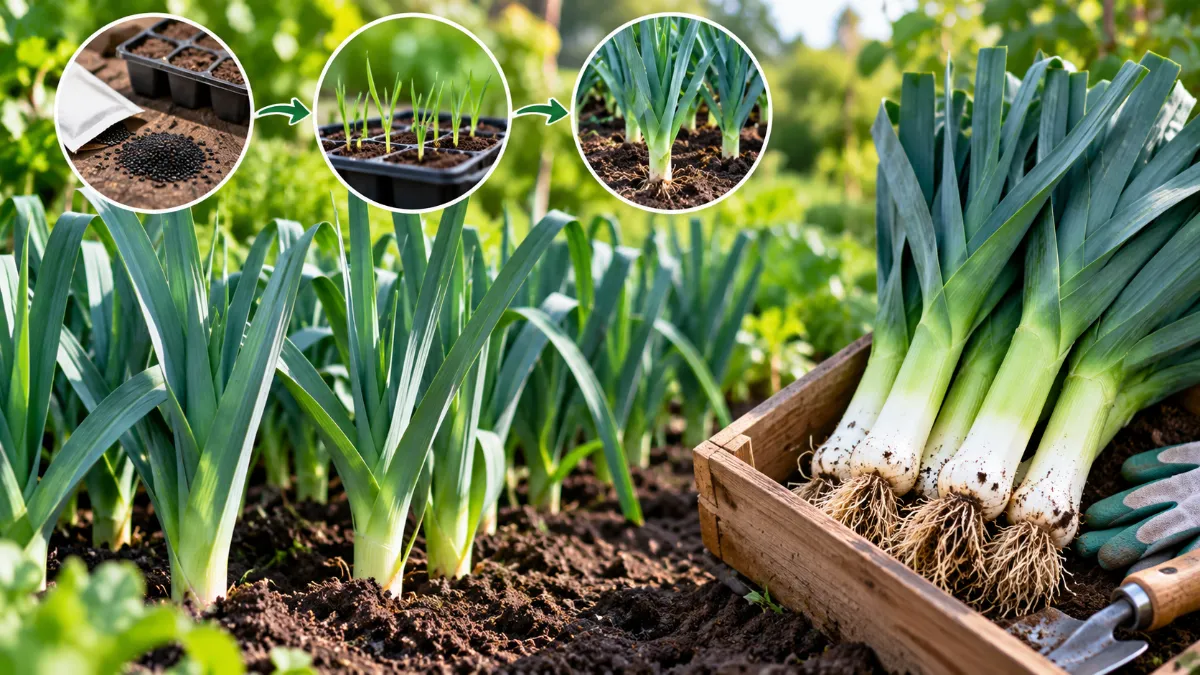
Seeds offer more variety but take longer to grow. Sets are small onion bulbs that grow faster. Sets are easier for beginners and give quicker results. Seeds let you choose more types but need patience. Pick seeds or sets based on your time and garden goals.
Sweet onions like ‘Walla Walla’ or ‘Vidalia’ suit mild climates and taste great. ‘Red Baron’ and ‘Candy’ grow well in many areas and are easy to care for. ‘Yellow Granex’ is a reliable choice for many gardeners. These varieties grow well and give good yields for new growers.

Preparing the soil is the first step to growing healthy onions. Good soil helps onions grow strong and tasty. It needs to be loose, rich, and well-drained. You can make your soil better by testing and adding the right nutrients. Proper soil prep saves time and effort later.
Onions grow best in sandy or loamy soil. This type lets water drain well and air reach the roots. Clay soil holds too much water and can cause rot. The soil pH should be between 6.0 and 7.0. This range helps onions absorb nutrients easily. Test your soil with a kit or at a garden center. Adjust pH by adding lime to raise it or sulfur to lower it.
Onions need nutrients to grow big and healthy. Mix compost into the soil before planting. Compost adds organic matter and feeds the soil microbes. Use balanced fertilizer with nitrogen, phosphorus, and potassium. Spread it evenly and work it into the top 6 inches of soil. Avoid too much nitrogen; it can make onions grow leaves but small bulbs.
Good drainage prevents water from sitting around onion roots. Waterlogged soil can cause bulbs to rot. Raise beds or add sand to heavy soil to improve drainage. Make sure the soil surface is loose and crumbly. Avoid compacted soil by not walking on the onion bed. Well-drained soil keeps onions healthy and reduces disease risks.
Planting onions is the first step to a successful harvest. Proper planting helps onions grow strong and healthy. Follow these simple steps to give your onions the best start.
Plant onions early in spring or late winter. Soil should be workable and not frozen. Onions need cool weather to grow well. Avoid planting in very hot weather.
Space onion sets or seedlings about 4 inches apart. Rows should be 12 to 18 inches apart. Plant onions 1 inch deep in loose soil. Proper spacing allows good air flow and bulb growth.
Place onion sets or seedlings upright in the soil. Cover roots fully but keep tops just below soil surface. Water gently after planting to settle soil. Mulch around plants to keep soil moist and control weeds.
Watering and feeding are essential for growing healthy onions. Proper care helps onions develop strong bulbs and good flavor. Both water and nutrients must be balanced for best growth.
Too little water can stop growth. Too much can cause rot. Feeding onions supplies the nutrients they need to grow big and strong. Understanding how to water and feed correctly improves your onion harvest.
Water onions deeply once or twice a week. The soil should stay moist but not soggy. During hot, dry weather, increase watering frequency. Reduce watering as onions near maturity. Check soil moisture regularly to avoid dryness.
Feed onions with a balanced fertilizer high in nitrogen early on. Apply fertilizer every three to four weeks for best results. Avoid too much nitrogen late in growth; it may reduce bulb size. Use compost or organic matter for steady nutrient release.
Overwatering can cause onion bulbs to rot. Make sure soil drains well to prevent water buildup. Water only when the top inch of soil feels dry. Avoid watering leaves directly to reduce disease risk. Proper watering keeps onions healthy and strong.

Managing pests and diseases is key to growing healthy onions. These problems can reduce your yield and harm the plants. Early detection and control help keep your crop strong. Understanding common pests and diseases is the first step.
Onion thrips are small insects that suck plant juices. They cause white spots and stunt growth. Onion maggots attack roots, making plants weak. Cutworms can cut young onion plants at the soil level. Aphids spread viruses and weaken onions by feeding on sap.
Use healthy seeds and bulbs to avoid infections. Rotate crops to stop disease buildup in soil. Remove plant debris to reduce pest habitats. Water onions at the base to keep leaves dry. Avoid overcrowding plants to improve air flow. Inspect plants regularly to spot problems early.
Introduce natural predators like ladybugs to eat pests. Spray neem oil to repel insects without chemicals. Use insecticidal soap for soft-bodied pests like aphids. Apply diatomaceous earth around plants to stop crawling insects. Handpick pests off plants when spotted. Keep soil healthy with compost to boost plant defense.
Caring for onions during their growth is key to a healthy harvest. This stage needs attention to keep plants strong and growing well. Proper care helps onions develop good bulbs and stay free from problems. Simple steps make a big difference.
Weeds steal water and nutrients from onions. Remove weeds often to keep the soil clear. Use hand tools or gentle hoeing to avoid hurting onion roots. Mulching helps stop weed growth and keeps soil moist. Clear ground helps onions grow bigger and healthier.
Onion seedlings grow close together after sprouting. Thin them by removing weaker plants. Keep the strongest seedlings about 2 to 4 inches apart. Thinning gives each onion space to grow. Crowded plants produce smaller bulbs and weak roots. Careful thinning leads to better onion size.
Onions need steady water to build bulbs. Water deeply but not too often to avoid rot. Fertilize with a balanced, nitrogen-rich fertilizer during growth. Stop fertilizing when bulbs start to swell. Loose soil around onions helps bulbs expand. Check plants regularly for signs of stress or disease.
Harvesting onions is an important step in growing your own fresh produce. It ensures that your onions have the best flavor and last longer in storage. Knowing the right time to harvest and how to handle onions can make a big difference in your garden’s success.
Onions are ready to harvest when the tops start to fall over. The green leaves will turn yellow and dry out. The bulbs will feel firm and have a good size. Avoid waiting too long to harvest, or the bulbs may split.
Use a garden fork or shovel to loosen the soil gently. Lift the onions carefully to avoid bruising the bulbs. Do not pull the onions by the tops, as this can damage them. Shake off excess dirt but do not wash them before curing.
Place onions in a dry, shaded area with good airflow. Spread them out so air can circulate around each bulb. Let them cure for two to three weeks until the skins are papery and dry. After curing, trim the roots and tops before storing.
Storing onions properly helps keep them fresh longer. Good storage stops onions from spoiling fast. It also saves money and reduces waste. Knowing the right way to store onions keeps their flavor strong. Follow simple steps for best results.
Keep onions in a cool, dry place. A temperature of 45 to 55°F works best. Avoid places that are too warm or damp. Good air circulation helps onions stay dry. Do not store onions in plastic bags. Use mesh bags or baskets instead.
Cure onions before storing them long term. Leave onions in a warm, dry spot for two weeks. This hardens their skins and prevents rot. After curing, trim the tops and roots. Store onions in a dark area with good airflow. Check onions often and remove any soft ones.
Sprouting happens when onions get too warm or wet. Keep onions away from moisture and heat sources. Do not store onions near potatoes; this causes faster spoilage. Remove any onions that show soft spots or mold. Proper storage stops rot and keeps onions usable longer.
Growing onions can sometimes be tricky. Problems like yellow leaves or small bulbs may appear. Understanding common issues helps fix them early. Here are some simple tips to solve these common problems.
Yellow leaves often mean the onion lacks nutrients. Nitrogen deficiency is a common cause. Use a balanced fertilizer to feed the plants. Overwatering can also cause yellow leaves. Make sure the soil drains well. Avoid watering too much or too little. Check for pests like onion thrips that damage leaves. Remove affected leaves to stop spread.
Small bulbs happen if plants are crowded. Onions need space to grow big. Thin seedlings so each plant has room. Poor soil quality lowers bulb size. Use rich, loose soil with organic matter. Uneven watering can also stunt bulbs. Keep soil moist but not wet. Harvest too early also means small bulbs. Let onions mature fully for bigger size.
Poor germination means seeds do not sprout well. Old or bad seeds cause this problem. Always use fresh, quality seeds. Soil that is too cold or dry stops seeds from growing. Plant seeds in warm, moist soil. Plant seeds at correct depth, about 1 inch deep. Avoid planting in heavy clay soil. Light soil helps roots grow faster.

Onions grow best in loose, well-drained soil rich in organic matter and nutrients.
Onions need full sun, about 6 to 8 hours of direct sunlight each day.
Plant onion seeds in early spring or late fall, depending on your climate zone.
Water onions regularly, keeping soil moist but not soggy, about once or twice a week.
Onions usually take 90 to 120 days from planting to reach full maturity.
Growing onions takes patience and care. Choose good soil and plant seeds in the right spot. Water them regularly but do not overwater. Watch for pests and keep the area clean. Harvest onions when the tops fall over. Store them in a cool, dry place.
With simple steps, you can enjoy fresh onions from your garden. Try growing onions this season and see the results yourself. Gardening brings joy and fresh food to your table. Keep learning and improving your skills bit by bit.