Gardening Made Simple.
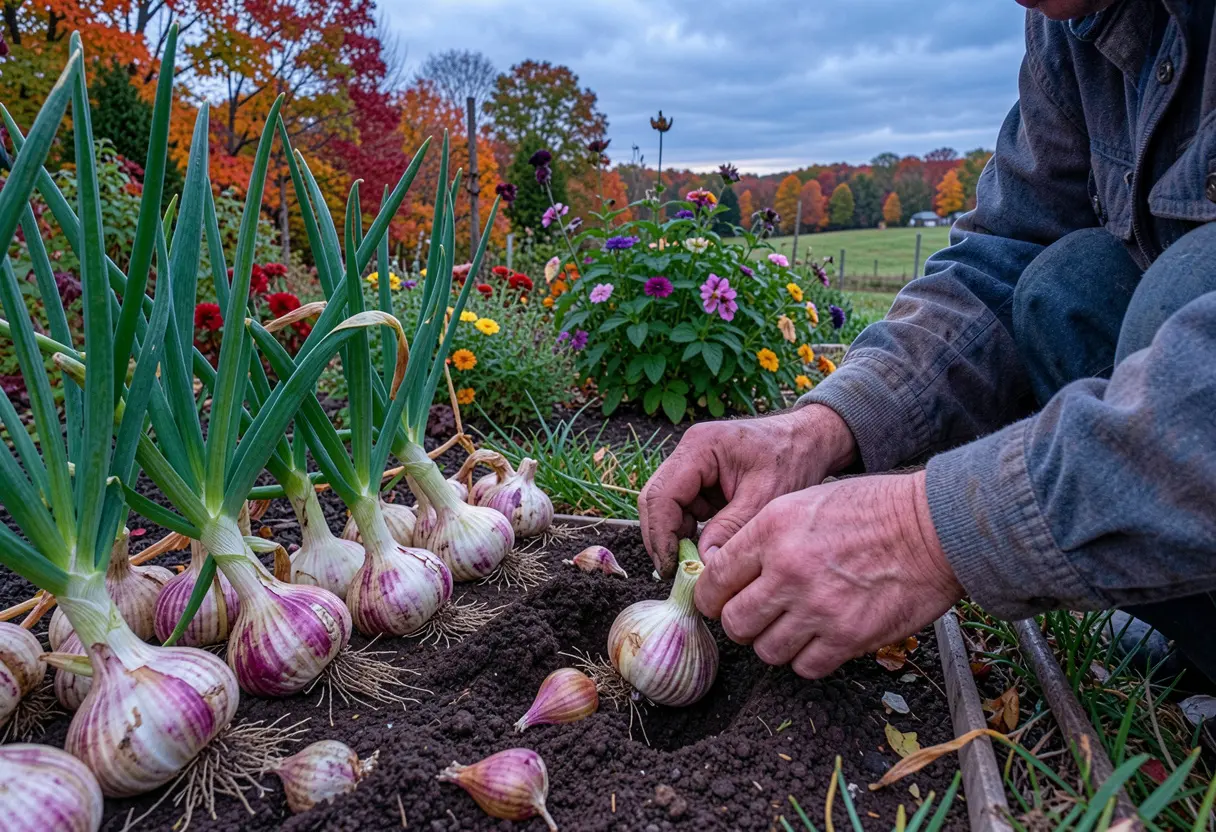
Are you ready to grow your own garlic but unsure when to plant it in Missouri? Timing is everything when it comes to garlic, and planting at the right moment can make a huge difference in your harvest. Understanding When to Plant Garlic in Missouri will help you achieve healthier plants and a more abundant yield.
If you plant too early or too late, your garlic might not reach its full potential. You’ll discover the best time to plant garlic in Missouri to ensure strong growth and a bountiful crop. Keep reading to find out exactly when to get your hands in the soil and start growing garlic like a pro.

Plant garlic in Missouri during the fall, about 4-6 weeks before the first frost. This timing helps cloves develop strong roots before winter. Early planting leads to bigger, healthier garlic bulbs in the spring.
Garlic grows best when planted in the fall in Missouri. The cold winter helps the bulbs develop strong roots. Planting in fall gives garlic time to rest during winter and grow quickly in spring.
Spring planting is possible but less common. It can lead to smaller bulbs and lower yields. Spring garlic needs more care and time to mature before summer heat arrives.
Plant garlic when soil temperature is between 40°F and 60°F. Cooler soil helps cloves grow roots but stops them from sprouting early. In Missouri, this usually means planting from late September to early November.
Choose well-drained soil rich in organic matter. Garlic does not like wet, heavy soil. Good drainage prevents bulb rot and keeps plants healthy. Loose soil allows roots to spread easily.
Choosing the right garlic variety is important for a good harvest in Missouri. Garlic types differ in flavor, hardiness, and how well they grow in local conditions. Selecting the right variety helps ensure healthy plants and big bulbs. Missouri’s climate affects which garlic grows best. Understanding the differences between hardneck and softneck garlic helps with this choice.
Hardneck garlic has a stiff central stalk. It grows well in cold winters and has strong flavor. This type produces fewer but larger cloves. Hardneck types are easier to peel and often have a purple tint.
Softneck garlic has no stiff stalk. It grows better in milder winters. Softneck garlic produces many small cloves. It stores longer than hardneck types. This variety is common in stores but may be less suited for cold Missouri winters.
Missouri’s cold winters favor hardneck garlic. Popular hardneck varieties include Rocambole and Purple Stripe. These types handle frost and develop rich flavors.
Some softneck varieties like Artichoke can survive Missouri winters if planted early. They offer milder taste and longer storage.
Choose varieties known for winter hardiness and disease resistance. Local garden centers or extension offices provide good recommendations.
Preparing the soil is a key step before planting garlic in Missouri. Good soil helps garlic grow strong and healthy. It supports the bulbs as they develop underground. Taking time to prepare soil improves your chances of a good harvest.
Start with a soil test to check nutrient levels and pH. You can get a test kit from local garden centers or cooperative extensions. The test shows what your soil lacks or has in excess. Use the results to add needed nutrients or fix pH problems.
Amend the soil by mixing in compost or well-rotted manure. These add organic matter and improve soil texture. Loose, rich soil drains well and lets roots breathe. Avoid heavy clay or very sandy soils without amendments.
Garlic grows best in soil with pH between 6.0 and 7.0. Slightly acidic to neutral soil helps garlic absorb nutrients. If your soil pH is too low, add lime to raise it. For high pH, sulfur can help lower it.
Garlic needs nitrogen, phosphorus, and potassium to grow well. Use balanced fertilizer based on your soil test. Too much nitrogen can cause leafy growth but small bulbs. Apply fertilizer before planting to feed the garlic bulbs.
Planting garlic properly is important for a healthy crop in Missouri. Using the right techniques helps garlic grow strong and large. This section covers key steps for planting garlic.
Good planting practices start with the right spacing and depth. Preparing cloves carefully also boosts growth. Follow these tips to get the best results.
Plant garlic cloves about 4 to 6 inches apart. This space gives each bulb room to grow fully. Rows should be about 12 inches apart for easy care.
Plant cloves 2 inches deep. This protects them from cold and helps roots develop well. Make sure the pointed end faces up. Cover the cloves with soil gently.
Choose large, healthy garlic cloves for planting. Avoid small or damaged cloves as they grow poorly. Use cloves from a trusted seed garlic source.
Separate the garlic bulb into individual cloves just before planting. Do not peel the cloves; keep the skin intact. This skin protects cloves from disease and drying out.

Caring for garlic is simple but important for a good harvest. Garlic needs steady attention after planting. It grows best with regular water, good soil cover, and protection from pests and diseases. Follow these tips to keep your garlic healthy and strong in Missouri’s climate.
Garlic needs consistent moisture, especially during root growth. Water the plants once or twice a week. Avoid soaking the soil. Too much water can cause the bulbs to rot. Stop watering about two weeks before harvest. This helps the garlic dry and store better.
Mulch keeps soil cool and moist. It also stops weeds from growing around the garlic. Use straw, leaves, or grass clippings as mulch. Spread a thick layer after planting. Mulch protects garlic from cold winter weather in Missouri. It helps bulbs grow bigger and healthier.
Check garlic plants regularly for pests like onion maggots and thrips. Remove damaged leaves to stop spread. Use natural sprays if needed. Keep soil clean and avoid planting garlic in the same spot every year. Crop rotation helps prevent soil diseases. Healthy garlic plants resist pests and disease better.
Harvesting and storing garlic properly is key to enjoying it for many months. Knowing when to pick garlic and how to store it keeps its flavor and freshness. Missouri’s climate affects the timing and method for garlic care.
Garlic is ready to harvest when the lower leaves turn brown. The top leaves should still be green. Check the bulbs by gently digging around one. The cloves must be full and firm. Avoid waiting too long, or the bulbs may split.
After harvesting, cure garlic to dry it well. Hang the bulbs in a dry, shaded place with good air flow. Avoid direct sunlight to prevent burning. Let them dry for two to three weeks. Proper curing helps prevent mold and extends storage life.
Store cured garlic in a cool, dark place with low humidity. Keep bulbs in mesh bags or baskets to allow air circulation. Avoid storing garlic in the refrigerator; moisture can cause sprouting. Check stored garlic regularly and remove any soft or moldy bulbs.
Planting garlic in Missouri requires care. Avoiding common mistakes helps grow healthy bulbs. Many gardeners rush or overdo watering. Both can harm garlic growth. Knowing what to avoid saves time and effort. It also improves your harvest.
Planting garlic too late is a common error. Garlic needs cool soil to start well. Late planting means bulbs may not grow strong roots. This weak start leads to small or no bulbs. Frost can damage young shoots if planting is delayed. Plant garlic in early fall for best results. This timing gives roots time to develop before winter.
Overwatering garlic causes many problems. Garlic prefers soil that drains well and is not soggy. Too much water can cause bulbs to rot. Wet soil also invites fungal diseases. Water only when soil feels dry about an inch deep. Proper watering helps garlic grow firm and healthy bulbs. Remember, garlic needs less water in cold months.

Plant garlic in Missouri from late September to early November for best growth.
Missouri’s cold winters need garlic planted before frost for strong root development.
Spring planting is possible but less ideal; fall planting yields bigger bulbs.
Plant garlic cloves 2 inches deep with 4 inches spacing for healthy growth.
Garlic prefers well-drained, fertile soil with good sunlight in Missouri gardens.
Plant garlic in Missouri during the fall months. This timing helps cloves develop strong roots before winter. Cold weather encourages better growth and bigger bulbs. Avoid planting too early or too late to prevent poor results. Watch soil temperature; it should be cool but not frozen.
With proper timing, you will enjoy a healthy garlic harvest. Remember, good planning makes gardening easier and more fun. Happy planting!