Gardening Made Simple.

Are you growing cucumbers and want to boost their growth and yield? Nitrogen Fertilizer for Cucumbers could be the key to stronger vines, lush green leaves, and a more productive harvest.
But how do you know if your cucumbers need it? And what type of nitrogen fertilizer works best? Keep reading to discover simple tips that will help you get the most from your cucumber plants. Your garden will thank you!
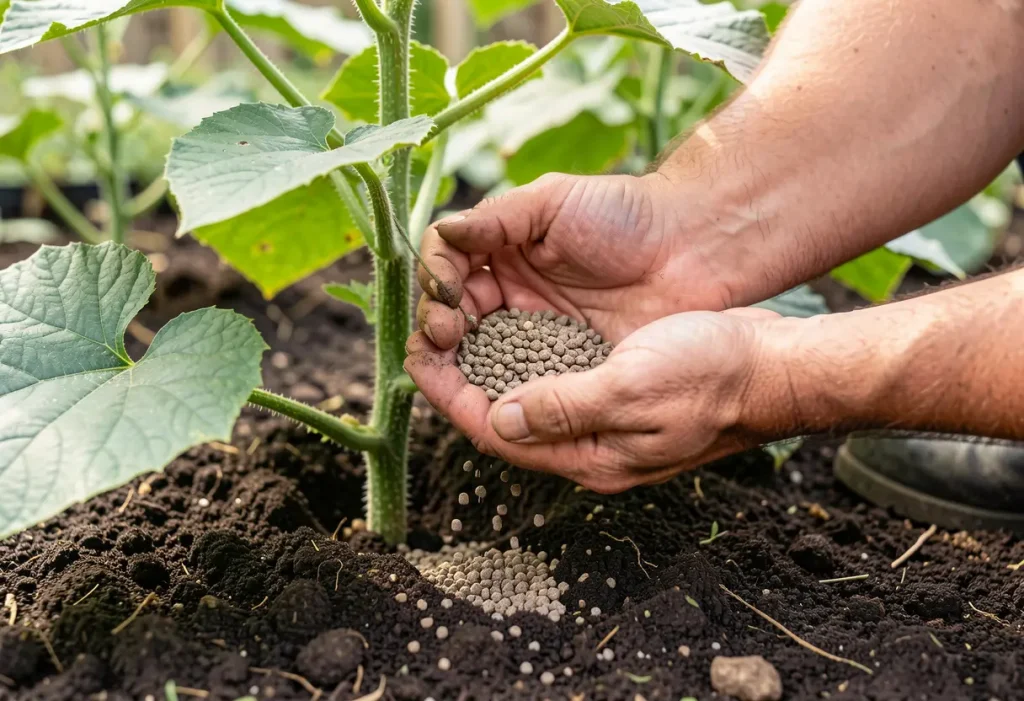
Nitrogen is a vital nutrient for cucumber plants. It supports many growth processes and helps plants develop strong leaves and stems.
Without enough nitrogen, cucumbers grow slowly and produce fewer fruits. Proper nitrogen levels improve plant health and yield.
Leaves need nitrogen to make chlorophyll. Chlorophyll captures sunlight for photosynthesis, the plant’s food-making process.
Healthy leaves with enough nitrogen look green and vibrant. This boosts energy production for growth and fruit development.
Nitrogen helps build strong stems that hold the plant upright. It also supports root growth to absorb water and nutrients.
Strong roots and stems improve the plant’s ability to survive stress and grow better overall.
Adequate nitrogen encourages more flowers to form. More flowers mean more chances for cucumber fruits to grow.
Balanced nitrogen helps fruits develop size and quality. Too little or too much nitrogen can reduce fruit yield.
Nitrogen is essential for growing healthy cucumbers. Different types of nitrogen fertilizers help supply this nutrient. Choosing the right type can improve plant growth and fruit quality.
There are two main categories of nitrogen fertilizers. These are organic and inorganic sources. Each type works in a unique way to feed cucumber plants.
Organic nitrogen fertilizers come from natural materials. Compost, manure, and blood meal are common examples. They release nitrogen slowly into the soil.
This slow release helps plants get steady nutrition. Organic fertilizers also improve soil health and moisture. They support beneficial microbes that help cucumber roots grow strong.
Using organic nitrogen is good for long-term soil fertility. It reduces the risk of burning plants. Organic sources are safe for the environment and often cheaper.
Inorganic nitrogen fertilizers are made through chemical processes. Common types include urea, ammonium nitrate, and ammonium sulfate. These provide nitrogen quickly to plants.
Fast-acting nitrogen helps cucumbers grow rapidly during key stages. These fertilizers are easy to measure and apply. They can be mixed with water for foliar feeding or soil application.
Inorganic fertilizers offer precise control over nitrogen levels. But they may wash away if overused. Proper use ensures healthy cucumber growth and high yields.
Cucumbers need the right amount of nitrogen to grow well and produce many fruits. Nitrogen helps plants grow leaves and stems. Too little nitrogen makes plants weak and small. Too much nitrogen causes too many leaves but fewer cucumbers. Finding the right balance is important for a healthy cucumber crop.
Knowing how much nitrogen to apply can improve cucumber yield and quality. It also keeps the soil healthy for future plants.
Cucumbers usually need 90 to 150 pounds of nitrogen per acre. This amount supports strong plant growth and good fruit development. Farmers often split nitrogen into two or three applications during the growing season. Early nitrogen helps the plant start growing. Later nitrogen supports fruit production.
Yellow leaves at the bottom of the plant show nitrogen shortage. Plants may grow slowly and have thin stems. Fruit size and number may drop. Early detection can help fix the problem by adding more nitrogen fertilizer.
Too much nitrogen causes dark green leaves but weak fruits. Plants focus on leaves and vines instead of cucumbers. This can delay fruit ripening and reduce harvest quality. Excess nitrogen can also harm the environment by running off into water sources.
Use soil tests to know current nitrogen levels. Apply nitrogen in small doses during key growth stages. Avoid applying all nitrogen at once. Water the plants after fertilizing to help nitrogen reach roots. Monitor plant health and adjust nitrogen as needed.
Applying nitrogen fertilizer correctly is key to growing healthy cucumbers. Proper methods help plants absorb nutrients better. This leads to stronger growth and higher yields. Choosing the right application technique depends on soil type, weather, and plant needs.
Soil application delivers nitrogen directly to the roots. It can be done by broadcasting, banding, or side-dressing.
Broadcasting spreads fertilizer evenly over the soil surface. This method works well before planting. Lightly mix it into the topsoil to reduce nitrogen loss.
Banding places fertilizer in narrow lines near the seed or plants. It provides nitrogen close to roots for quick uptake. Avoid direct contact with seeds to prevent damage.
Side-dressing adds fertilizer beside growing plants. Apply it during the growing season to boost nitrogen levels. This method supports fruit development and leaf growth.
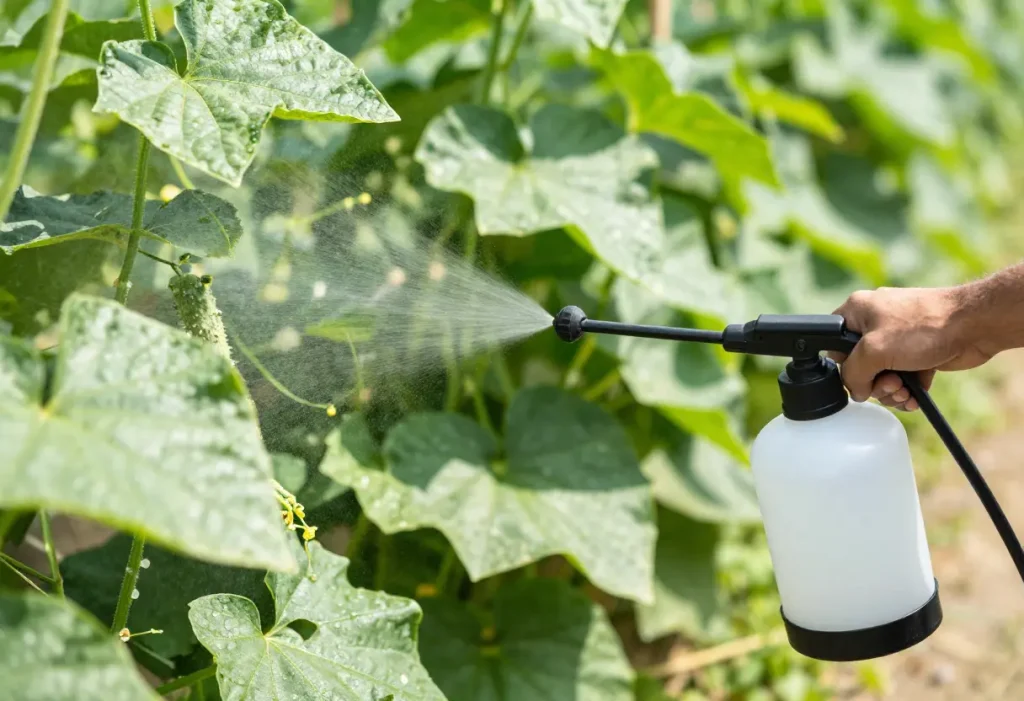
Foliar feeding means spraying liquid fertilizer on cucumber leaves. It allows plants to absorb nitrogen fast through leaf pores.
Use foliar feeding to correct nitrogen deficiency quickly. Apply in the early morning or late afternoon to avoid leaf burn. Dilute fertilizer properly to protect leaves.
This method is best for small plants or when soil uptake is slow. Repeat applications every 7 to 10 days improve effectiveness. Foliar feeding complements soil application for balanced nutrition.
Timing nitrogen fertilizer applications is key for healthy cucumber growth. Nitrogen supports leaf and stem development, but too much at the wrong time can harm plants. Applying nitrogen at the right stage helps cucumbers produce more fruits and grow strong.
Early growth needs nitrogen for leaves to grow fast. Later, cucumbers need less nitrogen and more focus on fruit development. Knowing the best times to feed nitrogen can boost your harvest and keep plants healthy.
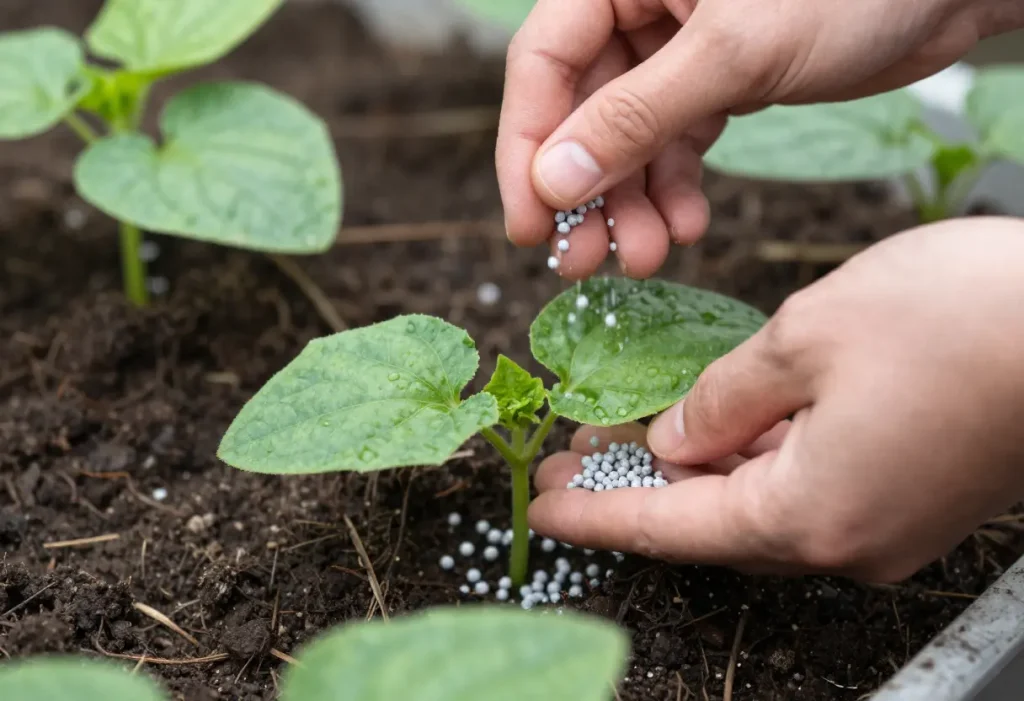
Seedlings need a small amount of nitrogen to start growing leaves. Use a light dose to avoid burning young roots. This early feeding helps plants build a strong base for growth.
During the vegetative stage, cucumbers need more nitrogen. Apply fertilizer regularly to support leaf and vine growth. Healthy leaves capture sunlight well and make food for the plant.
As flowers appear, cut back on nitrogen. High nitrogen now can cause too many leaves and fewer fruits. Lower nitrogen encourages flowers to develop into cucumbers.
In the fruiting stage, use minimal nitrogen. Focus on balanced nutrients to improve fruit size and quality. Excess nitrogen late in growth can delay fruit ripening.
Nitrogen plays a key role in the growth of cucumber plants. It helps leaves grow green and healthy. But too little or too much nitrogen can cause problems. Knowing the signs of nitrogen deficiency and excess helps gardeners keep cucumbers healthy.
Watch the leaves and stems closely. Changes in color or shape often point to nitrogen issues. Early detection can save the crop from damage. Check your cucumbers regularly for these common signs.
Leaves turn pale green or yellow, especially older ones. Growth slows down and plants look weak. Leaves may curl or drop off early. Stems become thin and fragile. Fruits may be small or misshapen. Deficiency limits photosynthesis and reduces yield.
Leaves grow very dark green and thick. Plants produce more leaves but fewer flowers. Stems become woody or tough. Fruits may not develop fully or taste bitter. Too much nitrogen causes poor fruit quality. It also attracts pests and diseases.
Nitrogen is vital for cucumber growth. It helps leaves grow big and green. But too much nitrogen can cause problems. It can make plants grow leaves but fewer fruits. Balancing nitrogen with other nutrients keeps cucumbers healthy.
Other nutrients work with nitrogen to support the plant. They help roots, flowers, and fruits develop well. Nutrient balance improves cucumber yield and quality.
Nitrogen builds proteins and chlorophyll in cucumber plants. It fuels leaf growth and photosynthesis. But excess nitrogen causes weak stems and less fruit. Balanced nitrogen avoids these issues.
Phosphorus supports root growth and flower development. It helps the plant use nitrogen better. Without enough phosphorus, cucumber plants grow poorly. Balanced phosphorus and nitrogen boost fruit production.
Potassium strengthens plant cells and improves water use. It protects cucumbers from diseases and stress. Potassium works with nitrogen for strong stems and tasty fruits. Balanced potassium and nitrogen make healthy plants.
Yellow leaves may mean too much nitrogen. Poor fruit growth can show lack of phosphorus or potassium. Watch plants closely. Adjust fertilizer to keep nutrients balanced.
Use fertilizers with nitrogen, phosphorus, and potassium. Follow recommended doses on the package. Test soil to know nutrient levels. Adjust fertilizer based on plant needs.
Nitrogen fertilizer plays a big role in growing healthy cucumbers. It helps plants grow strong and produce more fruit. But using nitrogen fertilizer can also affect the environment. It is important to understand these effects and use fertilizer safely. This helps protect the soil, water, and air around cucumber farms.
Using nitrogen fertilizer carefully reduces harm to nature. It also keeps farmers and workers safe. Learning about the environmental impact and safety tips can guide better farming choices.
Nitrogen fertilizer can cause pollution if used too much. Excess nitrogen can wash into rivers and lakes. This leads to algae growth that harms fish and water quality. Nitrogen can also turn into gases that pollute the air. These gases contribute to climate change and smog.
Soil health may decline with high nitrogen use. It can reduce important soil organisms and nutrients. Balanced nitrogen use supports healthy soil and plants.
Wear gloves and a mask when handling nitrogen fertilizer. Avoid breathing dust or fumes. Store fertilizer in a dry, cool place away from children and pets. Apply fertilizer in small, even amounts to avoid waste.
Water plants after applying fertilizer to help absorption. Do not apply before heavy rain to prevent runoff. Follow product instructions for best results and safety.
Use buffer zones near streams and ponds to catch runoff. Test soil regularly to apply only the needed nitrogen. Crop rotation and organic matter help keep soil healthy. These practices reduce fertilizer use and protect water sources.
Maximizing cucumber yield requires careful attention to several key factors. Nitrogen fertilizer plays a big role in helping plants grow strong and produce more fruit. Using the right amount of nitrogen can make cucumbers healthier and more productive.
Other important tips include soil preparation, watering, and pest control. Each step helps cucumbers grow better and increases the harvest size. Follow these simple tips to get the best results from your cucumber plants.
Test your soil before planting cucumbers. Check for nitrogen levels and pH balance. Cucumbers prefer slightly acidic soil, around pH 6.0 to 6.8. Adjust soil nutrients based on test results. Adding compost improves soil texture and fertility. Well-prepared soil helps plants absorb nutrients easily.
Apply nitrogen fertilizer in small, regular doses. Too much nitrogen causes more leaves, fewer fruits. Use a balanced fertilizer with nitrogen, phosphorus, and potassium. Apply nitrogen early in growth for strong vines. Reduce nitrogen as flowers appear to encourage fruiting.
Water cucumbers evenly and deeply. Dry soil stresses plants and lowers yield. Avoid water on leaves to prevent disease. Use drip irrigation or soaker hoses for best results. Keep soil moist but not waterlogged. Consistent moisture supports fruit development.
Apply mulch around cucumber plants. Mulch keeps soil moist and cool. It also reduces weed growth. Use straw, grass clippings, or black plastic mulch. Mulching saves water and protects roots. Healthy roots lead to more fruit production.
Check plants regularly for pests like aphids and cucumber beetles. Remove pests by hand or use organic sprays. Watch for signs of powdery mildew or downy mildew. Remove affected leaves quickly to stop spread. Healthy plants resist diseases better and yield more.
Cucumbers grow well with balanced nitrogen fertilizers like ammonium nitrate. These provide steady nitrogen without harming the plants. Use fertilizers with a moderate nitrogen content for healthy growth.
Apply nitrogen fertilizer every 2 to 3 weeks during the growing season. This keeps the plants healthy and supports steady leaf and fruit growth. Avoid over-fertilizing to prevent leaf burn.
Yes, too much nitrogen causes excessive leaf growth and fewer fruits. It can also make plants weak and prone to diseases. Use the right amount to balance leaf and fruit development.
Apply nitrogen fertilizer early in the morning or late afternoon to avoid sun damage. Start feeding after the plants have sprouted and continue through fruiting. Timing helps plants absorb nutrients better.
Organic fertilizers like compost and manure provide nitrogen slowly and improve soil health. They support steady cucumber growth without the risk of overfeeding. Organic options are safe and eco-friendly.
Nitrogen fertilizer helps cucumbers grow strong and healthy. It supports leaf growth and improves fruit size. Use the right amount to avoid harming plants. Too much nitrogen can cause lots of leaves but few fruits. Apply fertilizer at the right times for best results.
Healthy soil also boosts cucumber growth. Keep checking plants to see how they respond. Good care leads to a better cucumber harvest. Simple steps make a big difference in your garden.