Gardening Made Simple.

Are you growing radishes and wondering When to Harvest Radish for the best results? Picking your radishes too early or too late can affect their flavor and crunch, but knowing When to Harvest Radish ensures a crisp, tasty, and perfectly timed harvest.
Knowing exactly when to pull them from the soil will help you enjoy the freshest, tastiest radishes possible. You’ll discover simple signs to watch for and practical tips to make sure your radishes are ready to eat at just the right moment.
Keep reading to unlock the secret to harvesting radishes like a pro!
Radish growth happens in clear stages. Each stage shows important changes. Knowing these stages helps you pick the right time to harvest. Watch your radish plants closely. This way, you get the best taste and texture from your crop.
Radish seeds sprout quickly. Germination starts within 3 to 7 days after planting. The soil must stay moist and warm. Seedlings break through the soil surface. At this point, tiny white roots begin to grow. Germination is the first sign that your radish is coming to life.
Leaves grow soon after germination. First, small leaves called cotyledons appear. Then true leaves form, which look like typical radish leaves. Leaf growth helps the plant capture sunlight. This stage usually lasts 1 to 2 weeks. Healthy leaves mean the plant is strong and ready to develop roots.
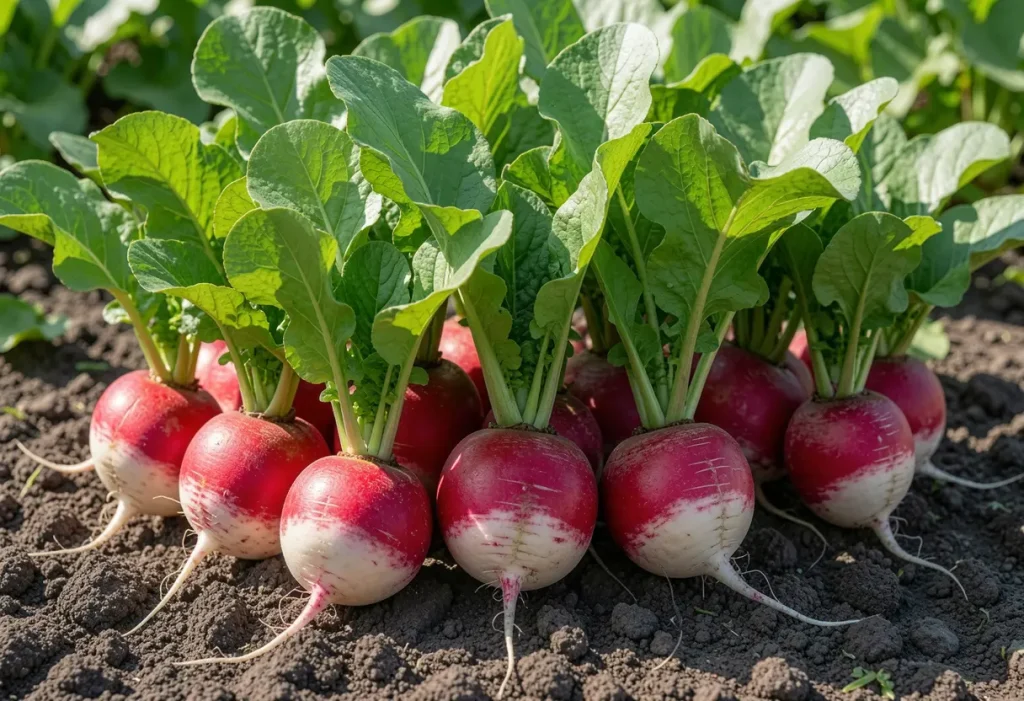
Roots start to thicken after leaves grow. The radish root is the edible part. It grows under the soil and swells with water and nutrients. Root development takes about 3 to 4 weeks. Watch for round or elongated shapes depending on the radish type. When roots are firm and well-sized, it is time to harvest.
Knowing when radishes are ready to harvest ensures the best taste and texture. Radishes grow fast, so checking their signs often helps. Watch for clear signals in size, color, and feel to pick them at the right time.
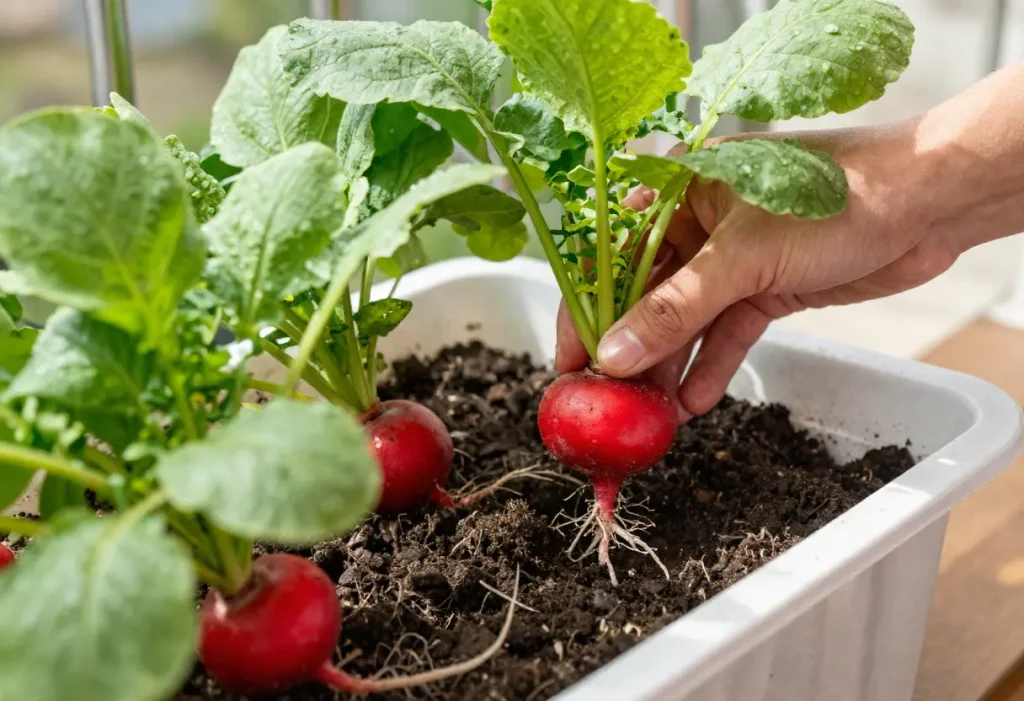
Radishes reach harvest size quickly, usually in 3 to 4 weeks. Most radishes are ready when they are about 1 inch wide. Round radishes should look full and firm. Long radishes should be thick without cracking or splitting.
Radishes often change color as they mature. Their skin becomes bright and vibrant. For example, red radishes turn deep red or pink. White radishes stay pale but look fresh and clear. Avoid dull or faded colors, which mean they may be old.
Gently squeeze the radish to check firmness. A ready radish feels hard and solid, not soft. Soft radishes may be overripe or starting to rot. Firmness also means the inside is crisp and crunchy for eating.
Harvest time for radishes varies by their type. Each radish variety grows on a different schedule. Knowing the right time to pick them helps avoid tough or bitter roots. Watch the radish size and days to maturity for best results.
Spring radishes grow quickly, often ready in 20 to 30 days. They stay small and tender. These radishes have a mild flavor and crisp texture. Pick them early before they get woody or pithy. Common types include Cherry Belle and French Breakfast.
Winter radishes take longer to mature, usually 50 to 70 days. They grow larger and have a stronger taste. These radishes can handle cold weather well. Harvest before the ground freezes for the best flavor. Daikon and Black Spanish are popular winter types.
Specialty radishes vary greatly in size and harvest time. Some may take 30 days, others up to 60 days. Their colors and shapes differ too. Check the seed packet for exact timing. Examples include watermelon and Easter egg radishes.
Harvesting radishes needs care to keep roots fresh and crunchy. Proper techniques help avoid bruises and damage. These methods ensure the radishes last longer after picking. Focus on using the right tools, gentle pulling, and careful handling.
Use a garden fork or trowel to loosen soil. This makes pulling radishes easier. Avoid sharp tools that can cut or bruise roots. Gloves protect hands and improve grip. Choose tools that fit your hands well.
Hold the radish leaves near the base. Pull slowly and steadily to remove the root. Do not yank or twist hard. If the root feels stuck, loosen soil first. Gentle pulling keeps radishes intact and fresh.
Handle radishes carefully to prevent cuts or bruises. Avoid dropping them on hard surfaces. Place harvested radishes in a soft container. Store in a cool, moist place soon after picking. Proper handling keeps radishes crisp and tasty.
Weather plays a big role in deciding the best time to harvest radishes. It affects the radish’s size, taste, and texture. Understanding weather effects helps pick radishes at their peak.
Radishes grow best in cool weather. High temperatures can make radishes grow too fast. This causes a bitter taste and poor texture. Cold weather slows growth but keeps radishes crunchy and sweet.
Rain helps keep soil moist, which radishes need to grow well. Too much rain makes the soil soggy. This can cause radishes to crack or rot. Dry soil makes radishes tough and small. Balanced moisture is key for good radishes.
Light frost can improve radish flavor by making them sweeter. Hard frost can damage radishes and stop growth. Harvest radishes before heavy frost hits. This keeps them fresh and tasty for longer.
Handling radishes after harvesting is very important. Proper care keeps them fresh and tasty. It also helps reduce waste. Knowing how to clean, store, and use radishes helps you enjoy them longer.
Rinse radishes with cool water to remove dirt. Do not soak them for too long. Gently pat dry with a clean cloth or paper towel. Cut off the green tops to keep radishes fresh. Store radishes in a plastic bag with holes. Place the bag in the refrigerator's crisper drawer. This keeps radishes crisp and firm for up to two weeks.
Wrap radishes in a damp paper towel before placing in a bag. The moisture helps keep them from drying out. Change the paper towel every few days. Avoid storing radishes near fruits like apples or bananas. These fruits release gases that make radishes spoil faster. Keep radishes away from strong-smelling foods to prevent flavor loss.
Use extra radishes in salads, soups, or stir-fries. Pickle sliced radishes for a tangy snack. Roast radishes to bring out a sweet flavor. You can also blend radish greens into pesto or smoothies. Using all parts of the radish reduces waste and adds variety to meals.
Harvesting radishes at the right time is key to a tasty crop. Many gardeners make common mistakes that affect flavor and texture. Knowing what to avoid helps you enjoy fresh, crunchy radishes every time.
Radishes picked too soon are small and lack flavor. They can taste bitter or spicy. Wait until the radish root reaches the right size. Check the seed packet for days to maturity. Pull one radish to test before harvesting the whole bed.
Leaving radishes in the ground too long makes them woody. They become tough and lose their crispness. Radishes may also crack or split if left too long. Harvest them as soon as they reach full size. Don’t wait for them to grow bigger.
Soil quality affects radish growth and taste. Hard or dry soil can stunt root development. Radishes need loose, moist soil to grow well. Check soil often and water when dry. Poor soil makes radishes small and misshapen. Prepare the soil well before planting for best results.
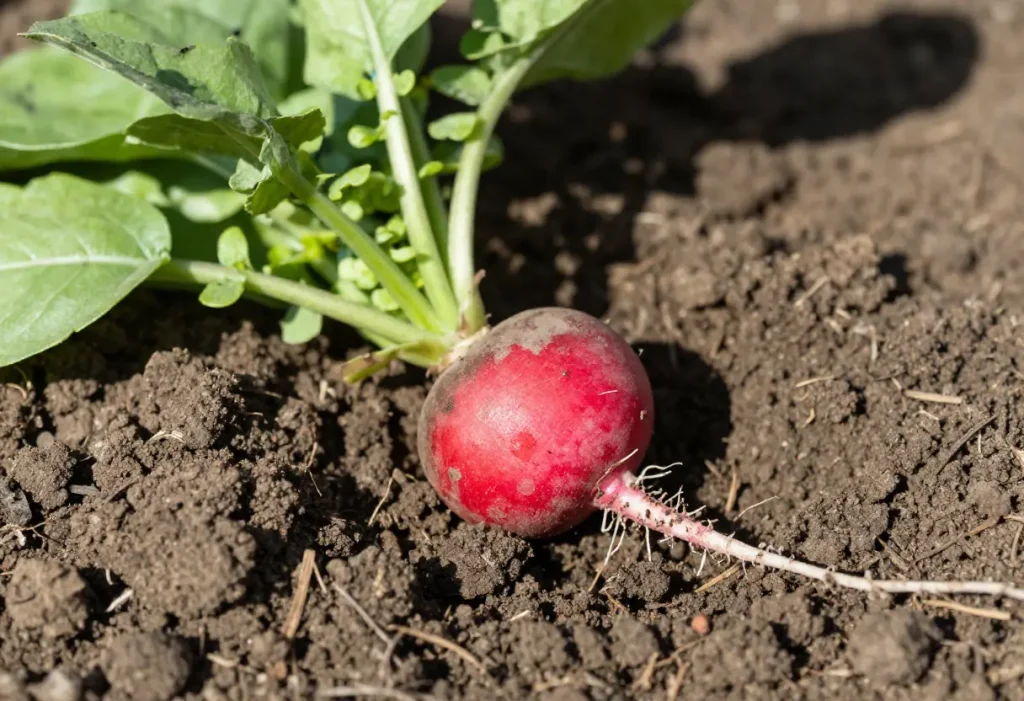
Radishes are ready when their roots are about 1 inch wide. Check the size by gently brushing soil away from the top. Harvest before they grow too big and become tough.
Most radishes mature in 3 to 4 weeks after planting. Fast-growing varieties can be ready even sooner. Keep an eye on their size to pick the best time.
Yes, radishes left too long become woody and bitter. Harvest them as soon as they reach the right size. Don’t wait for the leaves to yellow or die.
Overripe radishes feel hard and taste bitter. Their skin may crack or split. If this happens, they are past their prime for eating.
Harvesting radishes in the morning keeps them crisp and fresh. Cooler temperatures help preserve their flavor. Avoid picking them during hot midday hours.
Harvest radishes once they reach the right size. Watch for firm, round roots above the soil. Pick them early for the best taste and crunch. Don’t wait too long, or they become tough. Regular checking helps catch the perfect time to harvest.
Fresh radishes add crisp flavor to your meals. Growing and harvesting radishes is simple and rewarding. Enjoy the fresh taste of your own garden’s produce.