Gardening Made Simple.

Are you ready to add a splash of color and nutrition to your garden? Growing Swiss chard from seed is easier than you think, and it can transform your meals with fresh, vibrant greens.
Imagine picking your own crisp, tender leaves right outside your door. Whether you’re a beginner or an experienced gardener, this guide will help you grow Swiss chard successfully. Keep reading to discover simple steps that will turn your seeds into a bountiful harvest you’ll be proud of.
Your garden—and your kitchen—will thank you!
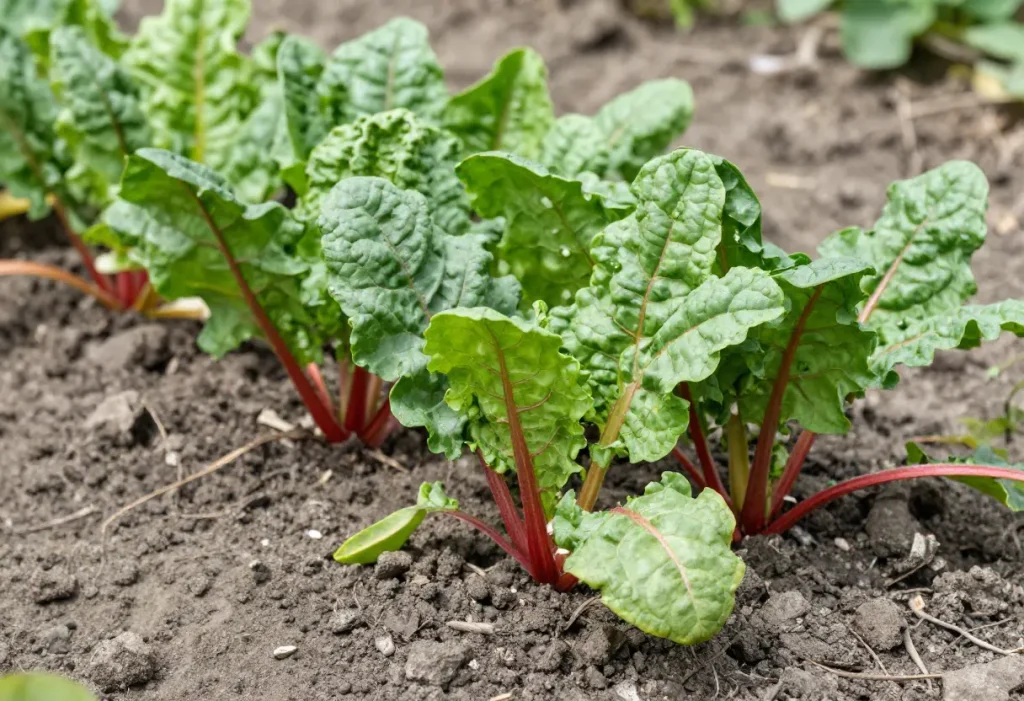
Choosing the right Swiss chard seeds is the first step to a healthy garden. Good seeds grow strong plants with tasty leaves. Picking the best seeds means better growth and a bigger harvest.
Not all seeds are the same. Some varieties do well in hot weather. Others handle cold better. Knowing what fits your garden helps you succeed.
Swiss chard comes in many colors and types. Bright red, yellow, and white stems add beauty to your garden. Rainbow chard mixes these colors in one seed pack. Fordhook Giant grows large leaves fast. Bright Lights has colorful stems and is easy to grow. Choose a variety that suits your taste and garden space.
High-quality seeds sprout more often and grow strong plants. Buy seeds from trusted stores or online shops. Check the package date to ensure freshness. Old seeds may not grow well. Organic seeds avoid chemicals, which some gardeners prefer. Always store seeds in a cool, dry place until planting.
Preparing soil for planting Swiss chard seeds is an important step. Healthy soil helps seeds grow strong and produce tasty leaves. Taking time to prepare the soil improves water drainage and root growth. It also supports the plant by giving needed nutrients.
Swiss chard grows best in loose, well-drained soil. The soil should hold moisture but not stay soggy. Sandy loam or loamy soil works well. Check the soil pH. Swiss chard prefers a pH between 6.0 and 7.0. This range helps the plant absorb nutrients properly. You can test soil pH with a simple kit.
Adding compost enriches the soil with natural nutrients. Use well-rotted compost or aged manure. Spread a 2 to 3-inch layer over the soil surface. Mix it into the top 6 to 8 inches of soil. Compost improves soil texture and fertility. It feeds the plants and supports beneficial microbes. Avoid fresh manure as it may harm young seedlings.
Planting Swiss chard seeds is the first step to growing this vibrant, nutritious vegetable. It requires attention to timing and proper planting methods. Getting these right helps your plants grow strong and healthy.
Swiss chard grows best when seeds are sown correctly. This means planting at the right time and spacing seeds well. Let’s explore how to do this for a successful harvest.
Sow Swiss chard seeds in early spring or late summer. The soil should be cool but not frozen. Ideal soil temperature is around 50°F to 85°F. This helps seeds germinate quickly. Avoid planting in very hot weather. Swiss chard grows well in cooler seasons.
Plant seeds about ½ inch deep in loose soil. This depth keeps seeds moist and warm. Space seeds 2 to 4 inches apart. Thin seedlings to 6 to 12 inches apart later. Proper spacing gives leaves room to grow wide. Crowded plants may become weak or sick.
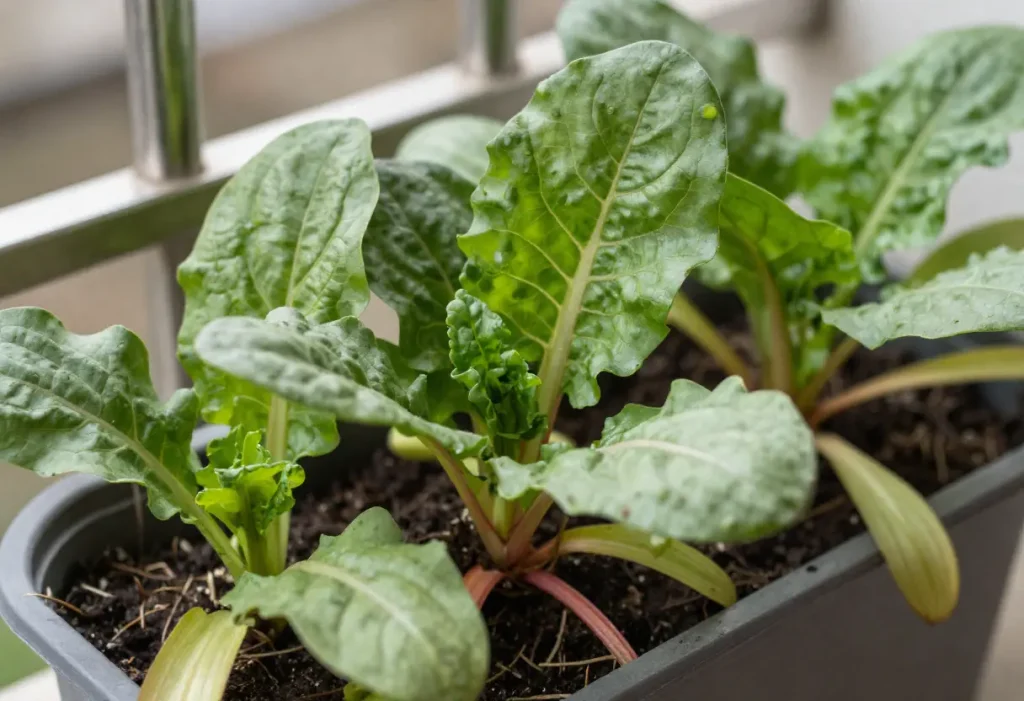
Growing Swiss chard from seed needs careful watering and care. This helps the plants stay healthy and produce big, tender leaves. Water and soil care are key to strong growth and a tasty harvest.
Swiss chard likes soil that is always moist but not soggy. Water the plants deeply about twice a week. Increase watering during hot, dry days. Reduce watering after rain or if the soil stays wet. Check soil moisture by touching it. Dry soil means time to water again.
Mulch helps keep soil moist and cool around Swiss chard. Spread a 2-3 inch layer of organic mulch like straw or shredded leaves. Mulch stops weeds from growing and stealing water. It also protects the roots from heat and helps soil stay soft. Mulching saves time and keeps plants happy.
Growing Swiss chard from seed is rewarding, but pests and diseases can harm your plants. Managing these problems early keeps your chard healthy and productive. Watch your plants often for signs of trouble. Catching pests or diseases early makes control easier. Healthy plants resist pests better, so good care helps prevent problems.
Swiss chard attracts several pests. Leaf miners are small insects that tunnel inside leaves. They leave white trails and damage the leaf tissue. Aphids cluster on new growth and suck plant juices. These tiny bugs cause leaves to curl and stunt growth. Flea beetles create small holes in leaves, making them look ragged. Slugs and snails feed at night, leaving slimy trails and holes. These pests can reduce your harvest if not controlled.
Use natural methods to protect your Swiss chard. Handpick slugs and snails early in the morning or evening. Spray leaves with a strong water jet to remove aphids. Introduce beneficial insects like ladybugs that eat aphids. Apply neem oil or insecticidal soap to control pests safely. Keep your garden clean by removing plant debris that hides pests. Rotate crops yearly to reduce disease buildup in soil. Water plants early in the day to keep leaves dry. Dry leaves discourage fungal diseases and keep plants strong.
Harvesting Swiss chard is a rewarding part of growing this leafy green. Knowing the right time and method to pick leaves helps the plant stay healthy. It also ensures you get fresh, tasty greens for your meals. Proper harvesting encourages the plant to keep growing for a longer time.
Pick Swiss chard leaves when they are young and tender. Leaves about 6 to 8 inches long taste best. Older leaves can become tough and bitter. Harvest in the morning for the freshest flavor. Avoid cutting too close to the base to protect the plant.
Use the “cut-and-come-again” method to keep Swiss chard growing. Cut outer leaves first, leaving the inner ones to grow. This lets the plant produce new leaves quickly. Never remove more than one-third of the plant at once. Water and feed regularly to support new growth.
Swiss chard is a versatile and nutritious vegetable. Growing it from seed is rewarding, but knowing how to store and use it keeps it fresh and tasty. Proper storage helps maintain its vibrant color and crisp texture. Using Swiss chard in meals brings a boost of vitamins and minerals to your diet.
Store Swiss chard in the refrigerator to keep it fresh. Wrap the leaves in a damp paper towel to maintain moisture. Place the wrapped chard in a plastic bag or container. Avoid washing before storing, as excess water causes rotting. Use the leaves within five days for the best taste and texture.
Swiss chard works well in many dishes. Sauté it with garlic and olive oil for a simple side. Add chopped leaves to soups or stews for extra nutrition. Use Swiss chard in salads with lemon juice and nuts. Try it in pasta or rice dishes for color and flavor. Swiss chard’s mild taste blends well with many ingredients.
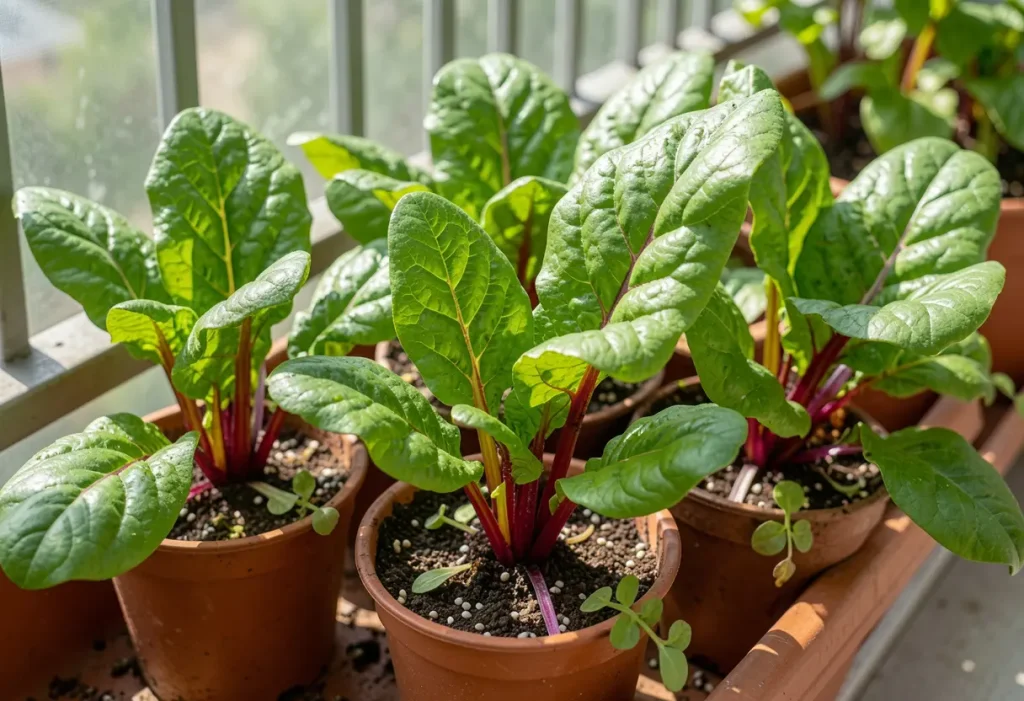
Swiss chard seeds usually sprout in 5 to 10 days. It takes about 50 to 60 days to reach harvest size. Growth depends on soil and weather conditions.
Swiss chard grows best in well-drained, rich soil with lots of organic matter. Soil pH should be between 6. 0 and 7. 0. Loose soil helps roots grow strong and healthy.
Water Swiss chard seedlings regularly to keep the soil moist but not soggy. Usually, watering 2 to 3 times a week works well. Avoid letting soil dry out completely.
Swiss chard can grow in partial shade but prefers full sun for best growth. It tolerates some shade during hot weather. Less sun may slow leaf production.
Thin seedlings when they are 2 to 3 inches tall. Space plants about 6 to 12 inches apart to allow room to grow. Thinning helps plants get enough air and nutrients.
Growing Swiss chard from seed is simple and rewarding. Plant seeds in good soil with sunlight. Water regularly but do not soak the soil. Watch for seedlings to sprout in a week or two. Thin the plants so they have space to grow.
Harvest leaves when they are young and tender. Swiss chard adds color and nutrition to your meals. Enjoy fresh greens from your own garden all season. Keep caring for your plants, and they will keep giving. Gardening brings joy and healthy food together.
Try Swiss chard seeds for a fresh garden start.