Gardening Made Simple.

Are you ready to add a fresh, peppery twist to your meals? Growing arugula in your own garden is easier than you think, and the rewards are delicious. Learning How to Grow Arugula the right way ensures healthy, flavorful leaves and a continuous harvest throughout the season.
Imagine picking crisp, vibrant leaves right from your backyard whenever you want. In this guide, you’ll discover simple steps to grow healthy arugula that will boost your salads, sandwiches, and more. Keep reading to unlock the secrets to a thriving arugula patch that will impress your family and friends.
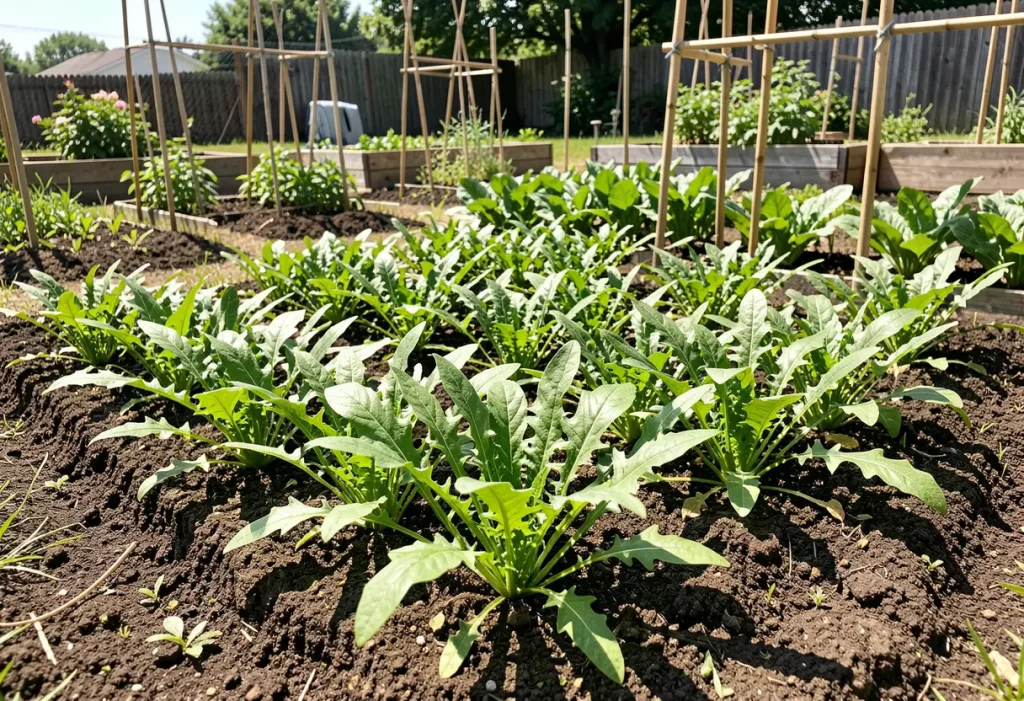
Choosing the right arugula variety is important for a successful garden. Different types have unique flavors, sizes, and growing needs. Picking the right one helps you enjoy fresh, tasty leaves all season.
Some varieties grow faster, while others handle heat better. Taste can range from mild to spicy. Understanding these differences makes planting easier and more rewarding.
Rocket arugula is the most common type. It has large leaves and a strong peppery taste. This variety grows quickly and works well in salads.
Wild arugula has smaller, curly leaves. Its flavor is sharper and more intense. It grows well in cooler weather and adds bold taste to dishes.
Baby arugula has tender, small leaves. It tastes milder than other types. Ideal for fresh eating and garnishes.
‘Astro’ is a popular choice for beginners. It grows fast and resists disease. The leaves have a mild, pleasant flavor.
‘Sylvetta’ is another easy variety. It produces dark green leaves and tolerates heat well. Great for gardeners new to arugula.
‘Roquette’ is simple to grow and has classic spicy flavor. It adapts well to different soils and climates.
Preparing the soil is the first step to growing healthy arugula. Good soil helps arugula plants grow strong and taste fresh. Take time to get the soil ready for planting. This makes a big difference in the garden.
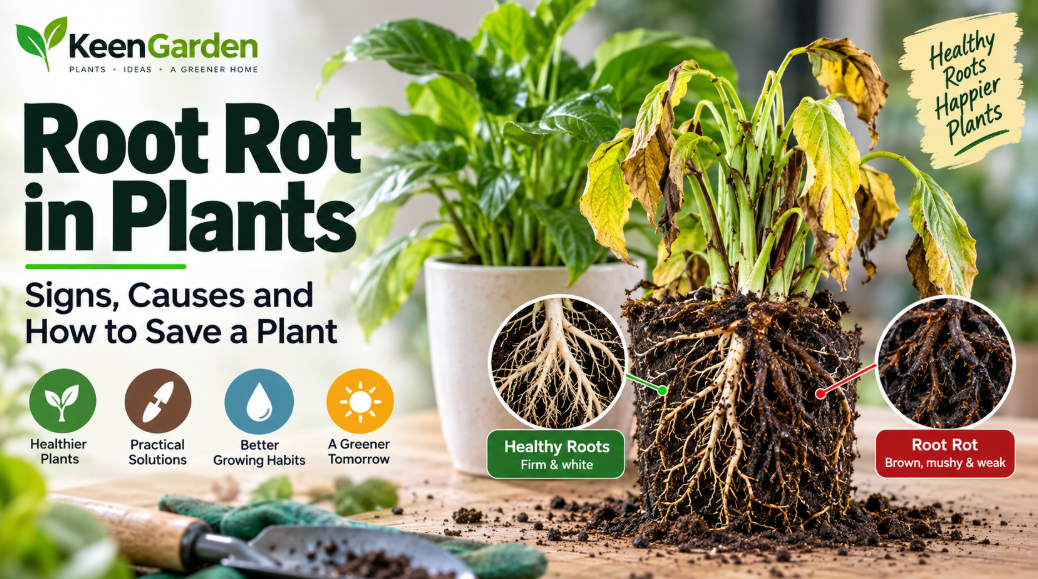
Arugula grows best in loose, well-drained soil. The soil should hold some moisture but not stay soggy. A slightly sandy or loamy soil works well. The pH level should be between 6.0 and 7.0. This range helps the plant absorb nutrients easily. Avoid heavy clay soils that hold too much water. They can cause root rot and slow growth.
Adding organic matter improves soil quality. Compost or well-rotted manure adds nutrients and helps soil drain better. Mix these amendments into the top 6 inches of soil. Use a balanced fertilizer with equal nitrogen, phosphorus, and potassium. This supports leafy growth and strong roots. Apply fertilizer before planting and again halfway through growth. Too much fertilizer can burn young plants, so follow package instructions carefully.
Planting arugula is simple and quick. It grows best in cool weather and needs little space. You can plant it in your garden or containers. Arugula seeds germinate fast and produce tender leaves in just a few weeks.
Choose a sunny spot with well-drained soil. Scatter arugula seeds evenly over the soil. Cover seeds lightly with about ¼ inch of soil. Water gently but thoroughly after planting. Keep the soil moist until seeds sprout. Thin seedlings to 4-6 inches apart once they grow. This spacing helps leaves grow big and healthy.
Fill seed trays or small pots with seed-starting mix. Plant seeds about ¼ inch deep in the soil. Water the soil until it is damp but not soaked. Place the trays in a warm spot with indirect sunlight. Keep soil moist by misting daily. Transplant seedlings outside when they have 2-3 true leaves. Harden off seedlings by exposing them to outdoor conditions for a week first.
Watering and care are key to growing healthy arugula. This leafy green needs consistent moisture to stay tender and flavorful. Too little water makes leaves bitter and tough. Too much water causes root problems and weak growth. Knowing how to water and care for arugula helps it thrive.
Water arugula regularly. Keep the soil moist but not soggy. Check soil daily in hot weather. Water deeply once or twice a week. Avoid shallow watering to encourage strong roots. Morning watering is best. It reduces disease risks by drying leaves fast.
Mulch around arugula plants to keep soil moist longer. Organic mulches like straw or leaves work well. Mulch also controls weeds that steal water and nutrients. It helps keep soil temperature steady. Mulching reduces the need for frequent watering. This saves time and supports healthy growth.
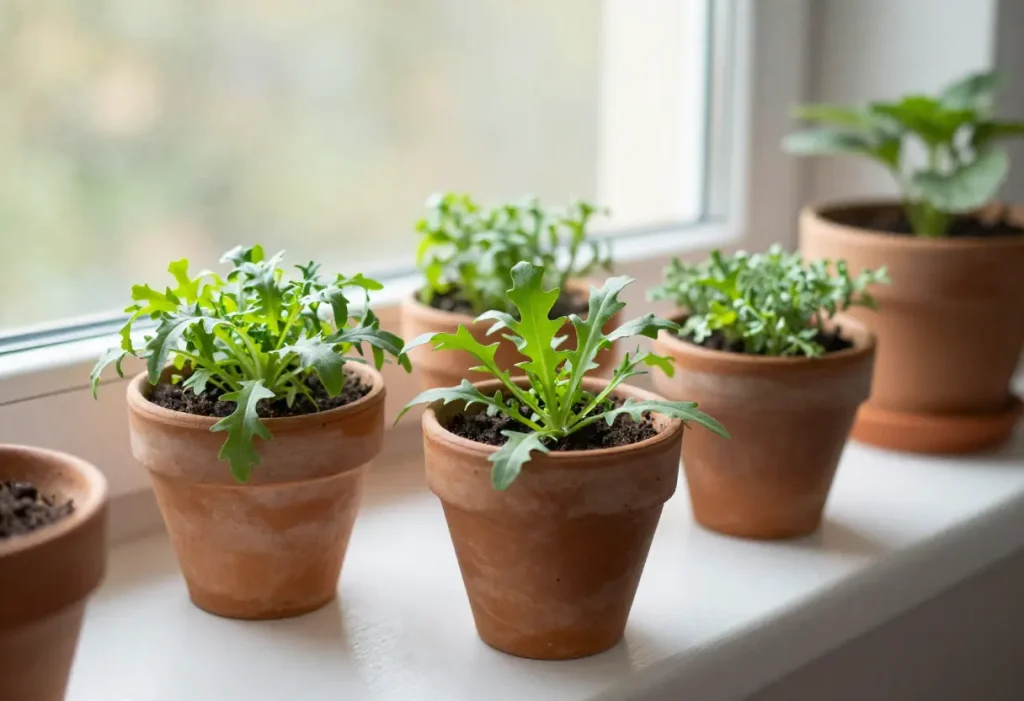
Sunlight and temperature are key for growing healthy arugula. This leafy green thrives best when given the right light and warmth. Understanding these needs helps you grow crisp, flavorful leaves.
Arugula grows well in full sun. It needs at least 4 to 6 hours of direct sunlight daily. Too little light makes the leaves weak and bitter. Some afternoon shade can help in very hot areas. Bright light keeps the leaves fresh and tender.
Arugula prefers cool weather. Ideal temperatures range from 45°F to 65°F (7°C to 18°C). It grows fast in cool air and slows down in heat. High heat can cause leaves to turn bitter and bolt early. Frost can damage young plants, so protect them if cold weather comes.
Managing pests and diseases is key to growing healthy arugula. Pests can damage leaves and slow growth. Diseases can spread quickly and ruin your crop. Early detection helps keep problems small. Regular checks on plants catch issues early. Clean tools and good garden hygiene reduce risks. Choose resistant varieties to lower chances of disease.
Aphids often cluster on new leaves and stems. They suck plant juices, causing leaves to curl. Flea beetles make small holes in leaves. These pests can stunt your arugula’s growth. Slugs and snails leave slimy trails and holes. Caterpillars chew large leaf sections. Watch for whiteflies that fly up when disturbed. Identifying pests early helps control them fast.
Hand-pick pests like slugs and caterpillars. Spray plants with a strong water jet to remove aphids. Use neem oil or insecticidal soap for safe pest control. Attract beneficial insects, like ladybugs and lacewings. These insects eat harmful pests naturally. Plant herbs like basil or mint nearby to repel pests. Keep your garden clean and free of weeds. Crop rotation helps break pest life cycles. These simple methods protect arugula without chemicals.
Harvesting arugula at the right time and with the right methods makes a big difference. Freshly picked leaves taste better and keep their peppery flavor longer. Knowing when and how to harvest helps you enjoy the best from your garden.
Pick arugula leaves when they are young and tender. Usually, this is about 3 to 4 weeks after planting. The leaves should be around 2 to 3 inches long. Avoid waiting too long, or the leaves become bitter and tough. Morning is the best time to harvest. The leaves hold more water and stay crispier.
Use scissors or garden shears to cut the leaves. Cut just above the soil to allow new growth. Pick outer leaves first and leave the center to keep growing. Do not pull the plant out; this stops more leaves from growing. Wash leaves gently before use to keep their fresh taste. Harvest regularly to encourage more leaves to grow.
Extending the growing season for arugula lets you enjoy fresh leaves longer. This leafy green grows best in cool weather. By using smart techniques, you can harvest arugula from early spring to late fall.
These methods protect plants from frost and heat. They also keep the soil moist and healthy. You get more fresh arugula for salads, sandwiches, and cooking.
Succession planting means sowing arugula seeds every two weeks. This keeps new plants growing as old ones mature. You avoid a big harvest all at once. Instead, you get steady fresh leaves.
Start seeds indoors or in the garden. Thin the seedlings to give space. Keep planting until six weeks before frost. This gives a long, steady supply of arugula.
Row covers protect arugula from cold and pests. They are light fabric sheets that let air and water in. Cover the plants at night during cold spells. Remove covers during warm days to avoid overheating.
Row covers also help keep insects away. They create a small greenhouse effect. This keeps the plants growing even in cooler weather. Use hoops or stakes to keep covers off the leaves.
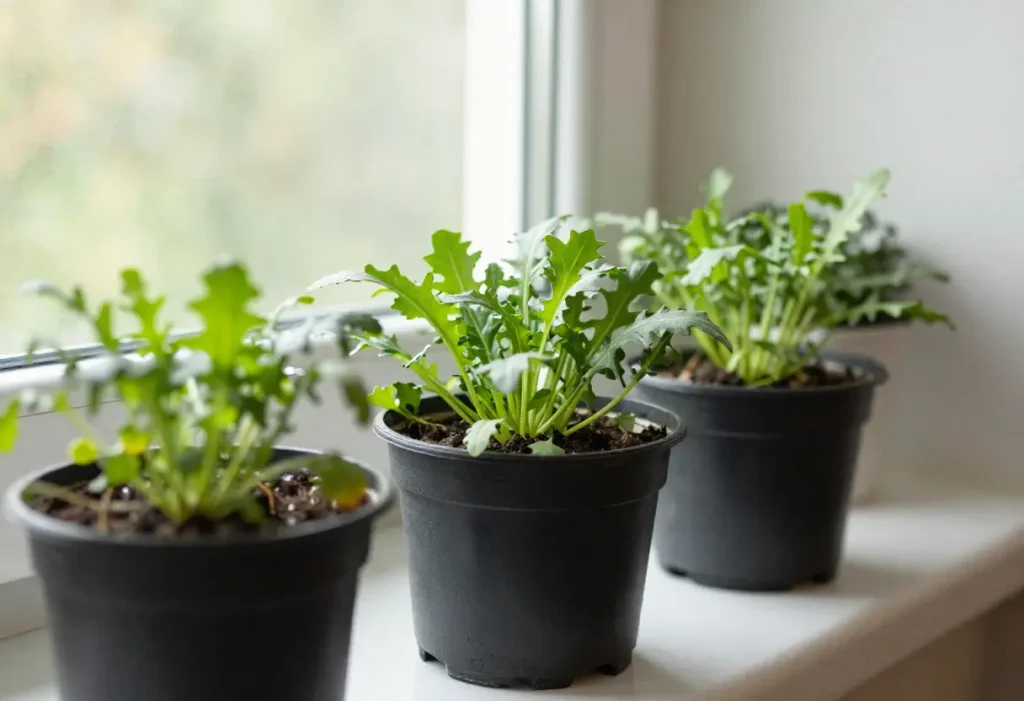
Arugula usually grows fast, ready to harvest in 3 to 4 weeks. It thrives best in cool weather for quicker growth. Regular watering helps keep leaves fresh and tender.
Arugula grows well in loose, well-drained soil rich in organic matter. A slightly acidic to neutral pH (6. 0 to 7. 0) is ideal. Adding compost improves soil nutrients and moisture retention.
Water arugula plants regularly to keep the soil moist but not soggy. About 1 inch of water per week is enough. Consistent moisture helps prevent bitter leaves.
Yes, arugula can grow well in partial shade and still produce good leaves. It prefers cooler temperatures, so some shade can prevent wilting. Avoid full shade to keep growth healthy.
Use natural methods like handpicking pests or spraying water to remove them. Planting companion plants like marigolds can also help repel insects. Avoid chemical pesticides to keep leaves safe to eat.
Growing arugula can be simple and rewarding. Start with good soil and enough sunlight. Water the plants regularly but avoid overwatering. Watch for pests and remove them quickly. Harvest leaves when they are young and tender. Fresh arugula adds a spicy flavor to meals.
Keep planting every few weeks for a steady supply. Enjoy your homegrown greens and healthy eating!