Gardening Made Simple.

Best Way to Grow Zucchini starts with understanding the right planting, watering, and care techniques. Are you ready to enjoy fresh, homegrown zucchini straight from your garden? Growing zucchini can be easy and rewarding when you follow the proper steps and give your plants the sunlight, nutrients, and space they need to thrive.
Imagine picking vibrant, healthy zucchinis that taste better than anything from the store. You’ll discover the best way to grow zucchini, with simple tips that anyone can follow. Whether you’re a beginner or have tried before without success, these secrets will help you get the biggest, most delicious harvest possible.
Keep reading to unlock the key to zucchini-growing success and transform your garden this season!
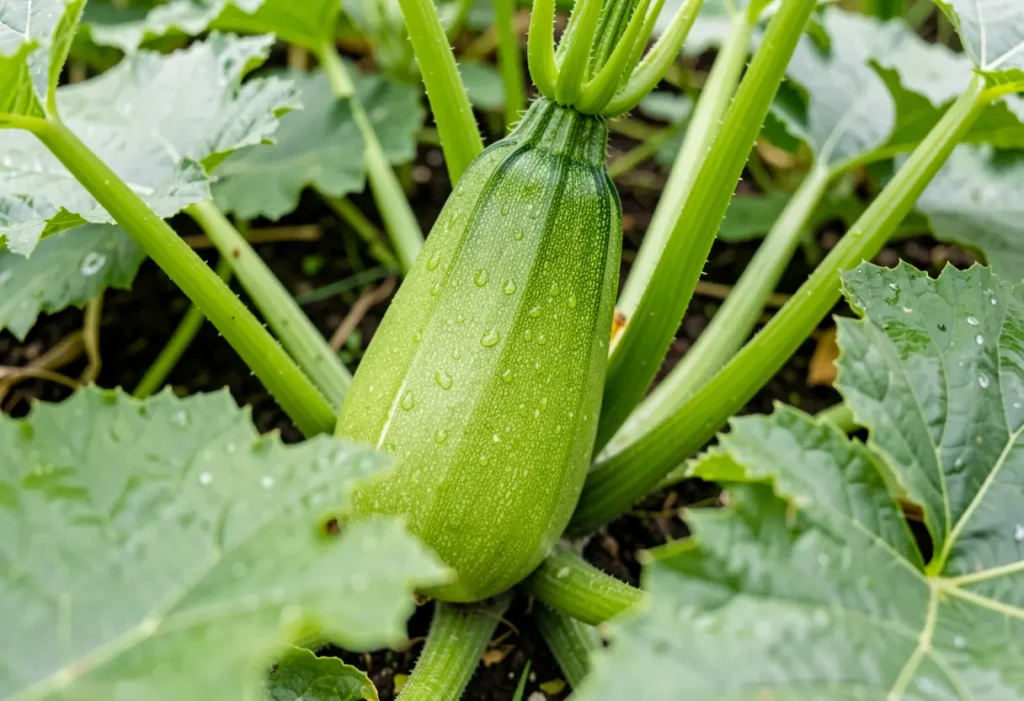
Choosing the right zucchini variety is key for a good harvest. Different types suit different gardens and climates. Picking the best one helps plants grow healthy and strong. It also makes caring for zucchini easier and more rewarding.
Some zucchini types are well-known and easy to find. Black Beauty is a classic with dark green skin. It grows fast and produces many fruits. Costata Romanesco has ribbed skin and a rich flavor. It stands out in taste and looks. Golden Zucchini offers bright yellow fruits that add color. These types are great for beginners and experienced gardeners.
Diseases can harm zucchini plants and reduce yield. Choosing disease-resistant varieties helps avoid common problems. Look for types that resist powdery mildew and squash vine borers. These plants need less chemical treatment and stay healthy longer. This choice saves time and effort while growing zucchini.
Preparing the soil is a key step for growing healthy zucchini. Good soil supports strong roots and helps plants get enough nutrients. Taking time to prepare the ground makes a big difference in your harvest.
Zucchini grows best in loose, well-drained soil. Heavy clay or waterlogged soil can cause root problems. The soil should hold moisture but not stay soggy. Adding organic matter helps improve soil texture and drainage.
Zucchini needs rich soil with plenty of nutrients. Mix compost or well-rotted manure into the soil before planting. This adds nitrogen, phosphorus, and potassium. These elements help the plant grow fast and produce many fruits.
Zucchini prefers soil with a pH between 6.0 and 7.5. This range allows plants to absorb nutrients easily. Test your soil with a simple pH kit. Adjust the pH by adding lime to raise it or sulfur to lower it.
Planting techniques play a big role in growing healthy zucchini plants. Good planting helps zucchini grow faster and produce more fruit. Choosing the right method depends on your garden space and climate. Proper care during planting gives young plants a strong start.
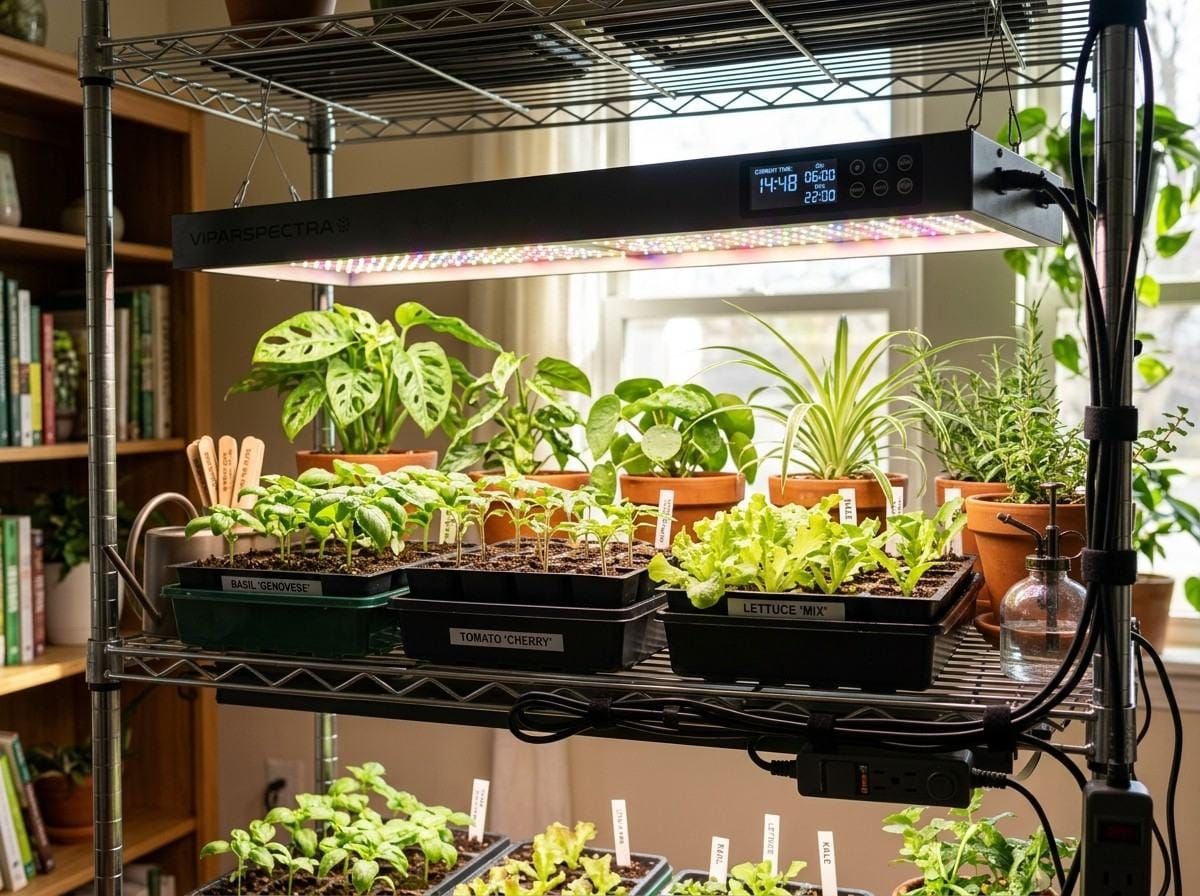
Start zucchini seeds indoors about 2 to 4 weeks before the last frost date. Use small pots with seed-starting mix. Plant seeds 1 inch deep in the soil. Keep the soil moist but not wet. Place pots in a warm spot with sunlight or use grow lights. Transplant seedlings outside when they have 2 to 3 true leaves.
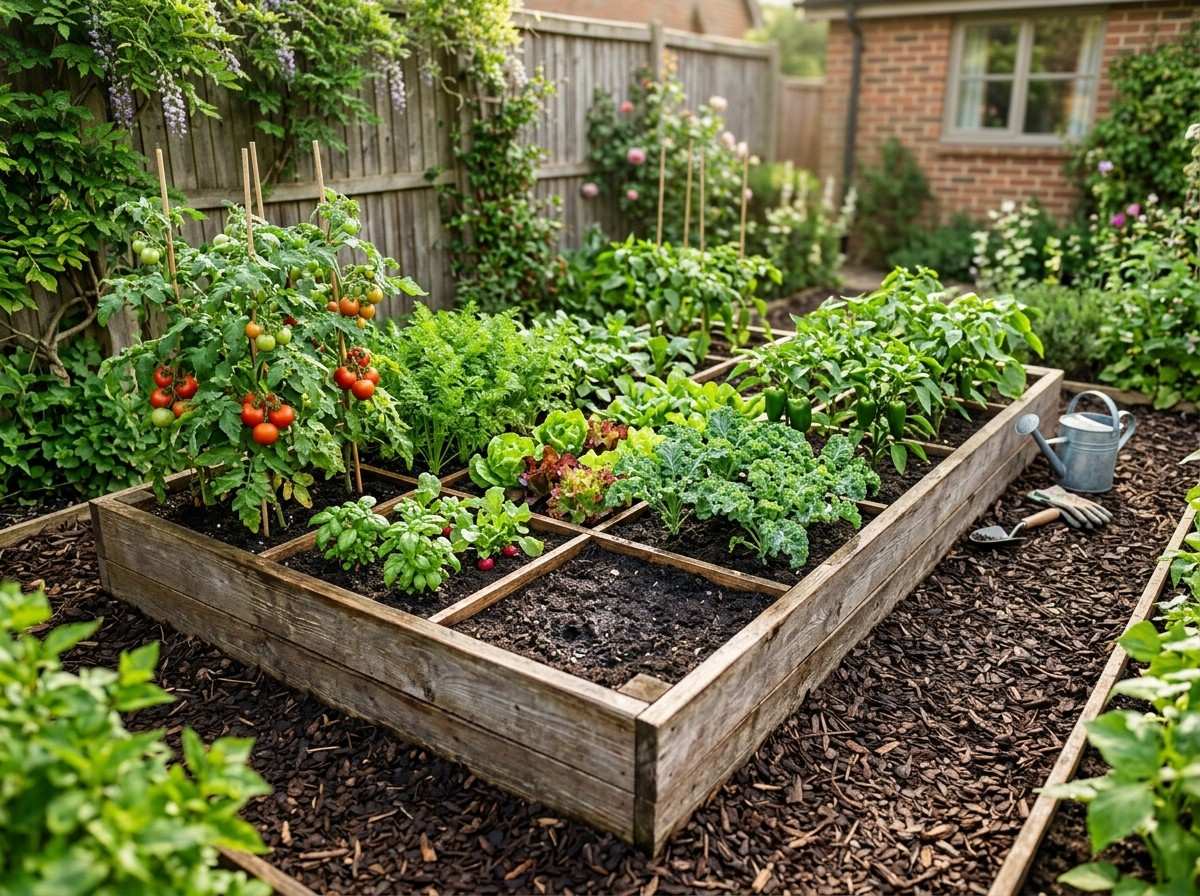
Sow zucchini seeds directly into the garden after the soil warms up. Plant seeds 1 inch deep in rows or hills. Water the soil well after planting. Thin seedlings to one strong plant per spot once they grow a few inches. Mulch around plants to keep soil moist and reduce weeds.
Plant zucchini seeds or seedlings 24 to 36 inches apart. This space allows air to flow and reduces disease risk. Plant seeds about 1 inch deep. For seedlings, plant slightly deeper than they grew indoors. Proper spacing helps plants grow wide and supports heavy fruit.
Watering and irrigation play a key role in growing healthy zucchini plants. Water helps the plant absorb nutrients and stay strong. Proper watering encourages big, tasty zucchinis and prevents diseases. Knowing how much and when to water makes a big difference in your garden.
Water zucchini plants deeply once or twice a week. Each watering should soak the soil to about 6 inches deep. Early morning is the best time to water. This helps leaves dry quickly and reduces fungal risks. Adjust watering frequency if rain falls or temperatures change.
Too much water harms zucchini roots and slows growth. Watch for yellow leaves or soft stems. These signs mean the plant is too wet. Let the soil dry out slightly between waterings. Good drainage in the soil helps stop water from pooling.
Mulch helps keep soil moist for longer periods. It also stops weeds that compete with zucchini for water. Organic mulch like straw or leaves adds nutrients as it breaks down. Mulching reduces how often you need to water, saving time and effort.
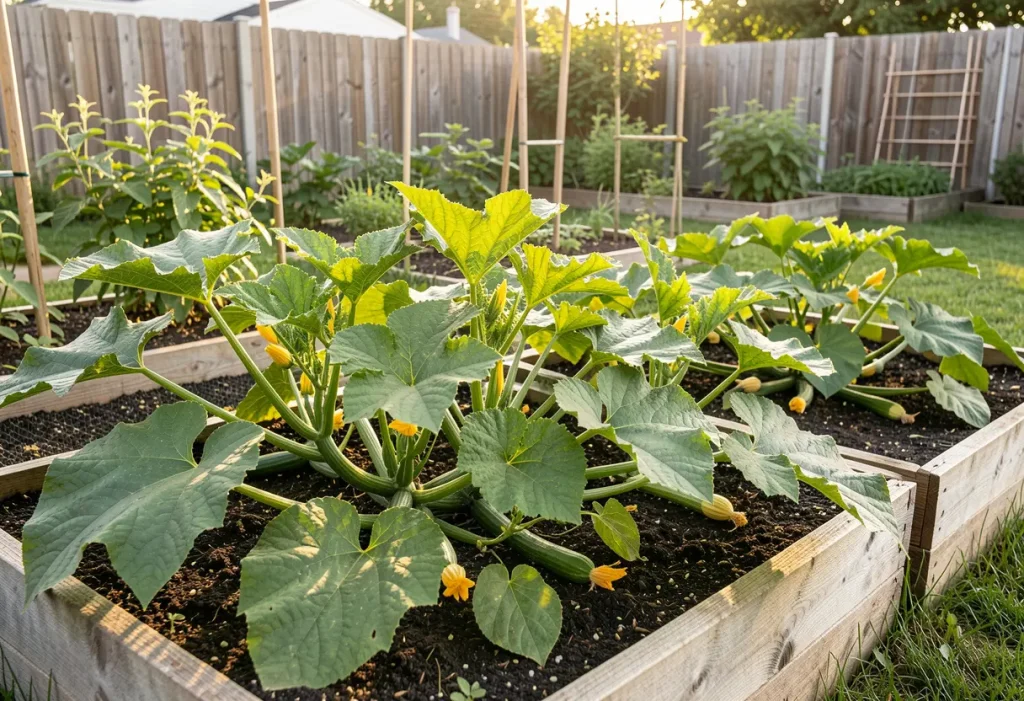
Fertilizing zucchini plants supports strong, healthy growth. Plants need nutrients to develop large leaves and plenty of fruit. Proper fertilizing helps the plant resist disease and produce more zucchinis. Understanding how to feed your zucchini plants makes a big difference in your harvest.
Zucchini plants thrive with balanced fertilizers that contain nitrogen, phosphorus, and potassium. Nitrogen promotes leafy growth, phosphorus helps roots and flowers, and potassium boosts overall health. Use a fertilizer labeled 10-10-10 or 14-14-14 for good results. Avoid fertilizers with too much nitrogen. Excess nitrogen causes more leaves but fewer fruits.
Start fertilizing when seedlings have two sets of true leaves. Apply fertilizer every two to three weeks throughout the growing season. Use a liquid fertilizer or granular type mixed into the soil. Water plants well after feeding to help roots absorb nutrients. Stop fertilizing when fruits start to ripen to improve flavor and texture.
Organic fertilizers nourish the soil and plants naturally. Compost, well-rotted manure, and fish emulsion work well for zucchini. These options improve soil structure and add beneficial microbes. Apply organic fertilizers before planting and as side dressings during growth. They release nutrients slowly, feeding plants over time.
Keeping zucchini plants healthy means managing pests and diseases well. Pests can damage leaves and fruits, while diseases can stunt growth. Taking care of these problems helps zucchini grow strong and produce more.
Zucchini often attracts pests like squash bugs, cucumber beetles, and aphids. Squash bugs suck sap from leaves, causing yellow spots. Cucumber beetles chew holes in leaves and spread bacteria. Aphids cluster on stems and leaves, making plants weak.
Use natural methods to control pests safely. Spray plants with soapy water to remove aphids. Handpick beetles and squash bugs early in the day. Plant marigolds nearby to repel harmful insects. Encourage ladybugs and lacewings; they eat pests naturally.
Keep zucchini plants dry to avoid fungal infections. Water the base of plants, not the leaves. Remove old leaves and fallen debris around plants. Rotate crops yearly to reduce soil diseases. Use disease-resistant zucchini varieties for fewer problems.
Harvesting zucchini is an important step in growing healthy plants and enjoying fresh vegetables. Picking zucchini at the right time helps keep the plant producing more fruit. It also ensures the best taste and texture. Knowing how to harvest zucchini properly can make your garden more productive and rewarding.
Harvest zucchini when they are about 6 to 8 inches long. At this size, they are tender and have a mild flavor. Check your plants every two to three days. This helps catch the fruit before it grows too big. Large zucchini can become tough and have many seeds.
Use a sharp knife or garden shears to cut the zucchini. Cut the stem about one inch above the fruit. Avoid pulling or twisting the zucchini off the plant. This can damage the vine and slow down future growth. Handle the fruit gently to avoid bruises.
Pick zucchini regularly to encourage more fruit to grow. Remove any old or damaged fruit from the plant. Mulch around the base to keep soil moist and cool. This helps the plant stay healthy longer. You can also plant zucchini in intervals to have fresh zucchini all season.
Maximizing the yield of your zucchini plants means getting the most fruit from each plant. Healthy, well-cared-for plants produce more zucchinis. Several gardening techniques help increase your harvest. These methods improve plant growth and fruit production effectively.
Pruning zucchini plants helps direct energy to fruit development. Remove old or damaged leaves regularly. Cut back excess vines that crowd the plant. This allows sunlight and air to reach the center. Better air circulation reduces disease risks. Focus on growing strong stems and healthy fruits.
Plant zucchini near helpful companions like beans and peas. These plants add nitrogen to the soil, boosting growth. Marigolds repel pests that harm zucchini plants. Corn provides partial shade, protecting zucchini from heat stress. Choose companions that improve soil and protect from pests naturally.
Rotate zucchini crops with different plant families each year. This prevents soil nutrient depletion. It also reduces pests and diseases that target zucchini. Growing other vegetables like carrots or onions in between helps soil recover. Crop rotation keeps plants strong and soil healthy for better yields.
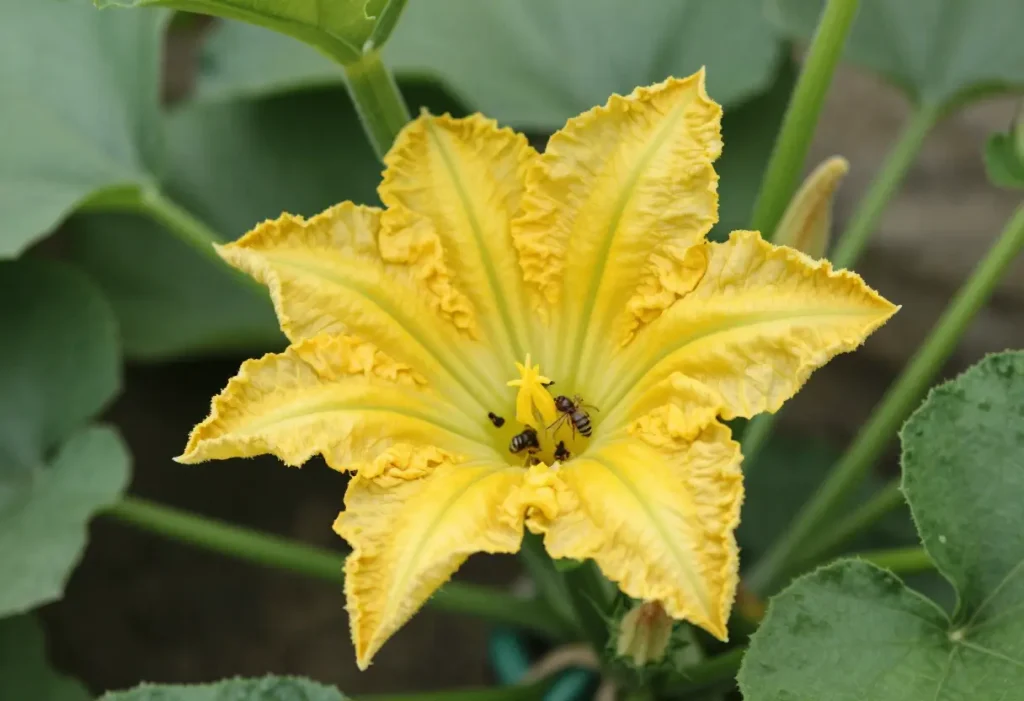
Zucchini grows best in well-drained, fertile soil rich in organic matter. A slightly acidic to neutral pH between 6. 0 and 7. 5 is ideal for healthy growth.
Zucchini plants need full sun, which means at least 6 to 8 hours of direct sunlight each day. More sun helps produce bigger and tastier zucchinis.
Water zucchini deeply once or twice a week, keeping the soil moist but not soggy. Consistent watering helps prevent bitter fruit and plant stress.
Plant zucchini outdoors after the last frost date when the soil temperature reaches 60°F (15°C) or higher. This usually means late spring or early summer.
Use row covers to keep pests away and remove damaged leaves promptly. Growing zucchini in well-spaced rows also improves air circulation, reducing pest problems.
Growing zucchini can be simple and fun with the right steps. Choose a sunny spot and plant seeds in rich soil. Water regularly but avoid too much moisture. Watch for pests and pick zucchinis early for the best taste. Small efforts bring big rewards in your garden.
Try these tips and enjoy fresh zucchini soon. Gardening brings joy and fresh food to your table. Give it a try and see the results yourself.