Gardening Made Simple.

Are your zucchini leaves turning yellow, and you’re not sure why? Yellow leaves can quickly make your healthy garden look sick and may stop your zucchini from growing strong. Learning How to Fix Yellow Zucchini Leaves can help you identify the problem and restore your plant’s health quickly.
But don’t worry—you can fix this problem and bring your plants back to life. You’ll discover simple and effective ways to identify the cause of yellow zucchini leaves and how to treat them. Keep reading to save your garden and enjoy fresh, vibrant zucchinis all season long!
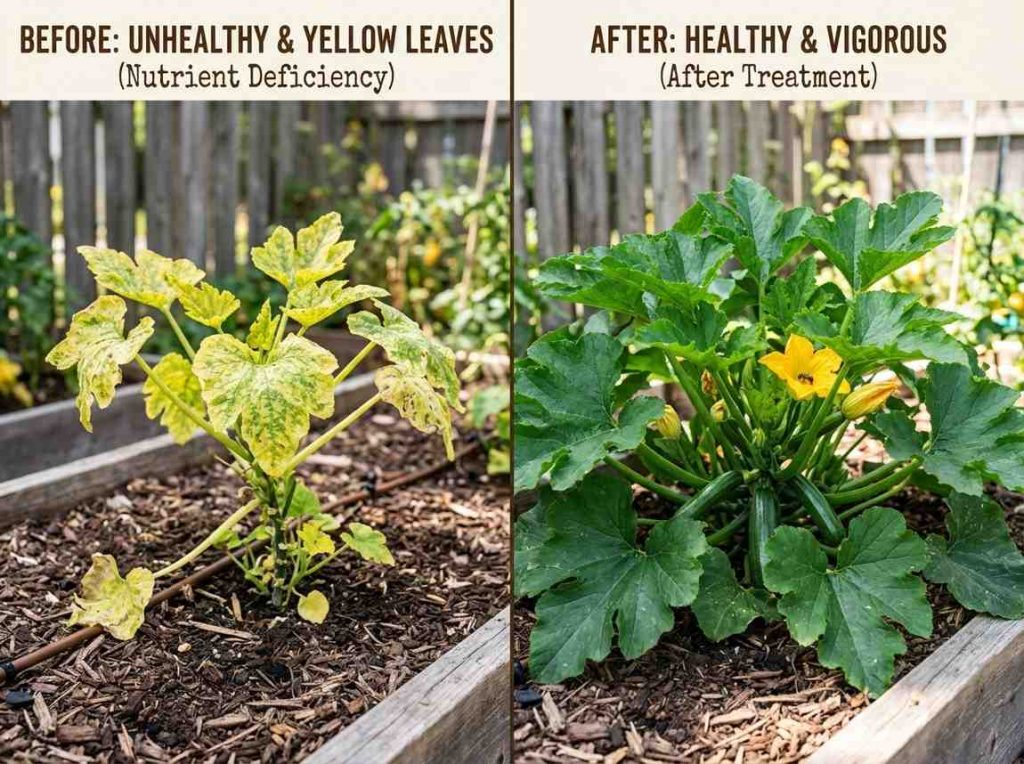
Yellow leaves on zucchini plants signal a problem. Identifying the cause helps save your plant. Several common factors lead to yellowing leaves. Understanding these causes improves your gardening skills.
Zucchini plants need nutrients like nitrogen, magnesium, and iron. Lack of these nutrients causes yellow leaves. Nitrogen deficiency shows as pale green or yellow leaves. Magnesium deficiency causes yellowing between leaf veins. Iron deficiency leads to yellow leaves with green veins. Fertilize the soil to restore these nutrients.
Too much water drowns roots and stops oxygen flow. This causes yellow leaves and wilting. Underwatering dries out the plant and causes stress. Leaves turn yellow and crispy in drought. Water zucchini plants deeply but less often. Check soil moisture before watering again.
Pests like aphids and squash bugs suck plant juices. This weakens plants and causes leaf yellowing. Diseases such as powdery mildew and bacterial wilt also affect leaves. Yellow spots or patches may appear. Inspect plants regularly and remove pests quickly. Use organic pesticides if needed.
Extreme temperatures harm zucchini plants. Too much heat or cold causes leaf yellowing. Poor sunlight or sudden weather changes stress plants too. Strong winds and dry air also damage leaves. Provide shade during hot days and protect plants in cold weather.
Yellow leaves on zucchini plants often signal nutrient problems. Identifying these deficiencies early helps save your plant. Nutrients like nitrogen, magnesium, and iron play key roles in plant health. Understanding their deficiency signs guides you to correct care and better growth.
Nitrogen is vital for leaf growth and color. Yellowing starts on older leaves first. Leaves turn pale green or yellow from the tip to the base. Growth slows, and leaves may drop early. Lack of nitrogen leads to weak, small plants.
Magnesium deficiency causes yellow patches between leaf veins. Leaf veins remain green while rest turns yellow. Iron deficiency shows as yellow leaves with green veins too. It affects younger leaves more than old ones. Both cause poor photosynthesis and weak plants.
Test your soil to find exact nutrient levels. Use fertilizers rich in nitrogen for yellow older leaves. Add magnesium with Epsom salts if yellowing is between veins. For iron, apply chelated iron supplements to the soil. Balanced soil nutrients improve leaf color and plant health quickly.

Watering plays a big role in keeping zucchini plants healthy. Yellow leaves often mean the plant is not getting the right amount of water. Giving the right water helps the plant grow strong and stops leaves from turning yellow. Here are some simple watering tips to help zucchini plants thrive.
Zucchini plants need water often, but not too much. Water the plants deeply once or twice a week. This helps roots grow deep and strong. Check the soil with your finger. If the top 2 inches are dry, it is time to water. Water early in the morning for best results.
Too much water can cause root rot. This disease makes roots soft and weak. It stops the plant from taking in water and nutrients. Always let the soil dry a little between watering. Make sure the soil drains well. Avoid watering leaves, as wet leaves can lead to other problems.
Mulch helps keep soil moist for longer. Use straw, leaves, or grass clippings around the base of the plant. Mulch also stops weeds that steal water. It keeps the soil temperature steady. Mulching saves water and helps zucchini plants stay healthy.
Yellow leaves on zucchini plants often result from pests or diseases. Managing these problems early helps keep plants healthy. Understanding common pests and how to control them naturally reduces leaf damage. Treating fungal infections quickly stops yellowing and spread. This section covers key tips for pest and disease management.
Aphids suck plant sap, causing leaves to yellow and curl. Squash bugs feed on leaves and stems, leaving dark spots. Cucumber beetles chew holes and spread diseases. Spider mites create tiny webs and cause speckled yellow leaves. Each pest harms zucchini growth and needs careful control.
Spray plants with water to remove aphids and mites. Use insecticidal soap for safe pest removal. Introduce ladybugs; they eat aphids and other pests. Plant marigolds nearby to repel harmful insects. Keep garden clean by removing dead leaves and debris. These steps protect zucchini without harmful chemicals.
Fungal diseases cause yellow spots or patches on leaves. Remove infected leaves to stop spread. Apply neem oil or copper fungicide for effective treatment. Water plants at the base to avoid wet leaves. Ensure good air flow by spacing plants well. Healthy plants resist fungal infections better.
Optimizing growing conditions plays a key role in fixing yellow zucchini leaves. Healthy plants need the right environment to thrive. This section covers sunlight, temperature, soil, drainage, and fertilization tips. Follow these steps to improve your zucchini's health and color.
Zucchini plants need at least six hours of direct sunlight daily. Too little sun causes weak growth and yellow leaves. Too much heat over 90°F (32°C) stresses plants and can yellow leaves.
Plant zucchini in a spot with full sun but some afternoon shade if temperatures get very high. Maintain daytime temperatures between 70°F and 85°F (21°C-29°C) for best growth.
Zucchini prefers loose, well-draining soil rich in organic matter. Poor drainage leads to root rot and yellow leaves. Use compost or aged manure to improve soil texture.
Test soil to ensure it drains well. Raised beds or mounds help prevent waterlogging. Avoid heavy clay soils or improve them by adding sand and compost.
Balanced fertilization supports healthy zucchini growth and leaf color. Nitrogen is vital but excess causes leaf burn or yellowing. Use a fertilizer with equal N-P-K values or slightly higher phosphorus.
Apply fertilizer at planting and again every 3-4 weeks during growth. Water plants after fertilizing to prevent root damage. Avoid over-fertilizing, which harms plants and the environment.
Pruning and maintenance are key to keeping zucchini plants healthy. Yellow leaves often show stress or disease. Proper care helps plants recover and grow strong. Simple steps can improve the plant’s health quickly.
Cut off yellow or brown leaves carefully. Use clean scissors or pruners to avoid spreading disease. Removing damaged leaves stops problems from spreading. It also allows the plant to focus energy on healthy growth.
Trim excess leaves to improve air flow. Good air circulation reduces fungal infections. Pruning helps sunlight reach lower leaves. This encourages new, healthy leaves to grow. Keep the plant balanced and not too crowded.
Check your zucchini plants often. Look for early signs of yellowing or spots. Catching problems early helps prevent damage. Remove unhealthy leaves as soon as you see them. Consistent care keeps your zucchini vibrant and productive.
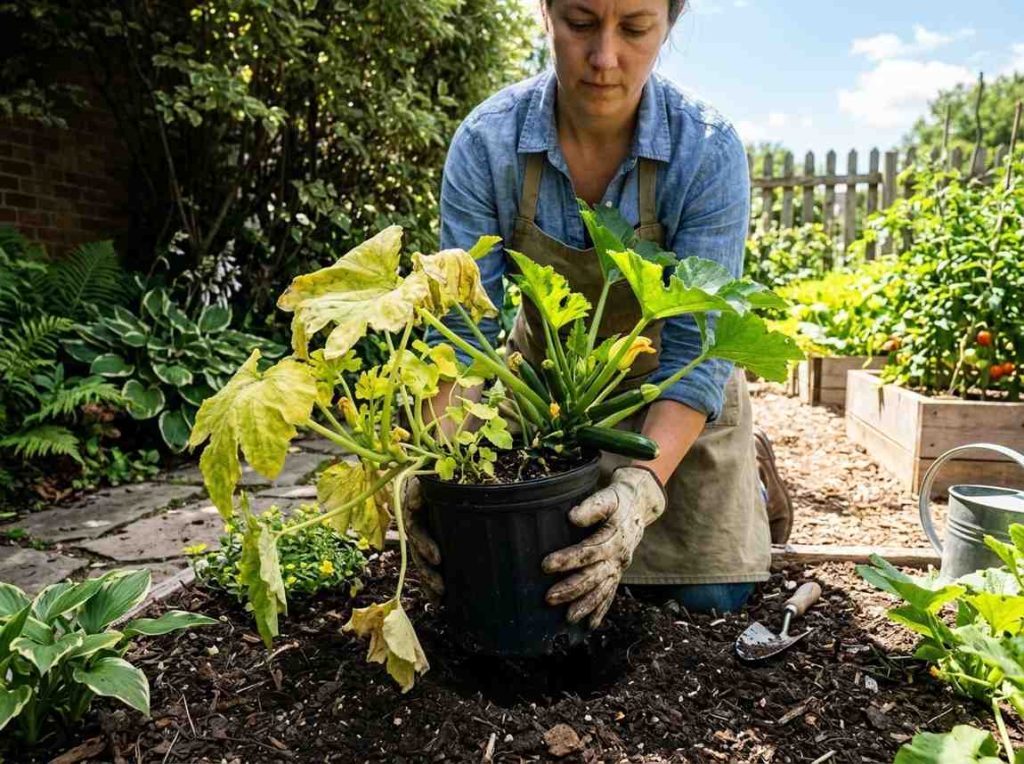
Yellow leaves often mean the plant lacks water or nutrients. It can also signal too much sun or poor soil drainage.
Water zucchini regularly, especially in dry weather. Use balanced fertilizer and ensure soil drains well to avoid root problems.
Aphids and spider mites suck plant juices, leading to yellow leaves. Check leaves often and use safe pest control methods.
Yes, too much water can drown roots, causing yellow leaves. Water only when the top soil feels dry to touch.
Use a fertilizer rich in nitrogen for green leafy growth. Compost or organic matter can improve soil health and leaf color.
Yellow zucchini leaves turn yellow for many reasons. Check the soil for water and nutrients. Remove any damaged leaves to help the plant grow better. Use natural methods to control pests and diseases. Keep your zucchini in a sunny spot with good air flow.
Healthy plants make fresh, tasty zucchinis. Small changes in care can fix yellow leaves fast. Watch your plants often and act quickly. Growing zucchini can be simple and fun with care.