Gardening Made Simple.
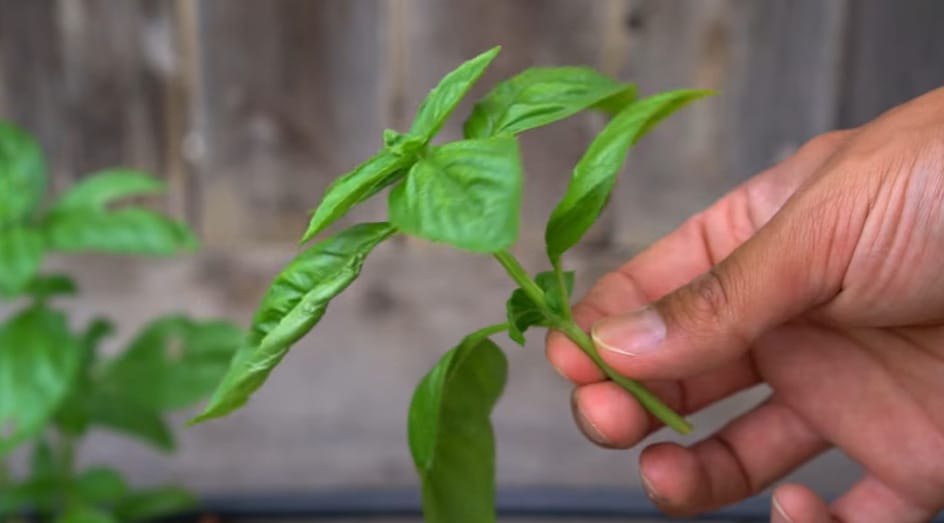
To prune your basil effectively, pinch off the top sets of leaves just above a pair of leaves. This technique encourages bushier growth, keeps your plant healthy, and prevents premature flowering. Understanding How to Prune Basil ensures a thriving herb garden full of lush, flavorful leaves all season long.
Basil is a popular herb in many cuisines, known for its aromatic leaves. Pruning basil correctly ensures a healthy, productive plant. Regular pruning helps the plant focus its energy on leaf production rather than flowering. It also prevents the plant from becoming leggy and unmanageable.
Always use clean, sharp scissors or your fingers to avoid damaging the plant. Prune in the early morning for best results. By following these simple steps, you can enjoy a bountiful basil harvest throughout the growing season. Proper care and maintenance make a significant difference in the plant’s health and yield.
Pruning basil is essential for a healthy, bushy plant. It helps basil grow better and gives you more leaves to use. Learning the right way to prune can make your basil thrive.
Pruning basil is very important. It stops the plant from getting too tall and thin. When you prune, the plant grows more side shoots. This makes it bushier and healthier.
Pruning also helps the plant to focus its energy. Instead of growing flowers, the plant makes more leaves. This is great if you want more basil for cooking.
You should prune basil often. The best time to start is when the plant has six leaves. Prune regularly to keep the plant strong and healthy.
Pruning in the morning is best. The plant is fresh and full of water. Avoid pruning during the hottest part of the day.
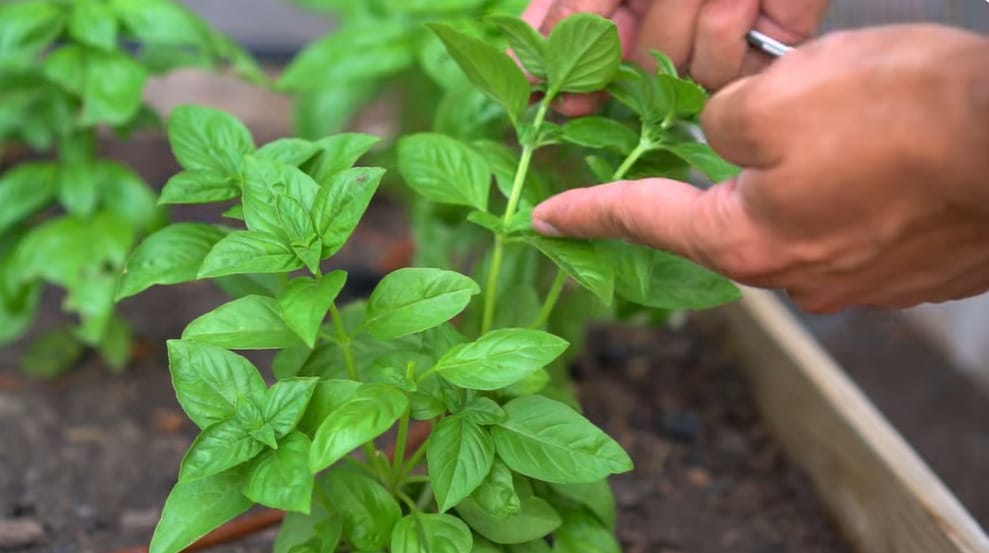
Pruning basil plants keeps them healthy and productive. The right tools make the job easier. Below are the essential tools and how to choose them.
Quality tools ensure clean cuts and reduce plant damage. Here are the basic tools you need:
Choosing the right equipment is crucial for effective pruning. Follow these tips:
| Tool | Purpose | Key Feature |
|---|---|---|
| Pruning Shears | Cutting stems | Sharp, stainless steel blades |
| Garden Gloves | Protecting hands | Durable material |
| Disinfectant | Cleaning tools | Effective against bacteria |
Using the right tools ensures your basil stays healthy. Proper equipment makes pruning easy and efficient.
Before pruning your basil plant, it's crucial to prepare it properly. This ensures the health and growth of your basil. Follow these steps for a successful pruning process.
Start by inspecting the basil plant. Look for any signs of disease or pests. Healthy leaves should be vibrant green. Remove any yellow or brown leaves. Check the stems for any damage or weakness. Strong, healthy stems are ideal for pruning. Use a magnifying glass for a closer inspection if needed. This helps in identifying small pests or mold.
Sanitizing your pruning tools is a vital step. It prevents the spread of diseases. Use a solution of one part bleach to nine parts water. Soak your pruning shears in this solution for a few minutes. Rinse the shears with clean water and dry them thoroughly. Alternatively, use rubbing alcohol to sanitize the tools. Apply the alcohol to a cloth and wipe the blades. Ensure the tools are completely dry before use.
| Step | Action |
|---|---|
| 1 | Inspect the plant for diseases and pests |
| 2 | Remove any damaged or unhealthy leaves |
| 3 | Sanitize pruning tools with bleach solution or rubbing alcohol |
By following these steps, your basil plant will be ready for pruning. Proper preparation ensures a healthy and productive plant.
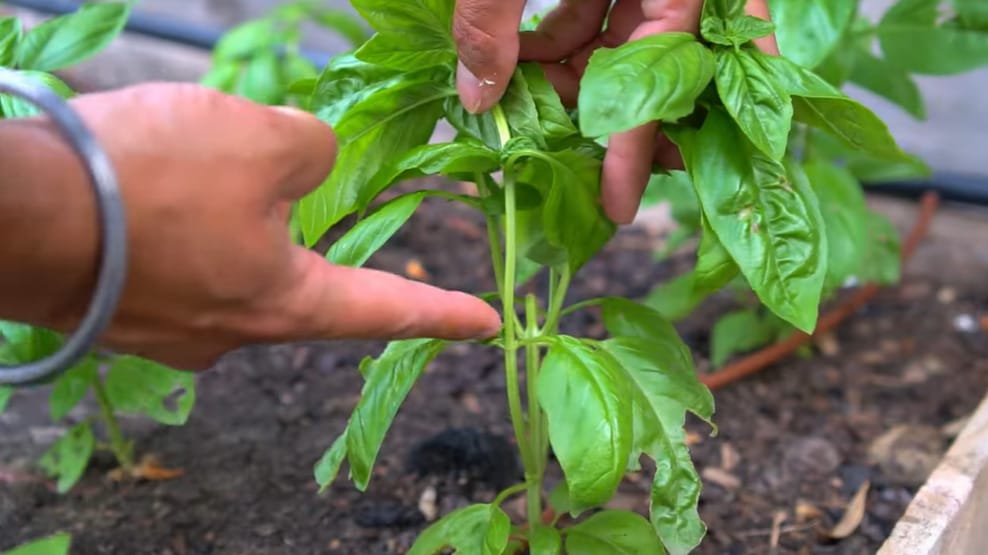
Pruning basil is essential for healthy growth. It encourages more leaves and keeps the plant bushy. Here are some basic pruning techniques to get you started.
Pinching off leaves is the simplest method. Use your fingers to pinch the top leaves. This helps the plant grow more branches.
This technique encourages the basil to grow outward. It prevents the plant from becoming tall and leggy.
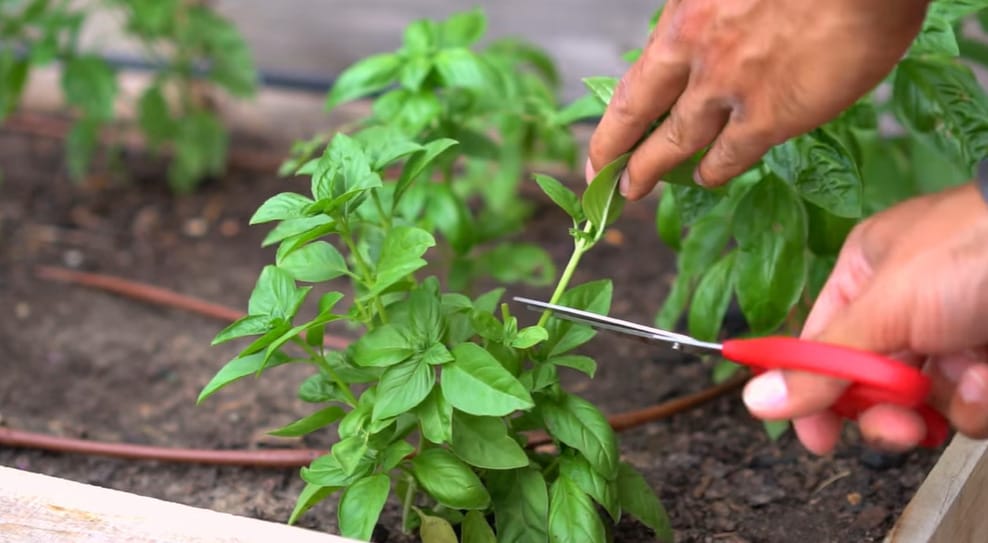
Cutting above nodes is another effective technique. Use clean scissors or pruning shears.
This method promotes growth from the cut node. It results in a fuller, bushier basil plant.
Pruning basil effectively can lead to healthier and bushier plants. Advanced pruning methods help achieve this goal. These techniques are simple but require attention to detail. Let's explore how to shape the plant and encourage bushier growth.
Shaping your basil plant helps it grow beautifully. Follow these steps for optimal results:
Regular shaping keeps the plant looking neat and promotes better growth. Use clean scissors or pruners to avoid disease. Always cut at an angle to encourage new growth.
Bushier basil plants produce more leaves. Use these tips to achieve bushiness:
By following these steps, your basil plant will become lush and full. Consistent pruning leads to more leaves for cooking and better overall plant health.
| Step | Action | Frequency |
|---|---|---|
| 1 | Pinch top leaves | Every 2 weeks |
| 2 | Cut above leaf pairs | Every 3 weeks |
| 3 | Water and fertilize | Weekly |
Pruning basil is essential for healthy growth. But, many people make mistakes. These mistakes can harm your basil plants. Avoiding these mistakes ensures your basil thrives.
Over-pruning is a common mistake. Pruning too much can stress the plant. It reduces the plant's ability to grow. Always leave enough leaves for photosynthesis.
Follow the 1/3 rule. Only prune one-third of the plant at a time. This keeps the plant healthy and encourages new growth.
Use clean scissors or pruning shears. Dirty tools can spread disease. Clean them before and after pruning. This keeps your basil plant safe.
Neglecting dead leaves can harm your basil. Dead leaves attract pests and disease. Regularly check your basil plant for dead or yellow leaves.
Remove dead leaves as soon as you see them. This helps the plant focus its energy on healthy growth. Use your fingers or clean scissors to remove dead leaves.
Discard the dead leaves properly. Don't let them stay around the plant. This prevents pests and disease from spreading.
| Common Mistake | Impact | Solution |
|---|---|---|
| Over-Pruning | Stresses the plant | Follow the 1/3 rule |
| Neglecting Dead Leaves | Attracts pests and disease | Regularly remove dead leaves |
By avoiding these common mistakes, your basil plant will flourish. Happy pruning!
Pruning your basil plant encourages healthy growth and abundant leaves. Proper care after pruning ensures your basil stays healthy and productive. Follow these simple steps to keep your basil thriving.
After pruning, basil needs consistent moisture. Water the plant deeply but don't let it sit in water. Check the soil with your finger; it should be moist but not soggy.
Fertilizing basil is crucial for its growth. Use a balanced, organic fertilizer every two weeks. This provides the necessary nutrients for strong, healthy leaves.
| Fertilizer Type | Frequency |
|---|---|
| Organic liquid fertilizer | Every two weeks |
| Compost tea | Monthly |
Pests can harm your basil plant after pruning. Inspect the plant regularly for any signs of pests.
If you find pests, remove them manually or use organic pest control methods. Neem oil and insecticidal soap are effective and safe options.
Keep the area around your basil plant clean. Remove any fallen leaves or debris to discourage pests from settling in.
Prune basil in the early morning for best results.
Prune basil every 2-3 weeks to promote growth.
Yes, prune basil indoors during winter for freshness.
Cut above leaf nodes to encourage bushier growth.
Yes, removing flowers helps basil produce more leaves.
Pruning basil can boost its growth and flavor. With these tips, your basil plant will flourish. Remember to use clean tools and prune regularly. Enjoy the benefits of a healthy, productive basil plant. Happy gardening!