Gardening Made Simple.
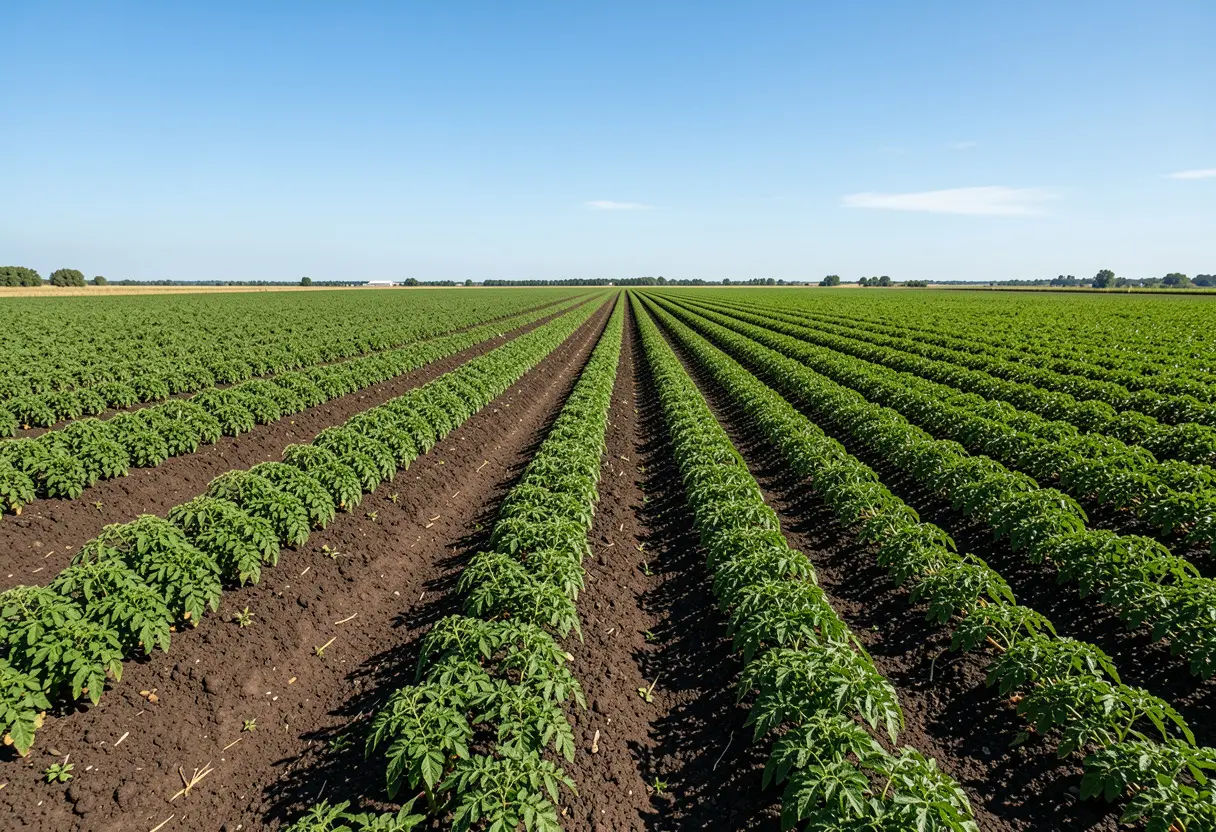
Imagine biting into a sun-ripened tomato, bursting with sweet, tangy flavor that store-bought ones just can't match. That juicy delight starts with one key decision: picking the right land. Soil, sunlight, and water all play huge roles, and getting them right can boost your yields by up to 30%.
Understanding How to Choose Land for Tomato will help you create the perfect conditions for healthy plants and a productive harvest.In this guide, we'll break down how to choose land for tomato cultivation step by step. You'll learn practical tips to spot prime spots and avoid common pitfalls, turning your patch into a tomato paradise.
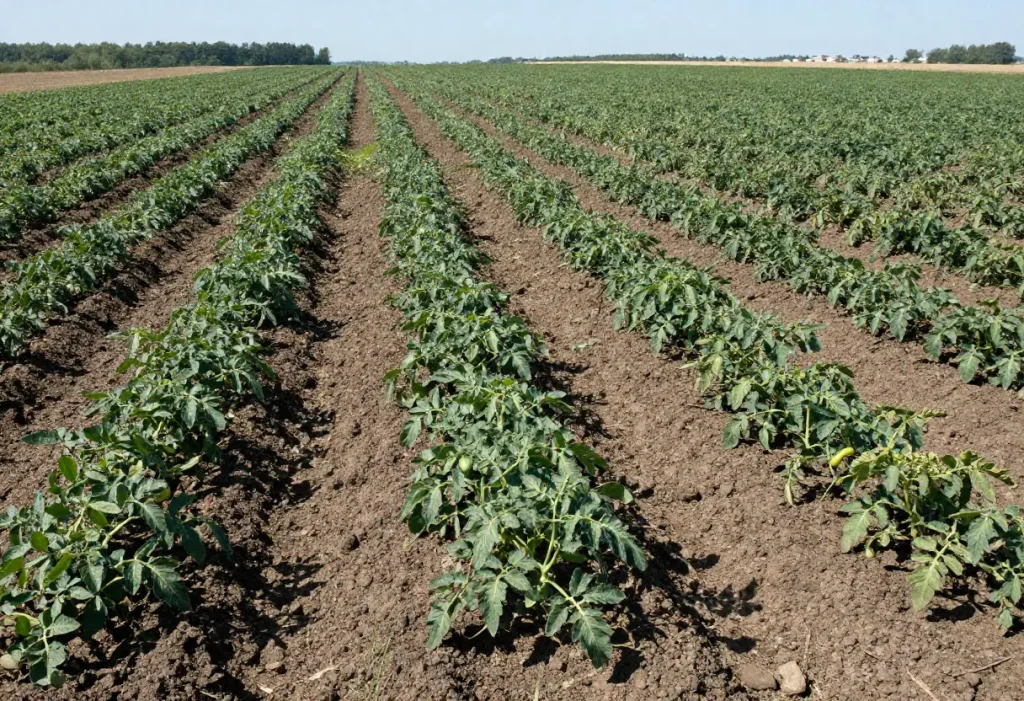
Tomatoes thrive under the sun's warm rays. Without enough light, plants grow weak and produce bland fruit. Full sun helps them make sugars that amp up taste and wards off pests.
Aim for at least six to eight hours of direct sunlight each day. Less than that, and your tomatoes might set fewer fruits or end up with watery flavors—think Brix levels dropping below 5, which means less sweetness. In tests by garden experts, sites with eight-plus hours often yield 20% more ripe tomatoes per plant. Track the sun from dawn to dusk on your potential land to confirm this.
Face your plot south for the best light in most places. North-facing spots get shaded too much. Watch out for trees or buildings that block rays, creating cool pockets where mold loves to grow. Walk the site at different times—morning, noon, and afternoon—to map shadows. Clear small obstacles if you can, but big ones might mean passing on that land.
This way, you ensure every plant gets its daily dose.
Healthy soil feeds tomato roots like a steady drip of goodness. It holds water and air just right, letting plants stretch deep without stress. Poor choices here lead to stunted growth or sick vines.
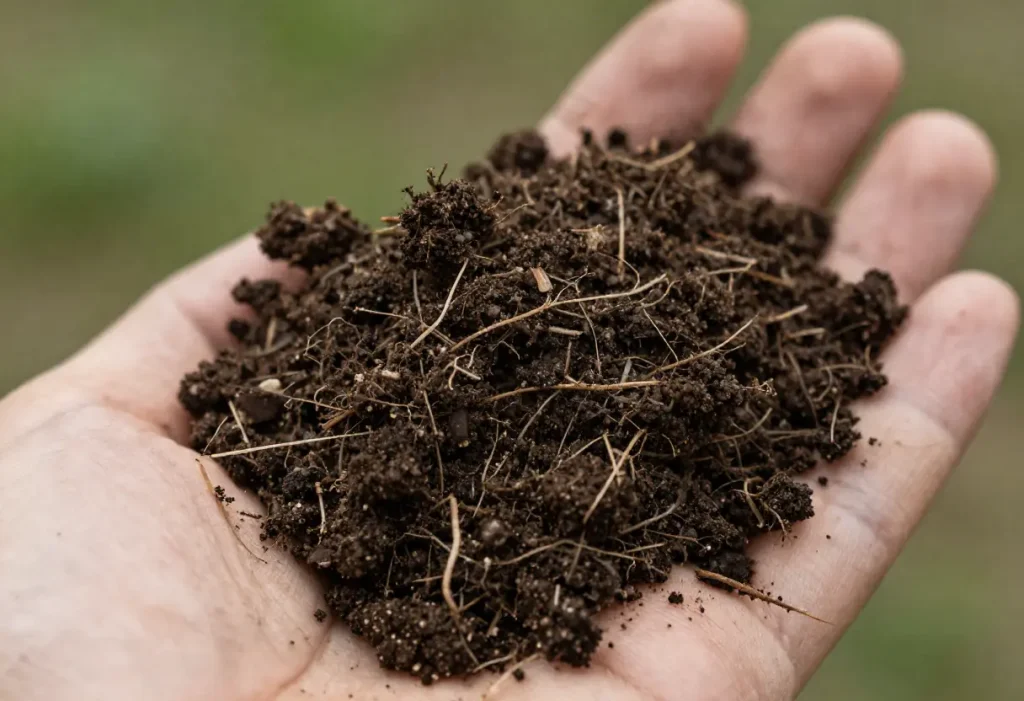
Tomatoes prefer soil with a pH between 6.0 and 6.8—slightly acidic to neutral. At this level, roots grab nutrients easily, like nitrogen for leaves and phosphorus for roots. Low calcium spells trouble; it causes blossom end rot, black spots on fruit bottoms. Get a soil test kit from a garden store—mix a sample with water, and check the color strip. Balance NPK with compost if needed; aim for even parts to keep plants strong.
Loamy soil wins every time—it's a mix of sand, silt, and clay for perfect balance. Clay soils clog roots with water, inviting rot, while sand lets goodies wash away fast. Squeeze a handful: if it holds shape but crumbles easy, you've got loam. This texture keeps air flowing to roots, boosting growth by 25% in good studies. Avoid pure clay or sand unless you plan big amendments.
Past uses matter a lot. Land once sprayed with tough weed killers can poison tomatoes for years. Old farms or city lots might hold heavy metals from pollution. Ask neighbors or check records for clues. If unsure, test for toxins—labs charge about $50 and give clear results. Clean history means safer, tastier crops without worry.
Steer clear of risky spots to protect your health and harvest.
Water keeps tomatoes plump, but too much or too little spells disaster. Wet feet lead to rot; dry spells crack fruit. Smart land choice handles this naturally.
Look for land that sheds water fast after rain. Flat spots or dips hold puddles, breeding fungi that hit tomatoes hard. Check percolation: dig a foot-deep hole, fill with water, and time how long it drains—under an hour is ideal. Walk the site post-storm; if mud lingers, skip it. Sloped ground, even a gentle one, funnels water away and keeps roots happy.
Stay close to clean water—a well, pond, or hose hookup saves time. Hauling buckets tires you out quick. Drip systems work best on nearby plots; they deliver steady moisture without waste. Rain barrels count too, especially in dry areas. Factor in setup cost: easy access cuts labor by half, letting you focus on picking ripe reds.
Good drainage pairs with smart watering for thriving plants.
Soil's just the start. Air, wind, and bugs shape your tomato success too. Overlook these, and diseases sneak in.
Fresh breezes keep leaves dry and fend off blights. Low spots trap cold air and fog, like a humid blanket for fungi. Pick slightly raised land for better flow—think gentle hills over valleys. Space plants two feet apart to let wind whistle through. This cuts disease risk by 40%, per farm reports. Avoid tight corners where air stalls.
Strong gusts snap stems and dry out soil fast. Tomatoes hate whipping around; it stresses them into poor fruit. Plant near hedges or fences for shelter, but not too close—blockage stops good air. In windy spots, stake vines early. Natural breaks, like a row of bushes, soften blasts without full walls. Balance is key for sturdy, happy plants.
These tweaks make your land a safe haven.
Rules and paths turn dreams into doable plans. Ignore them, and headaches follow.
Check town rules before digging. Some areas limit garden sizes or ban certain plants. For tomatoes, figure space needs: determinates fit in 18-inch gaps, indeterminates need 24 inches. A 10x10 foot plot yields 50 plants, enough for a family. Community gardens often have spots ready—join one if buying land's tough. Match size to your goals; small for fresh eats, big for sharing.
Paths matter for wheelbarrows and your back. Muddy trails mean skipped weeding. Aim for gravel or wood-chip walks to carts full of compost or baskets of tomatoes. Gate access helps too—wide enough for tools. Good setup keeps you coming back, rain or shine. Poor paths lead to weeds winning; plan for smooth trips.
Logistics seal the deal on year-after-year wins.
Choosing land for tomato cultivation boils down to three must-haves: plenty of sun, solid drainage, and nutrient-rich soil. Get these right, and you'll dodge most troubles while chasing bumper crops. We've covered sunlight needs, soil secrets, water flow, air perks, and practical tips to guide your pick.
Use this checklist next time you scout a spot:
Your land choice shapes every bite tomorrow. Grab that soil kit, walk some plots, and plant with confidence. Ready to grow? Start today—your first harvest awaits.
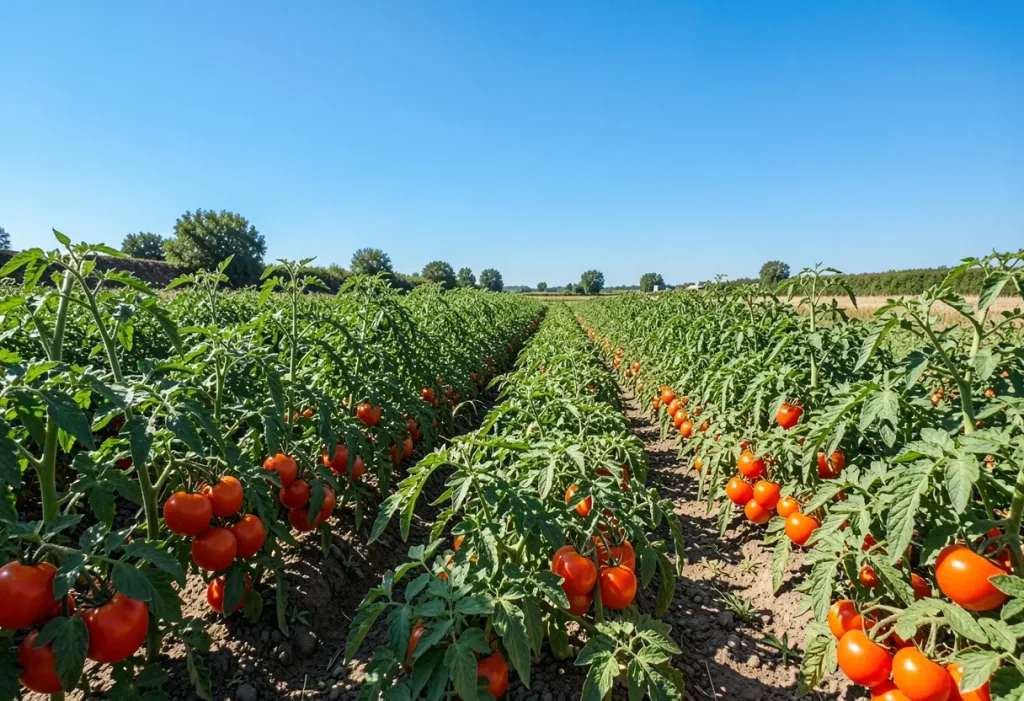
Tomatoes grow best in well-drained, loamy soil rich in organic matter with a pH between 6.0 and 6.8.
Tomatoes require at least 6–8 hours of direct sunlight daily for healthy growth and good fruit production.
Good drainage prevents waterlogging, which can cause root rot and other plant diseases.
Tomatoes can grow in many soils, but poorly drained or very sandy soils need improvement for best results.
Add compost or organic matter, test soil pH, and ensure proper sunlight and irrigation for optimal growth.