Gardening Made Simple.
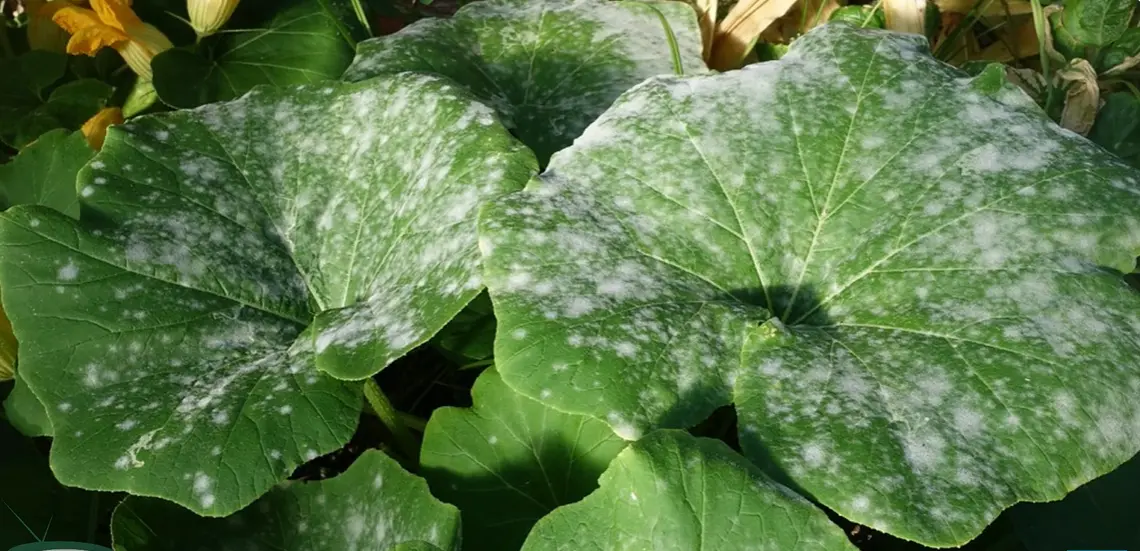
Is your garden or plants covered with a white, powdery substance that just won’t go away? How to Get Rid of Powdery Mildew is essential for keeping your plants healthy, preventing damage, and ensuring a thriving garden.
But don’t worry—you can take control and save your plants. In this guide, you’ll discover simple, effective ways to get rid of powdery mildew for good. Keep reading, and you’ll learn how to protect your plants and bring back their healthy, vibrant look.
Your garden deserves it!
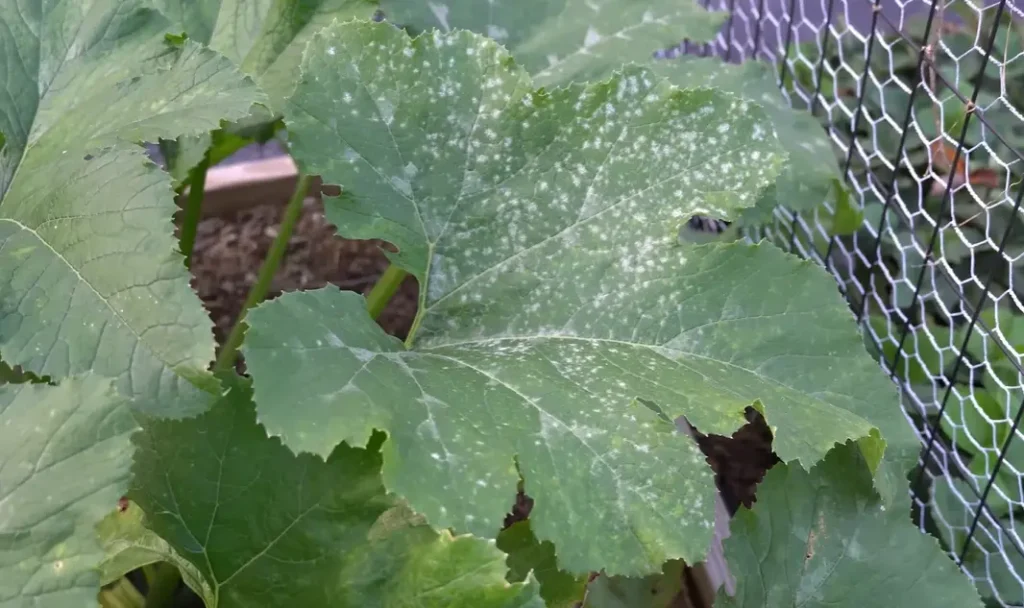
Identifying powdery mildew early helps protect your plants. This common fungal disease affects many garden plants. Spotting signs quickly stops it from spreading.
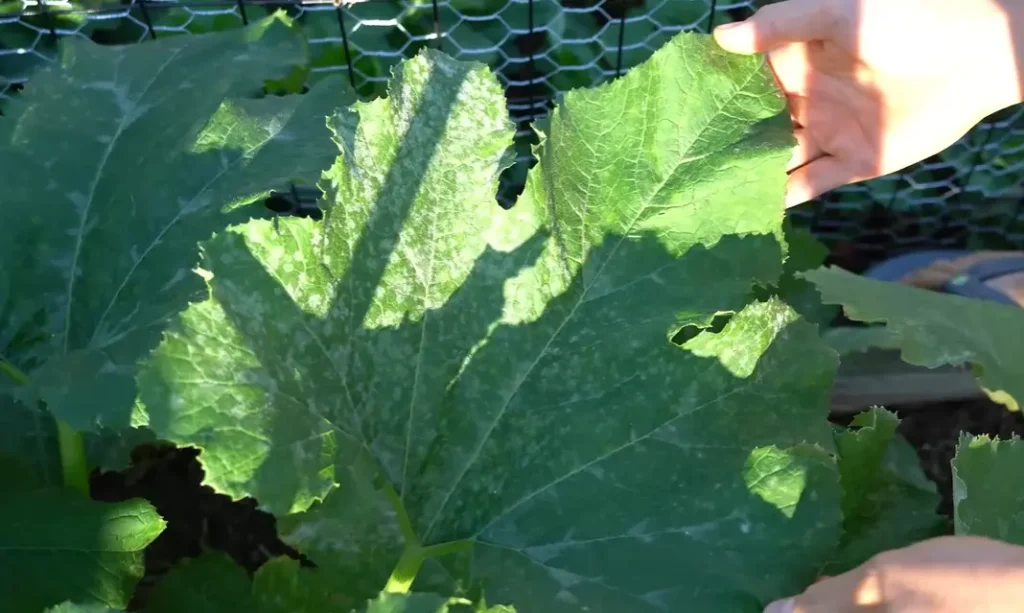
Powdery mildew looks like a white or gray powdery coating. It usually appears on leaves and stems. Knowing its signs and where it grows helps keep plants healthy.
White or gray powder covers leaves and stems. Leaves may curl, turn yellow, or dry out. Affected parts often look dusty or fuzzy. Mold can spread fast across the plant surface.
Powdery mildew attacks many plants. Roses, cucumbers, squash, and grapes are common targets. Houseplants like ivy and begonias can also get it. It thrives on both outdoor and indoor plants.
Powdery mildew grows in warm, dry weather. Poor air circulation helps spores spread. Crowded plants create perfect conditions. Nighttime moisture from dew encourages growth too.
Powdery mildew is a common plant problem that can harm leaves and stems. You can treat it at home using safe and simple ingredients. These home remedies stop the mildew from spreading and help plants stay healthy.
Using natural solutions avoids harsh chemicals and saves money. These methods work well for many types of plants. Try them early for best results.
Baking soda changes the leaf surface to stop mildew growth. Mix one tablespoon of baking soda with one gallon of water. Add a few drops of liquid soap to help it stick to leaves. Spray this mix on affected plants every week. Avoid spraying in direct sunlight to protect leaves.
Milk helps kill powdery mildew by boosting natural plant defenses. Mix one part milk with two parts water. Spray this mixture on leaves early in the day. Repeat every 7 to 10 days. Use fresh milk for best effect. This method also adds nutrients to the plant.
Neem oil is a natural fungicide that stops mildew spores. Mix two teaspoons of neem oil with one gallon of water. Add a few drops of liquid soap to mix well. Spray the solution on both sides of leaves. Apply every 7 days until mildew fades. Neem oil also protects plants from other pests.
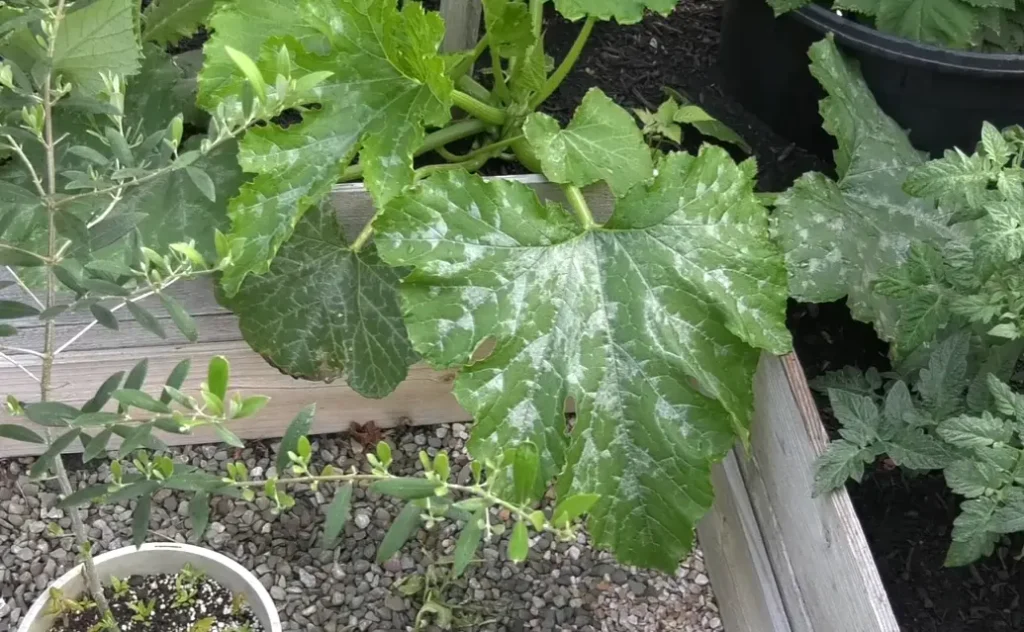
Chemical treatments offer a direct way to control powdery mildew on plants. These treatments use fungicides to stop the fungus from spreading and damaging leaves. Applying the right fungicide and using it correctly increases the chance of success. Safety is key to protect yourself and the environment. Understanding the options, application methods, and safety rules is important before using chemicals.
Several fungicides work well against powdery mildew. Sulfur-based fungicides are common and effective. They prevent the fungus from growing on plant surfaces. Neem oil is a natural option that also controls mildew. Potassium bicarbonate kills mildew spores quickly. Some synthetic fungicides like myclobutanil offer strong protection. Choose a fungicide based on plant type and mildew severity.
Apply fungicides evenly on all plant parts. Spray leaves, stems, and buds to cover mildew spots. Use a fine mist sprayer for better coverage. Apply treatments early in the morning or late afternoon. Avoid spraying during hot, sunny hours to prevent leaf damage. Repeat applications every 7 to 14 days as recommended. Follow label instructions for best results.
Wear gloves and long sleeves when handling fungicides. Avoid inhaling sprays by wearing a mask. Keep fungicides away from children and pets. Store chemicals in a cool, dry place out of reach. Wash hands and clothes after applying treatments. Dispose of empty containers properly. Respect all safety guidelines to protect health and nature.
Preventing powdery mildew is easier than curing it. Taking steps early helps keep plants healthy. Good habits reduce the chance of this fungal disease. Here are key measures to protect your garden.
Space plants well to allow air flow. Crowded plants trap moisture, which favors mildew growth. Leave enough room between each plant for air to move. This dries leaves and lowers humidity. Proper spacing helps sunlight reach all parts of the plant.
Water plants at the base, not on leaves. Wet leaves create the perfect spot for mildew. Water early in the morning so plants dry quickly. Avoid overhead sprinklers that soak foliage. Keep soil moist but not soggy to prevent stress.
Select plant types that resist powdery mildew. Some varieties naturally fight off the fungus. Check seed packets or nursery labels for resistant traits. Using these plants reduces the need for chemicals. Resistant varieties grow stronger and stay healthier.
Severe powdery mildew infestations can harm your plants deeply. Quick, clear actions help protect your garden. Removing the infection is key to saving the plant.
Follow these steps to manage heavy mildew problems effectively.
Cut away all parts covered in white powder. Use sharp, clean tools to avoid spreading spores. Remove leaves, stems, or branches showing mildew signs. Dispose of them immediately to stop the spread. Pruning improves air flow and sunlight, helping plants heal.
Do not compost infected plant parts. Spores can survive and infect other plants. Place the material in sealed bags for trash. Clean tools after use with rubbing alcohol or bleach. Proper disposal prevents mildew from coming back.
Severe mildew may need expert care. Contact a local garden center or plant specialist. Professionals can suggest strong treatments or sprays. They can check if other diseases are present. Early help stops mildew from ruining your plants.
Maintaining plant health is key to preventing powdery mildew. Healthy plants resist diseases better. Focusing on care routines reduces the chances of fungal growth. It involves regular checks, good nutrition, and proper spacing.
Check plants often for white powdery spots. Early detection stops mildew from spreading. Look under leaves and on stems carefully. Remove any affected parts quickly to protect the whole plant.
Use the right amount of fertilizer to keep plants strong. Too much nitrogen makes leaves soft and prone to mildew. Choose a balanced fertilizer that supports overall growth. Healthy leaves fight infections more effectively.
Space plants to allow good airflow between them. Crowded plants create humid conditions where mildew thrives. Prune dense areas to open up the plant canopy. Good air movement dries leaves and lowers mildew risk.
Powdery mildew is caused by fungal spores that spread in warm, dry air and low light.
Keep plants spaced well, water early, prune often, and use resistant plant varieties.
Mix baking soda with water or use diluted vinegar to spray on infected leaves.
It weakens plants by reducing photosynthesis but rarely kills healthy, well-cared plants.
Treat every 7 to 14 days until mildew disappears, then monitor regularly for return.
Powdery mildew can harm your plants if left alone. Act quickly to stop its spread. Use the right treatments and keep plants dry. Clean tools and remove affected leaves often. Healthy plants resist diseases better. Watch your garden regularly for early signs.
With care and effort, your plants will thrive again. Don’t let powdery mildew take over your garden. Stay patient and consistent for the best results.