Gardening Made Simple.
Are your tomato plants looking weak or wilting despite your care? You might be dealing with Root Rot in Tomatoes, a hidden problem that can quickly damage your plants if left untreated, but with the right steps, you can save them and restore healthy growth.
This common problem can quickly destroy your tomato crop if you don’t spot it early. But don’t worry, understanding what causes root rot and how to prevent it can save your plants and your harvest. You’ll learn the simple signs to watch for and easy steps to protect your tomatoes.
Keep reading to ensure your garden stays healthy and your tomatoes thrive.
Root rot is a common problem for tomato plants. It damages the roots and stops the plant from growing well. Understanding the causes helps protect your tomatoes. Several factors work together to cause root rot. These include fungi, environmental conditions, and soil health.
Root rot often starts with fungi attacking the roots. Common fungi include Pythium, Phytophthora, and Fusarium species. These fungi live in the soil and infect tomato roots. They cause the roots to turn brown and soft. Infected roots cannot absorb water or nutrients properly.
Too much water creates a perfect home for root rot fungi. Waterlogged soil reduces oxygen around the roots. Without enough air, roots become weak and vulnerable. Warm temperatures help fungi grow faster. Poor drainage and heavy rains increase root rot risk.
Soil plays a big role in root health. Compact soil limits root growth and water flow. Soil that stays wet for a long time invites fungi. Low organic matter weakens soil structure and plant health. Proper soil balance keeps roots strong and healthy.
Root rot is a serious problem for tomato plants. It damages the roots and stops the plant from taking water and nutrients. Knowing the signs early can help save your tomatoes. Watch closely for changes in the leaves, stems, and roots. Acting fast can prevent more damage.
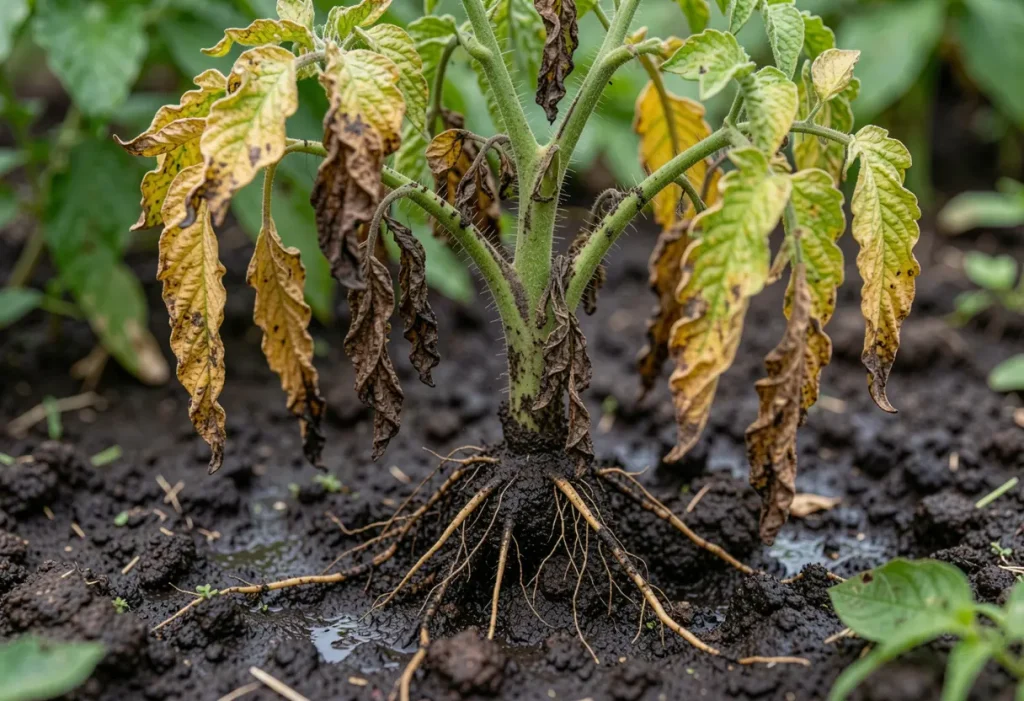
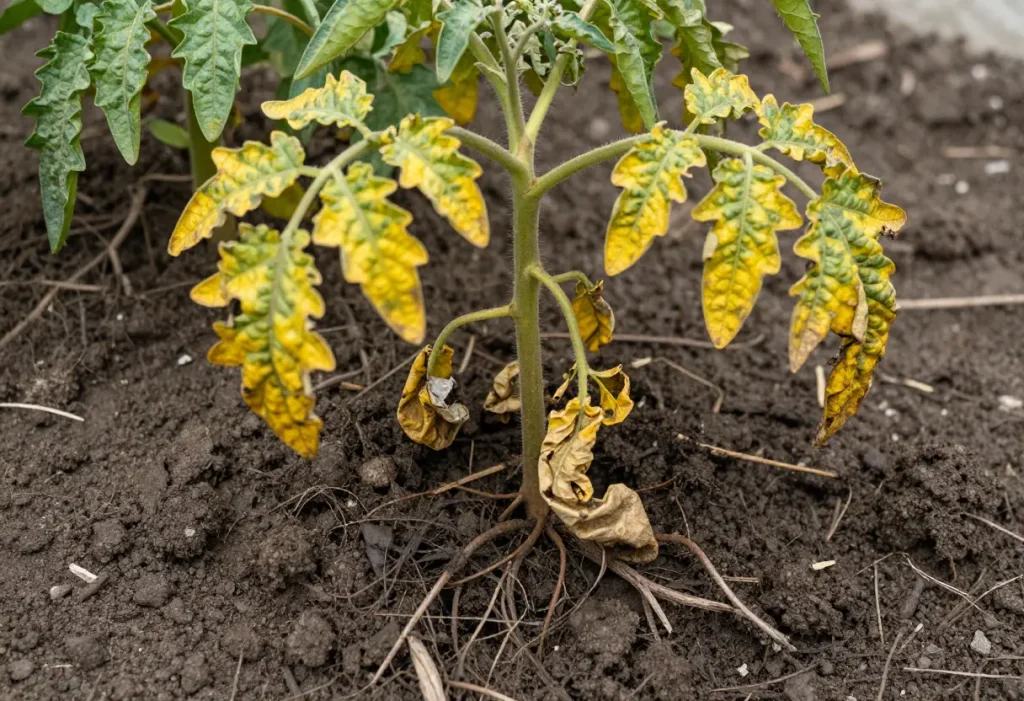
Leaves may turn yellow or wilt without clear cause. The plant looks weak, even with enough water. Stems near the soil line can become soft and dark. Roots start to look brown and mushy instead of white and firm.
Leaves turn brown and dry out quickly. The plant may stop growing and look dead. The stem may collapse at the soil level. Roots become very rotten and may smell bad. The plant can fall over easily.
Root rot reduces the plant’s ability to absorb water. Growth slows down or stops completely. Fruits may be small or fail to develop. The whole plant looks unhealthy and weak. The risk of losing the tomato plant increases.
Preventing root rot in tomatoes starts with smart care and attention. Healthy roots make strong plants. Avoiding root rot means stopping the problem before it begins. Focus on soil, water, and plant choices. These three areas control root health.
Choose well-draining soil. Tomato roots do not like standing water. Mix sand or organic matter into the soil to improve drainage. Test soil pH to keep it slightly acidic, around 6.0 to 6.8. Good soil stops harmful fungi from growing. Avoid heavy clay soil that holds too much water.
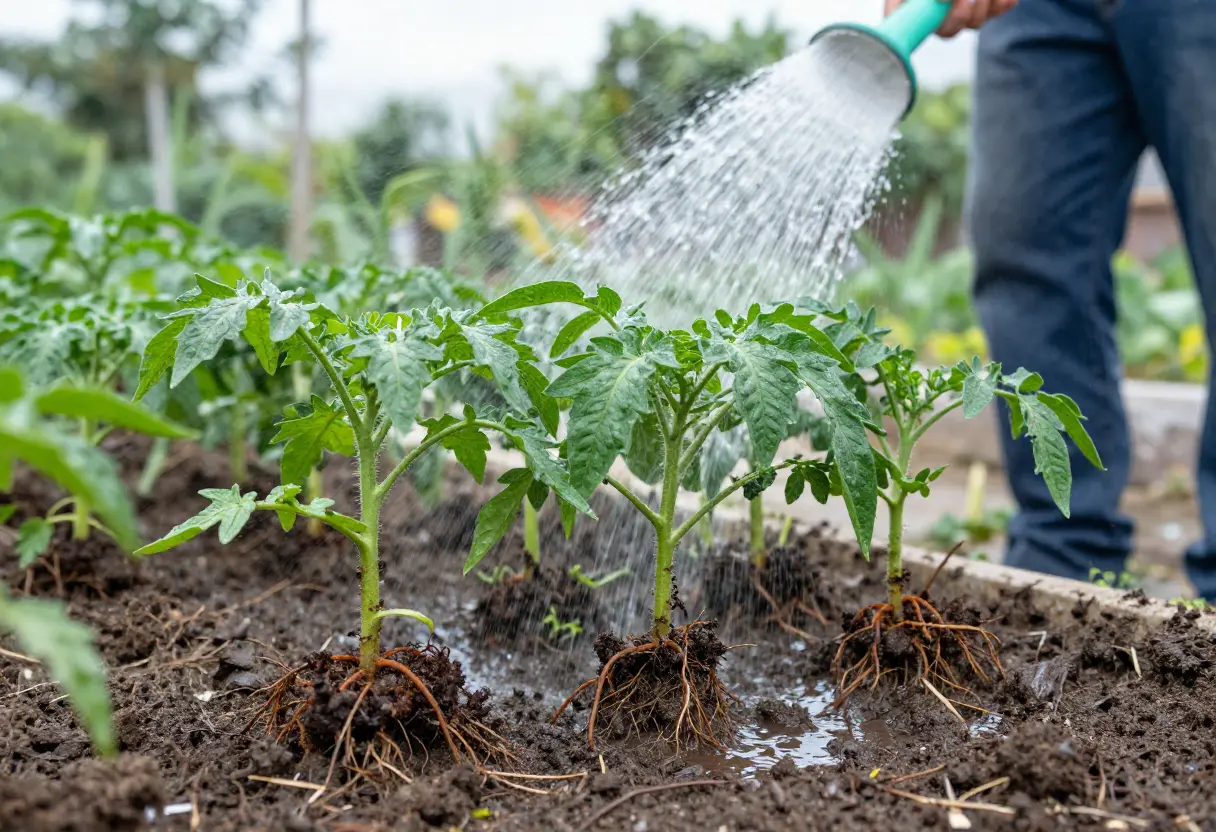
Water tomatoes deeply but less often. Let soil dry a bit between waterings. Use drip irrigation or soaker hoses to keep leaves dry. Wet leaves invite diseases. Water early in the day to let soil dry by evening. Overwatering causes roots to rot fast.
Select tomato varieties bred to resist root rot. Disease-resistant plants survive better in tough conditions. Look for labels like "Fusarium wilt resistant" or "Verticillium wilt resistant." These varieties handle soil fungi well. Planting strong varieties reduces the risk of root problems.
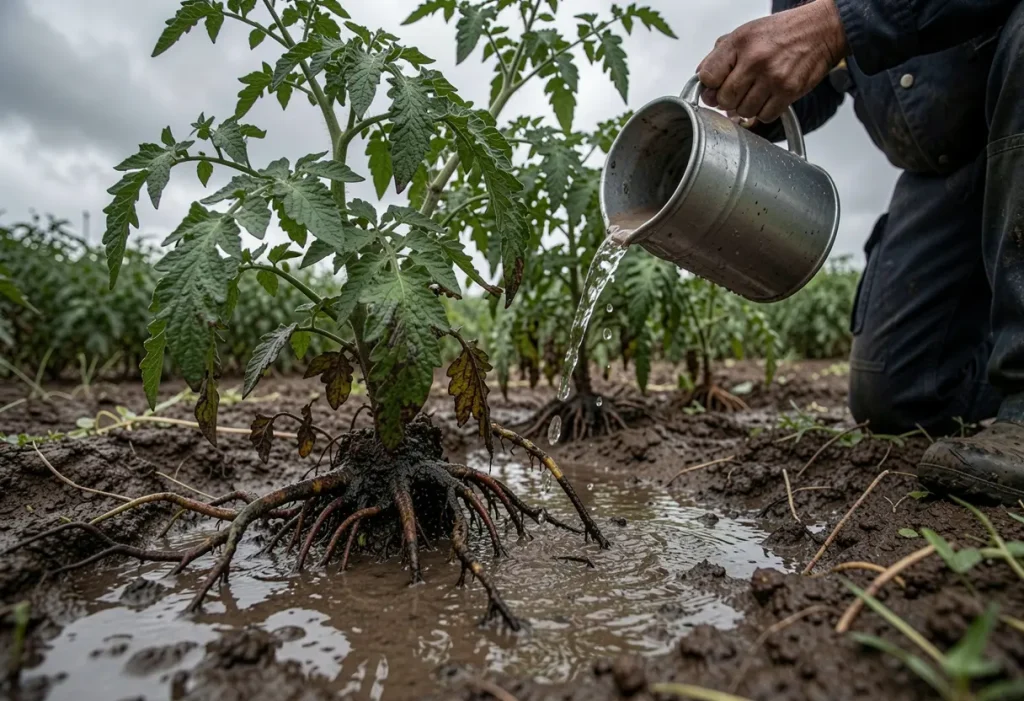
Treating tomato plants infected with root rot requires careful steps. Acting fast can save your plants and prevent the disease from spreading. Focus on cleaning the roots, using fungicides, and improving soil conditions.
Start by gently digging around the tomato plant. Look for roots that are dark, soft, or mushy. Use clean scissors or pruning shears to cut away all damaged roots. Dispose of these roots far from your garden. This step helps stop the infection from growing deeper. Be careful not to hurt the healthy roots.
Choose a fungicide labeled for root rot in tomatoes. Follow the instructions on the package closely. Apply the fungicide to the soil and plant base. Repeat the treatment as directed to ensure full protection. Fungicides help kill the fungus and protect new roots. Wear gloves and avoid inhaling the spray during use.
Check your soil’s drainage. Waterlogged soil encourages root rot fungus. Add organic matter like compost or sand to improve soil texture. Raise the planting area if water pools after rain. Use containers with drainage holes if growing tomatoes in pots. Good drainage keeps roots dry and healthy.
Recovering tomato plants from root rot requires careful attention and gentle care. The right steps can help the plant regain strength and grow healthy again. Focus on giving the plant a fresh environment, proper nutrients, and close observation.
Remove the tomato plant from its current pot carefully. Shake off old soil and trim away all damaged roots. Use a clean pot with good drainage holes. Fill it with fresh, well-draining soil to avoid water buildup. Plant the tomato at the same depth as before. Water lightly to settle the soil around the roots. Keep the plant in a shaded area for a few days to reduce stress.
Root rot weakens the plant’s ability to take nutrients. Use a balanced, water-soluble fertilizer to feed the tomato. Apply the fertilizer in small amounts to avoid overfeeding. Choose fertilizers rich in nitrogen, phosphorus, and potassium. These nutrients support root and leaf growth. Organic compost can also improve soil health and provide slow-release nutrients. Avoid using too much fertilizer while roots are still fragile.
Watch the tomato plant daily for signs of improvement or decline. Look for new leaves and firm stems as signs of recovery. Check soil moisture regularly to prevent overwatering. Avoid letting the soil dry out completely. Remove any yellow or dead leaves promptly. Keep an eye out for pests or diseases that may attack weakened plants. Early detection helps keep the plant strong.
Root rot in tomatoes is a common problem that affects many gardeners. Avoiding certain mistakes can help keep your plants healthy. Understanding what to watch out for is key to preventing root rot.
Too much water creates a perfect home for root rot fungi. Soil stays wet and roots cannot breathe. Water tomatoes only when the top inch of soil is dry. Use well-draining soil to help water flow away quickly. Overwatering weakens plants and speeds up root decay.
Poor soil leads to weak tomato roots. Soil that holds too much water traps moisture around roots. Healthy soil should drain well and contain organic matter. Adding compost improves soil structure and feeds plants. Check soil pH and nutrients regularly to keep roots strong.
Spotting root rot early can save your tomato plants. Waiting too long lets the disease spread. Remove affected plants or parts immediately. Use fungicides or natural remedies to control fungi. Early action prevents root rot from damaging your entire garden.
Root rot is caused by fungi in wet, poorly drained soil that attack tomato roots.
Look for yellow leaves, wilting, and soft, dark roots near the soil line.
Yes, root rot can kill tomato plants if untreated by damaging root systems.
Well-drained, sandy soil with good air flow helps keep roots healthy and dry.
Remove affected plants, improve drainage, and avoid overwatering to stop root rot spread.
Root rot can harm tomato plants quickly. Check soil drainage and avoid overwatering. Healthy roots keep plants strong and productive. Use clean tools and fresh soil for planting. Act fast if symptoms appear to save plants. Growing tomatoes takes care and attention.
Simple steps prevent root rot and help plants thrive. Keep your garden healthy and enjoy fresh tomatoes all season.