Gardening Made Simple.
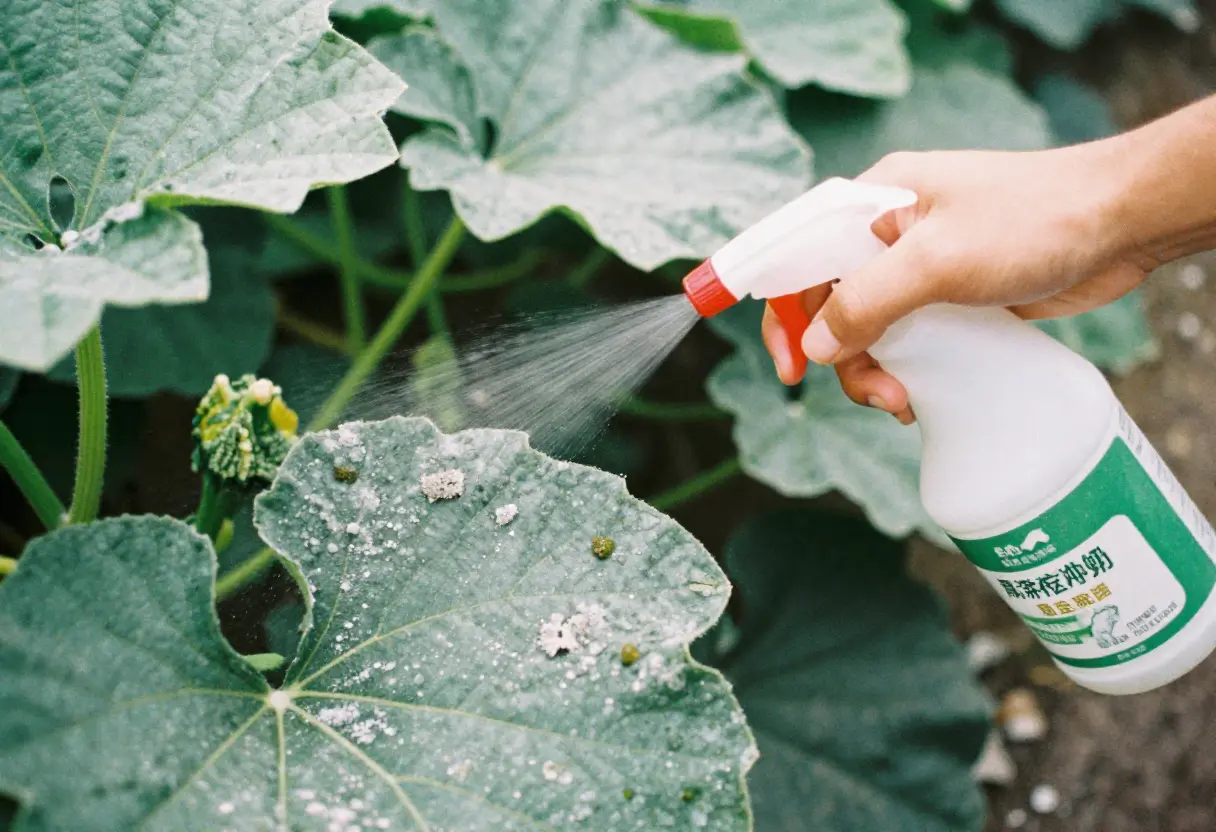
Is your garden struggling with that white, powdery fuzz on your plants? A simple home remedy for powdery mildew can help stop it from spreading, keeping your leaves healthy, strong, and free from this common fungal problem.
But don’t worry—you don’t need expensive chemicals or complicated treatments to fight it. You’ll discover simple, effective home remedies that you can use right now to protect your plants and bring your garden back to life. Keep reading to learn how to stop powdery mildew before it spreads and ruin your hard work.
Your garden deserves the best care, and you have the power to give it!
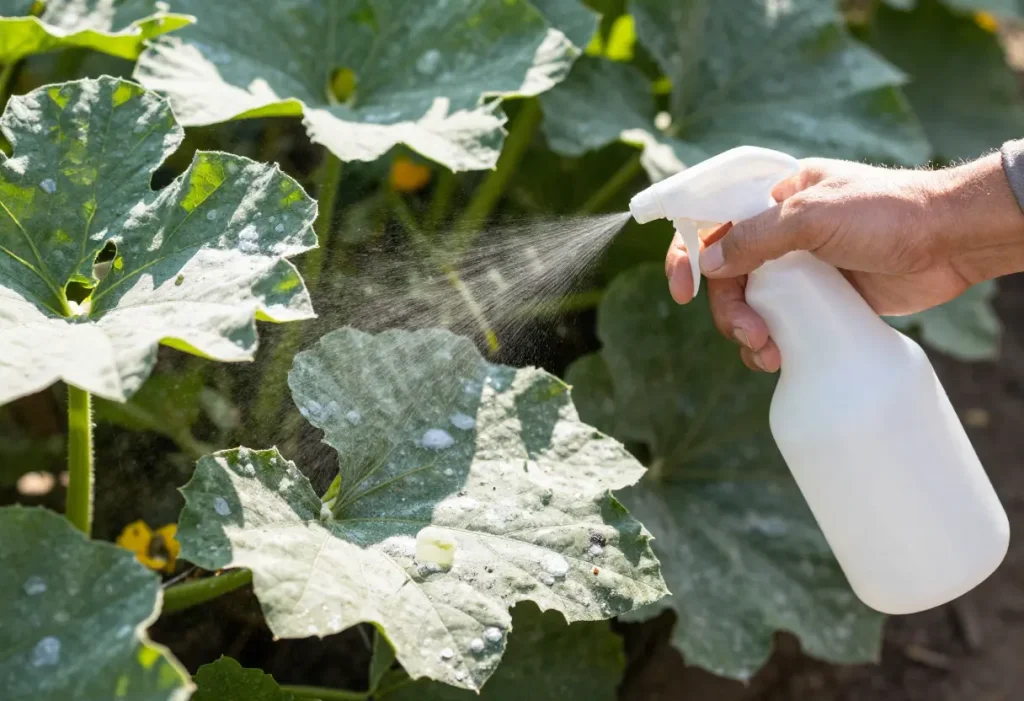
Powdery mildew is a common plant disease that affects many gardeners. It appears as a white, powdery coating on leaves and stems. Understanding the causes helps protect plants and treat the problem effectively.
Powdery mildew attacks many types of plants. Roses, cucumbers, and squash often suffer from it. Grapes and melons are also common targets. Even indoor plants like ivy can get this disease. Knowing which plants are at risk helps in early detection.
Powdery mildew thrives in warm and dry environments. It spreads quickly in places with poor air circulation. Shady areas with high humidity also encourage growth. Overcrowded plants create the perfect conditions. These factors increase the chance of an outbreak.
Powdery mildew is a common fungal problem in gardens and homes. Knowing its signs helps catch it early. Early detection means easier control and healthier plants. Recognizing the symptoms quickly protects your plants from damage.
Powdery mildew shows as white or gray powder. It usually covers leaves, stems, and buds. The powder looks like dust or flour on plants. Leaves may curl, twist, or turn yellow. Spots spread fast in warm, dry places.
Plants with powdery mildew grow weak and slow. The fungus blocks sunlight, reducing photosynthesis. This causes leaves to drop early. Fruits and flowers can become small or misshapen. Severe infection may kill the plant over time.
Powdery mildew is a common problem for many gardeners. It shows up as a white powdery layer on leaves and stems. Using natural ingredients can help control this fungal disease safely. These remedies are easy to find and gentle on plants.
Natural ingredients fight powdery mildew by stopping its growth and spreading. They also improve plant health without harmful chemicals. Here are some effective home remedies using simple items from your kitchen or garden.
Baking soda changes the pH on leaf surfaces. This makes it hard for powdery mildew to grow. Mix one tablespoon of baking soda with one gallon of water. Spray this solution on affected plants every week. Avoid using too much, as it can harm leaves.
Neem oil comes from the neem tree seeds. It works as a natural fungicide and insect repellent. Mix two teaspoons of neem oil with one gallon of water. Spray plants thoroughly to stop powdery mildew. Neem oil also boosts plant immunity against diseases.
Garlic has strong antifungal properties. Crush several garlic cloves and soak them in water overnight. Strain the mixture and spray it on infected plants. Garlic spray helps reduce mildew spores and keeps plants healthy. Use it every few days for best results.
Milk is a simple and effective remedy for powdery mildew. Mix one part milk with two parts water. Spray this mix on leaves early in the morning. Milk creates a protective layer that kills mildew spores. Repeat application weekly to prevent re-infection.

DIY home remedies offer a safe way to treat powdery mildew on plants. These methods use common ingredients found at home. They help control the fungus without harsh chemicals. You can try these easy recipes to protect your garden. Each remedy targets powdery mildew effectively and naturally.
Baking soda changes the pH on plant leaves. This makes the environment tough for mildew to grow. Mix 1 tablespoon of baking soda with 1 gallon of water. Add a few drops of liquid soap to help it stick. Spray the solution on affected leaves once a week. Avoid spraying in direct sunlight to prevent leaf burn.
Neem oil is a natural antifungal agent. It kills powdery mildew spores on contact. Blend 2 teaspoons of neem oil with 1 teaspoon of mild liquid soap in 1 quart of water. Shake well and spray on infected plants every 7 to 14 days. Use in early morning or late evening for best results.
Garlic contains sulfur compounds that fight fungal diseases. Crush 2 to 3 garlic cloves and soak them in 1 quart of water overnight. Strain the mixture and add a few drops of soap. Spray the garlic water on plants with powdery mildew. Repeat every 5 to 7 days to keep mildew away.
Milk helps reduce powdery mildew by boosting plant immunity. Mix 1 part milk with 2 parts water. Spray the mixture on affected leaves early in the day. Apply every 10 days for ongoing protection. Use fresh milk for the best antifungal effects.
Knowing how to apply home remedies for powdery mildew is key for success. Proper application helps protect plants without wasting effort. Follow simple tips for the best results.
Apply the remedy at the first sign of powdery mildew. Early treatment stops the disease from spreading. Avoid applying during wet or rainy weather. Choose a calm, dry day for spraying.
Spray the affected plants every 7 to 10 days. Repeat the application until mildew disappears. Do not overuse the remedy; too much can harm plants. Consistency is better than heavy, rare spraying.
Wear gloves and protect your skin during application. Test the remedy on a small leaf first. Watch for any plant reaction before full spraying. Avoid spraying in direct sunlight to prevent leaf burn.
Preventing powdery mildew naturally protects plants and reduces chemical use. Simple changes in garden care stop mildew before it starts. Healthy plants resist diseases better and grow strong.
Space plants far enough to avoid crowding. Crowded plants trap moisture and create mildew-friendly spots. Air moves freely with good spacing, keeping leaves dry. Follow seed packet or plant tag instructions for best distance.
Ensure fresh air flows around plants. Trim dense foliage to open gaps for air. Avoid planting near walls or fences that block breeze. Good airflow lowers humidity and stops mildew spores from settling.
Water plants early in the day to let leaves dry fast. Use drip irrigation or water at the plant base only. Wet leaves stay damp and invite powdery mildew. Avoid overhead watering and overwatering to keep plants healthy.
Home remedies often help control powdery mildew on plants. Small patches can be treated with baking soda, milk sprays, or neem oil. Yet, some situations need expert attention. Recognizing when to seek professional help can save your garden from serious damage.
Powdery mildew can spread fast. Large areas of a plant covered in white powder show a severe infestation. At this stage, home treatments might not work well. The fungus can weaken plants and reduce their growth. Professional gardeners or plant doctors offer stronger treatments. These experts use safe fungicides that kill mildew effectively. They also advise on pruning and plant care to stop mildew return.
Some plants do not respond to common home remedies. Powdery mildew may resist simple sprays or homemade solutions. This resistance means the fungus survives and spreads. Professionals can identify resistant strains and suggest special treatments. They may also recommend planting mildew-resistant varieties. These plants naturally avoid mildew and need less care. Getting expert advice helps protect your garden long-term.
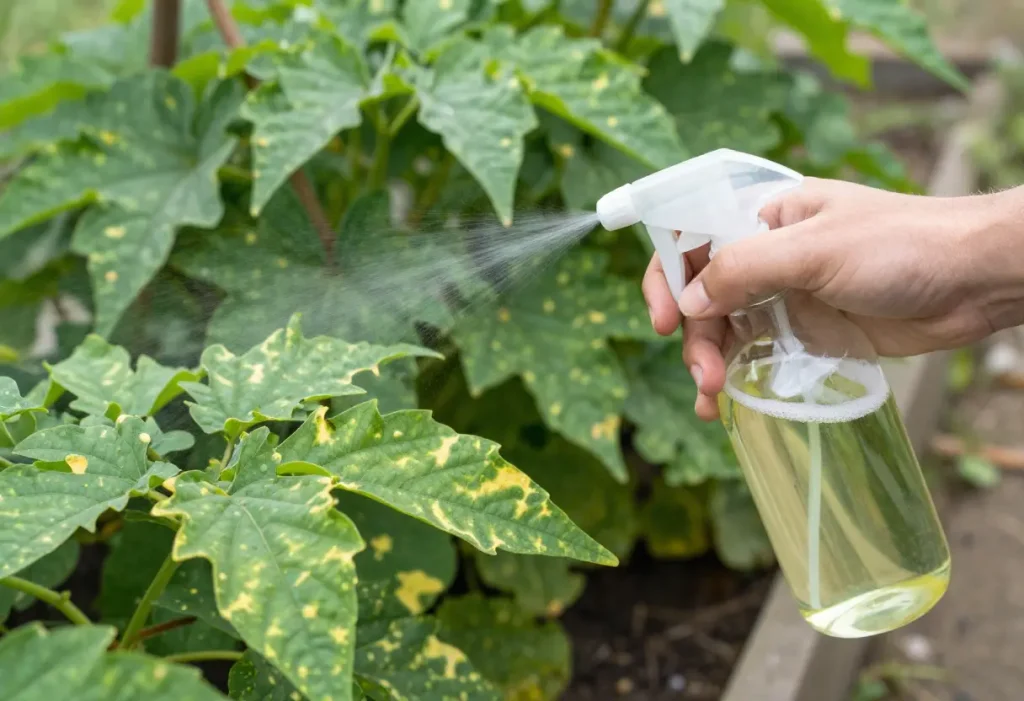
Mix water, baking soda, and a few drops of soap. Spray on affected plants.
Baking soda changes leaf surface pH, stopping mildew growth without harming plants.
Yes, diluted milk sprayed on leaves can reduce powdery mildew spread.
Apply every 7-10 days until mildew disappears and plants look healthy again.
Most home remedies are gentle, but test on a small area first to avoid damage.
Powdery mildew can harm your plants if left untreated. Using home remedies helps control it safely and cheaply. Regular checks keep mildew from spreading fast. Simple ingredients like baking soda and water work well. Treating plants early saves their health and beauty.
Try these easy steps to protect your garden. Healthy plants mean a happier, greener space for you. Keep your garden clean and dry to prevent problems. Stay patient and consistent for the best results. Your plants will thank you with strong growth.