Gardening Made Simple.
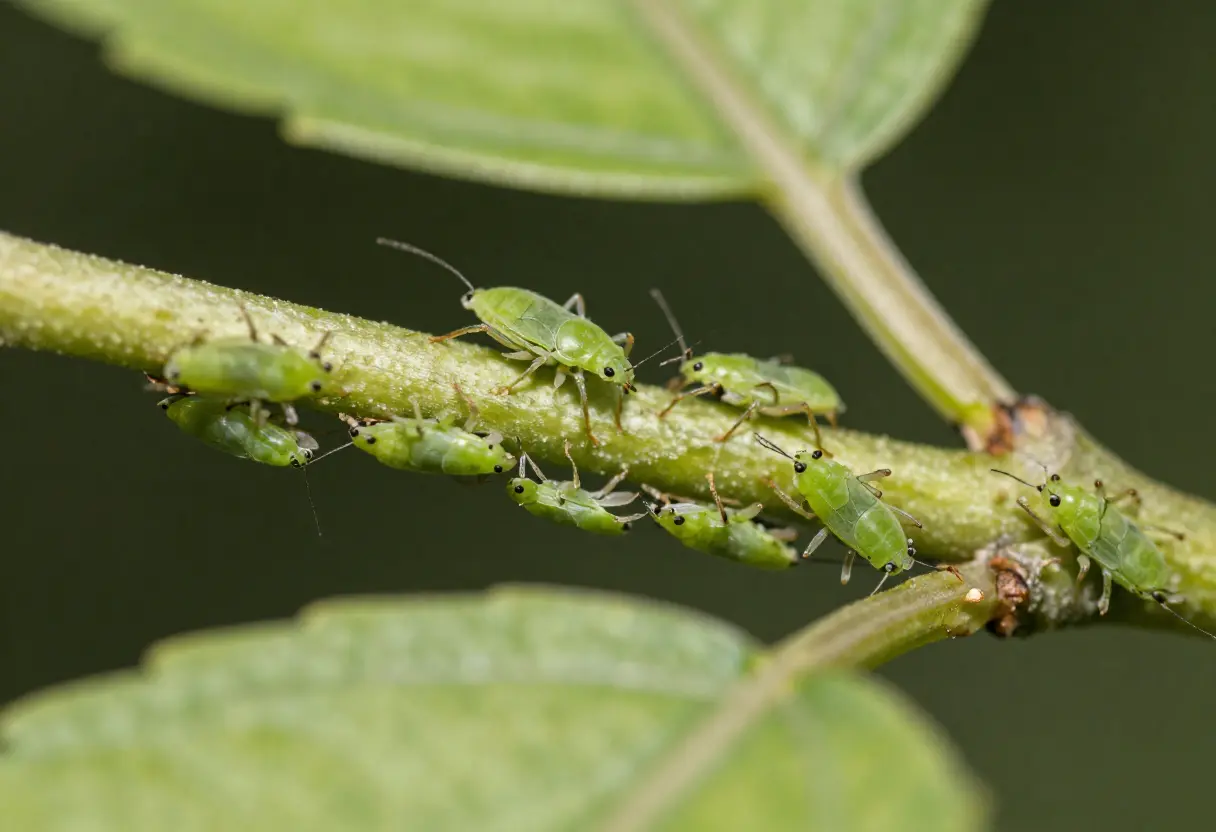
Are you noticing sticky leaves, curled foliage, or an unusual number of tiny insects on your large tree? These could be signs of an aphid infestation—one of the most common yet damaging problems for big trees. Addressing Aphid Infestation on Large Trees issues early can help protect your tree and restore its health.
If left unchecked, aphids can weaken your tree, making it vulnerable to disease and even causing long-term harm. You’ll discover how to identify aphid infestations early, understand why they thrive on large trees, and learn simple, effective ways to protect your green giants.
Keep reading to save your tree and keep your outdoor space healthy and beautiful.
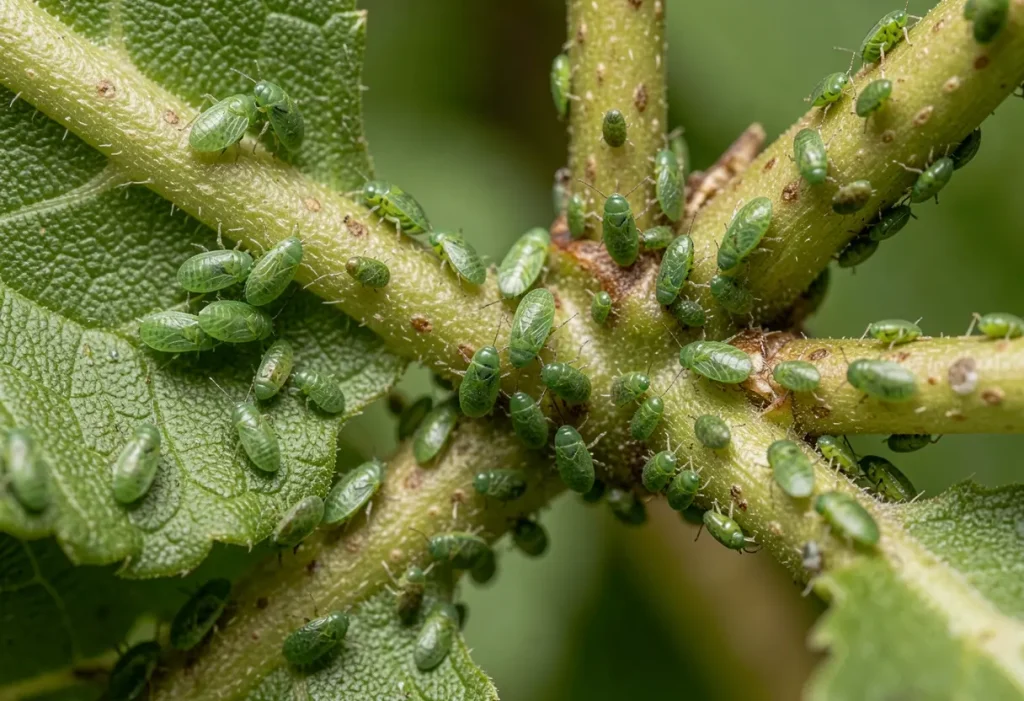
Aphids are tiny insects that can cause big problems for large trees. They feed on tree sap and weaken the tree over time. Detecting aphid infestation early helps protect your tree’s health. Several clear signs show aphids are present.
Aphids suck sap from leaves, making them curl and twist. Leaves may also turn yellow or pale. This damage reduces the tree’s ability to make food. Curling leaves often appear sticky or distorted.
Aphids produce a sticky liquid called honeydew. It covers leaves and branches. Honeydew attracts black sooty mold, a fungus that grows on the sticky surface. This mold blocks sunlight and harms the tree’s growth.
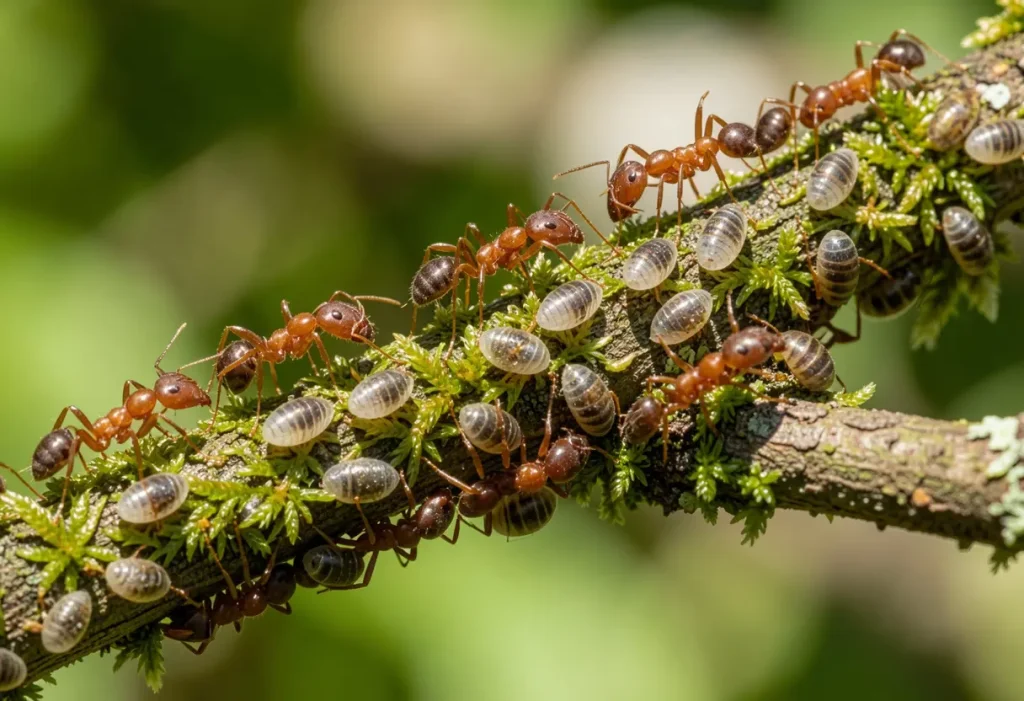
Ants protect aphids because they eat honeydew. Seeing many ants on your tree often means aphids live there. You may also spot small green, black, or brown aphids clustered on stems and leaves.
Aphids often attack large trees because these trees offer abundant food and shelter. Large trees have many leaves and branches, which provide a perfect home for aphids. They suck the sap from the tree, which weakens it over time. Understanding why aphids prefer big trees helps in managing infestations better.
Aphids do not attack all trees equally. They favor certain types of trees more than others. Trees like maple, oak, and apple often attract aphids. These trees produce sap that aphids find tasty and easy to access. The softness of young leaves also makes feeding easier for aphids.
Aphids thrive in warm and humid weather. Such conditions help them reproduce quickly. Large trees in sheltered spots with little wind offer good protection. These trees maintain moisture around their leaves, which aphids need. Drought-stressed trees may also attract aphids because their defenses weaken.
Natural predators play a key role in controlling aphid infestations on large trees. These beneficial insects eat aphids and help keep their numbers low. Using natural predators is safe and eco-friendly. It reduces the need for harmful chemicals. This method supports healthy trees and a balanced environment.
Ladybugs are well-known aphid hunters. They can eat hundreds of aphids each day. Both adult ladybugs and their larvae feed on aphids. Lacewings are another powerful predator. Their larvae, called aphid lions, consume many aphids quickly. These insects are attracted to trees with aphid problems. They help reduce aphid populations naturally.
Parasitic wasps are tiny but effective aphid controllers. They lay eggs inside aphids. The wasp larvae then feed on the aphids from within. This kills the aphids and stops their spread. Parasitic wasps target specific aphid species. This keeps aphid numbers low without harming other insects.
Effective chemical treatments can control aphid infestations on large trees. These treatments target aphids directly and reduce their numbers quickly. Choosing the right chemical method helps protect the tree and surrounding plants. Proper use also minimizes harm to beneficial insects and the environment.
Insecticidal soaps work by breaking down the outer layer of aphids. This causes them to dry out and die. They are safe for most plants and small animals. Spray the soap thoroughly on all tree parts where aphids gather. Repeat treatments every few days until aphids disappear.
Neem oil comes from the neem tree and acts as a natural pesticide. It disrupts aphid feeding and growth. Spray neem oil on the leaves and branches to reduce aphid activity. Apply it in the early morning or late afternoon to avoid sun damage. Neem oil also helps keep many pests away.
Systemic insecticides enter the tree’s sap and move through its tissues. Aphids ingest these chemicals when they feed on the tree. This method kills aphids deep inside the canopy. Use systemic insecticides carefully and follow label instructions. Avoid overuse to protect beneficial insects and the environment.
Aphids can harm large trees by sucking sap and spreading disease. Cultural practices help reduce aphid numbers naturally. These methods support the tree's health and make it less inviting to pests.
Following simple steps can keep aphid infestations low. Healthy trees resist pests better. Proper care creates a strong defense against aphids.
Prune your tree to remove crowded branches. This improves air flow and light inside the canopy. Aphids prefer dense, shady areas. Cutting these parts makes the environment less friendly to aphids. Remove dead or weak branches quickly. Clean cuts help the tree heal faster and stay strong.
Strong trees fight pests more effectively. Avoid stressing your tree with rough treatment. Keep the soil healthy and free from compaction. Mulching helps keep moisture and temperature stable. Prevent damage from lawn mowers or tools near the tree base. Healthy bark protects the tree from aphid entry points.
Water trees deeply but less often. This encourages strong root growth. Too much water causes soft, weak growth that aphids love. Use fertilizers carefully and avoid overfeeding. Balanced nutrients help the tree stay vigorous and resist pests. Test soil before adding fertilizers to know what your tree needs.
Homemade remedies offer safe ways to control aphids on large trees. These methods use common household items. They reduce harmful chemicals near your plants. Simple sprays can stop aphids from damaging leaves and branches. Regular treatment helps keep the tree healthy and strong.
Soap and water spray is a popular and easy remedy. Mix one teaspoon of mild liquid soap with one quart of water. Pour the mixture into a spray bottle. Spray the solution directly on aphids and affected leaves. The soap breaks down the aphids’ protective coating. This causes them to dry out and die. Spray in the early morning or late afternoon for best results. Avoid strong soaps that can harm the tree.
Garlic and pepper solutions repel aphids with their strong smells. Crush several garlic cloves and a few hot peppers. Soak them in water for 24 hours. Strain the mixture and pour it into a spray bottle. Spray the solution on tree leaves and branches. The smell drives aphids away and stops them from feeding. Repeat every few days to keep aphids under control. This natural method also protects beneficial insects.
Detecting aphid infestations early on large trees helps protect their health. Small aphids can cause big damage fast. Catching them early prevents widespread harm and costly treatments. Careful monitoring and quick action keep trees strong and green.
Inspect trees often for signs of aphids. Look closely at leaves, branches, and buds. Check for sticky residue or curled leaves. Aphids cluster in groups, so spot them early. Use a magnifying glass for tiny insects. Early detection means easier control.
Sticky traps catch flying aphids before they settle. Place traps near tree canopies and trunks. Yellow traps work best as aphids are attracted to this color. Monitor traps weekly and replace when full. Use indicators like honeydew and sooty mold as warning signs. These show aphids are feeding on the tree.
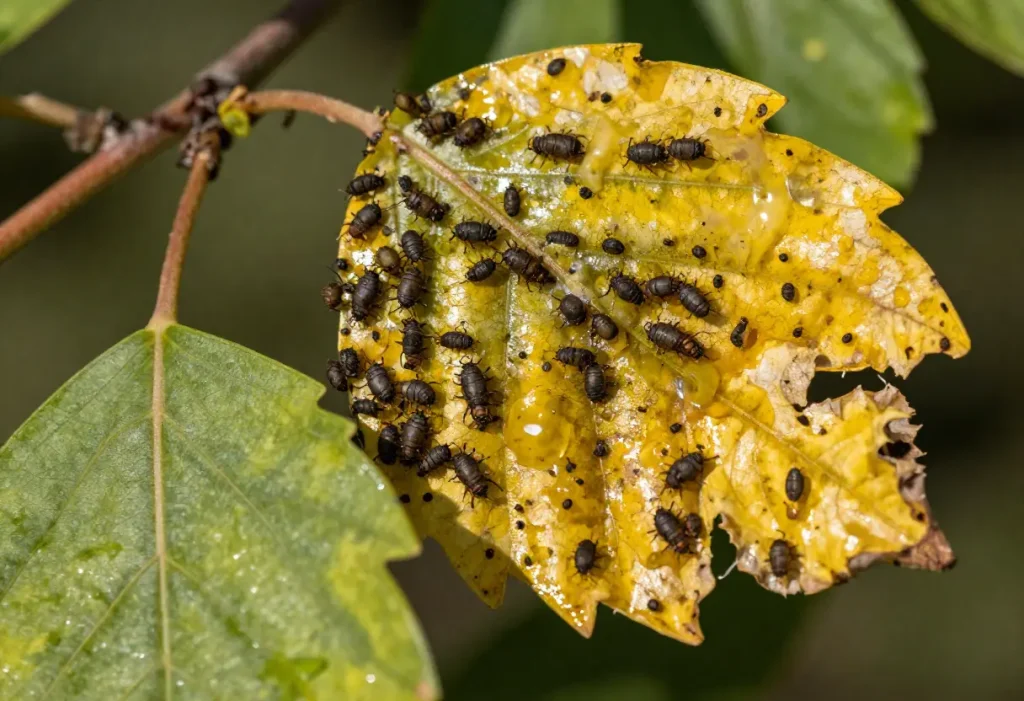
Look for sticky leaves, curled or yellow leaves, and clusters of small insects on branches.
Aphids suck sap from leaves and stems, causing weak growth and leaf drop.
Severe infestations can stress trees and make them vulnerable, but rarely kill healthy trees.
Ladybugs, neem oil, and strong water sprays help reduce aphid numbers safely.
Early spring and late summer treatments work best to stop aphids before they spread.
Aphid infestations can harm large trees quickly. Watch for signs like sticky leaves or curled foliage. Act fast to stop damage and keep trees healthy. Use natural or safe treatments to protect your tree. Regular checks help catch problems early.
Strong trees resist pests better. Taking care of your tree means it will grow strong and last long. Stay alert and protect your trees from aphids.