Gardening Made Simple.
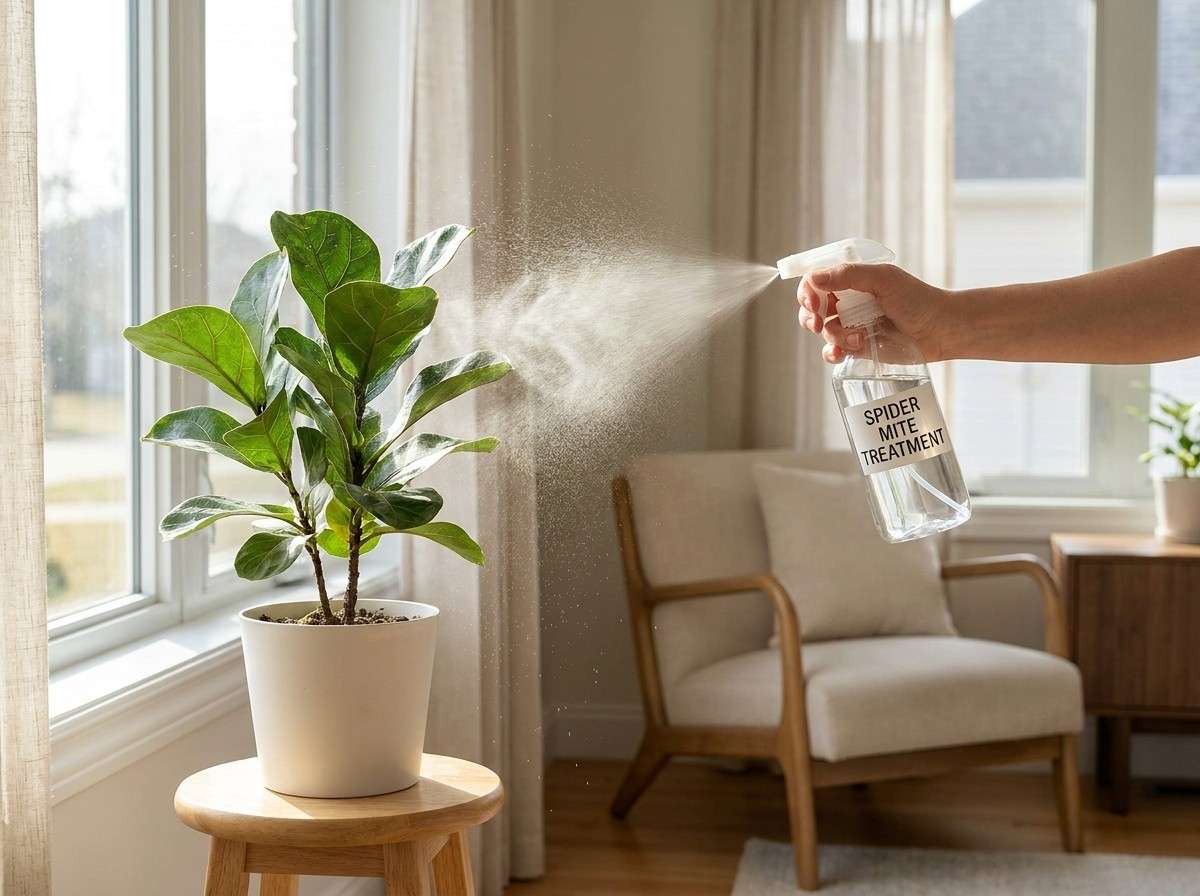
Are you noticing tiny webs or tiny specks moving on your indoor plants? Those could be spider mites, one of the most common pests that can quickly harm your green friends. Using the right Spider Mite Treatment for Indoor Plants will help you eliminate these pests and keep your plants healthy and thriving.
If you want to save your plants and keep them healthy, you need effective spider mite treatment right away. You’ll discover simple and practical ways to spot and eliminate spider mites before they take over your indoor garden. Keep reading to protect your plants and enjoy a vibrant, pest-free home.
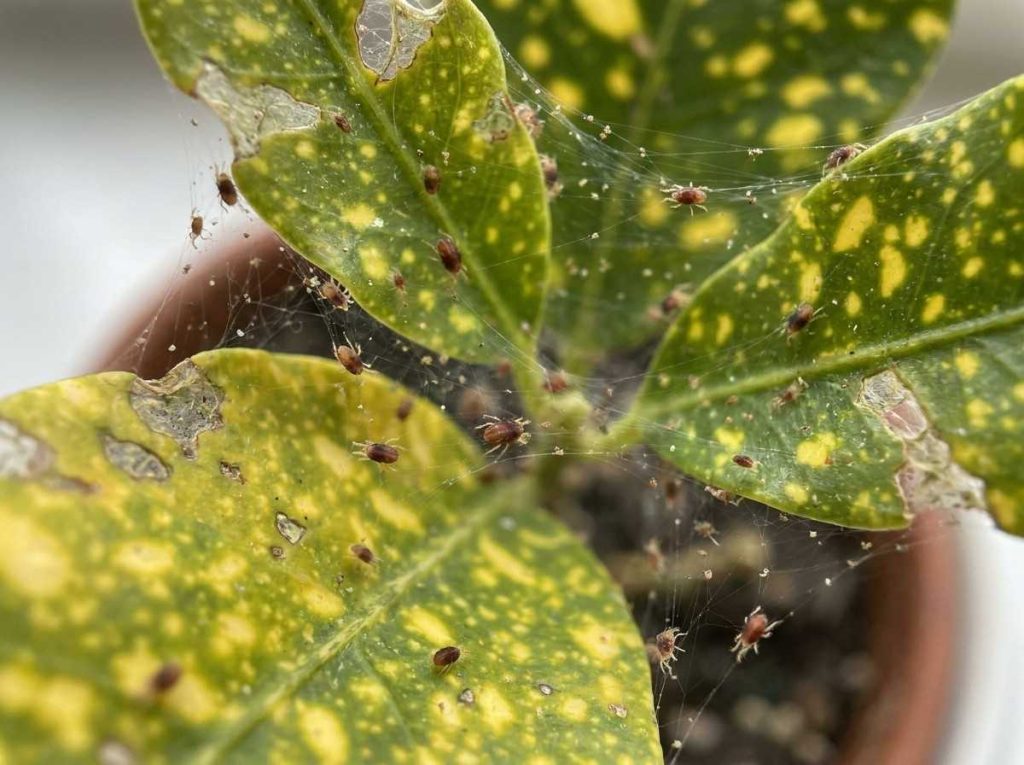
Spider mites are tiny pests that harm indoor plants. They are hard to see with the naked eye. Knowing how to spot them early helps save your plants.
Identifying spider mites is key to stopping damage. Look for small signs and understand their behavior. This section helps you learn what to watch for and which plants get affected the most.
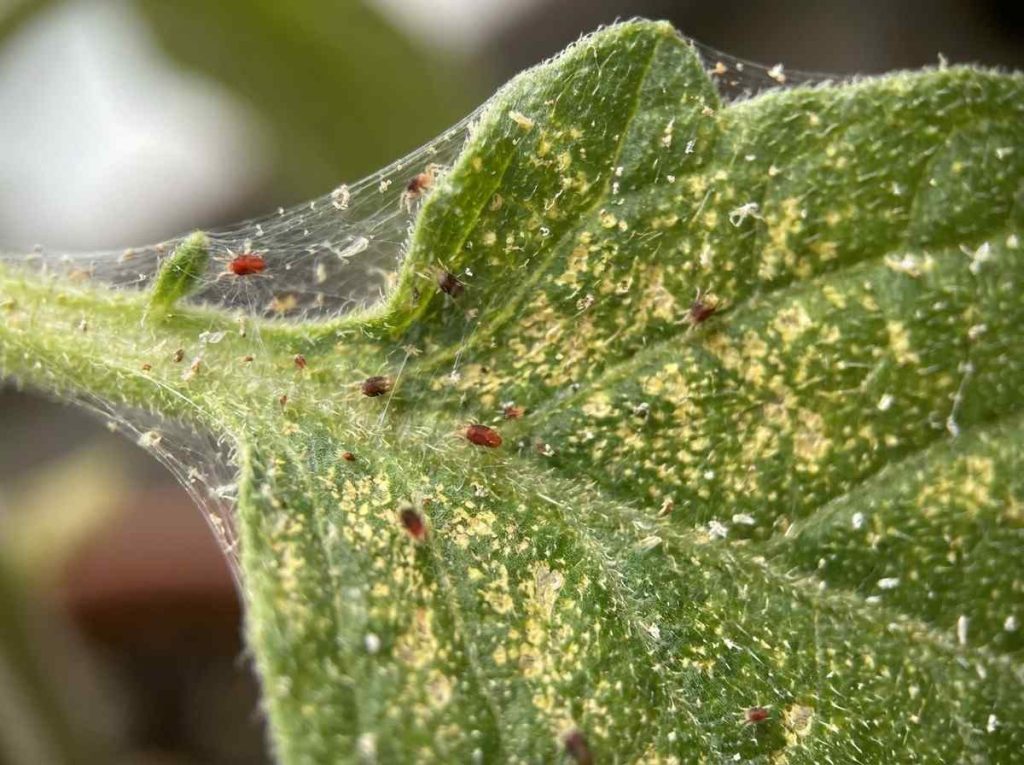
Spider mites leave small yellow or white spots on leaves. Leaves may look dusty or have fine webbing. You might see tiny moving dots under leaves. Leaves can turn brown and fall off.
Spider mites like many indoor plants. They often attack tomatoes, beans, and roses. Houseplants like palms, ivy, and ficus are also targets. They prefer dry, warm places on plants.
Spider mites grow fast. Eggs hatch in a few days. Young mites feed on leaves and grow quickly. They spin webs for protection. Mites hide on the underside of leaves. They multiply rapidly in dry conditions.
Preventing spider mite problems is key to keeping indoor plants healthy. These tiny pests can cause serious damage fast. Taking simple steps can stop them before they start. Healthy plants resist pests better and stay vibrant. Below are easy ways to reduce spider mite risks in your home garden.
Spider mites thrive in dry air. Keep humidity around 40-60% to discourage them. Use a humidifier or place water trays near plants. Misting leaves helps, but avoid overwatering soil. Moist air makes it harder for spider mites to survive.
Check plants often for spider mites or damage. Look under leaves for tiny webs or specks. Early detection stops infestations from spreading. Use a magnifying glass if needed. Remove affected leaves or treat plants immediately.
New plants can carry spider mites or eggs. Keep new plants separate for at least two weeks. Observe them closely before adding to your collection. This prevents pests from spreading to healthy plants.
Natural remedies offer a safe way to treat spider mites on indoor plants. They reduce chemical use and protect your home environment. These methods work gently yet effectively to remove pests.
Natural treatments often improve plant health while controlling spider mites. They keep beneficial insects safe and avoid harsh residues. Using natural options supports a balanced indoor garden.
Neem oil is a popular natural solution for spider mites. It disrupts their life cycle and stops eggs from hatching. Mix neem oil with water and spray on affected leaves.
Apply neem oil every 7-10 days until spider mites disappear. Ensure full coverage on leaf undersides where mites hide. Avoid spraying during strong sunlight to prevent leaf damage.
Insecticidal soaps kill spider mites on contact. They remove pests without harming plants or people. Spray the soap solution directly on infested areas.
Use insecticidal soap once or twice a week for best results. Rinse plants with water after a few hours to avoid soap buildup. This treatment is safe for most indoor plants.
Essential oils like rosemary, peppermint, and eucalyptus repel spider mites. They create an environment pests dislike. Dilute a few drops in water and spray your plants.
Repeat application every 5-7 days during mite outbreaks. Test oil mixtures on a small leaf first to check for reactions. Essential oils also give your plants a fresh scent.
Chemical treatments are a common way to control spider mites on indoor plants. These treatments use special chemicals called miticides. They kill spider mites quickly and stop their spread. Chemical treatments work well when infestations are severe and other methods fail.
Choosing the right chemical is important. Not all miticides are safe for indoor use. Some can harm plants or people. Using the correct product helps keep plants healthy and safe.
Miticides target spider mites without hurting plants. Many options exist, but only some suit indoor plants. Look for products labeled safe for indoor plants. Common types include insecticidal soaps, neem oil, and specific miticide sprays. Each works differently to stop mites.
Insecticidal soaps suffocate mites by breaking their skin. Neem oil disrupts mite growth and feeding. Other miticides interfere with mite reproduction or nervous systems. Choose based on plant type and mite severity.
Always read the product label before use. Follow instructions carefully to avoid damage. Wear gloves and a mask when spraying chemicals. Keep children and pets away during treatment. Ensure good ventilation in the room. Avoid overuse to prevent plant stress.
Store chemicals in a safe place out of reach. Dispose of empty containers properly. Never mix different chemicals without advice. These steps protect your health and your plants.
Spray plants evenly, covering all leaves and stems. Focus on the undersides where spider mites hide. Apply treatments in the early morning or late evening. Avoid direct sunlight during spraying to prevent leaf burn. Repeat treatments as recommended by the product label.
Check plants regularly for signs of mites after treatment. Wash your hands after handling chemicals. Proper application ensures better control and healthy plants.
Biological controls offer a natural way to manage spider mites on indoor plants. They use living organisms to reduce pest populations. This method avoids harmful chemicals and supports a healthy plant environment.
Predatory mites eat spider mites and their eggs. They are small but effective hunters. Introducing these mites can lower spider mite numbers quickly. They thrive in indoor plant conditions and do not harm plants.
These mites work best when humidity is moderate. They need some spider mites to survive. This balance keeps spider mite populations in check naturally.
Several insects prey on spider mites. Ladybugs and lacewings are common examples. They feed on spider mites and other pests. Releasing these insects helps protect indoor plants without chemicals.
Beneficial insects adapt well to indoor settings. They search for spider mites on leaves and stems. Their presence creates a natural defense system for plants.
Combining predatory mites and beneficial insects enhances pest control. This mix targets spider mites at different stages. Using multiple biocontrols improves results and reduces resistance.
Keep plants healthy to support biocontrol agents. Avoid pesticides that kill beneficial species. Monitor pest levels regularly to adjust treatments as needed.
After treating your indoor plants for spider mites, care does not stop. Post-treatment care is key to help your plants heal and avoid a return of these pests. This phase supports plant recovery and strengthens their health for the future.
Check your plants daily for signs of improvement. Look for new healthy leaves and fewer mites. Watch for any yellowing or spots that may show stress. Early detection of issues helps you act fast. Keep a close eye on both leaves and stems.
Remove damaged or dead leaves to boost plant health. Use clean, sharp scissors to avoid spreading disease. Wipe leaves gently with a damp cloth to clear dust and mite residue. Clean pots and surrounding areas to remove leftover eggs or pests. A tidy environment reduces chances of mite return.
Keep your plants well-watered but avoid overwatering. Spider mites thrive in dry, dusty places. Increase humidity by misting leaves or using a humidifier. Rotate plants occasionally to ensure even light exposure. Regularly inspect plants to catch any new mite activity early. Consistent care keeps your indoor garden thriving and pest-free.
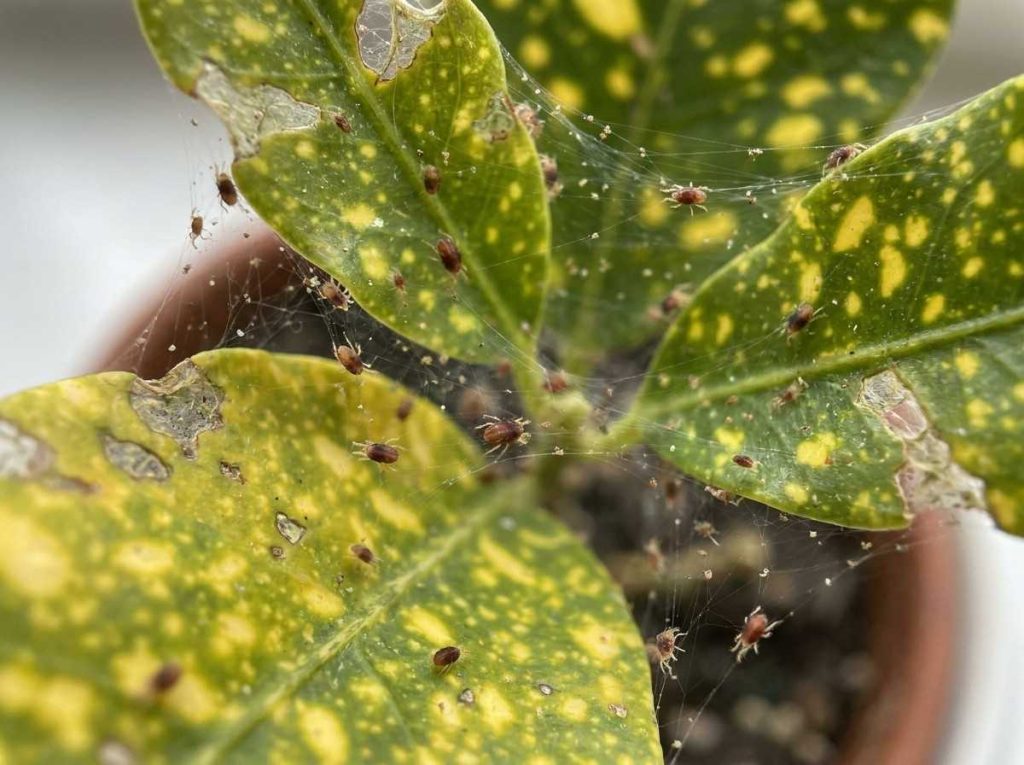
Look for tiny webs, yellow or brown spots, and leaf discoloration on plants.
Use neem oil, insecticidal soap, or spray water to remove spider mites.
Treat plants once a week until spider mites disappear completely.
Yes, heavy infestations can cause leaf loss and weaken plants over time.
Keep plants clean, avoid dry air, and check leaves regularly for pests.
Spider mites can harm indoor plants quickly. Acting fast stops damage and keeps plants healthy. Use gentle sprays and clean leaves often. Check plants regularly for tiny webs or spots. Natural treatments work well and are safe inside. Healthy plants resist pests better and grow strong.
Keep your indoor garden thriving with simple care. Stay patient and consistent with your treatment plan. Enjoy the beauty of pest-free plants every day.