Gardening Made Simple.
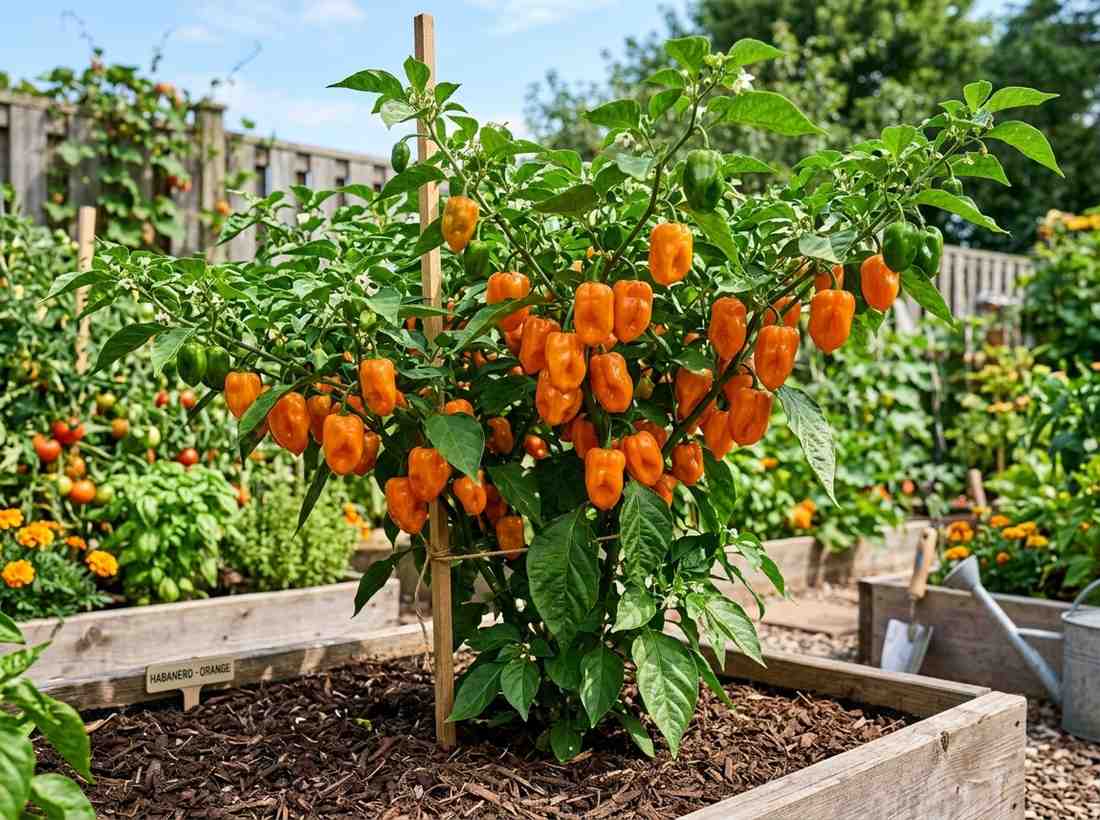
Growing your own habanero peppers is an exciting journey for anyone who loves spicy food or wants to try gardening with a bit of a challenge. These small, lantern-shaped peppers are famous for their fiery heat and unique fruity flavor. While they’re not the easiest plant for beginners, the process is rewarding, and a single plant can yield dozens of peppers in a season.
Whether you want to make hot sauces, salsas, or simply enjoy their vibrant color in your garden, learning how to grow habanero peppers at home gives you control over quality and freshness. In this guide, you’ll get practical advice, clear steps, and insider tips to ensure your habanero plants thrive—even if you’re new to gardening.
Before you start, it’s helpful to know what makes habanero peppers different from other chili varieties. Habaneros are part of the Capsicum chinense species. They’re much hotter than jalapeños or cayenne peppers, often measuring between 100,000 and 350,000 Scoville Heat Units (SHU). Their flavor is both spicy and fruity, with hints of citrus and mango.
Habaneros need a longer, warmer growing season than many other peppers. They thrive in temperatures between 70°F and 85°F (21°C to 29°C). Their slow start and high heat requirements make them a bit more demanding, but with the right approach, even gardeners in cooler climates can enjoy a good harvest.
There are many types of habaneros to choose from, each with its own flavor, color, and heat level. Here’s a look at some popular varieties:
| Variety | Color | Heat Level (SHU) | Flavor Notes |
|---|---|---|---|
| Orange Habanero | Orange | 150,000-325,000 | Classic fruity, citrusy heat |
| Red Savina | Red | 350,000-577,000 | Extra hot, smoky undertones |
| Chocolate Habanero | Brown | 300,000-450,000 | Earthy, smoky, rich |
| Caribbean Red | Red | 300,000-475,000 | Sweet, fruity |
| White Habanero | Creamy White | 100,000-300,000 | Mild, floral |
| Peruvian White | Ivory | 100,000-300,000 | Unique, mild, tangy |
When choosing a variety, consider the climate in your area, your taste preferences, and how much heat you can handle. For example, the classic orange habanero is widely available and a good starting point. If you want something milder, the white varieties are a great choice. If you love extreme heat, try the Red Savina.
Getting ready before you plant is key for success. Habaneros start best from seeds, although you can sometimes find young plants at nurseries.
You’ll need:
Habanero peppers thrive in well-draining, rich soil. Ideal soil should:
If planting outdoors, work compost into your garden bed a few weeks before transplanting. For containers, use a high-quality potting mix with added perlite or vermiculite for drainage.
Because habaneros grow slowly at first, start seeds 8–10 weeks before your last frost date. This gives them a long enough season to mature.
Once seedlings emerge, remove the cover and move them to a bright location. If using grow lights, keep them 2–3 inches above the plants and on for 14–16 hours daily.
About 1–2 weeks before planting outdoors, harden off seedlings. This means gradually exposing them to outdoor conditions:
This step helps prevent transplant shock and toughens the plants.
When all danger of frost is past and soil is warm (at least 65°F/18°C), it’s time to move seedlings outside. This is usually 2–3 weeks after your last frost date.
Habaneros love full sun—at least 6–8 hours per day. A south-facing garden bed or patio is ideal. Avoid low spots where water collects.
Use pots at least 3–5 gallons in size, with drainage holes. Container peppers need more frequent watering and feeding but can be moved to catch the most sun.
Now your plants are outside, focus on watering, feeding, and supporting healthy growth.
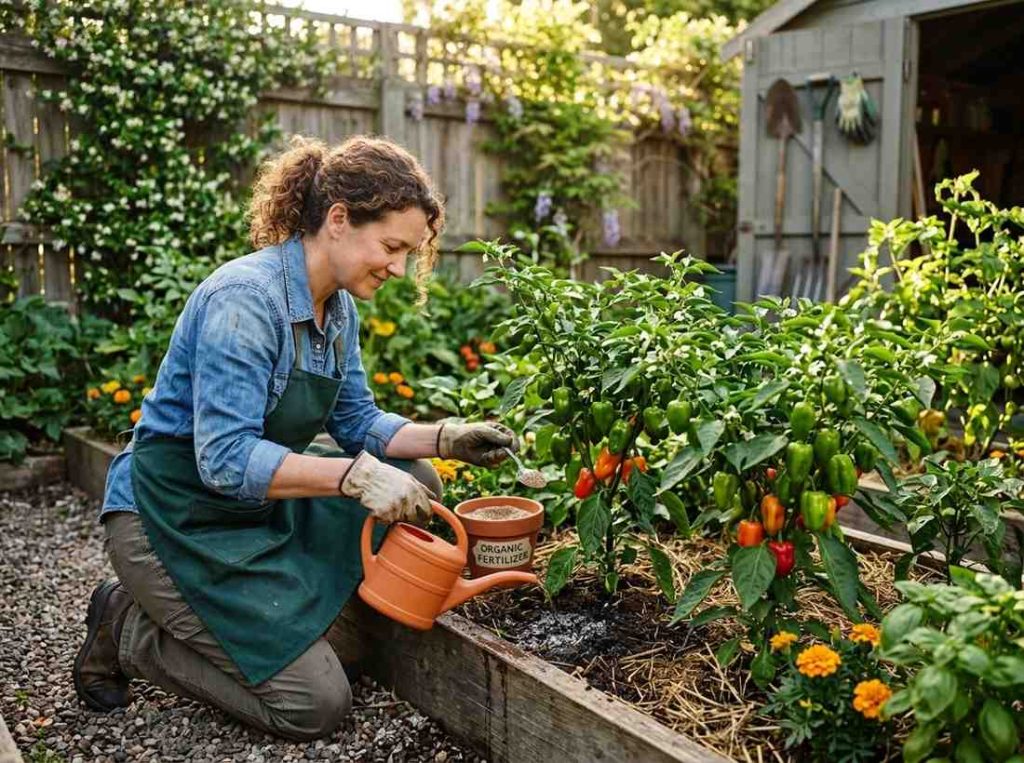
Add a 2–3 inch layer of organic mulch (straw, grass clippings, or compost) around plants. Mulch:
Habanero peppers are hungry plants. Use a balanced fertilizer (such as 10-10-10) every 3–4 weeks, or a slow-release granular fertilizer at planting. Once fruit sets, switch to a fertilizer higher in potassium and phosphorus for better yields.
Some habanero varieties can become top-heavy with fruit. Use small stakes or cages to support stems and prevent breakage.
Pruning isn’t required, but pinching the top of the main stem when plants are 6–8 inches tall can encourage bushier growth. Remove any yellow leaves or suckers near the base to improve airflow.
Habaneros are relatively tough but can face problems with pests and diseases. Early attention prevents most issues.
Habaneros are self-pollinating—their flowers contain both male and female parts. Still, bees and wind help improve fruit set.
If growing indoors or in a greenhouse, gently shake plants or use a small brush to transfer pollen between flowers. This boosts yields, especially if you see many flowers but few peppers.
Patience is key. Habaneros take 90–120 days from transplant to harvest, depending on the variety and climate.
Use scissors or garden snips to cut peppers, leaving a small stem attached. Pulling can damage the plant.
Fresh habaneros can be used in salsas, hot sauces, or dried for powder. They store for up to a week in the fridge, or much longer if dried or frozen.
For drying, string peppers and hang them in a warm, airy place, or use a dehydrator. Always handle dried peppers with care—dust can irritate eyes and lungs.
Even experienced gardeners sometimes struggle with habaneros. Here are some common errors and how to avoid them:
If you want to take your habanero growing to the next level, try these strategies:
Curious how habaneros compare to other popular hot peppers? Here’s a quick look:
| Pepper | Scoville Heat Units (SHU) | Flavor | Growth Difficulty |
|---|---|---|---|
| Habanero | 100,000–350,000 | Fruity, citrusy, floral | Moderate |
| Jalapeño | 2,500–8,000 | Bright, grassy, mild | Easy |
| Serrano | 10,000–23,000 | Fresh, crisp | Easy |
| Ghost Pepper (Bhut Jolokia) | 1,000,000+ | Super hot, smoky | Difficult |
| Cayenne | 30,000–50,000 | Sharp, pungent | Easy |
You’ll notice that habaneros are much hotter than common supermarket peppers, but not as extreme as ghost or Carolina Reaper peppers. Their unique flavor makes them a favorite for sauces and Caribbean cuisine.
If you love your habanero variety, you can save seeds for next year’s garden:
Note: If you grew other pepper types nearby, seeds may cross-pollinate, resulting in surprises next season!
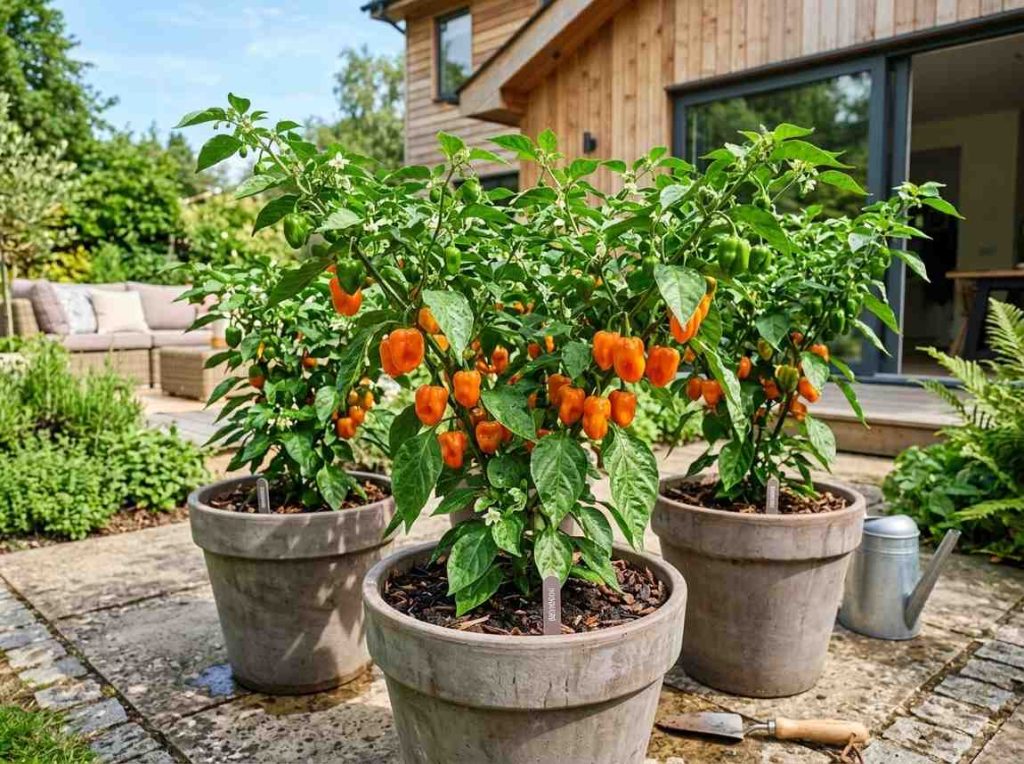
From seed to harvest, habanero peppers take about 90–120 days. Seedlings need 8–10 weeks indoors before transplanting. After planting outside, expect another 70–90 days until peppers ripen, depending on weather and variety.
Yes, you can grow habaneros indoors if you provide enough light and warmth. Use strong grow lights (at least 14 hours daily), keep temperatures above 70°F, and choose compact varieties for containers. Indoor plants may yield less, but you’ll still enjoy fresh peppers.
This can happen for several reasons:
Not enough sun (needs 6–8 hours)
Too much nitrogen fertilizer (lots of leaves, few flowers)
Temperatures too cool (below 65°F slows growth)
Poor pollination (especially indoors—gently shake plants)
Adjusting these factors usually solves the problem.
A balanced fertilizer (like 10-10-10) is good for early growth. Once flowers and fruits start, switch to one higher in phosphorus and potassium for better yields. Avoid too much nitrogen, which encourages leaves over fruit.
Yes, habaneros are safe to eat raw, but they are extremely hot. Always handle with gloves, and wash hands well after touching. Start with a small piece to test your heat tolerance. Add to salsa, salads, or use as a spicy garnish.
Growing habanero peppers can feel challenging at first, but with patience and the right techniques, you’ll be rewarded with a bountiful harvest of flavorful, fiery fruit. The key is starting early, giving your plants plenty of warmth and sun, and staying consistent with care. As you gain experience, you’ll learn how to adjust to your local conditions and even experiment with new varieties or recipes. For more details on chili pepper cultivation, check out the Habanero Wikipedia page. Enjoy your spicy adventure and the unique satisfaction of growing your own habanero peppers!