Gardening Made Simple.
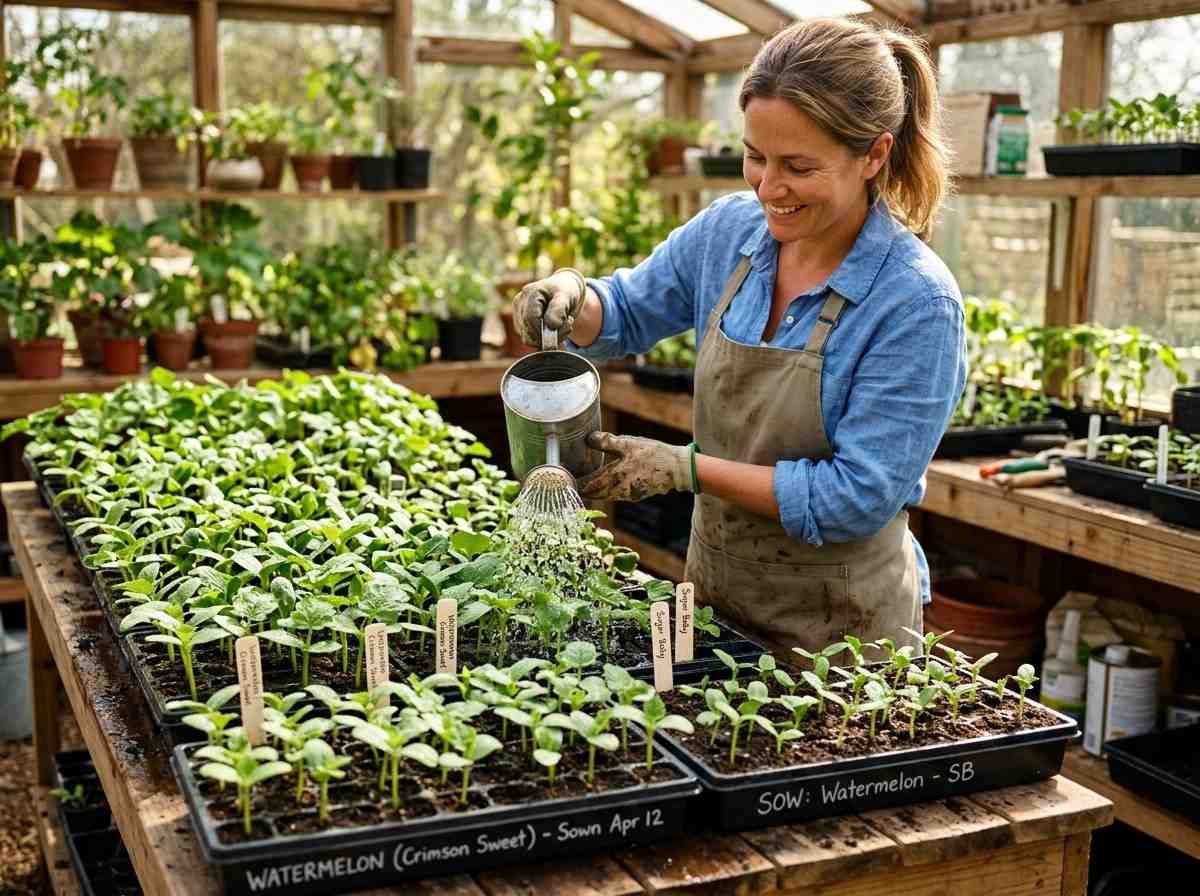
Growing watermelon from seed is a rewarding process, but it takes patience and careful attention. One of the first questions gardeners ask is: How long does it take watermelon seeds to germinate? Understanding this timeline, along with the factors that affect it, can help you plan your planting and improve your success rate. Whether you’re starting seeds indoors or sowing them directly in the ground, knowing what to expect will make your gardening journey smoother.
Watermelon seeds are known for being fast growers compared to many other fruits, but their germination period can vary depending on temperature, soil moisture, seed quality, and other factors. This article explores the science behind watermelon seed germination, practical tips to speed up the process, common mistakes, and how to troubleshoot issues.
You'll also find comparison tables, real-world examples, and answers to frequently asked questions. By the end, you’ll have a clear, confident understanding of what it takes to get those first green shoots.
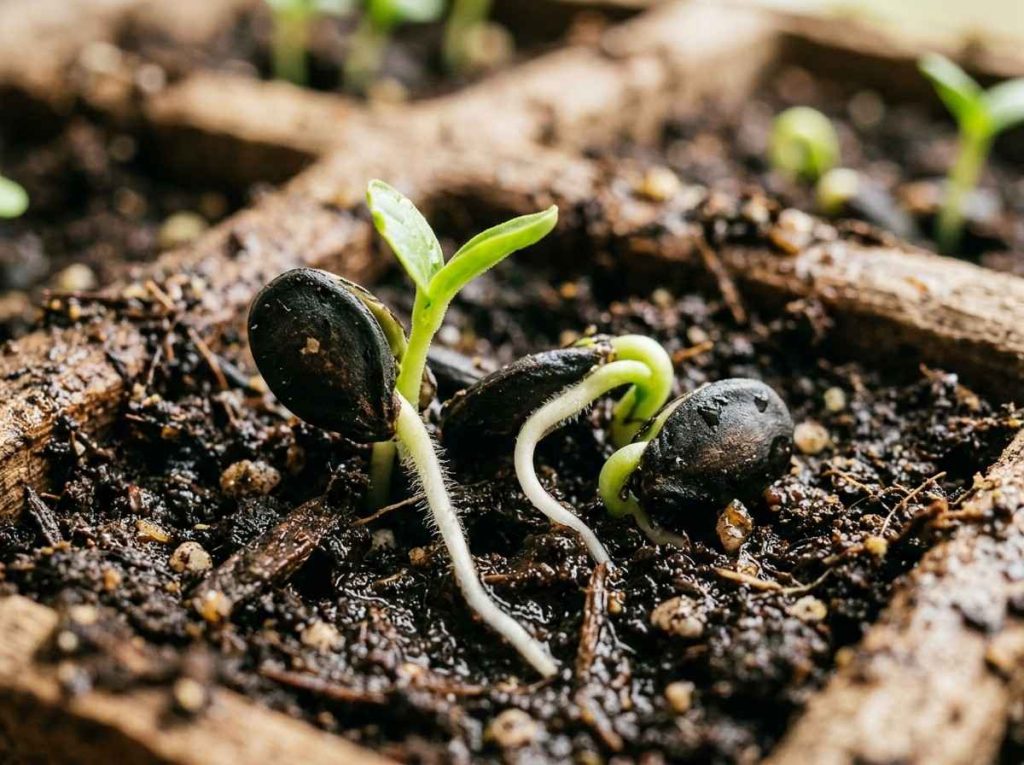
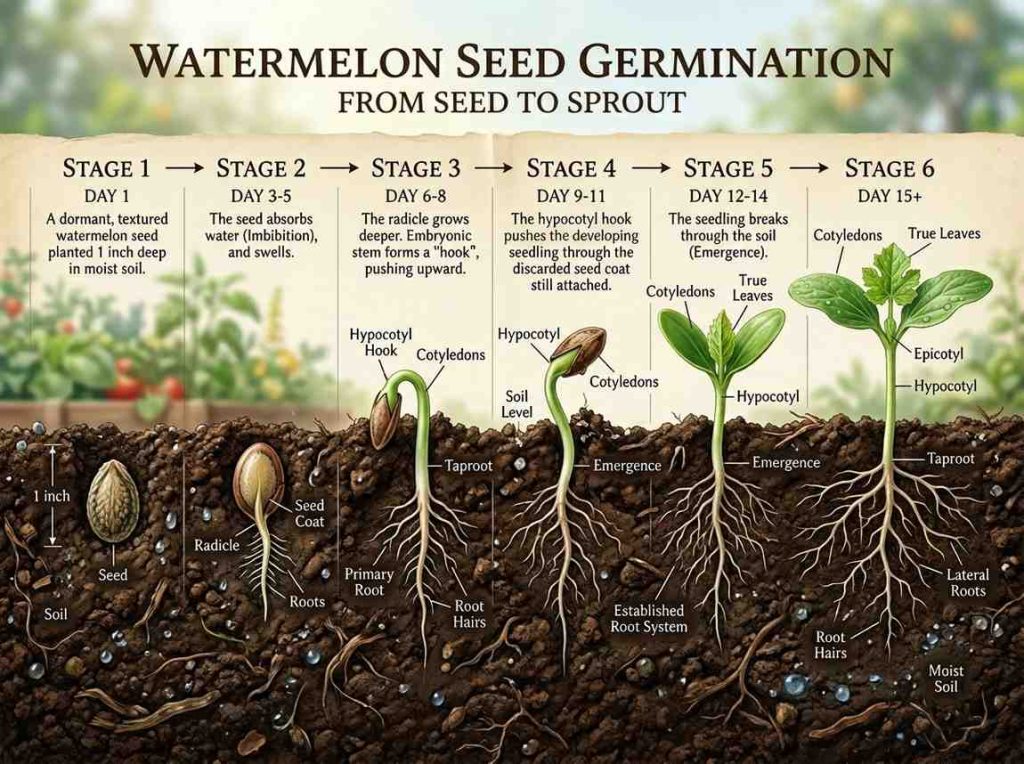
Watermelon seeds usually germinate in 4 to 10 days under ideal conditions. This means you’ll see the first tiny leaves, called cotyledons, poking through the soil within this time frame. However, several factors can influence this window, sometimes stretching it to 14 days or more.
Most commercial seed packets recommend sowing seeds when soil temperatures reach at least 70°F (21°C). At this temperature, germination is quick and reliable. Lower temperatures slow the process, while higher temperatures can lead to uneven sprouting.
If your seeds haven't sprouted after 14 days, it’s time to check for problems. But before jumping to conclusions, let’s look at what affects germination speed.
The time it takes for watermelon seeds to germinate isn’t fixed. Several important factors can speed up or slow down the process. Understanding these will help you create the best conditions for your seeds.
Soil temperature is the most critical factor. Watermelon seeds need warmth to wake up and begin growing. Cold soil slows metabolism, while hot soil can dry seeds out or cause them to rot.
| Soil Temperature (°F) | Expected Germination Time (Days) | Success Rate (%) |
|---|---|---|
| 60–65 | 12–14 | 45–60 |
| 70–75 | 7–10 | 70–85 |
| 80–85 | 4–7 | 90–95 |
| 90+ | 3–5* | Varies* |
*Seeds may germinate quickly at high temperatures, but the risk of rot or uneven sprouting increases.
The soil must be consistently moist but not soggy. Too dry, and seeds won’t activate. Too wet, and they may rot. Watermelon seeds are sensitive; even a short dry spell can delay sprouting.
Old or damaged seeds take longer or may never sprout. Fresh, high-quality seeds from reputable suppliers have higher germination rates and sprout faster.
Loose, well-aerated soil gives roots room to grow. Heavy clay or compacted soil slows germination and can cause seedlings to die.
Planting seeds too deep or too shallow affects their ability to push through the soil.
Watermelon seeds don’t need light to germinate, but once they sprout, seedlings require strong sunlight. If you start seeds indoors, move them to a bright spot as soon as leaves appear.
If you want to maximize your success, follow these steps for both indoor and outdoor sowing.
Pick fresh seeds from a trusted source. Some varieties—like Sugar Baby, Crimson Sweet, or Charleston Gray—are known for fast germination.
Once seedlings have two true leaves, keep the strongest one and remove the rest.
Even experienced gardeners face challenges. Here are the most frequent issues and how to fix them.
Watermelon seeds are relatively quick to sprout, especially compared to some popular crops. Here’s a comparison:
| Crop | Germination Time (Days) | Optimal Soil Temp (°F) |
|---|---|---|
| Watermelon | 4–10 | 70–85 |
| Cantaloupe | 6–10 | 75–90 |
| Cucumber | 3–7 | 70–95 |
| Tomato | 5–10 | 70–80 |
| Pumpkin | 7–14 | 70–90 |
| Sweet Corn | 7–10 | 60–95 |
As you see, watermelon is among the faster-growing fruits, but still slower than cucumber. Choosing the right time and temperature can help you beat the averages.
Gardeners often discover tricks that make a big difference. Here are a few expert tips to speed up the process and improve results.
Hearing how others succeed can help you avoid mistakes. Here are two examples:
Sarah, a backyard gardener in Texas, planted Sugar Baby watermelon seeds indoors using a seed-starting tray and a heat mat. She kept the soil at 80°F and misted daily. Her seeds sprouted in just 5 days, with a 95% success rate.
Mike, in Ohio, tried sowing seeds directly outdoors in mid-April. The soil temperature was only 65°F. His seeds took 12 days to sprout, and only 60% made it. He learned to wait for warmer weather the next year.
These stories show the value of warmth and timing. If you want fast results, plan your planting carefully.
Not all watermelon varieties germinate at the same speed. Some have thicker shells, while others are bred for quick sprouting.
| Variety | Typical Germination Time (Days) | Notes |
|---|---|---|
| Sugar Baby | 4–7 | Small, fast-growing fruit |
| Crimson Sweet | 6–10 | Popular, reliable sprouter |
| Charleston Gray | 7–10 | Thicker seed coat |
| Jubilee | 8–12 | Large fruit, slower germination |
| Yellow Doll | 5–8 | Quick sprouting, unique color |
If you’re in a hurry, choose a fast-germinating type like Sugar Baby or Yellow Doll.
Should you start seeds inside or sow directly outdoors? Each method has pros and cons.
If you live in a cooler climate, starting seeds indoors gives you a head start. In warm regions, direct sowing can work well if you wait for the right soil conditions.
Spotting healthy germination is simple once you know what to look for.
If seedlings are pale or thin, check for lack of light or nutrients. If sprouts are missing after 14 days, consider reseeding.
Many new gardeners overlook these details:
These tips are often missed, but they can make a big difference, especially in cooler climates.
If your seeds aren’t sprouting, try these steps:
Research shows that under ideal conditions, watermelon seed germination rates reach 90–95%. Poor conditions drop this to 40–60%.
A study from Texas A&M found that Sugar Baby seeds germinated in 5 days at 85°F, while Jubilee seeds took 10 days at 75°F.
Watermelon seeds germinate when enzymes inside the seed activate, breaking down stored starch into sugar for energy. This process starts when seeds absorb water and reach the right temperature. If the seed coat is too thick, soaking helps break it down.
Dormancy can occur in seeds stored too long or exposed to cold. This delays germination, even if conditions seem right. Fresh seeds are less likely to have this problem.
Quick, healthy germination leads to stronger plants. Slow or uneven sprouting results in weak seedlings that struggle to compete. Early growth sets the stage for later fruit production.
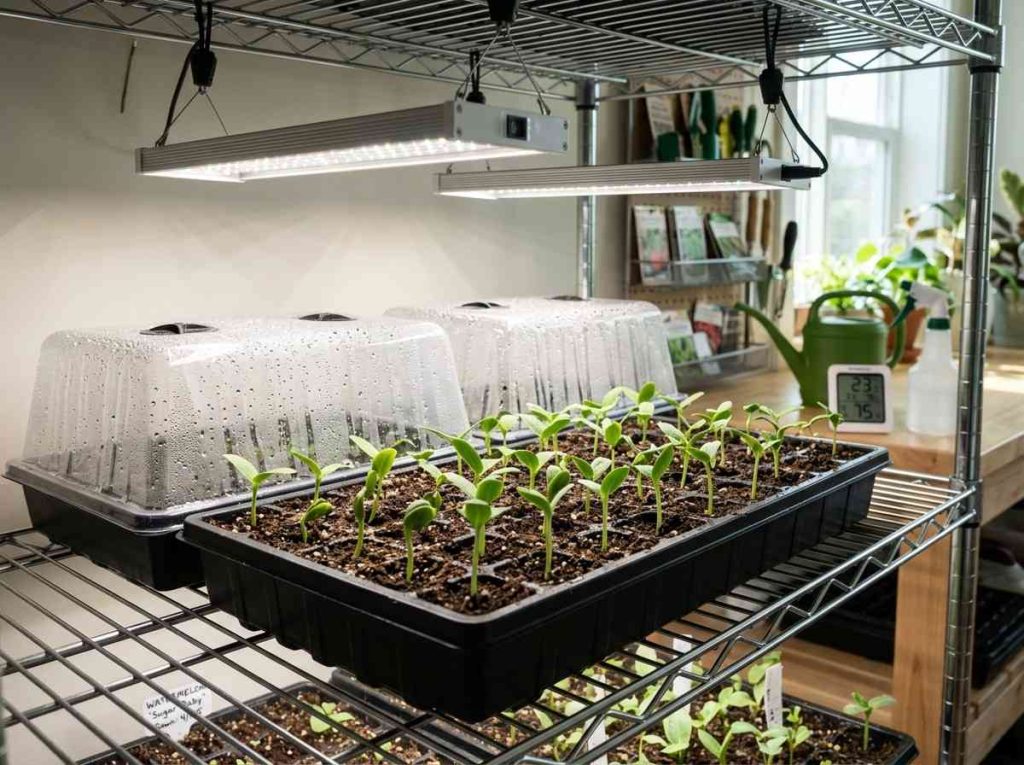
Watermelon seeds typically sprout in 4–7 days indoors if soil is kept at 75–85°F and moisture is consistent. Using a heat mat and covering pots can speed up the process.
Yes, you can. Try soaking seeds overnight, use a heat mat, and keep soil moist but not soggy. Starting seeds in a warm location and covering them to maintain humidity also helps.
Common reasons include cold soil, dry conditions, old or damaged seeds, and planting too deep. Double-check soil temperature and moisture, and use fresh seeds for best results.
If your climate is cool, start seeds indoors for faster results and a longer growing season. In warmer climates, sowing seeds directly outdoors works well once soil temperatures reach 70°F.
No, light is not required for germination. Seeds need warmth and moisture. Once sprouts appear, move them to a bright spot so they grow strong and healthy.
Growing watermelon from seed is not difficult, but understanding the germination process is key. With the right temperature, moisture, and fresh seeds, you can expect sprouts within a week. Patience and careful observation are your best tools. If you want even more detailed advice, visit University of Minnesota Extension for expert guidance.
Whether you’re planting in pots or the garden, following these steps will set you up for a season of sweet, juicy watermelon. Happy growing!