Gardening Made Simple.

Garlic is a staple in kitchens around the world, and in Georgia, it holds a special place for both home gardeners and commercial growers. From the sweet, mild flavor of roasted cloves to the bold punch of fresh, raw slices, garlic is a must-have for many recipes.
But to get the best harvest, timing is everything. Planting garlic at the wrong time can mean small bulbs, low yields, or even total crop failure. If you live in Georgia and dream of pulling up big, flavorful garlic bulbs from your soil, understanding exactly when to plant garlic in Georgia is the first and most important step.
Georgia’s climate is unique. The state stretches from the mountains in the north to the coastal plains in the south, and temperatures can vary a lot between regions. This means the right planting time for garlic isn’t the same everywhere.

Some gardeners see great results planting in early fall, while others wait until the first frost. But what really works? This article will guide you through the best planting windows, the types of garlic that do well in Georgia’s soils, and practical tips to ensure your harvest is worth the wait.
Whether you’re a seasoned grower or just starting out, you’ll get clear answers and expert advice to help you succeed.
Planting garlic at the right time is key to growing large, healthy bulbs. In Georgia, the climate creates both opportunities and challenges. Garlic needs a cold period—called vernalization—to develop proper bulbs. If you plant too early, the garlic may sprout above ground and suffer from winter frost. If you plant too late, the bulbs may not have enough time to develop before the hot summer arrives.
Winter cold helps garlic form the cloves inside the bulb. Without enough cold, you may end up with small or even single-clove bulbs, sometimes called “rounds.” On the other hand, if garlic sits in cold soil too long before sprouting, it can rot or be damaged by fungal diseases.
Many new growers in Georgia make the mistake of planting garlic in spring, thinking it’s like onions or other root crops. In reality, fall is the ideal season for planting in most of Georgia. The cool weather gives garlic the chilling it needs, while the mild winters allow roots to develop slowly and steadily.
Georgia’s climate is not the same everywhere. The state is divided into several USDA hardiness zones, ranging from Zone 6b in the north to Zone 9a on the coast. Your location affects the best planting date for garlic.
Here’s how Georgia’s main regions differ:
Planting times shift by two to four weeks between these zones. Getting familiar with your local zone is the first step for success.
| Region | USDA Zone | First Frost Date (Average) | Best Planting Window |
|---|---|---|---|
| North Georgia | 6b–7a | Mid-October | Late September–Mid October |
| Central Georgia | 7b–8a | Late October | Early–Late October |
| South Georgia | 8b–9a | Early November | Mid October–Early November |
Key Insight: Many beginners only check the calendar, not the actual soil temperature. Garlic roots grow best when soil is 50–60°F at planting depth. Use a soil thermometer for the most accurate timing.
For most gardeners in Georgia, the ideal time to plant garlic is in the fall, about 2–3 weeks before the average first frost date. This timing gives the cloves enough time to develop a strong root system before winter, but not enough time for tall shoots to grow above ground, which can be damaged by cold weather.
General guidelines for Georgia:
This window isn’t random. Garlic needs several weeks of cool, but not freezing, soil to build strong roots. If you plant earlier, you risk early top growth that can get nipped by frost. Later planting means small, weak bulbs at harvest.
Practical tip: If you see other bulbs or onions being planted in your area, it’s usually a good time to plant garlic as well. But always trust your soil temperature and frost dates over just the calendar.
Some gardeners wonder if they can plant garlic in spring, especially if they missed the fall window. In Georgia, spring planting is not recommended for most varieties. The hot summers arrive quickly, and garlic planted in spring rarely gets the cold it needs. Bulbs are usually much smaller and may not form proper cloves.
One exception: If you’re growing “softneck” garlic and have access to pre-chilled seed garlic (garlic kept at 40°F for 8–12 weeks), you can experiment with a very early spring planting. But expect lower yields compared to fall planting.
Not all garlic is the same. There are two main types: hardneck and softneck. Each type responds differently to Georgia’s climate.
Key Insight: Many beginners try to grow hardneck garlic in South Georgia and are disappointed with poor bulb formation. Choose softneck types if your winters are mild.
| Type | Best Region in Georgia | Storage Life | Flavor |
|---|---|---|---|
| Hardneck | North Georgia | 3–6 months | Strong, complex |
| Softneck | Central & South Georgia | 6–12 months | Mild to moderate |
Planting garlic is more than just sticking cloves in the ground. Good preparation makes the difference between a good harvest and a great one.
Garlic needs full sun—at least 6 hours a day. Pick a spot that drains well. Waterlogged soil encourages rot, especially during Georgia’s wet winters. Raised beds or rows can help with drainage.
Garlic grows best in loose, rich soil with lots of organic matter. Heavy clay soils common in Georgia can be improved by mixing in compost, well-rotted manure, or peat moss. Aim for a soil pH between 6.0 and 7.0.
Pro tip: Test your soil before planting. Many Georgia soils are acidic and may need lime to raise the pH.

Non-obvious insight: Always plant garlic from bulbs harvested in your own garden the previous year, if possible. These are already adapted to your soil and climate.
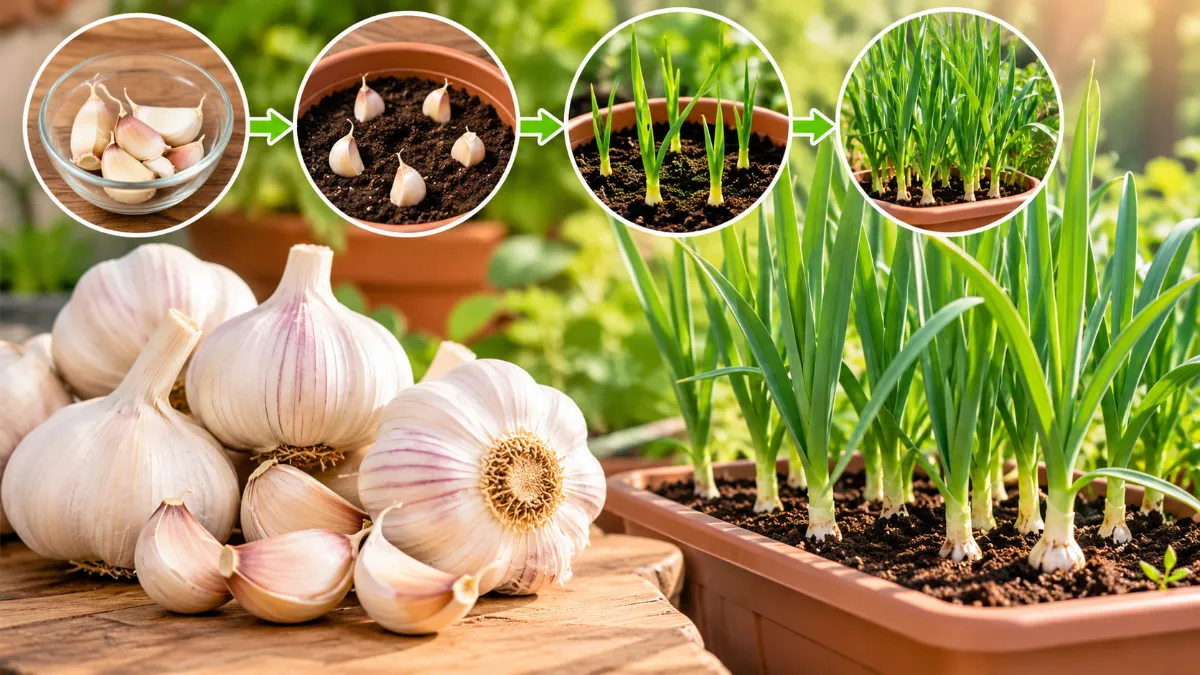
Getting the process right is just as important as picking the right date. Here’s how to plant garlic for the best results in Georgia’s climate:
Common mistake: Planting too shallow or in compacted soil leads to small bulbs and poor root growth.
Once planted, garlic mostly takes care of itself over the winter. But a few simple steps can make a big difference in your harvest.
Non-obvious insight: If you notice yellow tips on garlic leaves in early spring, it’s often a sign of nitrogen deficiency. Apply a small amount of blood meal or fish emulsion.
Harvesting garlic at the right time is almost as important as planting it properly. In Georgia, garlic is usually ready by late May to early July, depending on the variety and your location.
Signs that garlic is ready:
Don’t wait for all leaves to turn brown. Over-mature garlic splits its wrappers and doesn’t store well.
How to harvest:
Even the best gardeners run into trouble sometimes. Here are some common garlic-growing problems in Georgia and how to avoid them:
Pro tip: Solarize your garlic bed in summer (cover with clear plastic for 4–6 weeks) to kill soil-borne pests and diseases.
Georgia’s hot, humid summers can make garlic storage tricky. Softneck garlic stores best in braided bunches hung in a dry, shaded spot with good airflow. Hardneck varieties should be trimmed and stored in mesh bags.
Properly cured and stored garlic from your Georgia garden can last 6–12 months, keeping you stocked until the next harvest.
Gardeners across Georgia have found creative ways to adapt to their local climate. In the cool hills of Rabun County, some growers cover their garlic beds with a double layer of straw and even low tunnels to protect against deep freezes.
In coastal Savannah, gardeners plant only softneck types and use oyster shell mulch to reflect heat and keep weeds down.
One Athens gardener reports, “I always plant right after the State Fair in early October. I’ve tried earlier and later, but that timing always gives me fat bulbs by June. ” Another, in Macon, prefers planting just after Halloween, saying, “The soil is still warm, but the heat’s gone.
My garlic never fails. ”
Many seed catalogs list dozens of garlic varieties, but not all do well in Georgia’s climate. Here are some of the most reliable choices:
Pro tip: Try a small trial of several varieties the first year to see which performs best in your garden.
Garlic has become a key ingredient in Georgia’s kitchens, from traditional Southern dishes to international cuisines. Locally grown garlic has better flavor and freshness than imported supermarket bulbs. Some Georgia farmers’ markets even offer unique heirloom varieties not found elsewhere.
If you want to learn more, the University of Georgia Extension offers detailed guides and workshops for garlic growers. Check out their resources for the latest research and expert advice: UGA Cooperative Extension.

For most of Georgia, the latest safe planting time is early November. In South Georgia, you might stretch to mid-November, but yields will be lower and bulbs smaller. After this point, the soil cools too much for good root growth.
It’s not recommended. Grocery store garlic is often treated to prevent sprouting and may carry diseases. For the best results, always buy certified seed garlic from a trusted supplier.
Plant cloves about 2 inches deep in Central and South Georgia, and 2. 5 inches deep in North Georgia. Deeper planting offers more protection from cold in the north.
Small bulbs are usually the result of late planting, poor soil, too little sun, or overcrowding. Make sure to plant at the right time, in rich, loose soil, and give each clove enough space.
Hardneck garlic has a stiff central stalk and stronger flavor but needs more winter cold. Softneck garlic has flexible leaves, stores longer, and does better in Georgia’s milder winters—especially in Central and South regions.
Growing garlic in Georgia is both rewarding and surprisingly simple once you know when to plant. By watching your local climate, choosing the right varieties, and following proven techniques, you’ll enjoy a harvest that’s far fresher and tastier than anything from the store.
Whether you’re a backyard hobbyist or hoping to fill your pantry, the right timing is your first step toward success.