Gardening Made Simple.

Growing broccoli in pots can be a game-changer for your home garden. Imagine picking fresh, crunchy broccoli right from your balcony or patio whenever you want.
You don’t need a big yard or special tools—just the right pot and a little care. If you’ve ever thought broccoli was hard to grow, this guide will change your mind. Keep reading, and you’ll discover simple steps that make growing your own broccoli easy and rewarding.
Your taste buds and your garden will thank you!

Choosing the right pot is very important for growing broccoli in pots. The pot affects how well the plant grows and stays healthy. It needs enough space and good conditions for roots to develop. Picking the correct pot helps your broccoli get enough water and air. This makes the plant strong and ready to produce tasty heads.
Broccoli plants need pots that are at least 12 inches deep and wide. This size gives roots room to grow freely. Small pots limit growth and reduce broccoli yield. Choose pots made from materials like plastic, ceramic, or terracotta. Each material affects how water stays in the soil. Plastic pots hold moisture longer, while terracotta dries faster. Pick a pot material that matches your watering habits and climate.
Good drainage keeps broccoli roots healthy and prevents rot. The pot must have holes at the bottom for water to flow out. Without drainage, water collects and drowns roots. Place a saucer under the pot to catch extra water. Check the drainage holes regularly to avoid clogging. Proper drainage ensures roots get air and do not stay too wet.
Selecting the right broccoli variety is important for growing in pots. Different types suit container gardens better. Choosing the best variety helps you get a good harvest in small spaces. Some broccoli plants stay small and fit well in pots. Others grow large and need more room.
Consider the time it takes for the broccoli to mature. This affects when you can harvest your crop. Understanding these factors makes pot gardening easier and more successful.
Compact broccoli varieties grow smaller and stay bushy. They fit well in pots and small gardens. These types need less space and still produce tasty heads. Examples include 'Green Magic' and 'Sprouting Broccoli'. Small plants are easier to manage on patios or balconies. They require less soil and water than large varieties.
Early maturity broccoli grows fast and can be harvested in 50 to 60 days. This is good for short growing seasons. Late maturity takes longer, around 75 to 100 days. It often produces bigger heads but needs more care. Choose early varieties for quick results. Pick late types if you want larger broccoli and more time to grow.
Growing broccoli in pots needs careful attention to soil and fertilizer. Healthy soil helps broccoli grow strong and produce big heads. The right mix keeps water and nutrients balanced.
Fertilizer gives broccoli extra food for healthy leaves and flowers. Using the best soil and fertilizer boosts plant growth and yield.
Choose loose, well-draining soil for broccoli pots. A mix of potting soil, compost, and perlite works well. Compost adds nutrients and improves soil texture. Perlite helps air reach the roots and prevents waterlogging. Avoid heavy or clay soils that hold too much water. The soil pH should be slightly acidic to neutral, about 6.0 to 7.0. Test soil pH to keep broccoli happy and growing.
Broccoli needs regular feeding for best growth. Use a balanced fertilizer with equal parts nitrogen, phosphorus, and potassium. Nitrogen helps leaves grow green and strong. Phosphorus supports root and flower development. Potassium improves overall plant health. Feed broccoli every two weeks during the growing season. Organic options like fish emulsion or compost tea work well. Avoid over-fertilizing, which can harm the plants. Follow package instructions for safe application amounts.
Planting and spacing are crucial for growing healthy broccoli in pots. Proper planning helps plants grow strong and produce large heads. Space affects air flow and sunlight, preventing diseases and boosting growth.
Choose the right method to start your broccoli. Both seedlings and seeds have their benefits and challenges. Knowing the difference helps you decide what suits your garden best.
Seedlings are young plants that you buy or grow indoors before planting outside. They grow faster and give you a head start. Seedlings handle transplanting well if done carefully.
Seeds are cheaper and easy to plant directly in pots. They take longer to grow but allow more plants in a small space. Seeds need good soil and steady moisture to sprout well.
Seedlings are best for short growing seasons. Seeds work if you start early indoors or live where broccoli grows year-round.
Broccoli needs enough room to grow big heads. Crowded plants stay small and get sick easily. Each broccoli plant should have 12 inches of space around it.
Use large pots at least 12 inches wide and deep. Smaller pots limit root growth and reduce yield. Place one seedling or a few seeds per pot, depending on size.
Good spacing helps sunlight reach all leaves. It also improves air flow, lowering disease risk. Check plants regularly and thin seedlings to keep proper distance.
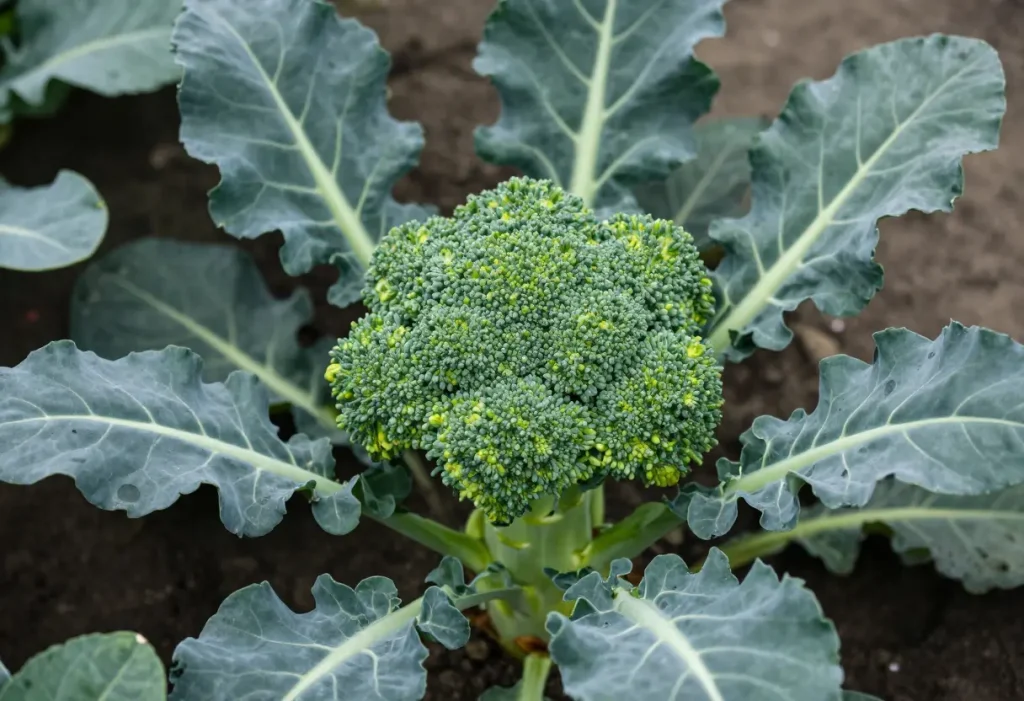
Growing broccoli in pots requires careful attention to water and sunlight. These two factors greatly affect the plant's health and growth. Broccoli needs enough water to stay moist but not soaked. It also needs the right amount of sunlight to develop strong heads.
Broccoli plants need consistent moisture to grow well. The soil in pots can dry out fast. Water the plants regularly to keep the soil damp. Avoid letting the soil get too dry or too wet. Check the soil with your finger to see if it feels dry. Water deeply to reach the roots. Mulching the top of the soil helps keep moisture longer.
Broccoli grows best with full sun. It needs about 6 hours of sunlight each day. Place your pot where the plant gets plenty of light. Morning sun is good, but afternoon sun is important too. Too little sunlight causes weak growth and small heads. Too much direct afternoon sun in very hot areas can stress the plant. Watch your broccoli and adjust its spot as needed.
Growing broccoli in pots can be very rewarding. Yet, pests and diseases can harm your plants. Protecting your broccoli ensures healthy growth and a good harvest. Understanding common pests and natural ways to fight them helps keep your plants safe.
Aphids often gather on broccoli leaves. They suck sap and cause leaves to curl. Cabbage worms are green caterpillars that eat holes in the leaves. Flea beetles jump and chew tiny holes in the foliage. Slugs and snails leave slimy trails and eat young shoots. These pests can quickly damage your broccoli if not controlled.
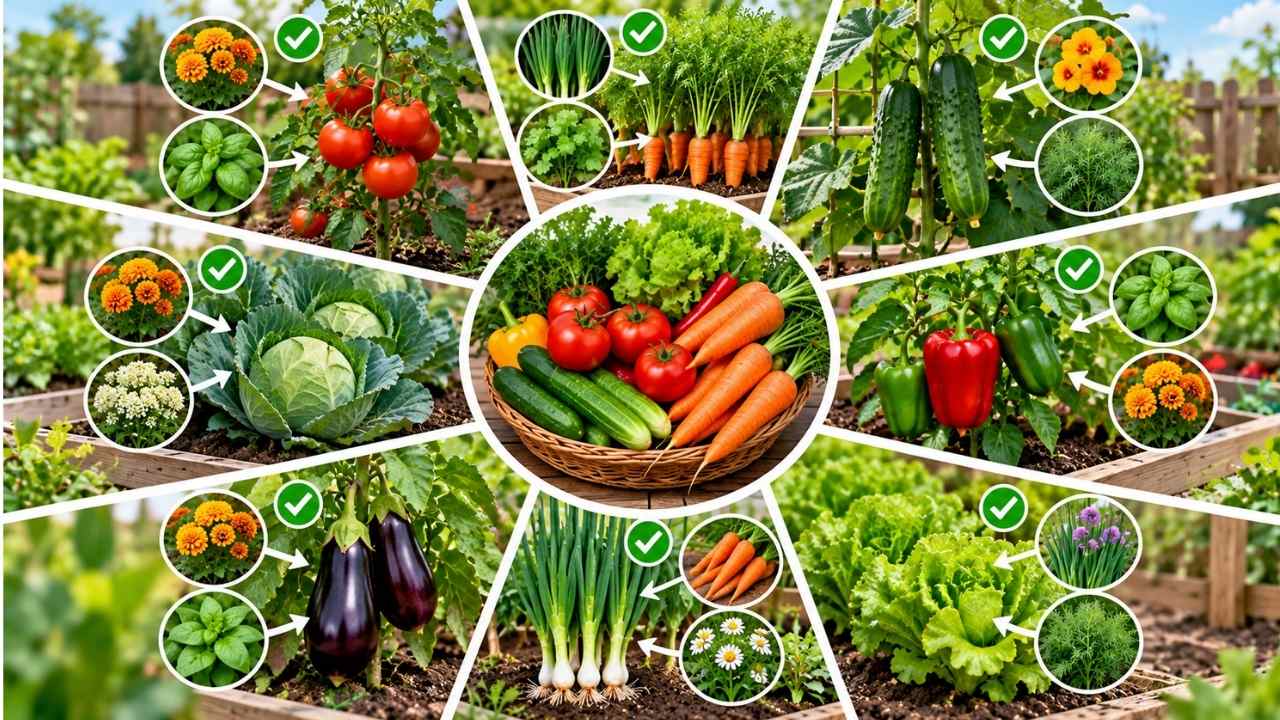
Spray plants with a mix of water and mild soap to remove aphids. Handpick cabbage worms and drop them into soapy water. Use diatomaceous earth around pots to stop slugs and snails. Planting herbs like mint or basil nearby can repel some pests. Neem oil works as a safe spray to control many insects. These natural methods protect your broccoli without chemicals.
Harvesting broccoli grown in pots is an exciting moment. Knowing the right time and method to pick your broccoli ensures the best taste and texture. Proper harvesting helps the plant stay healthy and can lead to more produce.
Check the broccoli heads daily. Harvest when the flower buds are tight and firm. The head should be dark green and compact. Avoid waiting until the buds start to open or turn yellow. Early harvesting prevents the broccoli from becoming bitter and tough.
Cut the main head first, leaving some stem on the plant. This encourages side shoots to grow. These smaller heads can be harvested later. Regular picking helps keep the plant producing. Keep the plant healthy with good watering and feeding to support continuous growth.
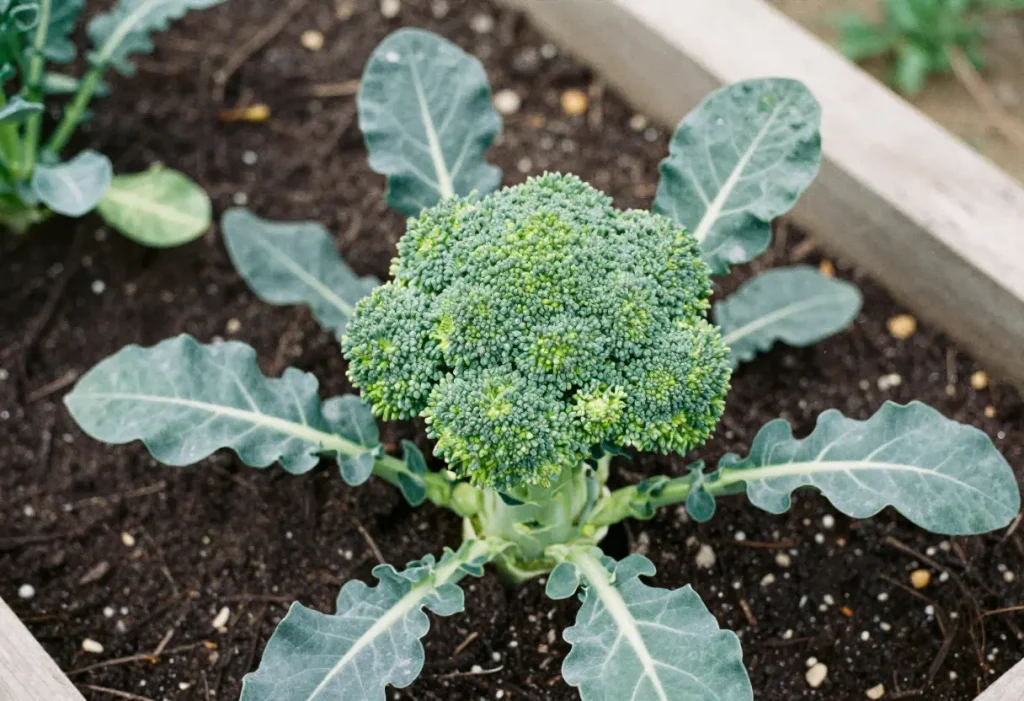
Growing broccoli in pots can bring great joy. Sometimes, problems arise that slow down growth or affect the plant’s health. Knowing how to fix common issues saves time and effort. This guide helps you spot and solve common problems quickly.
Yellow leaves usually mean the plant lacks nutrients or water. Check soil moisture often. Broccoli needs steady watering but avoid soggy soil. Too much water can cause root problems.
Yellowing can also come from nutrient shortages. Use a balanced fertilizer with nitrogen. This helps leaves stay green and healthy. Wilting can happen if the pot is too small or the roots are crowded. Move the plant to a larger container if needed.
Small or loose broccoli heads show stress or poor care. Ensure the plant gets at least six hours of sunlight daily. Sunlight helps heads grow tight and full.
Check for pests like aphids or caterpillars that eat leaves and affect growth. Use natural pest control methods to keep pests away. Temperature also matters. Broccoli prefers cool weather. Too much heat can stop head formation.
Broccoli needs 6 to 8 hours of direct sunlight daily for healthy growth in pots.
Use a pot at least 12 inches deep and wide to give broccoli enough space.
Water broccoli when the top inch of soil feels dry to keep it moist but not soggy.
Yes, small pots work if they are deep enough and get enough sunlight.
Broccoli usually takes 60 to 90 days to mature when grown in pots.
Growing broccoli in pots can be simple and fun. Choose the right pot and soil for best results. Water your plants regularly but avoid overwatering. Place pots where broccoli gets enough sunlight each day. Watch your plants grow strong and healthy.
Fresh broccoli from your own pot tastes great and feels rewarding. Small spaces or balconies can turn into green gardens. Start your pot garden today and enjoy homegrown veggies soon. Patience and care will bring good harvests. Give it a try!