Gardening Made Simple.

Are you tired of seeing white, powdery spots ruin your plants? Powdery mildew can quickly take over your garden, leaving your leaves and flowers looking unhealthy and weak. Using the Best Fungicide for Powdery Mildew can help you stop the spread and protect your plants for healthy, vibrant growth.
But don’t worry—finding the best fungicide for powdery mildew can save your plants and restore their vibrant beauty. You’ll discover effective solutions that work fast and keep your garden healthy. Keep reading to learn how you can protect your plants and enjoy a thriving garden all season long.
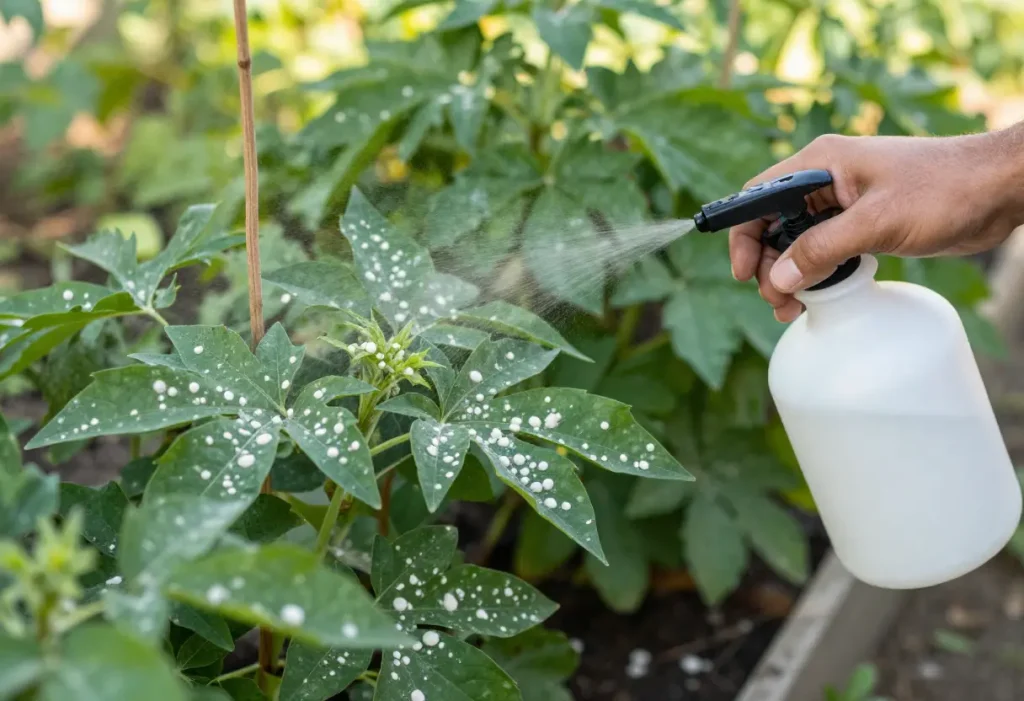
Powdery mildew is a common plant disease caused by fungi. It appears as a white or gray powdery coating on leaves, stems, and buds. Understanding what causes powdery mildew helps in preventing and treating it effectively.
Many plants are vulnerable to powdery mildew. Roses, cucumbers, squash, and grapes often get infected. Indoor plants like African violets can also show symptoms. Knowing which plants are at risk helps in spotting mildew early.
Powdery mildew thrives in warm, dry places with high humidity. Poor air circulation makes it easier for spores to spread. Crowded plants create the perfect environment for the fungus. Nighttime moisture and daytime warmth encourage mildew growth.
Recognizing the signs of powdery mildew infection early helps protect your plants. Powdery mildew is a common fungal disease that spreads fast. Noticing its presence can save your garden from serious damage. Watch plants closely for specific symptoms and changes.
Look for white or gray powdery spots on leaves and stems. These spots often start small but grow quickly. Leaves may curl or twist as the infection spreads. Older leaves usually show symptoms first. The powdery coating gives leaves a dusty look. Sometimes, spots appear on flowers or fruit too. These signs are clear clues that powdery mildew is present.
Powdery mildew weakens plants by blocking sunlight. This reduces photosynthesis and slows growth. Infected leaves can turn yellow and die early. Plants may produce fewer flowers and fruits. Severe infections cause leaves to drop off. Overall, the plant looks unhealthy and weak. Acting fast improves plant recovery and health.
Fungicides help protect plants from powdery mildew. They stop the fungus from growing and spreading. Different types of fungicides work in different ways. Choosing the right type depends on your needs and preferences. Here are the two main types of fungicides used to fight powdery mildew.
Chemical fungicides contain synthetic ingredients. They act fast and kill fungus directly. Many gardeners trust them for quick results. They often protect plants for longer periods. Some common chemicals include sulfur, myclobutanil, and chlorothalonil. These fungicides work by disrupting the fungus cells. Use them carefully and follow the label instructions. Overuse can cause fungus to become resistant.
Organic fungicides use natural ingredients. They are safer for people, pets, and the environment. Popular options include neem oil, potassium bicarbonate, and copper sprays. These products control powdery mildew by stopping spore growth. They work best when applied early. Organic choices are gentle but may need more frequent use. Great for home gardeners who want natural care for plants.
Top chemical fungicides offer strong protection against powdery mildew. These products stop the fungus from spreading and protect plants effectively. Choosing the right type depends on your plant and mildew severity. Each type works differently to keep your garden healthy.
Sulfur is a natural element used in many fungicides. It works by disrupting the fungus cells. These products are safe for many plants and help prevent mildew. Sulfur sprays work best in dry weather. Avoid use in hot conditions to protect plants.
Systemic fungicides enter the plant and move inside. They protect new growth from powdery mildew. These fungicides provide long-lasting protection. They work well for severe infections or high-risk plants. Use them carefully and follow the label instructions.
Contact fungicides stay on the plant surface. They kill mildew spores on contact. These products provide quick action but need frequent reapplication. Use contact fungicides as a preventive spray. They work well in early mildew stages.
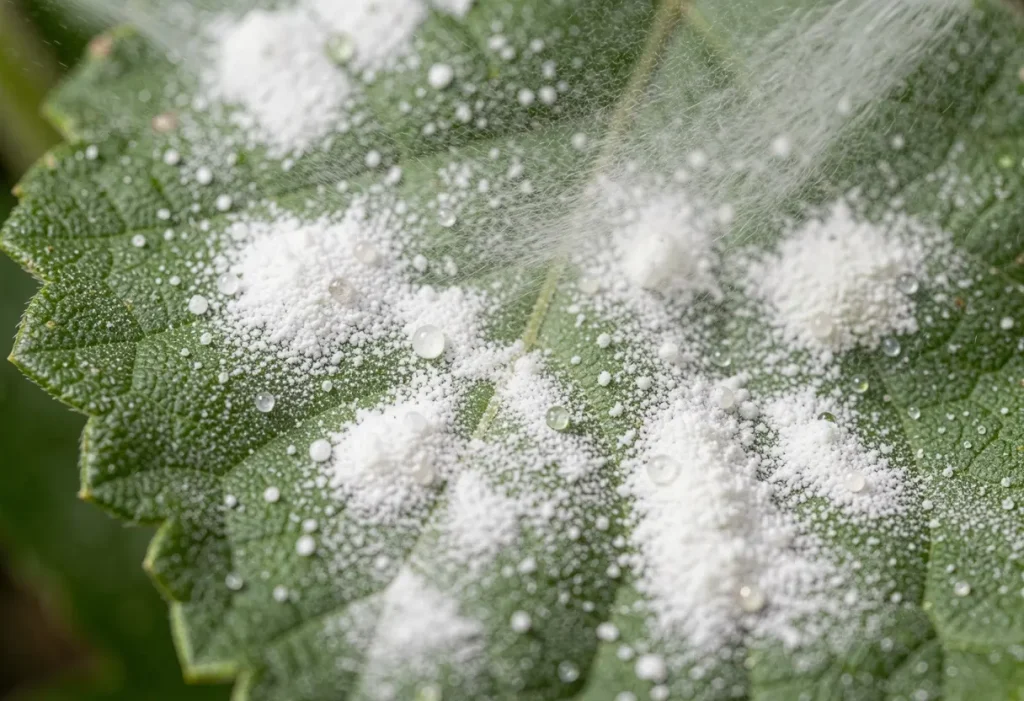
Organic fungicides offer a safe way to control powdery mildew. They protect plants without harmful chemicals. These options are gentle on the environment and pets. Using organic solutions supports healthy soil and strong plants.
Best organic fungicides kill powdery mildew spores and stop them from spreading. They work by strengthening the plant’s natural defenses. Choosing the right product depends on your garden’s needs and the mildew severity.
Neem oil is a natural extract from the neem tree seeds. It fights powdery mildew and many other pests. Neem oil works by disrupting the fungus’s growth. It also helps plants stay healthy and hydrated. Spray neem oil every 7 to 14 days for best results.
Potassium bicarbonate is a safe, fast-acting powdery mildew treatment. It kills mildew spores on contact. This fungicide changes the pH on the leaf surface, making it hostile to fungi. Use it at the first sign of mildew for quick control. It leaves no harmful residue and is safe for most plants.
Horticultural oils are refined oils that smother powdery mildew spores. They create a protective barrier on leaves. These oils also reduce insect pests that carry diseases. Apply during cooler parts of the day to avoid leaf burn. Repeat every 7 to 10 days until mildew clears.
Applying fungicide correctly is key to controlling powdery mildew effectively. Proper application helps protect plants and keeps the disease from spreading. Follow these tips to get the best results.
Apply fungicide early. Treat plants at the first sign of powdery mildew. Repeat every 7 to 14 days, depending on the product instructions. Avoid spraying during very hot or windy days. Morning or late afternoon works best.
Use the exact amount recommended on the label. Too little may not control the fungus. Too much can harm plants or the environment. Mix fungicide thoroughly with water before spraying. Use a sprayer that delivers even coverage.
Wear gloves and a mask during application. Keep children and pets away from treated areas. Store fungicide in a cool, dry place out of reach. Wash hands and clothes after use. Follow all safety instructions on the product label.
Preventive measures help stop powdery mildew before it spreads. These steps keep plants healthy and reduce the need for fungicides. Simple actions in your garden make a big difference. Focus on good habits and smart plant choices.
Good air circulation lowers moisture around plants. Space plants properly to avoid crowding. Water early in the day to let leaves dry fast. Remove dead leaves and debris to stop spores from growing. Clean tools regularly to avoid spreading disease.
Choose plants that resist powdery mildew naturally. These varieties need less treatment and stay healthier. Check plant labels or ask local nurseries for resistant types. Growing strong plants reduces your work and protects your garden.
Severe powdery mildew outbreaks need strong action to stop spread. Quick and careful steps help protect plants and reduce damage. Combining physical removal with fungicide treatments works best. This section explains how to manage severe outbreaks effectively.
Cut off all infected leaves and stems carefully. Use clean tools to avoid spreading spores. Remove plants that are badly affected to save others. Put all cut parts in sealed bags. Do not compost them, as spores survive. Dispose of bags in trash away from garden areas.
Use fungicides along with pruning for better control. Apply fungicide after pruning to protect healthy parts. Repeat fungicide spray every 7 to 10 days. Choose fungicides proven effective against powdery mildew. Rotate different fungicides to prevent resistance. Follow product instructions carefully for best results.
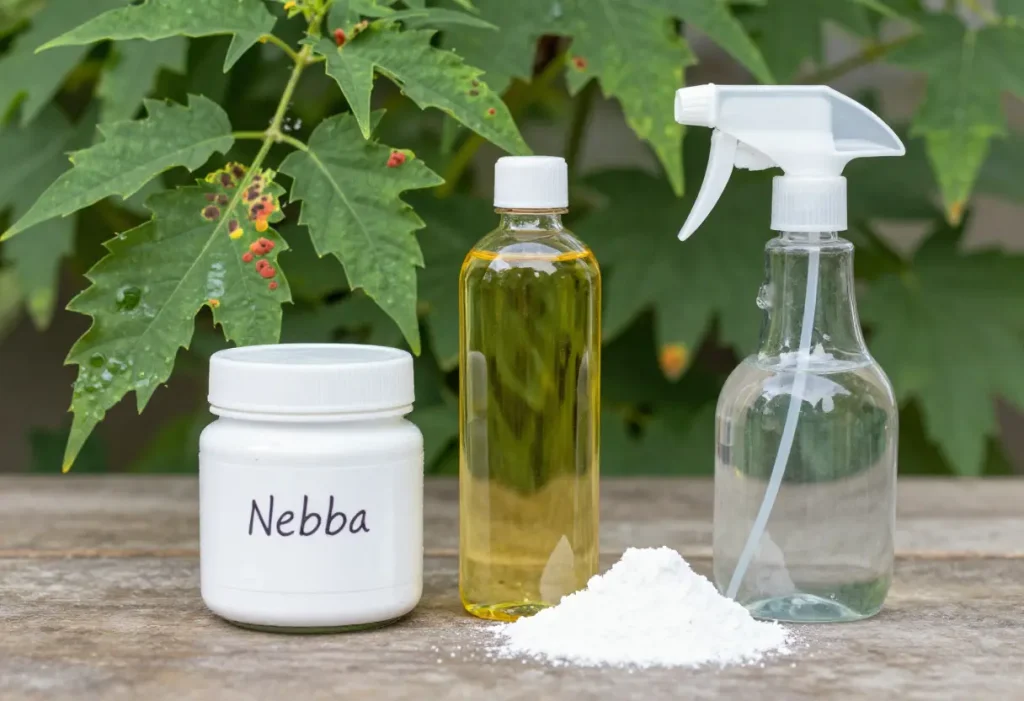
The best fungicide depends on the plant type but sulfur and neem oil work well.
Apply fungicide every 7 to 14 days until mildew disappears and plants recover.
Yes, organic options like neem oil and potassium bicarbonate are effective and safe.
Apply fungicide early in the season before mildew shows for better protection.
Some homemade sprays can help but commercial fungicides usually give better control.
Choosing the best fungicide helps protect plants from powdery mildew. Apply treatments early for better control and healthy growth. Regular care and good air flow reduce mildew risk. Always follow product instructions to ensure safe use. Keep watching plants for signs of disease.
Healthy plants mean a happier garden and better harvest. Stay consistent with treatment to keep powdery mildew away. Simple steps lead to strong, mildew-free plants all season long.