Gardening Made Simple.

Have you ever wondered if you can grow fresh basil right inside your home? Imagine having a vibrant pot of fragrant basil leaves within arm’s reach whenever you cook. Learning Can Basil Grow Indoors the right way helps you enjoy healthy, flavorful herbs year-round without stepping outside.
Growing basil indoors is not only possible but can be surprisingly easy with the right approach. If you want to enjoy fresh herbs year-round, boost your cooking, and add a touch of green to your space, this guide is for you.
Keep reading to discover how you can successfully grow basil indoors and transform your kitchen into a fresh herb haven.
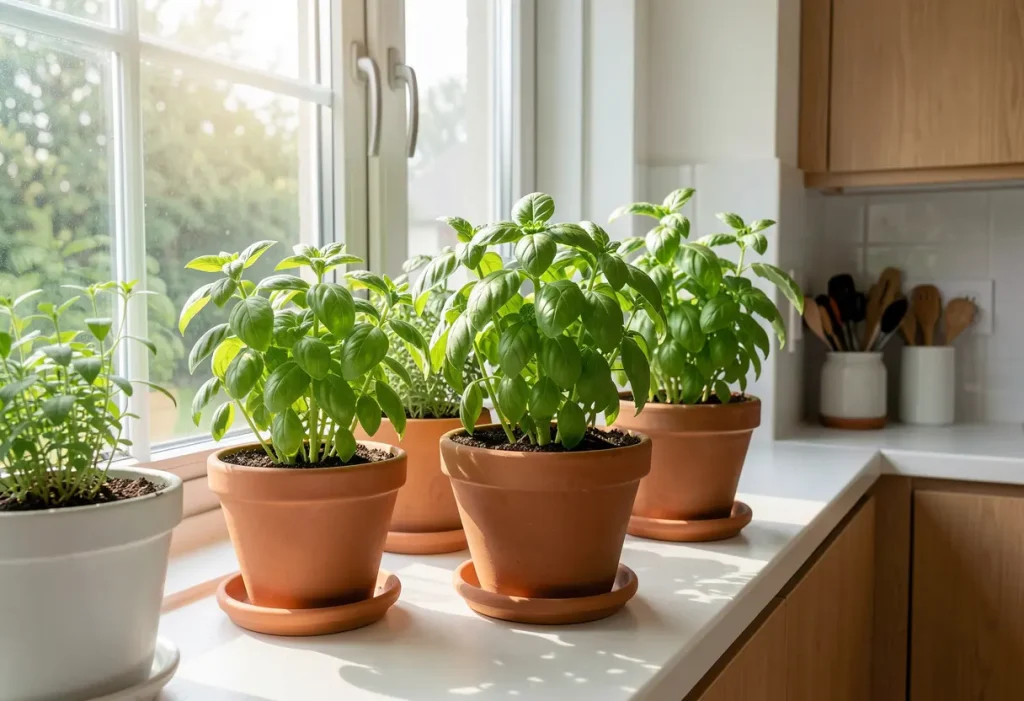
Basil is a popular herb to grow indoors. It adds fresh flavor to meals and smells great. Not all basil types grow well inside. Some varieties do better with less sun and space. Choosing the right basil is key to indoor success.
Sweet basil is the most common type. It has bright green leaves and a fresh, sweet smell. This basil grows well indoors with enough light. It needs about 6 hours of sunlight daily. Sweet basil is perfect for cooking and salads.
Thai basil has a stronger, spicier flavor. Its leaves are darker green with purple stems. This variety is good for indoor growing. It likes warm spots and plenty of light. Thai basil adds a unique taste to many Asian dishes.
Lemon basil smells like fresh lemons. It has light green leaves and a mild citrus flavor. This type grows well inside with good sunlight. Lemon basil is great for teas, salads, and fish recipes. It brings a fresh twist to your kitchen garden.
Choosing the right container is key for growing basil indoors. The container affects how well the plant grows and stays healthy. A good pot gives basil space to spread roots and holds water properly. It also fits the indoor space and looks nice.
Choosing a suitable container helps basil get enough air and moisture. The right pot size and material keep the plant happy. Drainage is also important to avoid water problems. These factors work together for strong basil plants inside your home.
Select a pot that is 6 to 8 inches wide. Basil roots need room to grow but not too much space. A pot too small limits growth. Too big holds extra water, causing root rot.
Materials like terracotta, ceramic, or plastic work well. Terracotta pots breathe well and help soil dry faster. Plastic pots hold moisture longer but are lighter to move. Choose based on your space and watering habits.
Drainage holes at the bottom are a must. They stop water from pooling and drowning roots. Without drainage, basil can quickly die from root rot.
Place a tray under the pot to catch extra water. Empty the tray often to keep roots from sitting in water. Good drainage keeps basil roots healthy and happy indoors.
Basil is a popular herb that can thrive indoors with the right care. Understanding its ideal growing conditions helps you grow healthy plants. These conditions include light, temperature, humidity, and soil type. Each factor plays a key role in basil’s growth and flavor.
Providing the best environment indoors makes basil strong and fragrant. It also prevents common problems like wilting or poor growth. Let’s explore the main conditions basil needs to grow well inside your home.
Basil needs plenty of light to grow well. It prefers at least 6 hours of sunlight daily. A bright window facing south or west works best. If natural light is limited, use a grow light. Position the light about 6 inches above the plant. Light helps basil produce strong leaves and a fresh taste.
Basil thrives in warm temperatures between 65°F and 75°F. Avoid cold drafts or sudden temperature drops. Humidity should be moderate, around 40% to 60%. Too dry air can cause leaves to brown or drop. Using a small humidifier or placing a water tray nearby helps maintain moisture. Warmth and humidity keep basil healthy and growing fast.
Basil grows best in well-draining soil. A light, loamy soil rich in organic matter is ideal. Use a potting mix made for herbs or vegetables. Avoid heavy or clay soils that hold water. Good drainage prevents root rot and keeps roots healthy. Adding compost improves soil nutrition and texture for better growth.
Basil is a popular herb for indoor gardens. Growing it inside needs careful planting and watering. These tips help basil grow strong and healthy. Proper care improves flavor and leaf growth. Follow these simple steps for best results.
Starting basil from seeds gives more control. Plant seeds in small pots with loose soil. Keep soil moist but not wet. Seeds sprout in about one week. Transplants save time. Buy young plants from a nursery. Transplants need gentle handling to avoid damage. Both methods work well indoors. Choose based on your time and space.
Basil needs consistent moisture. Water the plant when the top inch of soil feels dry. Usually, watering every 2-3 days works well. Check soil daily in dry air. Water less during cooler months. Proper watering keeps basil fresh and green. Avoid letting soil dry out completely.
Too much water harms basil roots. Overwatering causes yellow leaves and mold. Use pots with drainage holes. Drain excess water after watering. Allow soil to dry slightly between waterings. Well-drained soil prevents root rot. Watch leaves for signs of stress. Healthy basil grows with balanced watering.
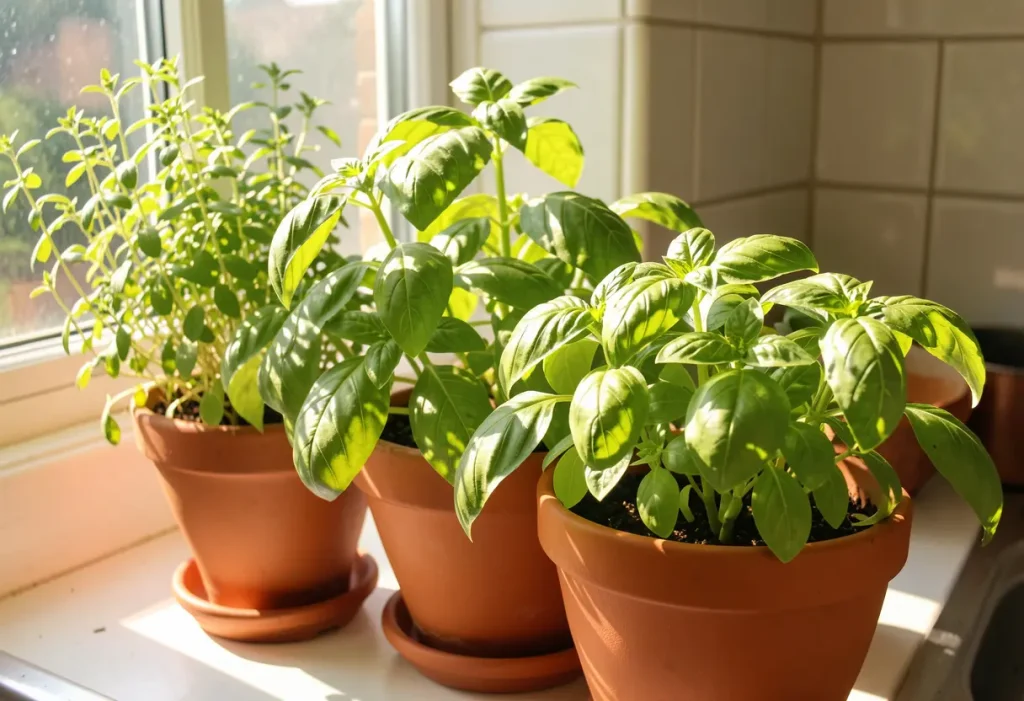
Fertilizing indoor basil is key to a healthy, green plant. It gives nutrients basil needs to grow strong leaves and stems. Without regular feeding, basil can become weak or stop growing well. Indoor plants miss natural soil nutrients, so feeding is important.
Pick a balanced fertilizer with equal parts nitrogen, phosphorus, and potassium. A common choice is a 10-10-10 or 20-20-20 formula. Liquid fertilizers work well for indoor basil. Organic options like fish emulsion or seaweed extract also help. Avoid fertilizers with too much nitrogen to prevent leaf burn.
Feed basil every 2 to 4 weeks during the growing season. Dilute liquid fertilizer to half strength to avoid overfeeding. Stop fertilizing in winter when basil growth slows down. Regular feeding keeps basil vibrant and full of flavor. Watch your plant’s leaves for signs of too much or too little fertilizer.
Pruning and harvesting basil indoors keeps the plant healthy and productive. Regular trimming helps basil grow fuller and prevents it from becoming leggy. Harvesting at the right time ensures the best flavor and encourages new growth.
Cut the basil stems just above a pair of leaves. This action signals the plant to grow two new branches. Trim often to stop the plant from flowering too soon. Removing flower buds lets the basil focus on leaf growth. Pinch the tips regularly for a thick and bushy plant.
Harvest basil leaves in the morning for the strongest aroma. Use clean scissors or pinch leaves gently by hand. Take only a few leaves from each stem to keep the plant healthy. Avoid removing more than one-third of the plant at once. Regular harvesting helps the basil keep growing all season long.
Growing basil indoors is rewarding but comes with challenges. Common issues can affect plant health and growth. Knowing how to handle these problems helps keep basil thriving.
Watch for signs early to protect your plant. Act quickly for the best results. Below are common pests and diseases that indoor basil faces and ways to manage them.
Spider mites and aphids often attack indoor basil. They suck sap and weaken the plant. Leaves may yellow or curl as a result. Check leaves regularly, especially the undersides.
Use a gentle spray of water to remove pests. Insecticidal soap can help control infestations safely. Avoid harsh chemicals that may harm indoor air quality.
Fungal infections like powdery mildew can affect basil. White powdery spots on leaves are a clear sign. Good air circulation reduces this risk. Avoid overwatering to keep roots healthy.
Use clean pots and fresh soil when planting. Remove any dead or yellow leaves quickly. These steps stop disease from spreading inside your home.
Basil is a popular herb that thrives indoors with the right care. Extending its indoor life means keeping it healthy and fresh for months. This requires simple steps to maintain growth and flavor. Small changes can make a big difference in how long your basil lasts inside your home.
Two key areas to focus on are propagation techniques and seasonal care adjustments. These help your basil stay strong and vibrant through different times of the year. Keep reading to learn how to nurture your basil for a longer indoor life.
Growing new basil plants from cuttings is easy and effective. Take a healthy stem about 4 inches long. Remove leaves from the bottom half. Place the stem in a glass of water. Change the water every few days. Roots will start to grow in one to two weeks.
Once roots are strong, plant the cutting in soil. This method helps keep a steady supply of fresh basil. It also refreshes your indoor herb garden without buying new plants.
Basil needs different care depending on the season. In winter, light is limited. Use a sunny window or grow light for 10-12 hours daily. Keep the temperature steady, around 65-75°F (18-24°C).
Water less in cooler months. Let the soil dry a little before watering again. In spring and summer, increase water and light. Trim the basil regularly to encourage new leaves. This keeps the plant bushy and healthy through the year.
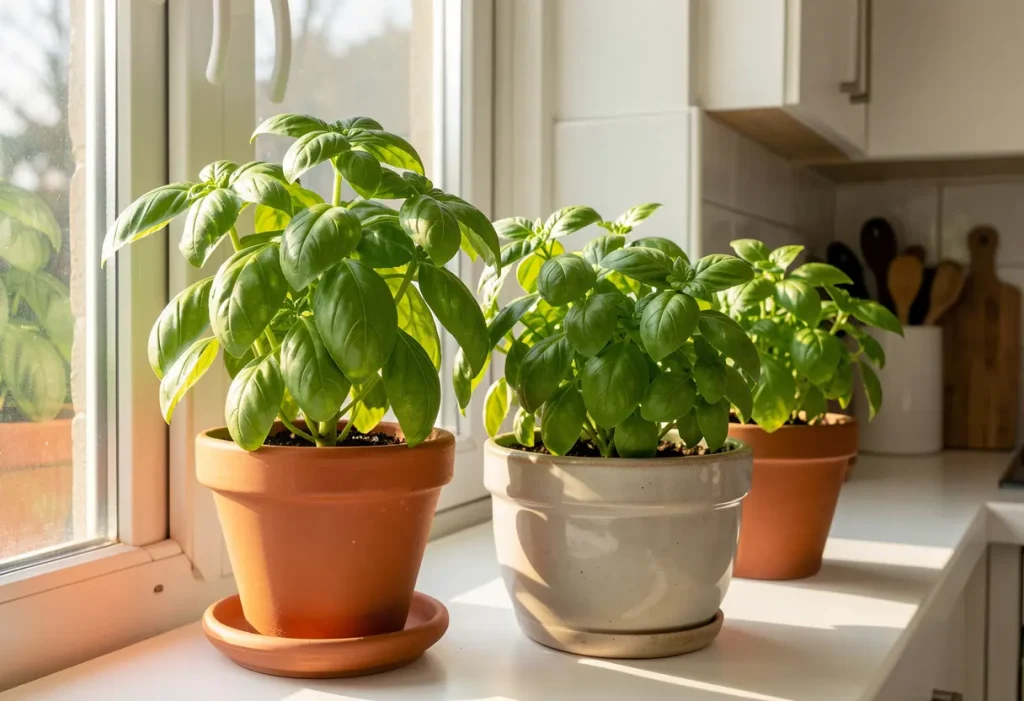
Basil grows well indoors with enough sunlight and warmth. Place it near a sunny window for best results. Keep the soil moist but not soggy.
Basil needs about 6 hours of sunlight each day. A south-facing window is ideal for good light. Use a grow light if natural light is insufficient.
Basil prefers warm temperatures between 65°F and 75°F. Avoid cold drafts or temperatures below 50°F. Consistent warmth helps basil thrive indoors.
Water basil when the top inch of soil feels dry. Usually, watering every 2 to 3 days works well. Do not let the soil stay soggy or dry out completely.
Yes, indoor basil can produce plenty of fresh leaves for cooking. Regular harvesting encourages new leaf growth. Just pinch off leaves above a pair of leaves to keep it healthy.
Growing basil indoors is simple and rewarding. It needs sunlight, water, and good soil. Place the pot near a bright window. Water regularly but avoid overwatering. Trim the leaves to keep the plant healthy. Fresh basil adds flavor to many dishes.
Indoor growing saves trips to the store. Try it yourself and enjoy fresh herbs daily. Easy care means anyone can succeed. Why not start growing basil inside today?