Gardening Made Simple.
Are you ready to grow fresh, crunchy cucumbers right in your Texas backyard? Growing cucumbers in Texas can be a rewarding experience, and with the right tips for soil, sunlight, and care, you can overcome common challenges to enjoy a bountiful harvest.
The hot climate and unique soil conditions mean you need the right tips and tricks to help your plants thrive. In this guide, you'll discover simple steps to plant, care for, and harvest cucumbers that taste better than store-bought. Keep reading, and soon you'll be enjoying homegrown cucumbers all season long!
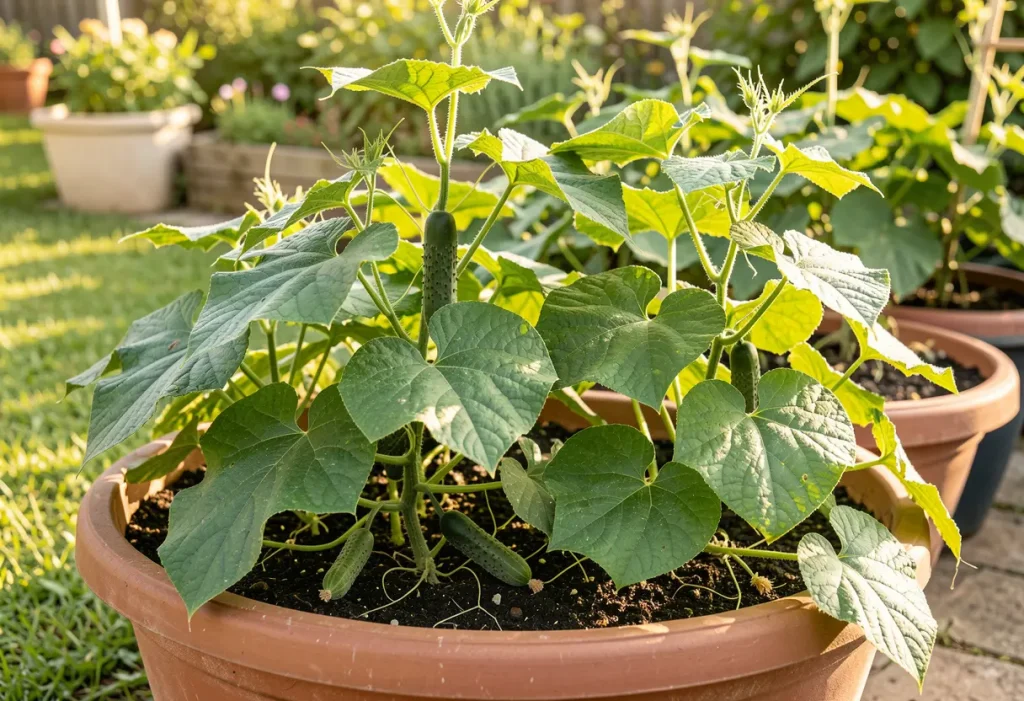
Choosing the right cucumber varieties is key to a good harvest in Texas. The state's heat and humidity challenge many plants. Picking types that fit the climate helps cucumbers grow strong and healthy. It also means better taste and more fruit on your vine.
Some cucumber varieties do well in Texas heat. Look for types that handle hot days and dry spells. “Straight Eight” and “Arkansas Little Leaf” are popular choices. They resist heat stress and produce many cucumbers. Pick varieties that grow fast to avoid Texas summer heat. Bush types save space and work well in small gardens.
Diseases like powdery mildew often hit Texas cucumbers. Choose varieties bred to fight these problems. “Marketmore 76” and “Sweet Slice” show good disease resistance. These varieties reduce the need for sprays and keep plants healthy. Healthy plants give you crisp, tasty cucumbers all season long.
Preparing the soil is the first step to grow healthy cucumbers in Texas. Good soil helps cucumbers get the water, air, and nutrients they need. Taking time to prepare soil well can improve your harvest and plant health.
Texas soil varies, so testing and fixing it is key. Proper preparation creates a strong base for cucumber roots. This section explains how to check soil needs and add nutrients.
Cucumbers grow best in loose, sandy loam soil. The soil must drain well to avoid waterlogging. Heavy clay soils can harm roots and reduce growth.
The ideal soil pH for cucumbers is 6.0 to 7.0. Slightly acidic to neutral soil helps nutrient absorption. Testing soil pH guides you to adjust it correctly.
Texas soil often needs organic matter to improve texture. Adding compost or aged manure makes soil softer and richer. This helps roots spread and grow strong.
Adding organic matter is the first step to amend soil. Spread 2 to 3 inches of compost over the planting area. Work it into the top 6 to 8 inches of soil.
Before planting, apply a balanced fertilizer like 10-10-10. Follow package instructions based on soil test results. Fertilizer supplies essential nitrogen, phosphorus, and potassium.
Side dress cucumbers with fertilizer during growth. This supports healthy leaves and fruits. Use a nitrogen-rich fertilizer once the plants start to vine.
Planting cucumbers in Texas requires careful timing and proper spacing. These steps help plants grow strong and produce many fruits. Understanding the right time and place to plant cucumbers improves your harvest.
Plant cucumbers after the last spring frost. The soil should be warm, at least 70°F. In Texas, this usually means planting in late March to early April. Warm soil helps seeds sprout quickly. Avoid planting too early to prevent poor growth.
Plant cucumber seeds about 1 inch deep. Space seeds 12 inches apart in rows. Leave 3 to 4 feet between rows to allow air flow. Proper spacing helps reduce disease and gives vines room to grow. Crowded plants produce fewer cucumbers.
Water is essential for growing healthy cucumbers in Texas. Proper watering and irrigation help plants stay strong and produce crisp fruits. Texas’s hot climate makes regular watering very important. Too little water causes stress, while too much water can harm roots. Understanding the water needs of cucumbers ensures better growth and harvest.
Cucumber plants need consistent moisture throughout their life. Seedlings require gentle watering to keep soil damp. As plants grow, they need about one to two inches of water each week. Deep watering helps roots develop well and reach deeper soil layers. Watering early in the morning reduces evaporation and keeps leaves dry. Dry leaves lower disease risk.
Drip irrigation suits cucumber plants best. It delivers water directly to the soil near roots. This method saves water and keeps leaves dry. Soaker hoses also work well for even watering. Avoid overhead sprinklers as wet leaves can cause diseases. Mulching around plants helps keep soil moist longer. It reduces watering frequency and controls weeds.
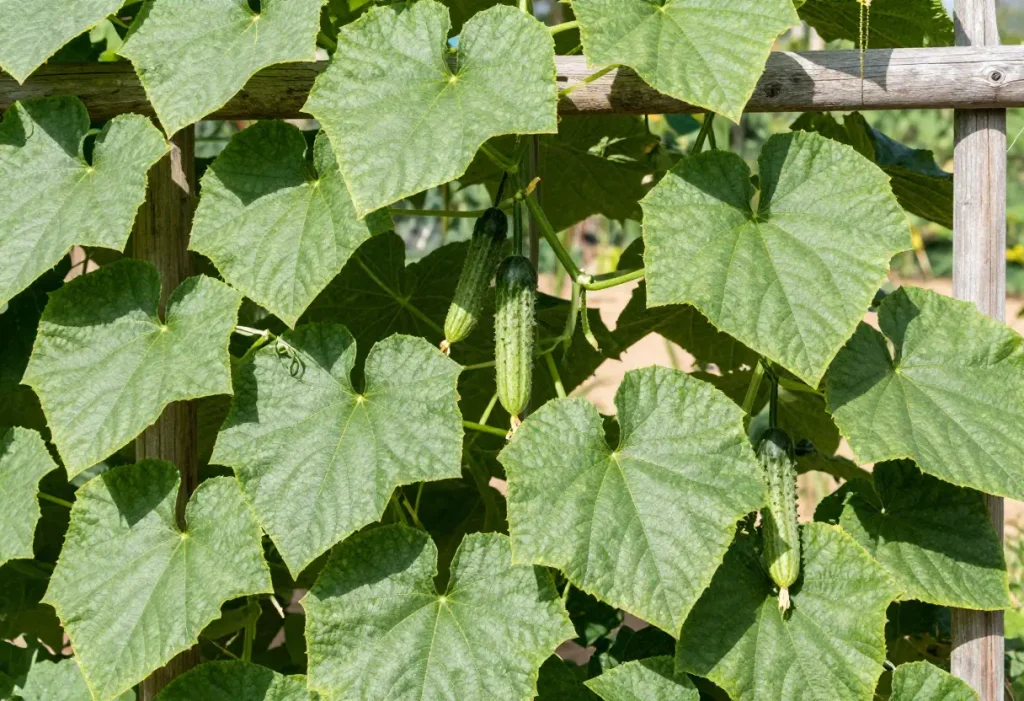
Managing pests and diseases is key to growing healthy cucumbers in Texas. The warm climate can attract many bugs and plant problems. Early action helps protect your plants and keeps your harvest strong. Knowing what pests and diseases to watch for makes control easier.
Texas gardens often face cucumber beetles. These bugs chew leaves and spread disease. Aphids are small insects that suck plant sap. They weaken cucumbers and cause leaves to curl. Spider mites also attack, leaving tiny spots on leaves. Squash bugs feed on stems and leaves, causing wilting. Watch for these pests to stop damage early.
Use insecticidal soap or neem oil to fight pests naturally. These options work well against aphids and mites. Handpick larger bugs like cucumber beetles to reduce numbers. Crop rotation helps prevent disease build-up in soil. For severe infestations, consider chemical insecticides. Choose products labeled safe for cucumbers and follow instructions. Always protect beneficial insects by targeting only harmful pests.
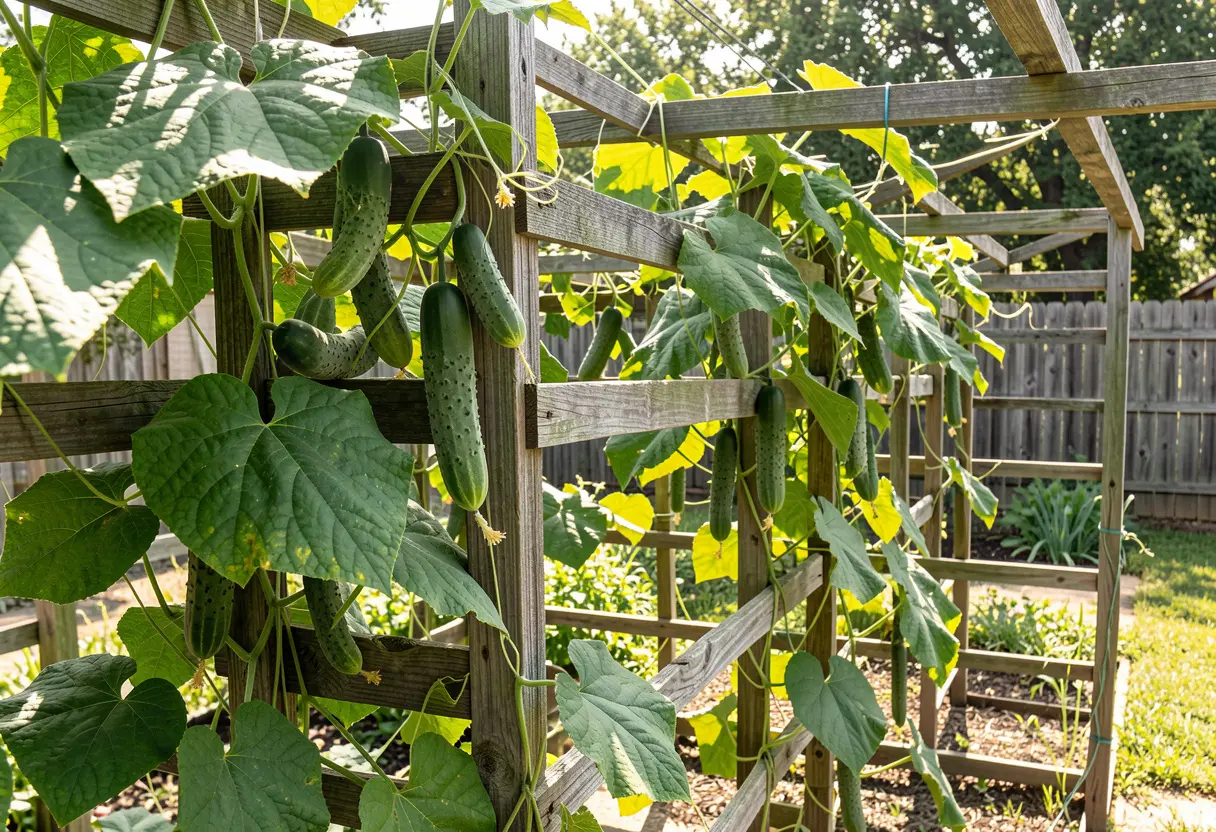
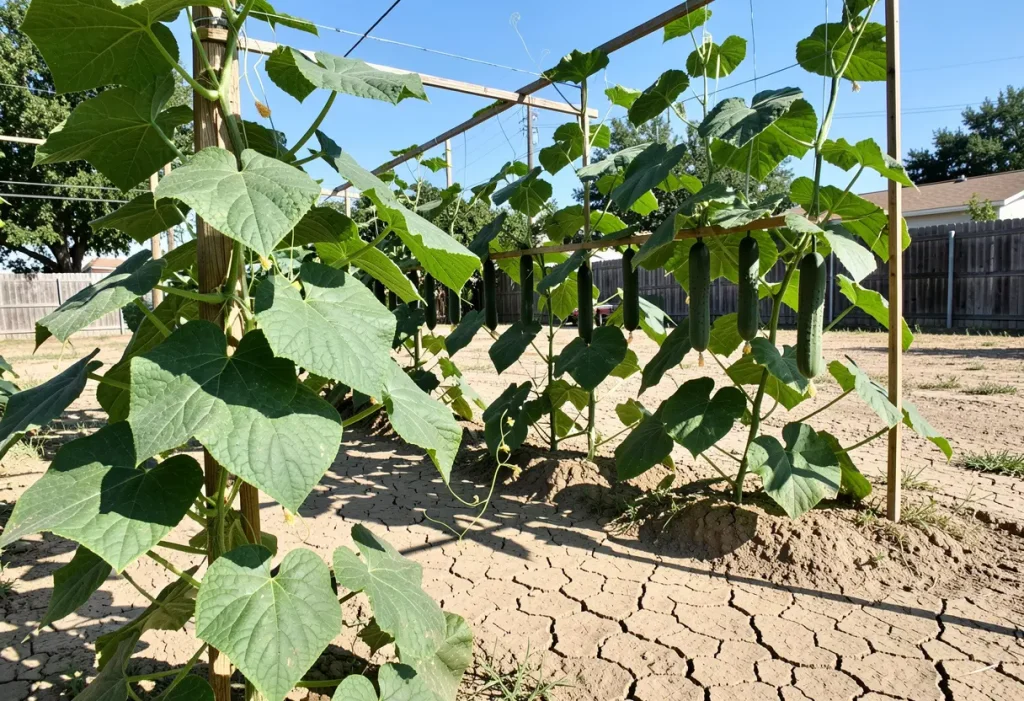
Supporting cucumber vines is key to a healthy and productive garden in Texas. Cucumbers are climbing plants that need space to grow upward. Providing support helps keep the vines off the ground. This prevents disease and makes harvesting easier. Strong support also improves air flow around the plants. It helps the cucumber fruits grow straight and clean.
Trellising is a common way to support cucumber vines. You can use a simple wooden frame or metal stakes with string. Wire mesh or garden netting works well for cucumbers to climb. Tie the vines gently to the trellis with soft ties. This keeps them secure without damage. Place the trellis in a sunny spot for best growth. Regularly check and adjust ties as the vines grow.
Growing cucumbers vertically saves garden space. It allows more plants in smaller areas. Vertical growth reduces soil contact, which lowers disease risk. Fruits stay cleaner and are less likely to rot. Harvesting is easier because the cucumbers hang down and are visible. Vertical growth improves air circulation around plants. This leads to stronger and healthier vines.
Harvesting cucumbers at the right time and with care ensures the best taste and texture. Proper harvesting helps the plant stay healthy and produce more cucumbers. This section offers simple tips on when and how to pick cucumbers in Texas gardens.
Pick cucumbers when they are firm and green. Usually, cucumbers are ready 50 to 70 days after planting. Check daily because they grow fast in Texas heat. Avoid letting cucumbers turn yellow. Yellow means overripe and bitter taste. Pick cucumbers that are about 6 to 8 inches long. Smaller cucumbers taste sweeter and have less seeds.
Use scissors or garden shears to cut cucumbers from the vine. Cutting prevents damage to the plant. Hold the cucumber gently and cut the stem about half an inch above the fruit. Avoid pulling cucumbers off. Pulling can harm the vine and reduce future harvests. Harvest in the morning for the freshest cucumbers. Keep cucumbers in a cool, shaded place after picking. This preserves their crispness and flavor.
Extending the growing season helps you harvest more cucumbers in Texas. The hot climate and short cool seasons limit growth. Using smart techniques can stretch the time your plants produce. This means fresh cucumbers for a longer period.
Plant cucumber seeds every two to three weeks. This keeps young plants ready to grow as older ones finish. Succession planting avoids gaps in your harvest. It also reduces risk from pests or bad weather. Start seeds indoors to get an early boost.
Shade slows down heat stress on cucumber plants. Use shade cloths during the hottest hours of the day. Mulch keeps soil moist and cool around roots. Organic mulch like straw or leaves works best. These methods protect plants and help them live longer.
Plant cucumbers in Texas after the last frost, usually from late March to early April. Warm soil above 70°F helps seeds sprout well.
Cucumbers need about 1 inch of water per week, more during hot, dry days. Keep soil moist but not soggy for healthy growth.
Cucumbers grow best in loose, well-drained soil rich in organic matter. Adding compost improves soil and helps retain moisture.
Use natural methods like neem oil or insecticidal soap to control pests. Regularly check leaves for damage or bugs to act quickly.
Yes, trellises save space and keep cucumbers clean by lifting vines off the ground. This also improves air flow and reduces disease risk.
Growing cucumbers in Texas can be a fun and rewarding activity. Choose the right spot with plenty of sun. Water your plants regularly but avoid too much moisture. Use good soil that drains well and add compost for nutrients. Watch for pests and keep your plants healthy.
Harvest cucumbers when they are firm and green. Fresh cucumbers from your garden taste better than store-bought ones. With patience and care, your cucumber plants will thrive in Texas heat. Give it a try and enjoy fresh cucumbers all season long.
Simple steps lead to great results.