Gardening Made Simple.

Are you ready to enjoy fresh, homegrown zucchini straight from your garden? Growing Zucchini from Seed is easier than you might think, and it can bring a rewarding burst of flavor to your meals. With the right soil, spacing, and care, your zucchini plants can thrive and produce abundant, delicious fruits all season long.
Imagine picking vibrant, healthy zucchini just steps from your door, knowing you nurtured every plant yourself. In this guide, you’ll discover simple steps to start your seeds, care for your plants, and harvest zucchinis that taste better than store-bought. Keep reading to unlock the secrets that will make your zucchini patch thrive!
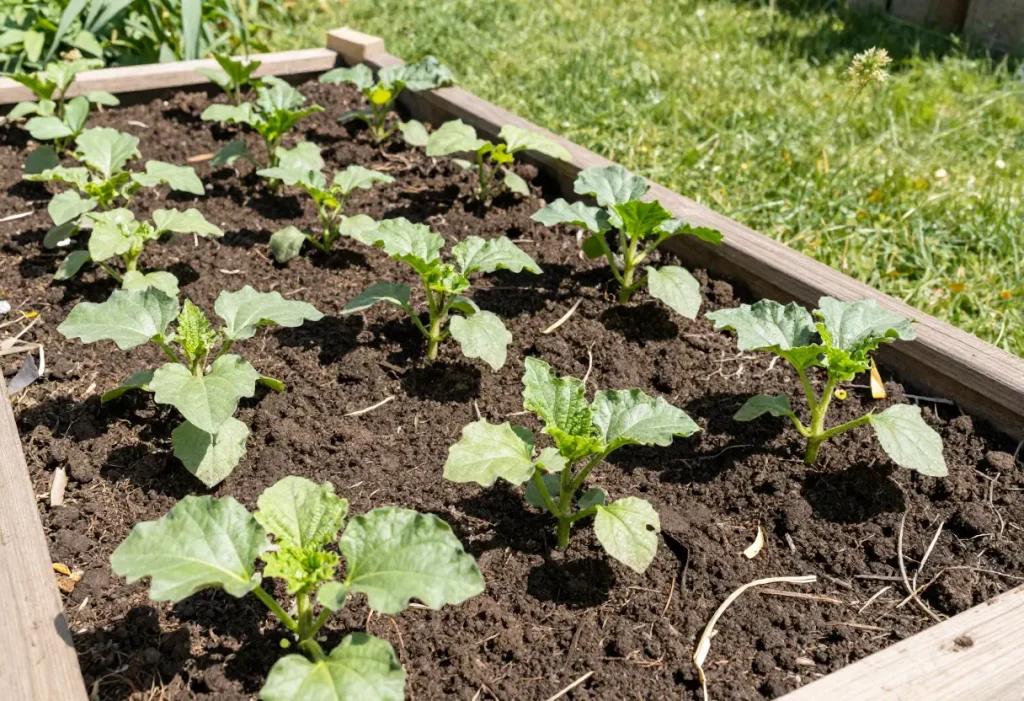
Choosing the right seeds is the first step in growing healthy zucchini plants. Seeds determine the plant’s growth, yield, and taste. Selecting good seeds helps avoid common problems like poor germination and weak plants. This section covers popular zucchini varieties and tips on finding quality seeds.
Zucchini comes in many types. Some have dark green skin, while others are yellow or striped. “Black Beauty” is a common variety known for its dark green color and high yield. “Golden” zucchini offers a bright yellow color and sweet flavor. “Costata Romanesco” has ribbed skin and a nutty taste. Choose a variety that fits your garden space and taste preference.
High-quality seeds grow into strong plants. Buy seeds from trusted sellers or local garden centers. Check the seed packet for harvest date and germination rate. Fresh seeds sprout faster and better. Avoid seeds that look old or damaged. Organic seeds are a good choice for natural gardening. Store seeds in a cool, dry place before planting.
Preparing the soil is the first key step to grow healthy zucchini from seed. Good soil helps seeds sprout and plants grow strong. It holds nutrients and water well, giving your zucchini the best start.
Zucchini grows best in loose, well-drained soil. Sandy loam or loamy soil works great. It lets water drain but keeps enough moisture for roots.
The soil pH should be between 6.0 and 7.5. This range helps plants absorb nutrients easily. Test your soil with a simple kit to know the pH level. Adjust it if needed.
Adding organic matter improves soil health. Mix compost or well-rotted manure into the soil. This adds nutrients and improves texture.
Work the soil to a depth of 8 to 12 inches. This loosens the soil and allows roots to grow freely. Avoid compacted soil that blocks air and water.
Before planting, water the soil lightly. Moist soil helps seeds germinate faster. Avoid waterlogging, which can cause seeds to rot.
Planting zucchini seeds is the first step to a healthy garden. Proper planting helps seeds grow strong and produce many zucchinis. Careful attention to timing and spacing makes a big difference.
Good soil and warm weather also help seeds sprout quickly. Let’s explore when and how to plant zucchini seeds for best results.
Plant zucchini seeds after the last frost date in your area. Soil should be warm, at least 70°F (21°C). Cold soil slows seed growth or stops it completely. Late spring or early summer is best for planting. This timing gives plants a long growing season.
Plant seeds about 1 inch (2.5 cm) deep in loose soil. This depth protects seeds from birds and drying out. Space seeds 24 to 36 inches (60 to 90 cm) apart. Proper spacing allows air circulation and room for vines to spread. Crowded plants may grow poorly and have fewer zucchinis.
Watering and feeding zucchini plants is key to healthy growth. These plants need the right amount of water and nutrients to thrive. Too much or too little can harm your plants. Follow these simple tips to keep your zucchini strong and productive.
Zucchini plants need consistent moisture. Water deeply once or twice a week. More often in hot, dry weather. Avoid wetting leaves to prevent disease. Early morning watering helps leaves dry faster. Check soil moisture by touching it. If the soil feels dry 2 inches down, it's time to water.
Feed zucchini plants with balanced fertilizer. Use a 10-10-10 fertilizer before planting. Side-dress plants with compost or fertilizer every 3 weeks. Avoid too much nitrogen to prevent leaf growth over fruit. Organic options like compost or fish emulsion work well. Follow package instructions for amounts. Healthy soil makes strong zucchini plants.
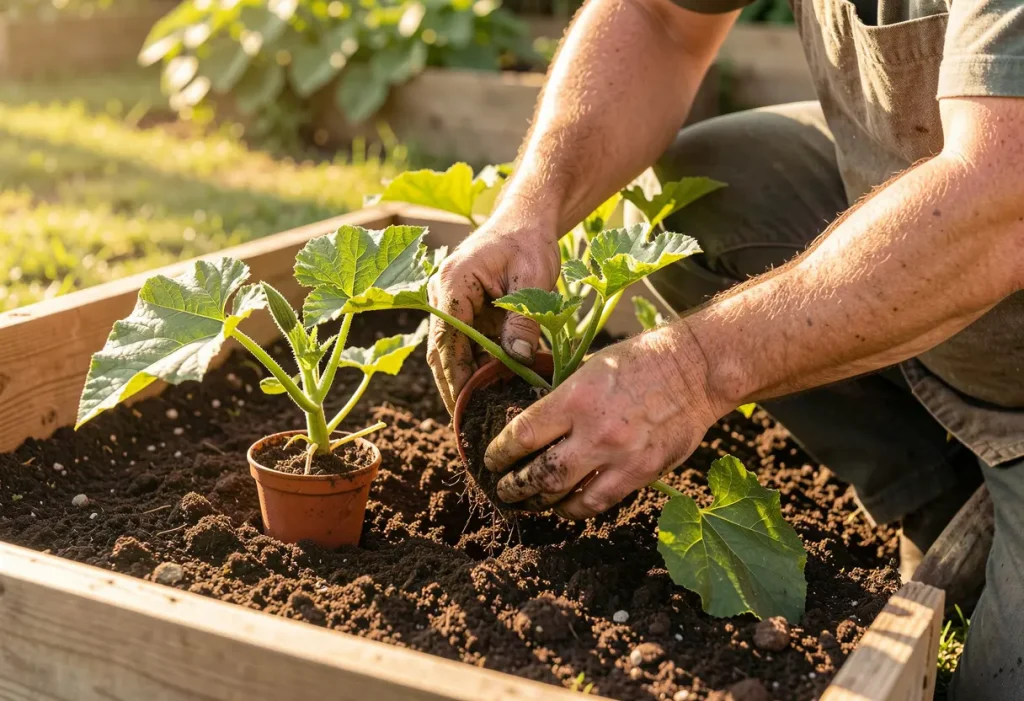
Sunlight and temperature play key roles in growing zucchini from seed. These factors affect seed germination, plant growth, and fruit production. Providing the right conditions helps your zucchini thrive and produce a good harvest.
Zucchini plants need full sun to grow well. They require at least 6 to 8 hours of direct sunlight daily. Sunlight fuels photosynthesis, which helps the plant build strong stems and leaves. Without enough sun, zucchini plants become weak and produce fewer fruits.
Choose a sunny spot in your garden or use containers near a bright window. Avoid shaded areas or spots blocked by trees or buildings. More sunlight means healthier plants and a better harvest.
Zucchini seeds germinate best in warm soil. The ideal soil temperature is between 70°F and 95°F (21°C to 35°C). Cooler soil slows down germination or stops it completely. Plant seeds after the last frost date in your area.
During growth, zucchini plants prefer daytime temperatures between 70°F and 85°F (21°C to 29°C). Night temperatures should not drop below 50°F (10°C). Too cold or too hot conditions stress the plants and reduce fruit quality.
Pest and disease control is important for growing healthy zucchini plants. Pests and diseases can damage leaves, stems, and fruits. This reduces the harvest and weakens the plants. Early detection and control keep the plants strong and productive.
Squash bugs are a frequent pest. They suck sap from the plant, causing wilting.
Cucumber beetles chew holes in leaves and spread diseases.
Aphids gather on new growth and spread viruses.
Squash vine borers tunnel inside stems, causing sudden plant collapse.
Plant zucchini in well-drained soil with good air flow. This lowers disease risk.
Remove weeds and garden debris that harbor pests.
Use row covers to keep insects off young plants.
Inspect plants regularly for early signs of pests or damage.
Encourage beneficial insects like ladybugs that eat harmful pests.
Water plants at the base to avoid wetting leaves, which reduces fungal growth.
Supporting zucchini plants is important to help them grow strong and healthy. Proper care makes the plants produce more fruit and stay free from diseases. Simple steps can protect your zucchini and help it thrive throughout the season.
Two main techniques to support growth include staking and mulching, along with pruning. These methods help manage space and keep plants healthy.
Staking helps keep zucchini plants upright. Use stakes or cages to support heavy vines and fruits. This stops the plant from touching the ground. It reduces the risk of rot and pests.
Mulching keeps soil moist and controls weeds. Spread organic mulch like straw or leaves around the base. Mulch also keeps soil temperature steady. This promotes steady plant growth and better fruit quality.
Pruning zucchini plants improves air circulation. Cut off yellow or dead leaves to prevent disease. Removing extra vines helps the plant focus on fruit production. Use clean scissors to avoid spreading germs. Prune carefully to avoid harming the main stems.
Harvesting zucchini at the right time helps you enjoy fresh, tasty vegetables. Proper harvesting also encourages plants to produce more fruit. Knowing when and how to pick zucchini is key for a good harvest.
Pick zucchini when they are about 6 to 8 inches long. Smaller zucchini are more tender and flavorful. Check your plants every two days to catch the best size. Large zucchini can become tough and seedy. Early harvesting keeps the plant healthy and productive.
Use a sharp knife or garden shears to cut zucchini from the vine. Cut the stem about one inch above the fruit. Avoid pulling or twisting the zucchini to prevent plant damage. Handle the fruit gently to avoid bruising. Store zucchini in a cool, dry place after picking.
Saving zucchini seeds for the next planting season is a smart way to keep your garden thriving. It reduces costs and helps maintain strong plant varieties. Collecting and storing seeds properly ensures healthy plants year after year.
Choose the best zucchinis for seed saving. Pick fully ripe fruits with good shape and size. Avoid plants that look sick or weak. Select seeds from strong, healthy plants for better growth. Let the fruit fully mature on the vine before harvesting seeds.
Clean seeds before storing. Remove all pulp and dry seeds completely. Use paper bags or envelopes for storage. Keep seeds in a cool, dry, dark place. Avoid moisture and heat to prevent seed damage. Label the storage container with the date and seed type. Proper storage helps seeds last longer and grow well next season.
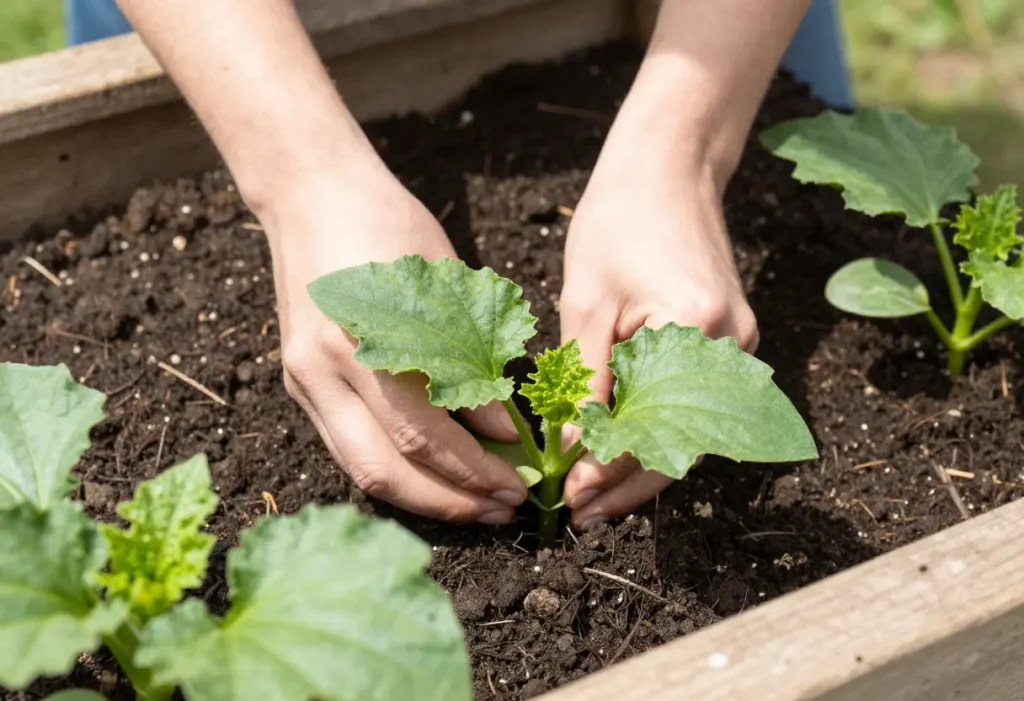
Zucchini seeds usually sprout in 7 to 10 days. Warm soil speeds up the process. Keep the soil moist but not wet.
Zucchini grows best in well-drained, rich soil with lots of organic matter. A pH level between 6 and 7 is ideal. Good soil helps plants grow strong.
Zucchini plants need at least 6 to 8 hours of sunlight each day. More sun means better growth and more fruit. Place them in a sunny spot.
Plant zucchini seeds outdoors after the last frost date in your area. Soil temperature should be at least 60°F (16°C). This helps seeds grow without risk of cold damage.
Water zucchini plants deeply once or twice a week. Keep the soil moist but not soggy. Too much water can cause root problems.
Growing zucchini from seed is simple and rewarding. Choose good seeds and plant them in warm soil. Water regularly but avoid overwatering. Give your plants plenty of sunlight and space. Watch them grow fast and enjoy fresh zucchini soon. Gardening teaches patience and care.
Start small, learn, and enjoy the process. Your garden will thank you with tasty, homegrown vegetables. Keep trying, and each season gets easier and more fun.