Gardening Made Simple.

Are you confused about the difference between Holy Basil and Thai Basil? You’re not alone. Understanding Holy Basil vs Thai Basil helps you choose the right herb for cooking, gardening, and health benefits, making your meals and plant care more rewarding.
Both herbs look similar and are often used in cooking and traditional remedies, but they have unique flavors and benefits that can change your dishes and health in surprising ways. Understanding these differences can help you choose the right basil for your kitchen and wellness routine.
Keep reading to discover which basil suits your taste and needs best.
Holy basil and Thai basil both belong to the basil family. They share a green herb heritage but have different backgrounds. Understanding their origins helps to know their unique qualities and uses.
Holy basil, also called Tulsi, is native to India. It has deep spiritual importance in Hindu culture. People have used it for thousands of years in religious rituals and traditional medicine. Holy basil grows well in warm climates and has a strong, spicy aroma. It is often found in gardens near temples and homes.
Thai basil comes from Southeast Asia, especially Thailand and Vietnam. It has a sweeter, anise-like scent compared to holy basil. Thai basil is a common ingredient in many Asian dishes. It appeared in markets and kitchens centuries ago. Farmers grow it for its vibrant flavor and purple stems. The herb is essential in many traditional recipes.
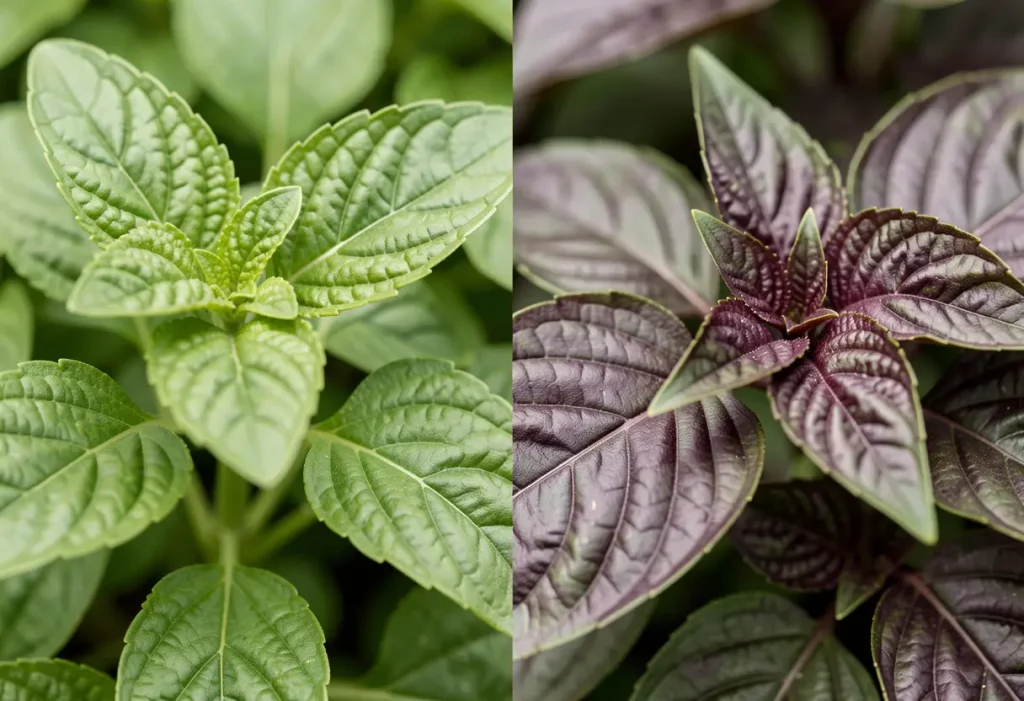
Holy Basil and Thai Basil share the same herb family but look quite different. Their unique appearance helps gardeners and cooks tell them apart easily. Observing their leaf shape, color, and plant size reveals clear contrasts.
Holy Basil leaves are soft with a rounded shape. They often have a slight fuzz on their surface. The color is usually green with hints of purple or red veins. Thai Basil leaves are narrower and more pointed. Their color is a deep green with purple stems. The leaves are smooth and shiny, giving them a fresh look.
Holy Basil plants tend to grow bushy and short. They usually reach about 12 to 24 inches tall. The branches spread out widely. Thai Basil grows taller and more upright, often reaching up to 30 inches. Its stems are stronger and have a purplish hue. The plant structure is more compact compared to Holy Basil.
Understanding the flavor profiles of Holy Basil and Thai Basil helps in choosing the right herb for your dish. Both have unique tastes that add special touches to meals. Their flavors influence the aroma and final flavor of many Asian recipes.
Holy Basil has a strong, spicy flavor with a hint of clove. It tastes slightly peppery and has a warm, earthy note. Its aroma is sharp and somewhat minty. This basil adds a bold and fragrant touch to soups and stir-fries.
Thai Basil offers a sweet, anise-like flavor with a mild peppery kick. It smells like licorice and has a fresh, slightly spicy taste. Thai Basil is perfect for curries and noodle dishes, giving them a bright and sweet herb flavor.
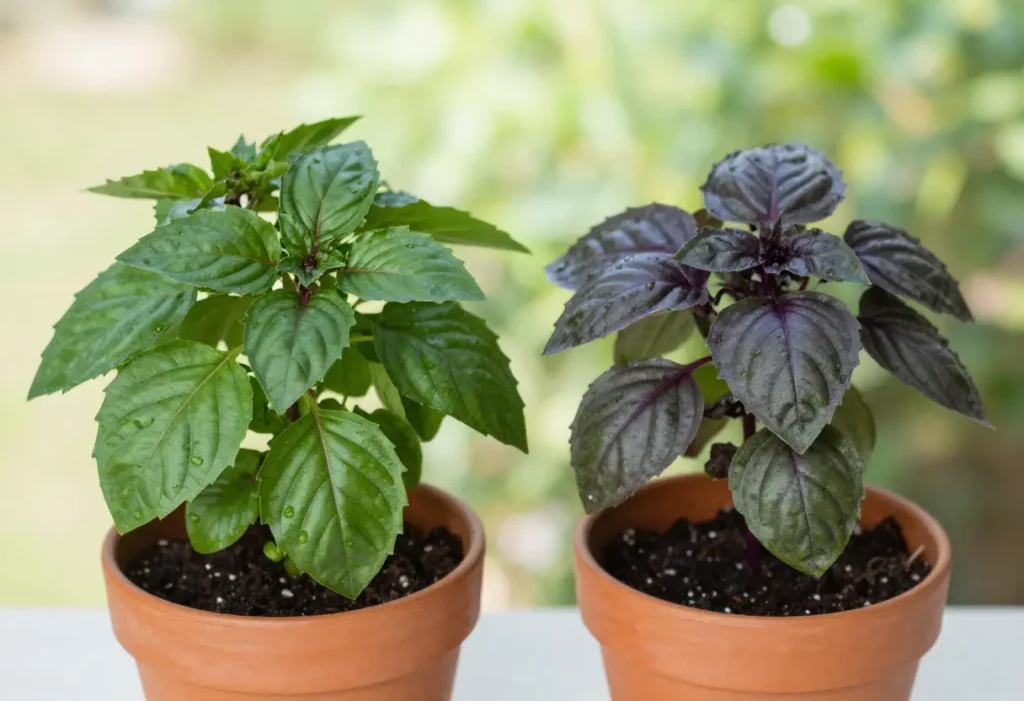
Basil is a popular herb in many kitchens. Holy Basil and Thai Basil offer distinct tastes and aromas. Both shine in different dishes across Asian cuisines. Their flavors change the character of meals.
Holy Basil has a spicy, peppery flavor with hints of clove. Thai Basil tastes sweet and licorice-like with a hint of mint. Each type enhances dishes in unique ways.
Holy Basil is key in Thai cooking. It is the main herb in the famous dish, Pad Krapow. This stir-fry with meat, garlic, and chili uses Holy Basil for its sharp flavor. Holy Basil also appears in soups and herbal teas for its health benefits. It adds a fresh, spicy taste to salads and vegetable dishes. The herb is often added last to keep its strong aroma.
Thai Basil is common in Vietnamese and Thai recipes. Pho, the famous noodle soup, uses Thai Basil as a fresh topping. The herb’s sweet flavor balances rich broth and meat. Thai Basil is also essential in green curry and stir-fried dishes. It holds up well in hot cooking, keeping its flavor. The leaves add a bright, sweet scent to spring rolls and dipping sauces.
Basil plants offer more than just flavor. They carry strong medicinal benefits that help the body stay healthy. Holy Basil and Thai Basil each have unique health properties. These benefits have been valued in traditional medicine for centuries.
Holy Basil is known for its ability to reduce stress. It acts as a natural adaptogen, helping the body handle pressure. It also supports the immune system by fighting harmful bacteria and viruses. Holy Basil has anti-inflammatory effects that ease pain and swelling. It may improve heart health by lowering cholesterol and blood pressure. Many use it to balance blood sugar levels. Holy Basil also helps protect the liver from toxins.
Thai Basil contains antioxidants that fight cell damage. It supports digestion and can relieve stomach discomfort. This basil type has antibacterial qualities that help prevent infections. Thai Basil may reduce inflammation and soothe respiratory problems. It also supports skin health by fighting harmful microbes. The herb provides vitamins and minerals that boost overall wellness. Its unique compounds help improve mental clarity and focus.
Growing Holy Basil and Thai Basil needs careful attention to their conditions. Both plants thrive in warm, sunny places but have different needs for soil and water. Knowing the right environment helps them grow strong and healthy. This section explains ideal growing conditions for each basil type.
Holy Basil grows best in warm weather and full sunlight. It needs at least six hours of sun daily. The soil should be rich, well-drained, and slightly acidic to neutral. Water the plant regularly but avoid waterlogging the roots. Holy Basil prefers a temperature between 70°F and 95°F. It does not tolerate frost or cold winds well.
Thai Basil thrives in hot, sunny spots similar to Holy Basil. It needs full sun for six to eight hours each day. The soil must be fertile, moist, and drain well. Thai Basil enjoys temperatures from 75°F to 90°F. Protect the plant from cold and frost to keep it healthy. Regular watering helps but avoid soggy soil.
Harvesting and storing basil properly keeps its flavor fresh and vibrant. Both Holy Basil and Thai Basil need careful handling. Picking at the right time helps the plant grow stronger. Proper storage keeps leaves from wilting or losing taste.
Harvest Holy Basil just before the flowers bloom. This stage holds the best flavor and aroma. Use sharp scissors or garden shears. Cut the stems about 4 inches from the top. Avoid cutting too close to the main stem. Harvest leaves in the morning after dew dries. This time has the highest oil content.
Pick Thai Basil leaves before the plant flowers. The taste is sweeter and stronger then. Snip the stems using clean scissors. Leave at least two sets of leaves on the plant. This helps it grow back quickly. Harvest regularly to encourage more leaf growth. Morning is the best time to cut the leaves.
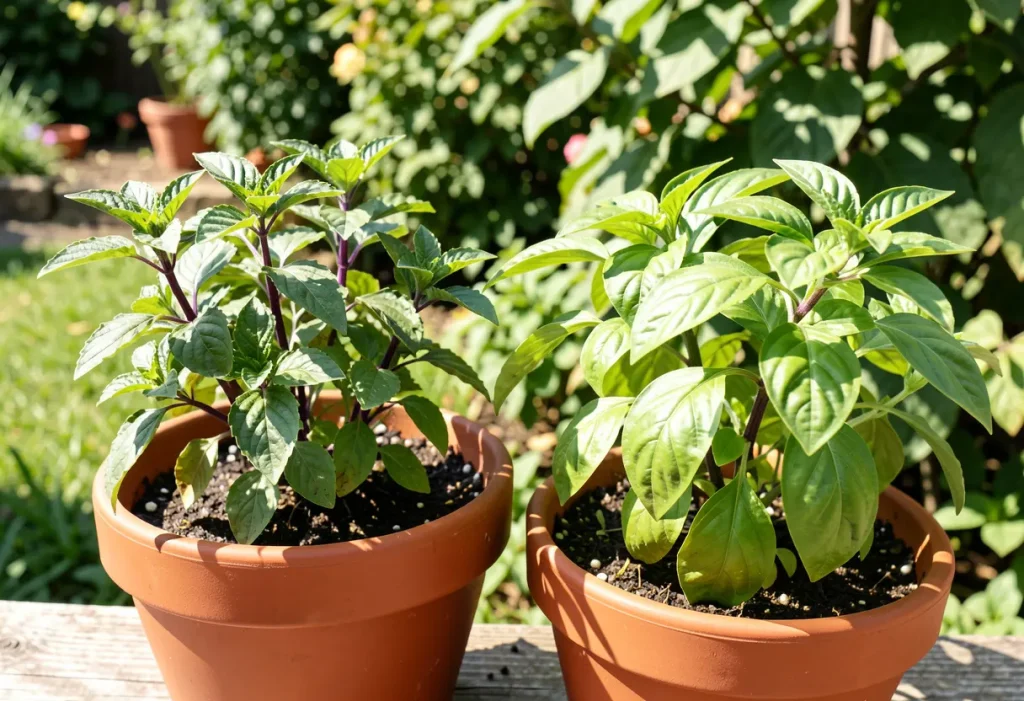
Holy Basil and Thai Basil each bring unique flavors to dishes. Sometimes, you may not find the exact herb. Knowing common substitutes helps keep your recipes tasty. Also, pairing these herbs with other ingredients can enhance meals.
Holy Basil has a spicy, peppery taste with hints of clove. If you cannot find it, try regular basil with a pinch of black pepper. Tulsi tea leaves also offer a similar taste and aroma. Another option is adding a small amount of mint to sweet basil. These substitutes bring a fresh and herbal flavor to your dish.
Thai Basil has a sweet, anise-like flavor with a hint of spice. Sweet basil can replace it, but add a small amount of star anise for that licorice note. Another choice is using Italian basil with a touch of mint or fennel leaves. These options keep the sweet and slightly spicy taste in your cooking.
Holy Basil has a spicy, clove-like flavor, while Thai Basil tastes sweet and anise-like. Their leaf shapes and colors also differ.
Thai Basil is best for Thai cooking because of its sweet, licorice flavor. Holy Basil is more common in herbal teas and medicine.
Substituting Holy Basil changes the taste significantly due to its strong, spicy flavor. Use Thai Basil for authentic Asian dishes instead.
Holy Basil is known for stress relief and immune support. Thai Basil mainly offers antioxidants and aids digestion.
Holy Basil leaves are green to purple with a fuzzy texture. Thai Basil leaves are smooth, glossy, and dark green with purple stems.
Holy Basil and Thai Basil both bring unique flavors to dishes. Holy Basil has a spicy, clove-like taste and is often used in herbal remedies. Thai Basil offers a sweet, licorice flavor that suits many Asian recipes. Choosing between them depends on your recipe and taste preference.
Both herbs add fresh aroma and color to food. Try using each basil in different meals to enjoy their special qualities. Understanding their differences helps you cook better and enjoy more flavors. Simple herbs can make a big difference in your kitchen.