Gardening Made Simple.
Are you excited to grow your own fresh carrots but wondering how long it takes for them to start sprouting? Knowing the germination time is key to planning your garden and keeping your patience in check. Understanding How Long for Carrots to Germinate will help you manage expectations and ensure healthy, successful growth.
If you’ve ever stared at your soil, waiting for those tiny green shoots to appear, you’re not alone. You’ll discover exactly how long carrots take to germinate and what you can do to speed up the process. Stick around, and you’ll be one step closer to harvesting your crunchy, homegrown carrots sooner than you think!
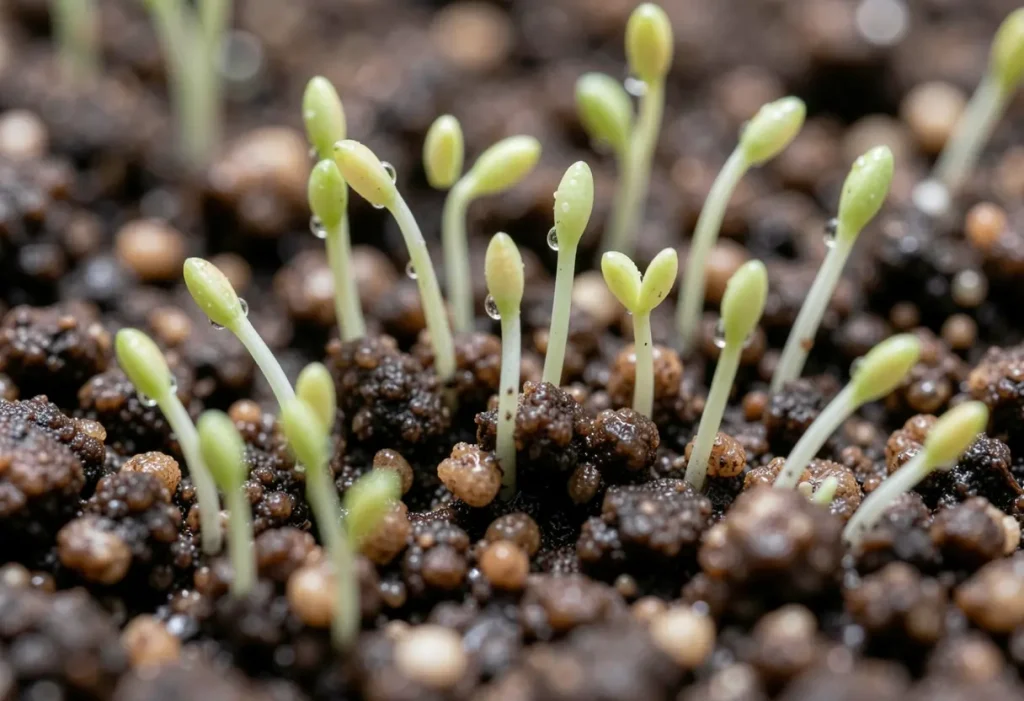
Carrot seed germination time is important for gardeners to know. It tells how long seeds take to sprout and start growing. This helps plan the garden and care for the young plants. Understanding germination also improves the chance of a good harvest.
Carrot seeds usually take 10 to 21 days to germinate. The time varies based on growing conditions. Seeds start to sprout when the soil is moist and warm enough. Cooler soil slows down the process, sometimes doubling the time. Patience is key during this early stage.
Soil temperature plays a big role in germination speed. Ideal soil temperature for carrots is between 50°F and 85°F. Too cold or too hot soil delays sprouting. Moisture is another factor; seeds need consistent moisture but not too wet. Dry soil stops germination. Also, seed quality matters. Fresh seeds sprout faster than old or damaged ones. Light and soil depth affect germination too. Planting seeds too deep can slow or prevent sprouting.
Carrots need the right soil conditions to germinate well. Good soil helps seeds sprout faster and grow strong roots. The soil must have the right temperature, moisture, and texture. These factors work together to create the perfect environment for carrot seeds.
Understanding each soil condition helps gardeners plan better. It also reduces the wait time for carrot seeds to pop up. Below are key points about soil temperature, moisture, and preparation.
Carrot seeds germinate best in cool soil. The ideal temperature is between 50°F and 85°F (10°C to 29°C). Soil too cold slows germination. Soil too hot can kill seeds or cause weak sprouts. Checking soil temperature with a thermometer is helpful. Plant seeds when the soil feels warm but not hot.
Carrot seeds need steady moisture to sprout. Soil should stay damp but not soaking wet. Too much water can cause seeds to rot. Too little water stops germination. Water lightly and often to keep soil moist. Mulching helps hold moisture and protects seeds.
Carrots grow best in loose, sandy, or loamy soil. Heavy clay soil makes it hard for roots to grow. Removing stones and breaking clumps improves soil texture. Adding compost or organic matter gives nutrients and improves drainage. Preparing soil well creates a smooth bed for seeds.
Preparing carrot seeds properly helps them sprout faster and stronger. Seeds have a tough outer layer that slows water intake. Softening this layer boosts germination speed. Proper seed prep also improves seedling health. Try easy techniques before planting for better growth results.
Soak carrot seeds in warm water for 6 to 12 hours. This softens the seed coat and starts the germination process. Use clean water and do not soak more than 12 hours. After soaking, drain the water and plant seeds immediately. Pre-soaking helps seeds absorb moisture quickly and sprout faster.
Scarification means gently scratching or nicking the seed coat. Use sandpaper or a nail file to rub the seed surface lightly. Do not damage the seed inside. Scarification breaks the hard seed shell, allowing water to enter easily. This method speeds up germination and improves sprout rates.
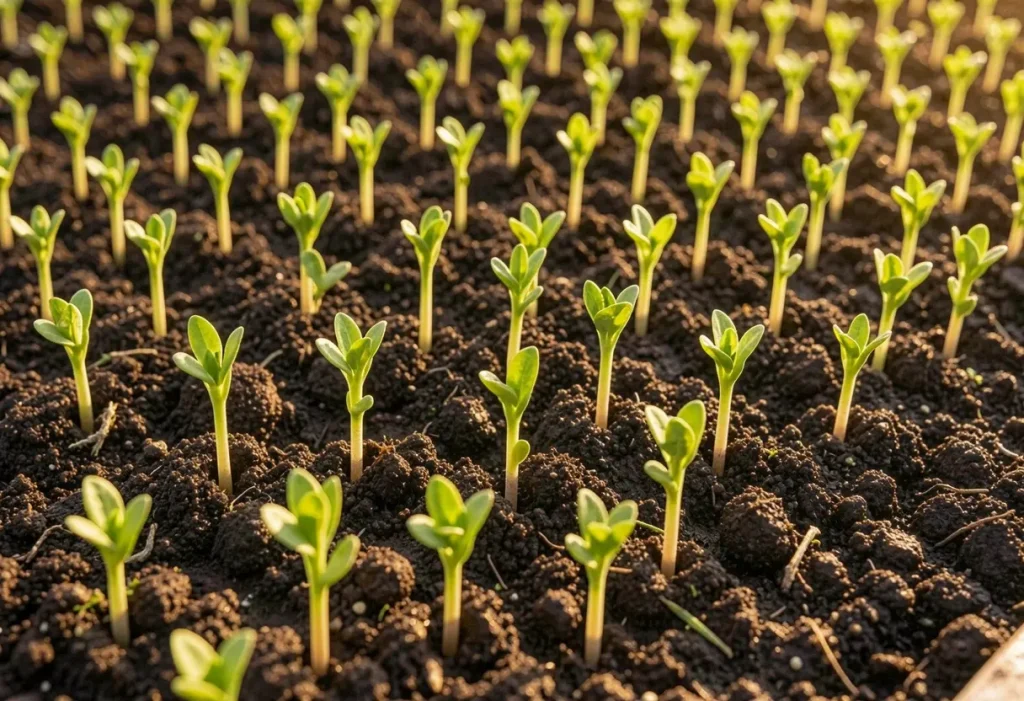
Planting carrots correctly helps seeds sprout well and grow healthy roots. Good planting habits improve germination and lead to better crops. Follow these simple tips to give your carrots the best start.
Plant carrot seeds about ¼ inch deep in loose soil. Too deep, and seeds struggle to sprout. Too shallow, and seeds dry out quickly. Keep soil moist but not soaked for best results.
Space seeds 2 to 3 inches apart in rows 12 to 18 inches wide. Crowded seeds compete for nutrients and water. Thin seedlings early to avoid stunted growth and twisted roots.
Sow carrot seeds in early spring or late summer. Soil should be cool but not frozen. Carrots need 50 to 70 days to mature depending on variety and weather.
Water plays a key role in helping carrot seeds sprout and grow fast. Proper watering helps seeds stay moist and healthy. It also stops them from drying out or drowning.
Good watering habits speed up germination and support strong roots. Knowing how to water carrots right makes a big difference.
Keep the soil evenly moist for the best germination. Dry spots slow down seed growth or stop it completely. Check soil daily and water lightly if it feels dry. Use a spray bottle for gentle watering. This avoids washing away seeds or soil. Consistent moisture helps seeds swell and break open fast.
Too much water causes soil to stay soggy and blocks air flow. Roots can rot in wet soil. Avoid watering heavily all at once. Water in small amounts but often. Make sure soil drains well to stop water buildup. Overwatering delays germination and harms young seedlings.
Temperature and light play a big role in how fast carrot seeds sprout. Both factors affect seed growth and the time it takes for carrots to germinate. Knowing the right conditions helps gardeners get better results.
Carrot seeds grow best in cool soil. The perfect soil temperature is between 50°F and 85°F (10°C to 29°C). Seeds may take longer to sprout if the soil is too cold. Above 85°F, seeds might not grow well. Keeping soil temperature steady helps seeds break through the soil faster.
Carrot seeds do not need light to start germinating. They sprout well in darkness, just below the soil surface. After sprouting, carrot plants need full sun for healthy growth. At least 6 hours of sunlight daily helps carrots grow strong and sweet. Light affects the plant after germination, not the seed sprouting time.
Carrot seeds can face several problems during germination. These issues slow down or stop the sprouting process. Knowing common problems helps you fix them early. Healthy seedlings start with good care and attention.
Damping-off is a fungal disease. It attacks young carrot seedlings and kills them quickly. The soil stays too wet, helping fungi grow. Seedlings may wilt and fall over. Good air flow and proper watering reduce this risk.
Old or damaged seeds often fail to sprout. Seeds stored in bad conditions lose their power to grow. Always buy fresh seeds from a trusted source. Check seed packets for the best planting dates.
Small insects and animals can eat carrot seeds or seedlings. Birds, ants, and beetles are common threats. Protect seeds with netting or natural repellents. Keep your garden clean to avoid pests.
After carrots sprout, their growth needs care to stay strong and healthy. Young plants must get enough space, nutrients, and water. This helps carrots grow straight and big. Good care at this stage leads to a better harvest later.
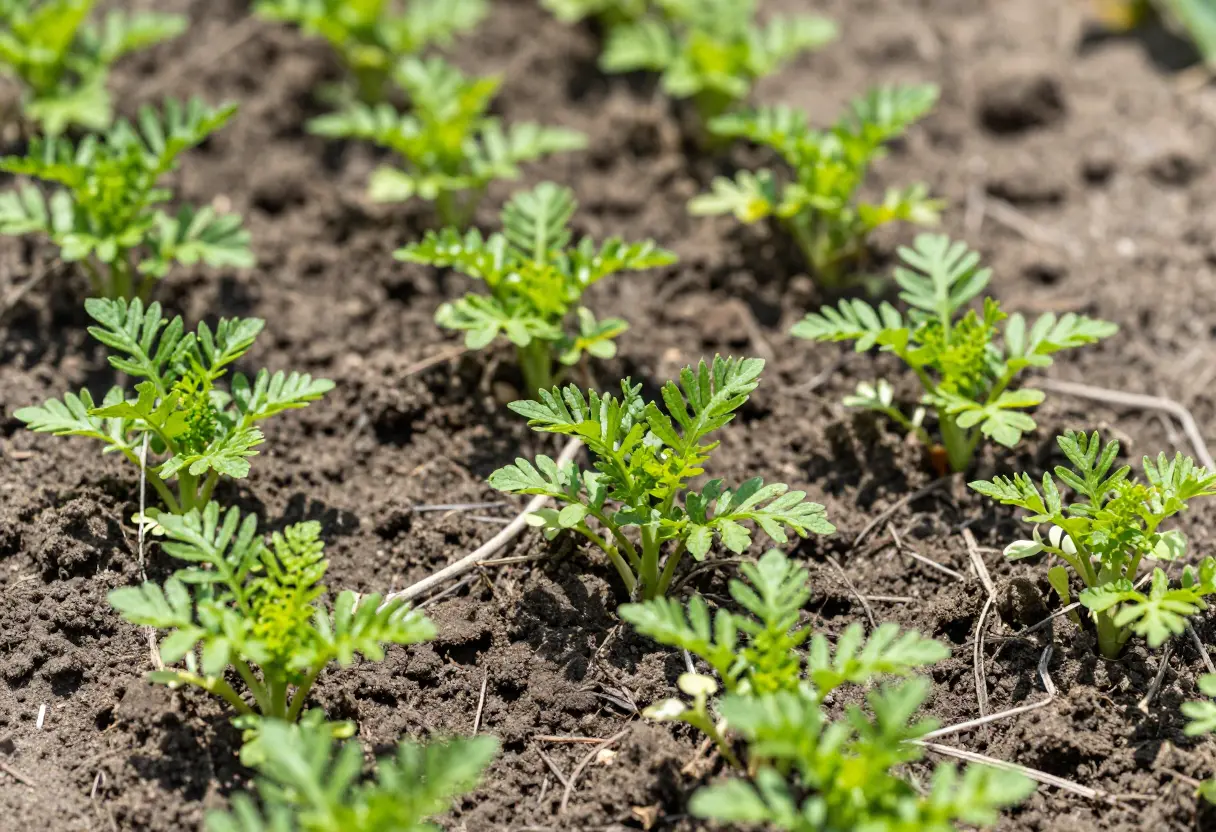
Carrot seeds are often sown thick. Seedlings grow close together. Thin them out when they are 2 to 3 inches tall. Remove the smallest or weakest plants. Leave about 2 to 3 inches between each seedling. This gives roots space to grow well. Crowded plants compete for light and food. Thinning helps strong carrots develop fully.
Carrots need nutrients to grow fast. Use a balanced fertilizer with low nitrogen. Too much nitrogen makes leaves grow, not roots. Fertilize after thinning seedlings. Apply fertilizer around the plants, not on leaves. Water plants well after feeding. This helps nutrients reach roots. Regular feeding keeps carrots healthy and growing.
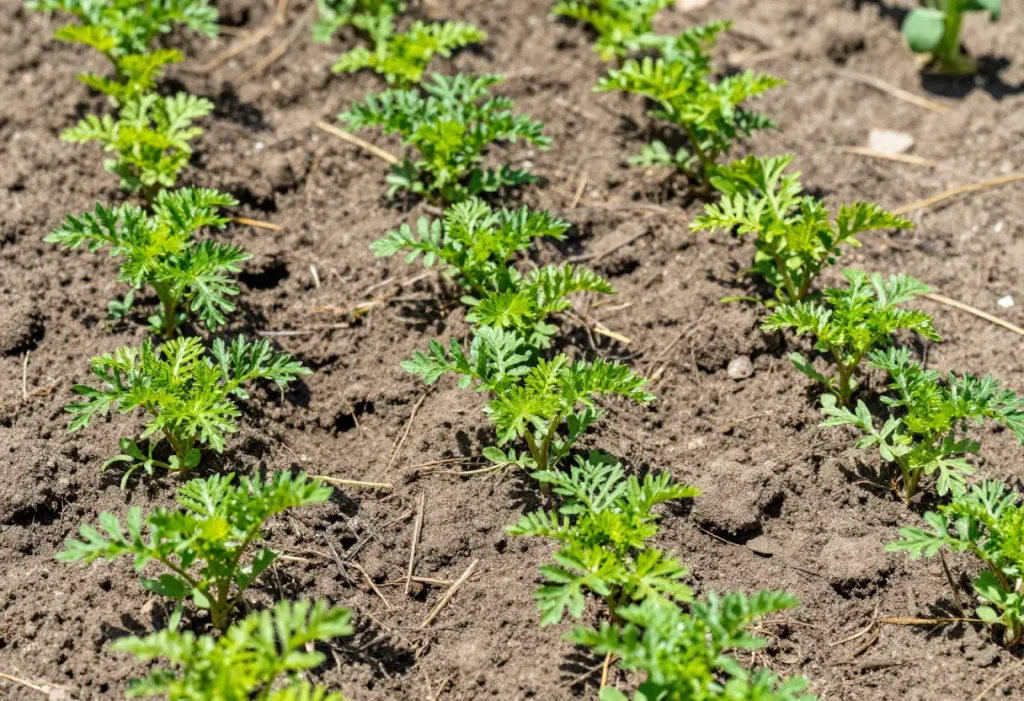
Carrot seeds usually take 10 to 21 days to start sprouting in good soil.
Soil temperature, moisture, and seed freshness affect how fast carrot seeds germinate.
Soaking seeds overnight and keeping soil moist and warm can help speed germination.
Poor soil, dryness, cold weather, or old seeds can stop carrot seeds from sprouting.
Look for small green shoots breaking through the soil surface to spot germination.
Carrots usually take about 10 to 21 days to sprout. Warm soil and regular watering help speed up germination. Patience is key during this early stage. Keep soil moist but not too wet. Thin seedlings once they grow to give space.
Growing carrots takes time but is rewarding. Watching tiny sprouts appear brings great joy. Start early and care well for the best results. Your garden will thank you with fresh, tasty carrots soon.