Gardening Made Simple.

You've planted tomatoes before. They grew okay, but the fruits tasted bland. Or maybe they didn't produce much at all. That often comes down to picking the wrong seeds. The truth is, choosing tomato seeds sets the stage for your whole garden. Get this right, and you'll enjoy juicy, flavorful tomatoes all season.
Learning How to Choose Tomato Seeds will help you grow healthier plants, improve yields, and enjoy rich, delicious harvests every time you step into your garden.This guide walks you through the steps to select the best tomato seeds for your setup. You'll learn how to match varieties to your space, weather, and needs. Say goodbye to disappointing crops and hello to bumper yields.
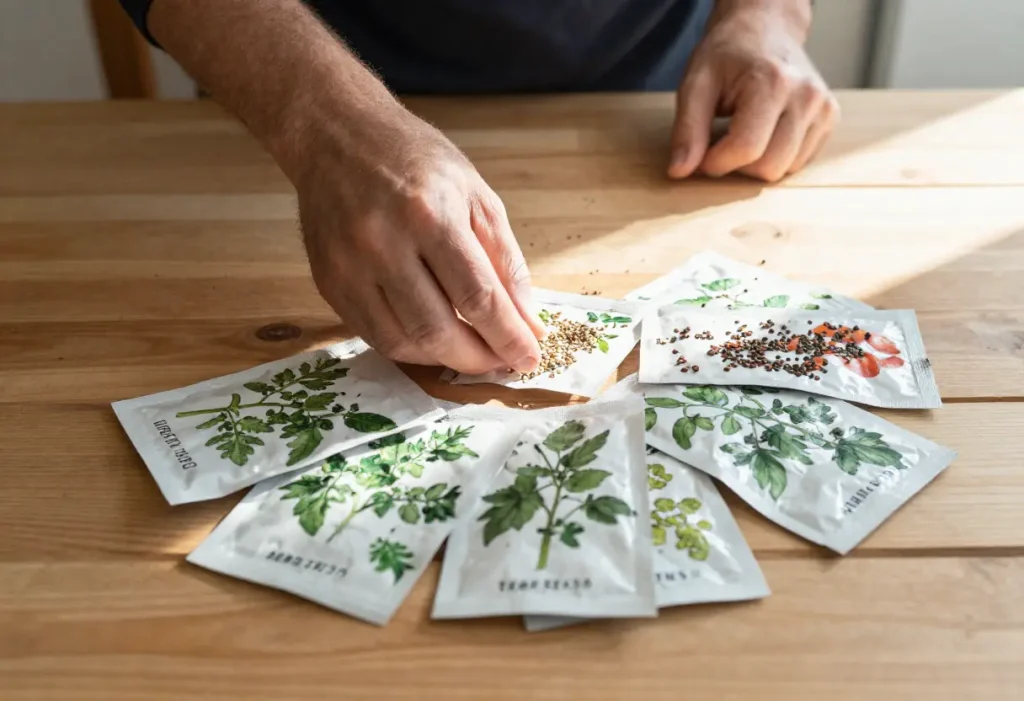
Tomato plants come in different growth styles. These styles affect how they grow and when they fruit. Knowing the basics helps you pick seeds that fit your garden goals.
Before you shop for tomato seeds, grasp the main types. Determinate and indeterminate varieties differ in size and fruit timing. This choice shapes your harvest from the start.
Determinate tomatoes grow short and bushy. They stop getting taller after a bit. All the fruits ripen around the same time, often in a short burst.
This makes them great for tight spots. Think patios or small yards. They're perfect if you want a big crop all at once for sauces or freezing.
Gardeners with short summers love these. You get a reliable yield without waiting forever. Try varieties like Roma for that compact habit and solid output.
Indeterminate tomatoes keep growing tall all summer. They vine out and need stakes or cages to stay upright. Fruits ripen one after another until frost hits.
These suit folks who crave fresh tomatoes week after week. Slice them for salads or sandwiches as they come. Just plan for strong supports to hold the weight.
In warm areas, they shine. You might harvest for months from one plant. Beefsteak types often fall here, offering huge, tasty fruits over time.
Semi-dwarf tomatoes blend the best of both worlds. They grow to a medium height, like three feet. Yet they produce fruits steadily, much like vining types.
Dwarf versions take it further. They're tiny, under two feet tall. Ideal for balconies or indoor spots with limited light.
These hybrids appeal to new gardeners. You get good flavor without the hassle of big plants. Look for names like Tiny Tim for easy, ongoing picks.
No seed works everywhere. Your weather and spot play a huge role. The best tomato seeds match your local conditions.
Think about rain, sun, and frost dates. Hot spots need tough varieties. Cool areas call for quick growers. This match boosts your chances of success.
Days to maturity tells how long from transplant to first ripe fruit. Seed packets list this number clearly. It's key for planning around your frost.
Check your area's last spring frost. Add the DTM to that date. Make sure it falls before the first fall frost.
Subtract 10 to 14 days from the packet's DTM. This covers seed sprouting and moving plants outside. Early Girl, with 50 days, suits short seasons well.
Hot, muggy summers stress tomatoes. Pick seeds bred to handle high temps. These resist cracking and stay productive in the heat.
In steamy spots, look for disease fighters. Wet leaves invite fungi. Varieties like Solar Fire thrive in 90-degree days.
Cool climates need fast starters. They beat early chills. Issues like blossom end rot hit harder in dry heat, so choose steady water lovers.
Pots limit root space. Go for compact types that won't outgrow them. Determinate or dwarf seeds prevent top-heavy messes.
Aim for pots at least five gallons deep. Smaller plants like Patio Princess fit nicely. They yield well without sprawling everywhere.
Drainage matters most. Wet roots rot fast. These varieties forgive small mistakes in tight setups.
Should you go old-school or new-tech? Heirlooms taste amazing but can falter. Hybrids fight off bugs better.
This debate hits every gardener. Flavor pulls you one way, toughness the other. Balance them for your best results.
Heirloom tomatoes pass down through generations. They're open-pollinated, so seeds grow true to the parent. That means consistent, bold tastes year after year.
Brandywine stands out for its sweet, pink flesh. Folks save seeds to keep the legacy alive. But watch for splits in rainy weather.
They lack built-in defenses. Pests or blight can wipe them out. Still, the rich flavor makes them worth the risk for many.
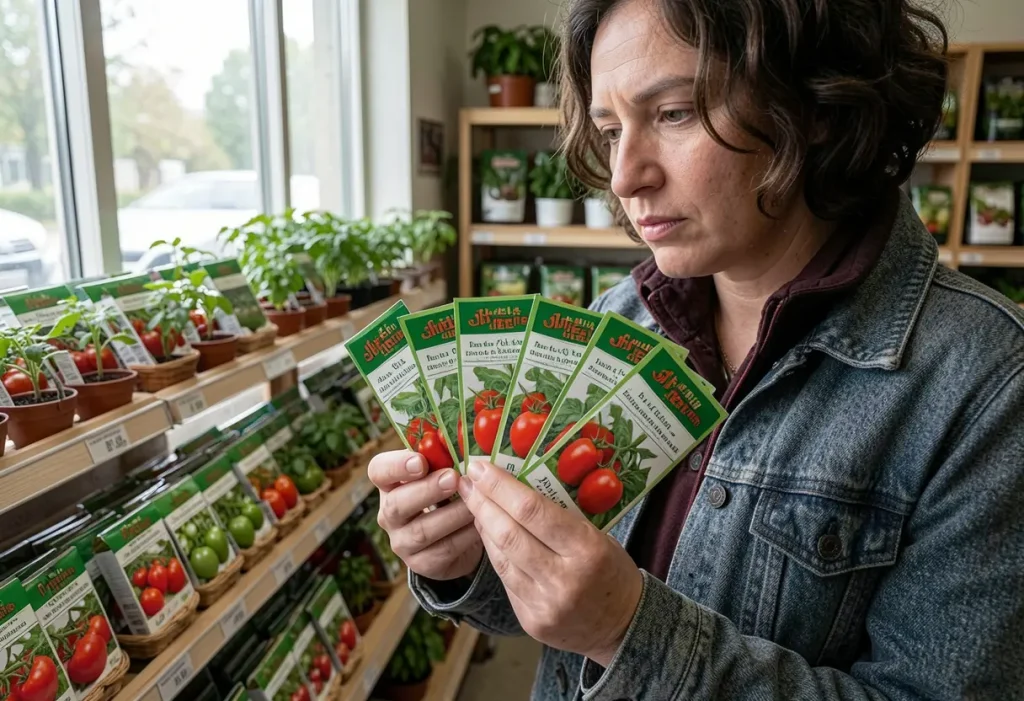
Hybrids come from crossing two parent plants. The first generation, F1, shows hybrid vigor. Plants grow stronger and yield more.
Look for codes like VFN on packets. These mean resistance to wilt and nematodes. Big Beef hybrid delivers large fruits with fewer losses.
Uniform ripening helps too. No oddballs in the bunch. They're a safe bet for beginners chasing steady crops.
Fresh seeds sprout best. Old ones lose power, sometimes down to 50% germination. Check harvest dates on packets.
Buy from trusted sellers. Companies like Burpee test for purity. Store extras in cool, dry spots to last two to three years.
Poor sources lead to duds. Avoid cheap bulk buys without details. Quality seeds pay off in healthier starts.
Seeds often list codes for defenses. These letters warn against common ills. Ignoring them risks your whole patch.
Fungi and viruses lurk in soil. Codes help you fight back. Smart picks save time and plants.
Verticillium wilt, marked V, clogs plant veins. Leaves yellow and wilt. Fusarium, F, does the same from the roots up.
Most modern seeds include both. They're basics in many soils. Without them, your tomatoes curl and die fast.
Plant resistant types to avoid replanting. Rotate crops yearly too. This cuts soil buildup of these foes.
N, for nematodes, means root-knot resistance. These worms twist roots and stunt growth. Bad in sandy soils.
TMV resists the mosaic virus. It spreads by touch or smoke. Leaves spot and fruits get small.
No code means higher risk. But resistance isn't full proof. Clean tools and avoid tobacco near plants.
Local bugs vary. Check extension offices for your area's top threats. They list tailored resistant varieties.
In the South, pick for southern blight. Up north, focus on early blight codes. This targets your exact worries.
Specialty catalogs offer region-specific packs. Trial them small first. Adjust based on what works in your yard.
Ready to buy? Run through this list. It narrows down the best tomato seeds for you.
Start with your goals. Then check fit. This step turns browsing into smart shopping.
What will you do with the harvest? Paste types like San Marzano cook down thick for sauces. Low water means intense flavor.
For slicing, grab beefsteak sizes. They stack high on burgers. Cherokee Purple heirloom adds smoky notes.
Salad fans want cherry or grape sizes. Sweet 100 bursts with juice. Match seeds to your plate plans.
Don't overbuy. A packet of 25 suits a family plot. Start with 20 to 30% extra for fails.
Seeds last two years at best. Freeze them dry for longer life. Scale to your space—fewer for pots, more for rows.
This saves cash. Test small batches yearly. Build your favorites over time.
Local seed swaps offer proven winners. They've handled your weather already. Co-ops share tips too.
Open-pollinated types let you save seeds. No hybrids for that. It cuts costs long-term.
Farmers' markets have fresh packs. Ask about their trials. This builds community and better picks.
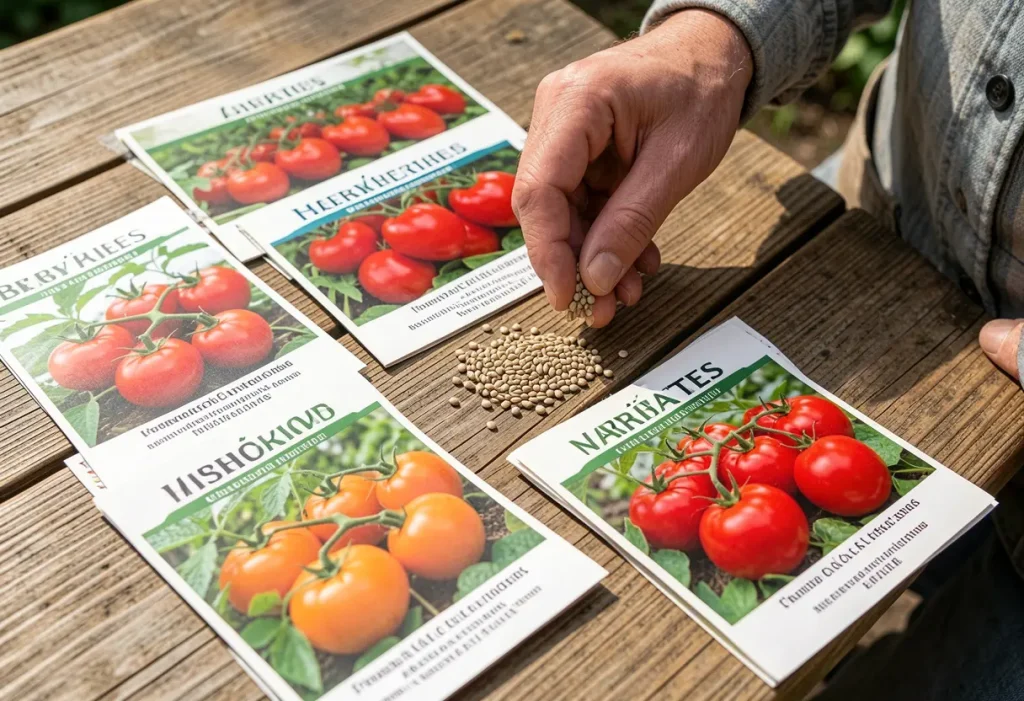
Choose seeds based on your climate, space, and purpose, and look for disease-resistant varieties for better results.
Hybrid seeds offer higher yield and resistance, while heirloom seeds provide better taste and allow seed saving.
Check for days to maturity, disease resistance, variety type, and suitability for your growing conditions.
Buy from trusted brands, check expiration dates, and ensure seeds are properly stored and labeled.
Yes, but results may vary; hybrid tomatoes may not grow true to type like heirloom varieties.
Picking the best tomato seeds boils down to three big factors. First, choose your growth habit—determinate for quick bursts or indeterminate for steady supply. Second, match days to maturity to your climate so fruits ripen on time. Third, scan those disease codes to shield against local threats.
Get these right, and your garden thrives. Imagine biting into homegrown tomatoes that burst with real flavor. It's worth the extra thought at the seed rack. Head to your local shop or online now. Start with a few packets that fit your spot. You'll taste the difference come harvest.