Gardening Made Simple.
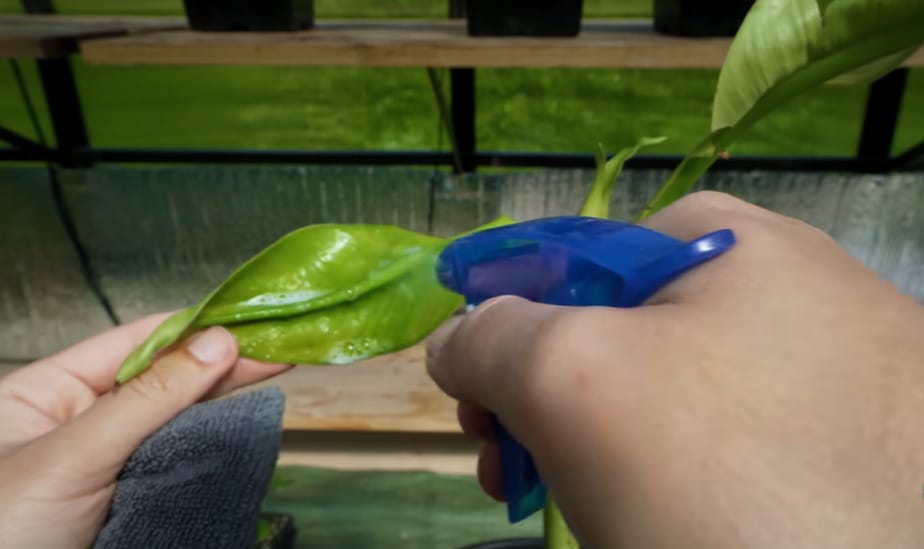
Are you noticing tiny webs and speckled leaves on your plants? Spider mites could be the hidden threat damaging your garden or indoor greenery. Learning How to Exterminate Spider Mites helps you act quickly to protect your plants, stop the infestation, and restore healthy growth.
These tiny pests multiply fast and can quickly ruin the health of your plants if left unchecked. But don’t worry—you can take control and protect your plants from further harm. In this guide, you’ll discover simple and effective ways to exterminate spider mites for good.
Keep reading to learn how to save your plants and enjoy a thriving, pest-free space.
Spider mites are tiny pests that harm many plants. They are hard to see with the naked eye. Early identification helps stop damage fast. Knowing what to look for saves plants from serious harm.
Spider mites live on the undersides of leaves. They feed by sucking plant juices. This weakens the plant and slows growth. Spotting them early leads to better control and healthier plants.
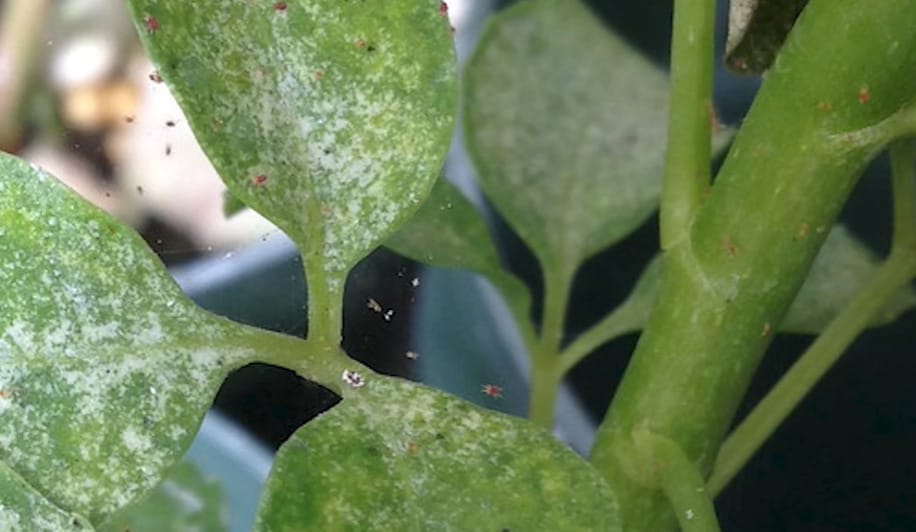
The two most common spider mites are the red spider mite and the two-spotted spider mite. The red spider mite is bright red or orange. The two-spotted spider mite is pale green with two dark spots. Both types are very small, about the size of a grain of dust. They often spin thin webs on leaves and stems.
Look for tiny white or yellow spots on leaves. These spots show where mites have fed. Leaves may look speckled or dusty. You might see fine webbing on leaves and branches. Plants may look dull or have curling leaves. Check the underside of leaves carefully. This is where spider mites hide most.
Spider mites cause leaves to lose color. Leaves can turn yellow or brown and dry up. Heavy infestations cause leaves to fall off. The plant becomes weak and less able to grow. Severe damage can kill young plants. Regular checks help catch damage early for better care.
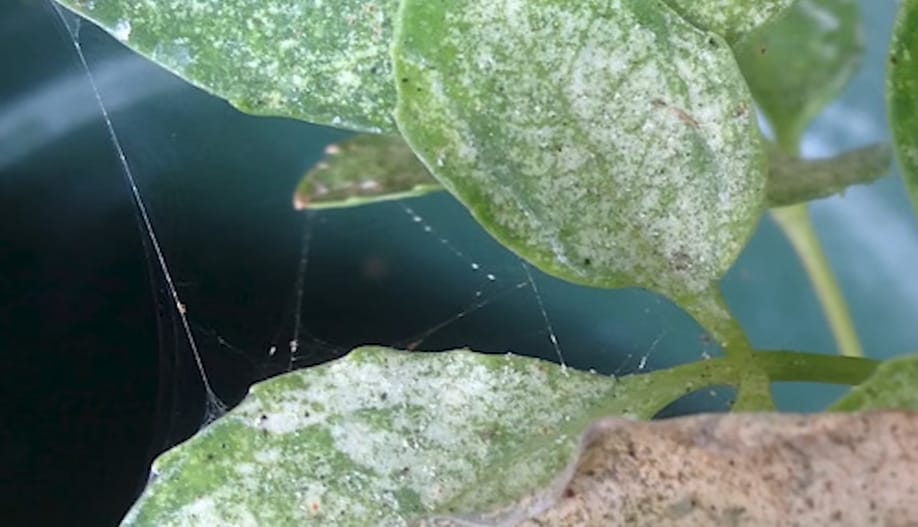
Understanding the spider mite life cycle helps control their spread. These tiny pests grow fast and can damage plants quickly. Knowing each stage of their life makes it easier to stop them early.
Spider mites start as eggs laid on the underside of leaves. The eggs are tiny and hard to see. They hatch in about three to five days. Warm weather makes eggs hatch faster.
After hatching, spider mites become nymphs. Nymphs look like smaller adults but do not reproduce yet. They feed on plant leaves, causing damage. This stage lasts about a week.
Adult spider mites are fully grown and can reproduce. They lay many eggs to start the cycle again. Adults live for two to four weeks. Controlling adults stops new generations.
Natural remedies offer safe and effective ways to fight spider mites. They protect plants without harsh chemicals. These options suit indoor and outdoor plants alike. Simple ingredients from nature help control these pests fast.
Neem oil comes from the neem tree seeds. It disrupts spider mites' growth and stops their spread. Spray neem oil on leaves, covering both sides. Repeat every few days for best results. It also keeps other pests away.
Insecticidal soap kills spider mites on contact. It breaks down their outer skin, causing dehydration. Mix the soap with water and spray on plants. Avoid using regular dish soap as it may harm plants. Apply in the morning or evening to protect beneficial insects.
Essential oils like peppermint and rosemary repel spider mites. Mix a few drops with water and spray on infested plants. These oils confuse pests and prevent them from settling. Use regularly to keep spider mites at bay. Essential oils also add a fresh scent to your garden.
Chemical treatments can help control spider mites effectively. These treatments use special chemicals to kill mites and stop their spread. Using chemicals properly ensures plants stay healthy and pest-free.
Miticides are chemicals designed to kill spider mites specifically. They target mites at different life stages, including eggs and adults. Some miticides work quickly, while others stop mites from growing. Choose a product labeled for spider mites for best results.
Apply miticides in the early morning or late evening. Avoid applying in direct sunlight to prevent plant damage. Spray both the tops and undersides of leaves where mites hide. Repeat treatments as the label instructs to fully control mites.
Wear gloves and a mask when handling miticides. Keep children and pets away from treated areas until dry. Follow all instructions on the product label carefully. Store chemicals out of reach to avoid accidents.
Preventing spider mites before they become a problem is the best way to protect your plants. Simple daily habits keep these pests away. Healthy plants resist spider mites better than weak ones. Follow these steps to stop infestations early and keep your garden thriving.
Check plants often for signs of spider mites. Look under leaves for tiny webs and spots. Early detection helps stop spread quickly. Use a magnifying glass to see small mites clearly. Remove affected leaves immediately to reduce damage.
Water plants at the right time and amount. Avoid overwatering, which weakens plants. Dry leaves attract spider mites the most. Water the soil, not the leaves, to keep foliage dry. Healthy plants resist pests better and grow strong.
Spider mites thrive in dry air. Raise humidity around plants to discourage them. Mist plants with water or use a humidifier. Group plants together to increase moisture in the air. This simple step helps keep spider mites away.
Biological control is a natural way to fight spider mites without chemicals. It uses living creatures that eat or kill spider mites. This method is safe for plants, people, and pets. It helps keep your garden healthy and balanced. Using natural enemies can stop spider mites from spreading fast.
Predatory mites are tiny hunters that eat spider mites. They live on plants and find spider mites easily. These mites do not harm plants. They reduce spider mite numbers quickly. You can buy predatory mites online or at garden centers. Release them on affected plants for best results.
Ladybugs are popular insects that eat many pests. They love to eat spider mites too. Ladybugs move slowly and search leaves for spider mites. They can eat hundreds of spider mites each day. Attract ladybugs by planting flowers or buy them to release. They help keep your plants safe naturally.
Other insects like lacewings and minute pirate bugs also eat spider mites. Lacewing larvae are small but very hungry. Minute pirate bugs hunt spider mites on leaves and stems. These insects support a healthy garden ecosystem. Introducing them can lower spider mite damage. They work well with other biological controls.
DIY solutions offer a safe and affordable way to control spider mites. These tiny pests can damage plants quickly. Using homemade sprays lets you treat infestations without harsh chemicals. The following methods use common ingredients found at home.
Mix a few drops of mild liquid soap with water. Stir gently to avoid creating too many bubbles. Spray the mixture directly on affected plants. Soap breaks down the mites’ outer layer, causing them to die. Repeat every few days until mites disappear.
Blend garlic cloves and hot peppers with water. Strain the mixture to remove solids. Spray this natural repellent on leaves and stems. The strong smell keeps spider mites away. This spray also helps prevent new infestations.
Dip a cotton ball in rubbing alcohol. Dab it carefully on spider mites you see. Alcohol dries out the mites and kills them quickly. Avoid spraying alcohol over the entire plant. Use this method for spot treatment of small infestations.
Spider mites can be hard to control on your own. Sometimes, professional help is the best choice. Recognizing the right time to get experts involved saves your plants and reduces stress.
Spider mites multiply quickly. A large infestation can damage plants beyond repair. When leaves turn yellow and drop fast, damage is severe. At this point, simple sprays might not work. Professionals have stronger tools to stop mites fast.
Spider mites can return even after treatment. If mites come back often, they may hide in hard spots. Repeated attempts with home methods might fail. Persistent problems need expert advice and action. Specialists understand mite habits and use better techniques.
Professional pest controllers use safe and effective treatments. They know the right products and methods for spider mites. Experts also check your plants and environment for risks. Their service helps keep mites away for longer. Hiring experts means saving time and protecting your plants well.
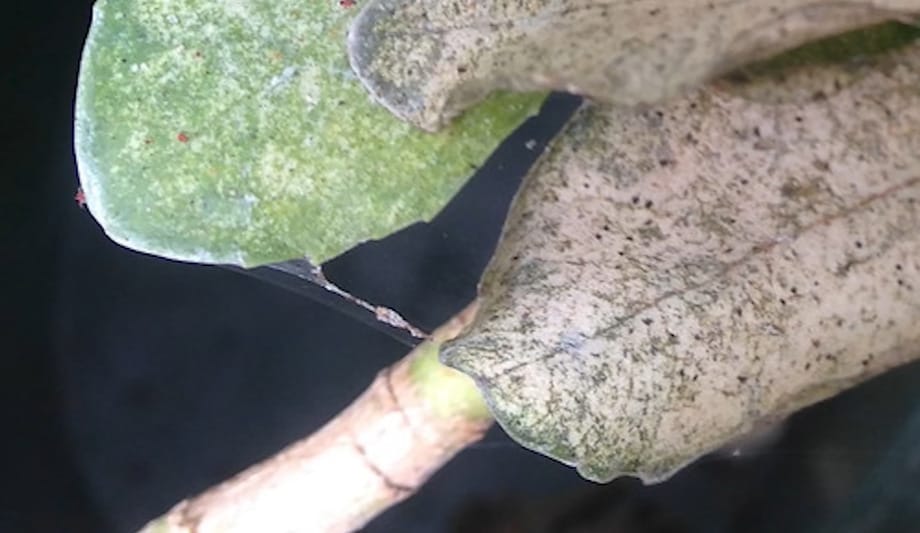
Spider mites cause tiny yellow or white spots on leaves and fine webbing on the plant.
Spray plants with water or use insecticidal soap to remove spider mites safely.
Indoor plants, tomatoes, and strawberries often attract spider mites the most.
Spider mites do not bite or harm humans and pets but damage plants.
Treat plants once a week until spider mites disappear to stop their return.
Spider mites can damage your plants quickly. Act fast to stop their spread. Use natural or chemical treatments carefully. Check your plants often for signs of mites. Keep plants healthy to resist pests better. Clean leaves and soil regularly to remove eggs.
Small steps can protect your garden well. Stay patient and consistent with your efforts. Healthy plants grow strong and stay pest-free. Control spider mites to enjoy thriving greenery.