Gardening Made Simple.

Are you ready to add a fresh, crunchy twist to your garden? Learning how to grow daikon radish is easier than you might think, and it can bring a burst of flavor and nutrition straight from your garden to your table.
Whether you're a beginner or have some gardening experience, this guide will help you grow healthy, tasty daikon radishes with simple steps. Keep reading, and you’ll discover how to get the best results from your soil, water, and care—turning your garden into a radish-growing success!
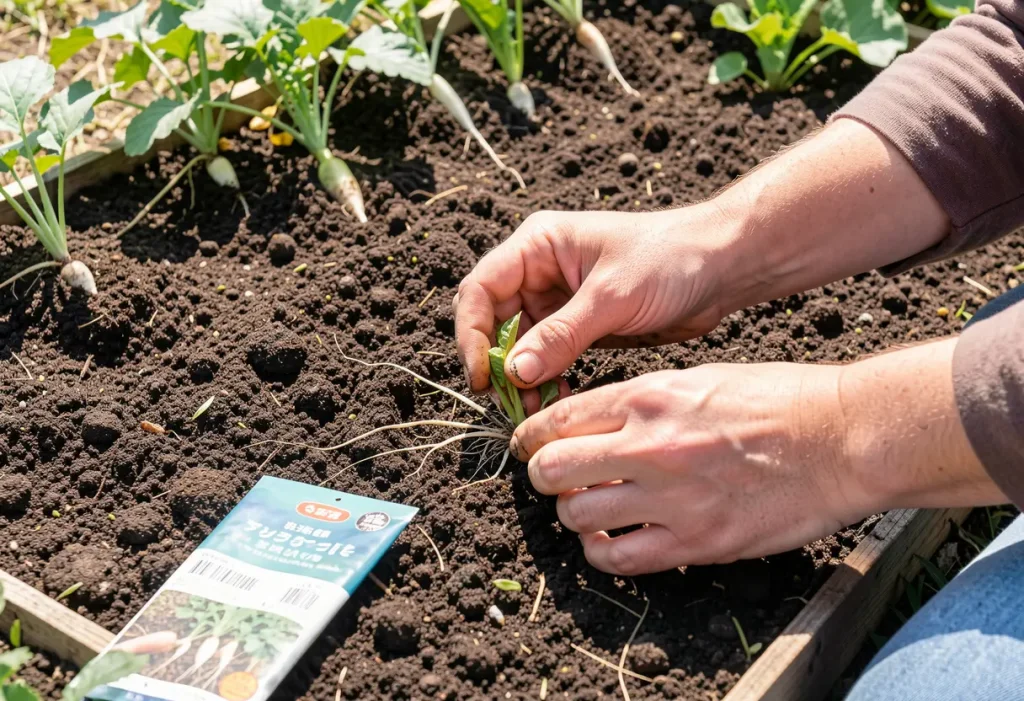
Choosing the right daikon variety is key to a good harvest. Different types grow best in different climates and soils. Some daikons are sweet, while others have a spicier taste. Picking the right one saves effort and improves your garden’s success.
There are many daikon types to explore. The long white daikon is the most common. It grows up to 20 inches and has a mild flavor. The round daikon is shorter and thicker. It has a sweeter taste and is easier to grow in small spaces. The red daikon adds color and a peppery bite. Each type suits different recipes and garden needs.
For first-time growers, some varieties are simpler to grow. The 'Miyashige' daikon is a top pick. It matures quickly and resists pests well. The 'Minowase' variety also grows fast and has a smooth texture. These types do well in various soils and climates. They give beginners a higher chance of success and fresh, tasty roots.
Preparing the soil is a key step in growing healthy daikon radishes. Good soil helps the roots grow long and straight. It also keeps the radishes juicy and tasty. Spend time making the soil soft and rich. This makes a strong start for your plants.
Daikon radishes grow best in loose, sandy soil. The soil must drain water well. Avoid heavy clay soil that holds too much water. The pH level should be between 5.8 and 6.8. Slightly acidic soil helps the radish absorb nutrients. The soil should be deep enough for long roots to grow.
Clear the area of weeds and stones. Use a garden fork to loosen the soil deeply. Add compost or aged manure to improve soil nutrients. Mix the compost well into the top 12 inches of soil. Rake the soil smooth and remove large clumps. Moist soil is easier to work with. Water lightly if the soil is dry before planting.
Planting daikon seeds is the first step to growing healthy radishes. The right time and proper seed placement help plants grow strong. Follow simple guidelines for best results.
Daikon radishes like cool weather. Planting at the right time makes a big difference in growth and taste.
Plant daikon seeds in early fall or late summer. This timing avoids hot weather. Cooler soil helps seeds sprout quickly. In warmer climates, plant in late winter for spring harvest. Avoid planting in hot summer months. High heat can stop growth and cause poor roots.
Plant seeds about 1/2 inch deep. This depth keeps seeds moist and safe. Space seeds 2 to 4 inches apart. Proper spacing prevents crowding. Crowded plants compete for nutrients and water. Thin seedlings to 4 to 6 inches apart after sprouting. This gives roots room to grow long and straight.
Proper watering and fertilizing are key to growing healthy daikon radishes. These plants need steady moisture and enough nutrients to develop large, crisp roots. Balance is important—too much or too little water and fertilizer can hurt growth.
Daikon radishes like consistent moisture. Water the plants deeply once or twice a week. Keep the soil damp but not soggy. Check soil moisture by touching the top inch. If it feels dry, it's time to water. Avoid letting the soil dry out completely. Too much water can cause root rot and poor flavor. Use mulch to keep moisture steady and reduce evaporation.
Daikon radishes need nutrients to grow large roots. Use a balanced fertilizer with equal parts nitrogen, phosphorus, and potassium. Apply fertilizer before planting and again when the plants are half grown. Too much nitrogen causes lots of leaves but small roots. Compost or well-rotted manure also works well. Healthy soil means healthy radishes. Test soil if possible to know what nutrients it needs most.
Managing pests and diseases is key to growing healthy daikon radishes. These problems can reduce your harvest and damage plants. Early detection and proper care help keep your crop strong. This section explains common pests and offers tips to prevent diseases.
Aphids are small insects that suck plant sap. They cause leaves to curl and stunt growth. Flea beetles create tiny holes in leaves. These holes reduce the plant’s ability to grow well. Root maggots attack the radish roots, making them soft and rotten. Watch for signs like wilting or holes in leaves to spot pests early.
Plant daikon radishes in well-drained soil to avoid root rot. Rotate crops each year to stop disease buildup. Remove plant debris after harvest to reduce disease sources. Water plants at the base to keep leaves dry and prevent fungal diseases. Use healthy seeds and resistant varieties for better protection. Inspect plants regularly and remove any diseased parts immediately.
Harvesting your daikon radish is an exciting step in growing this crunchy root vegetable. Knowing when and how to pick it ensures the best flavor and texture. Timing and care during harvest affect the quality of your radishes.
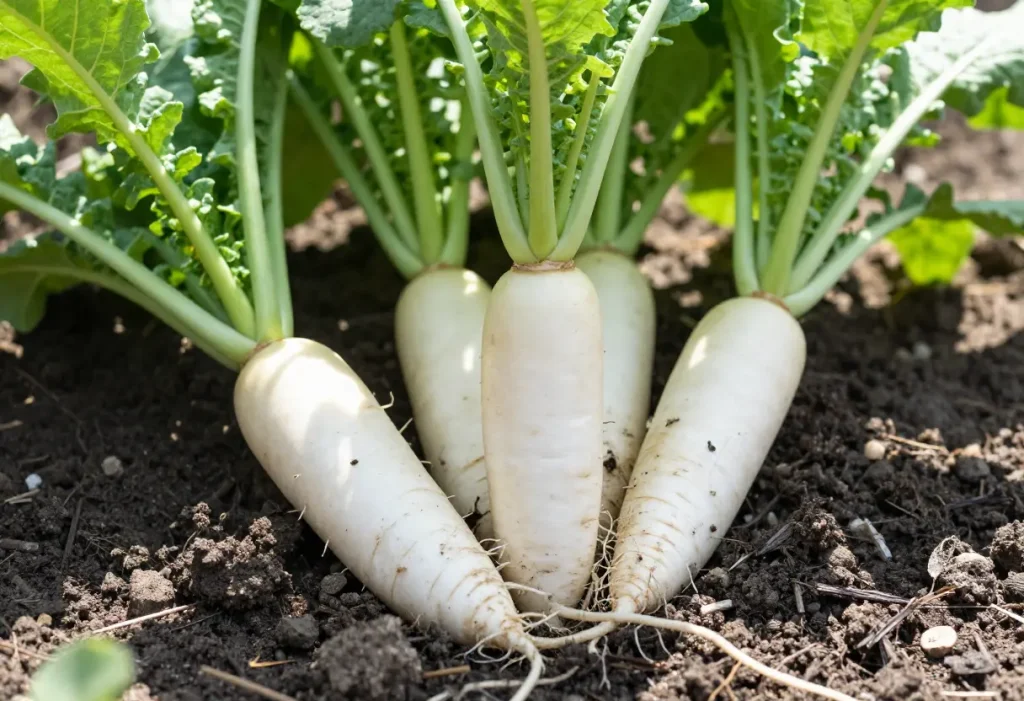
Daikon radishes usually mature in 50 to 70 days. Look for roots that are 6 to 8 inches long. The top of the radish may push slightly above the soil. Leaves should be green and healthy. Avoid harvesting if the radish looks small or the leaves are wilted. Check the size by gently brushing soil away from the root tip.
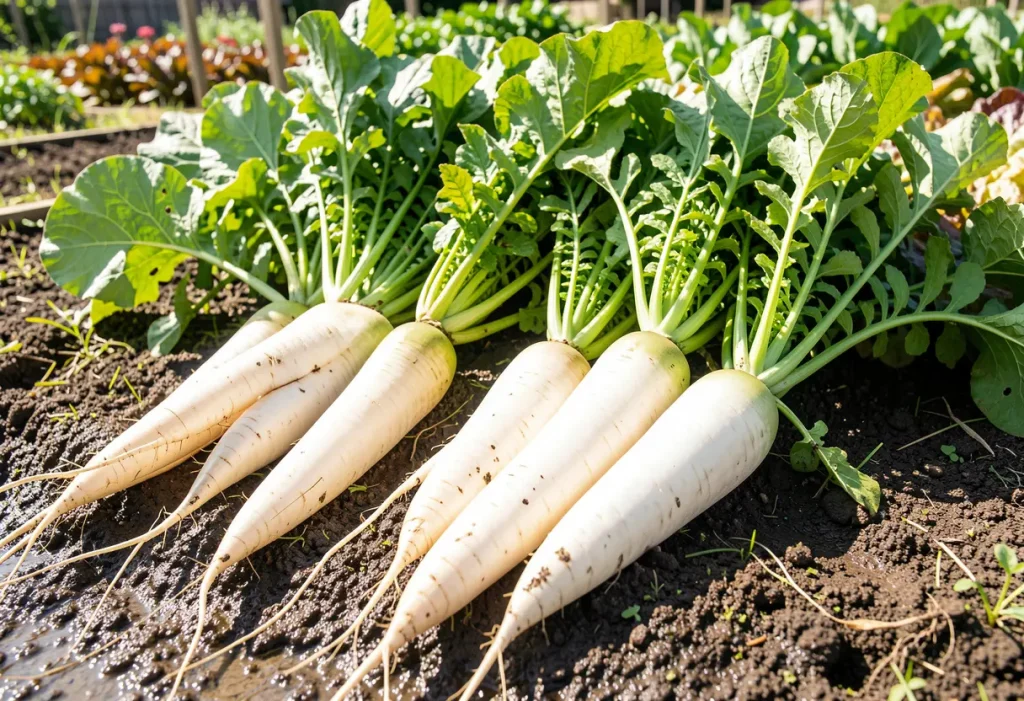
Loosen the soil around the daikon with a garden fork. Be careful not to damage the root. Grasp the base of the leaves firmly and pull straight up. If the root resists, loosen the soil more before trying again. After pulling, shake off excess dirt. Trim the leaves if you plan to store the radishes. Wash them gently before use or storage.
Daikon radish is a versatile vegetable that stays fresh for a long time if stored properly. Knowing how to store and use daikon helps reduce waste and keeps its flavor intact. This section explains easy storage tips and popular ways to enjoy daikon in your meals.
To keep daikon fresh, wrap it in a damp cloth or paper towel. Place it inside a plastic bag with small holes for air flow. Store the bag in the refrigerator’s crisper drawer. Daikon can last up to two weeks this way.
If you want to store daikon longer, try pickling it. Pickled daikon can stay good for months in the fridge. Another option is to freeze daikon after peeling and cutting it into pieces. Frozen daikon works well in cooked dishes.
Daikon radish works in many recipes. It can be eaten raw in salads for a crunchy texture. Grated daikon adds a mild spice to dishes like sushi or grilled fish.
Cooked daikon becomes soft and sweet. Use it in soups, stews, or stir-fries. Daikon also pairs well with meat and seafood. It absorbs flavors and adds a gentle bite to meals.
Daikon radish usually takes 50 to 70 days to mature. It grows faster in cooler weather. Regular watering helps speed up growth.
Loose, well-drained soil with lots of organic matter is best. The soil should be deep for roots to grow straight. Avoid heavy clay soils.
Water daikon radish regularly to keep the soil moist. Avoid waterlogging, which can cause root rot. Water more during dry, hot weather.
Yes, daikon radish can grow well in deep containers. Use a pot at least 12 inches deep. Make sure the soil drains well.
Common pests include aphids and flea beetles. Diseases like root rot and leaf spot can occur. Use natural pest control and good garden hygiene.
Growing daikon radish is simple with the right steps. Choose good soil and plant seeds in a sunny spot. Keep the soil moist and watch your radishes grow. Thin seedlings to give each root room to expand. Harvest when roots are firm and large enough to eat.
Fresh daikon radishes add crunch and flavor to meals. Enjoy the process and fresh taste from your garden. Growing your own vegetables feels rewarding and fun. Try these tips for a healthy daikon crop next season.