Gardening Made Simple.
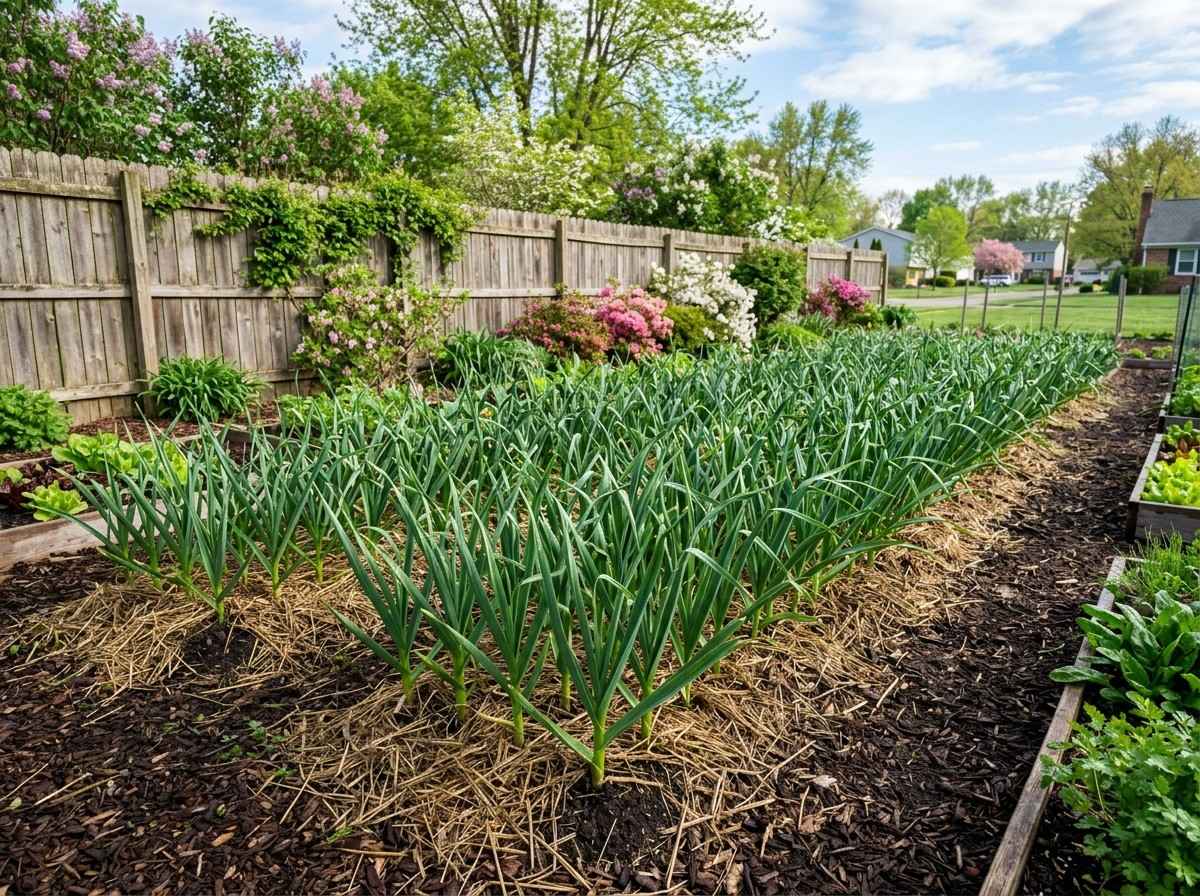
How to Grow Garlic in Ohio is a rewarding project for gardeners of all skill levels. Garlic is a hardy crop that thrives in Ohio’s climate and is prized for its rich flavor and impressive health benefits. Whether you want to enjoy fresh, homegrown garlic in your kitchen or start a small commercial garlic patch, learning the right planting and care techniques can make all the difference.
In this guide, you'll discover how to grow garlic in Ohio successfully, from choosing the best planting time to harvesting healthy, flavorful bulbs.
Many Ohio gardeners are surprised at how much garlic they can harvest from even a small backyard. Understanding the climate, soil, and timing is key. If you follow the correct process, you’ll end up with bulbs that store well and taste better than anything from the grocery store.
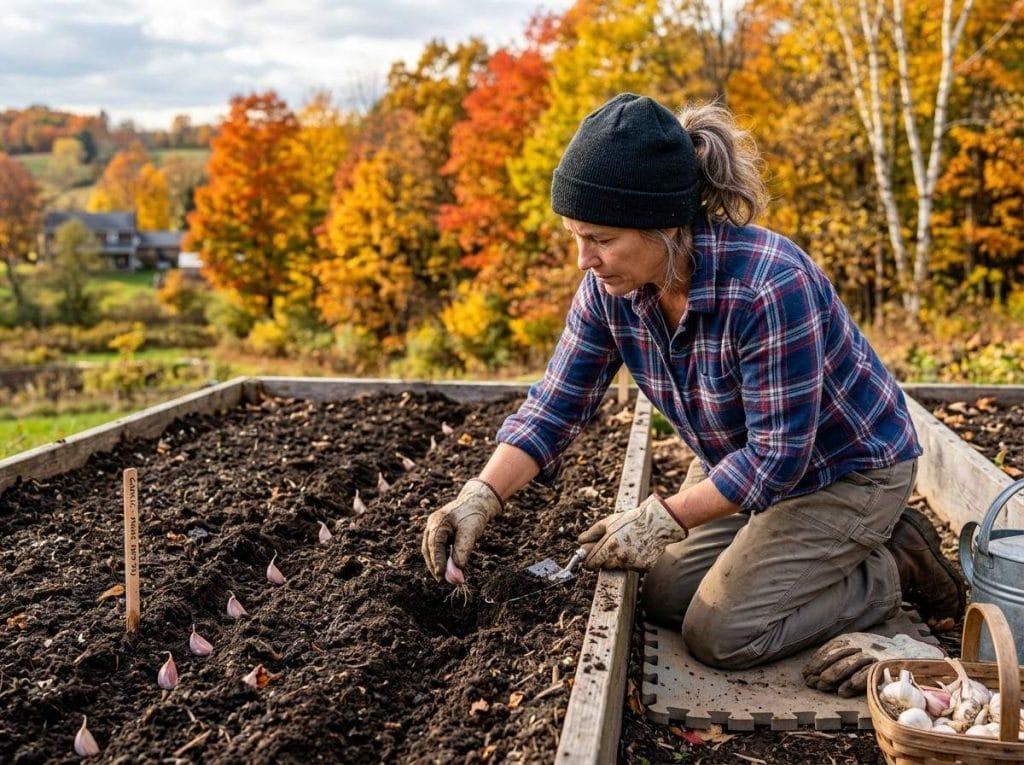
Ohio’s climate is perfect for garlic. The state has cold winters and moderate springs, which garlic needs to form large, healthy bulbs. Garlic is planted in fall, spends winter underground, and is harvested in summer.
Garlic is tough. It survives freezing temperatures. In Ohio, bulbs are planted in late September to early November, depending on your location. Northern Ohio gardeners should plant earlier, while southern areas can wait until early November.
Ohio gets average rainfall of 38-42 inches per year. Garlic likes moist, but not soggy, soil. Too much water can cause rot. If your area is dry during fall or spring, you may need to water occasionally.
Garlic needs full sun—at least six hours per day. Pick a spot that isn’t shaded by trees or buildings.
Not all garlic types grow well in Ohio’s climate. There are two main kinds: hardneck and softneck.
| Type | Best For | Flavor | Storage |
|---|---|---|---|
| Hardneck | Cold climates (Ohio) | Strong, complex | Shorter (4-6 months) |
| Softneck | Mild climates | Milder | Longer (6-9 months) |
Hardneck garlic is best for Ohio. It grows a stiff stem called a “scape,” which you can harvest in spring. Popular varieties include:
Softneck is less suited for Ohio’s cold winters. Some southern Ohio gardeners use softneck, but hardneck is easier and produces better bulbs.
Don’t plant store garlic. Buy “seed garlic” from garden centers or online. Seed garlic is disease-free and suited for Ohio’s climate. One pound of seed garlic plants about 20 feet of row.
Healthy soil is the secret to great garlic. Garlic needs loose, rich, and well-drained soil.
Test your soil for pH and nutrients. Garlic likes a pH of 6.0-7.0. If your soil is acidic (below 6.0), add lime. Your local Ohio State University Extension office can help with soil tests.
Mix compost or well-rotted manure into the top 6-8 inches of soil. This adds nutrients and improves drainage. Avoid fresh manure—it can spread disease.
| Soil Amendment | Purpose | Amount |
|---|---|---|
| Compost | Nutrition, drainage | 1-2 inches per 10 sq. ft. |
| Lime | Raise pH | As needed (per soil test) |
| Bone Meal | Phosphorus | 1 cup per 10 sq. ft. |
If your soil is heavy clay, mix in sand or plant in raised beds. Garlic hates standing water.
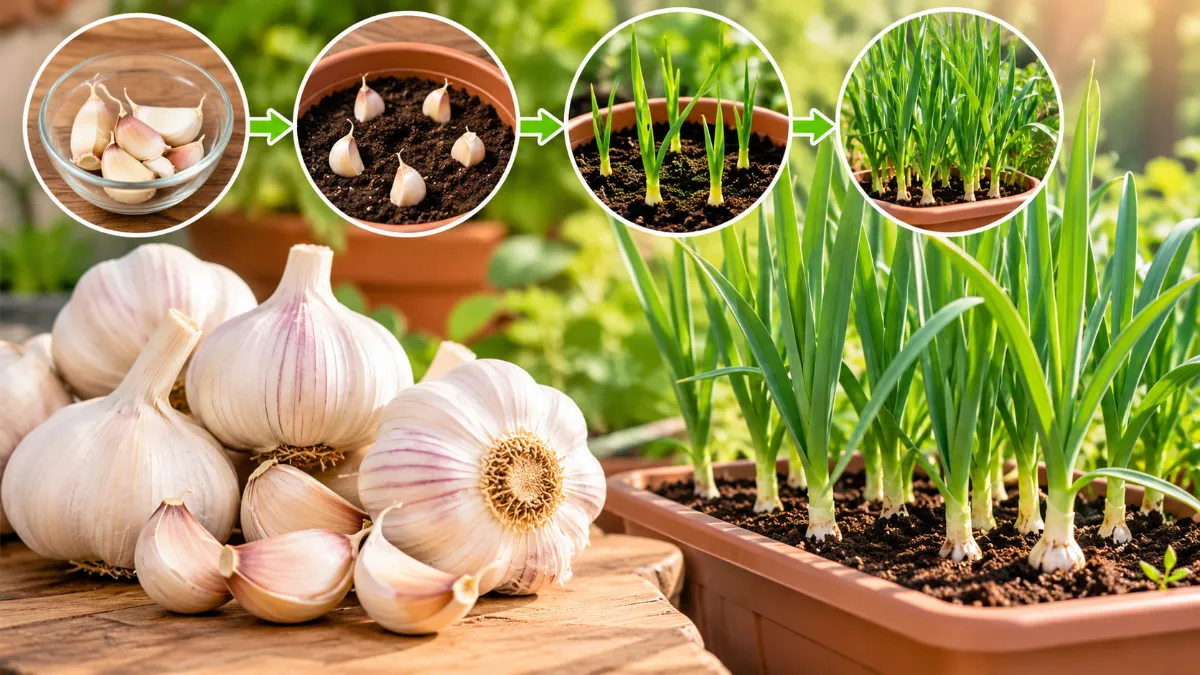
Planting garlic is simple, but timing and technique matter.
In Ohio, plant garlic from late September to early November. The goal is to let roots grow before the ground freezes, but not to sprout leaves.
Garlic is low-maintenance, but a few actions help it thrive.
After planting, water lightly if soil is dry. Mulch prevents weeds and insulates cloves.
Garlic sleeps through winter. Check mulch after storms—add more if needed.
Remove mulch when shoots appear (April). Water if spring is dry. Keep beds weed-free; garlic hates competition.
Stop watering in June as bulbs mature. Too much water now causes rot.
Garlic needs nutrients to grow big bulbs.
Avoid high-nitrogen fertilizer after May—this causes too much leaf growth and smaller bulbs.
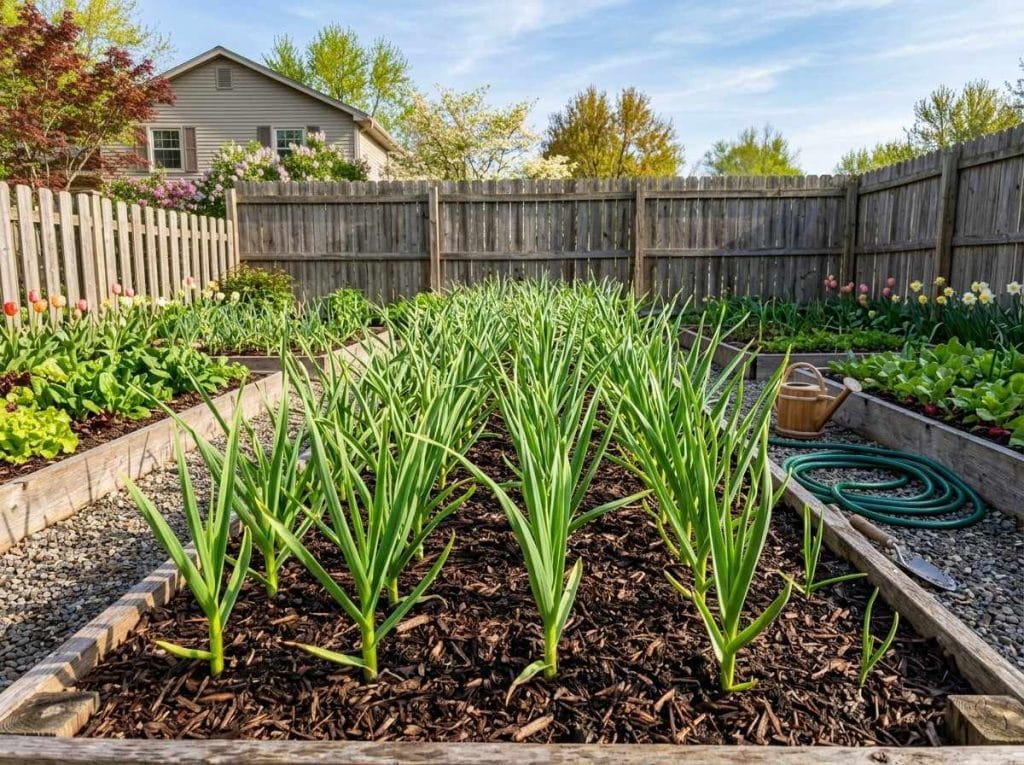
Even healthy garlic can face challenges. Knowing problems helps you avoid them.
Garlic is a “memory crop”—it remembers poor soil and disease for years. If you had trouble, wait several years before replanting in the same spot.
Harvesting at the right time is crucial.
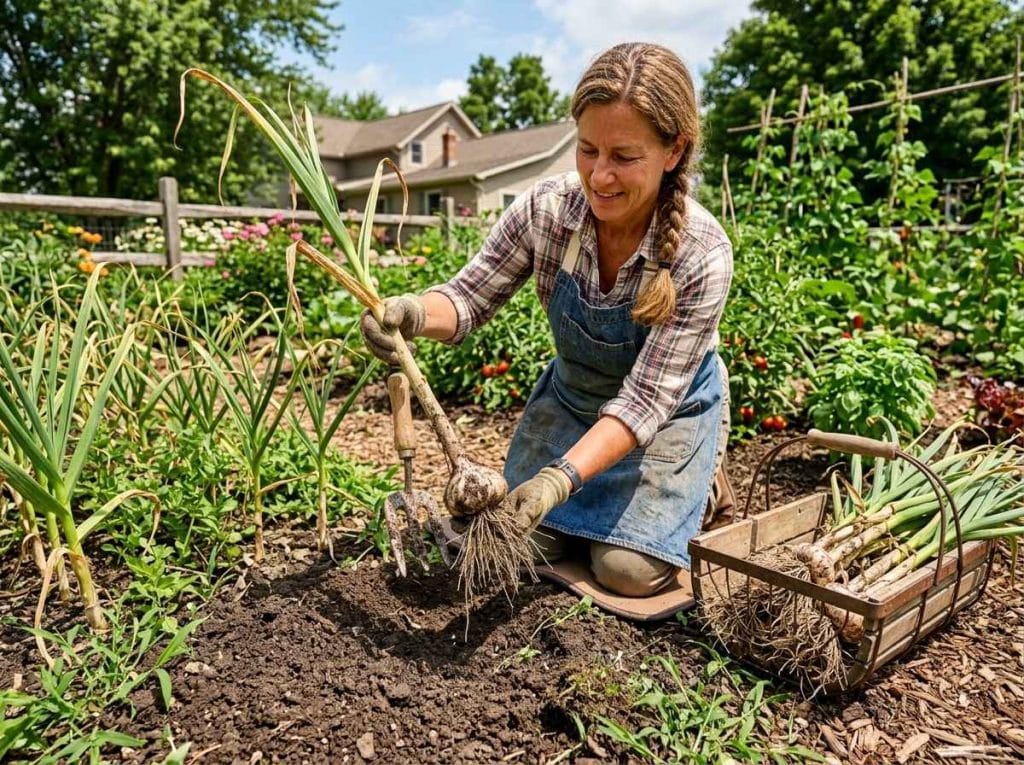
Garlic is ready in late June to mid-July. Watch leaves—when the lower third turns brown and the upper leaves are still green, it’s harvest time.
Lay bulbs in a single layer in a dry, shady spot for 2-3 weeks. Hang in bundles or use screens. Proper curing is essential—moist bulbs rot in storage.
Store cured bulbs in a cool, dry place. Avoid refrigerators; garlic sprouts in cold. Hardneck garlic lasts 4-6 months, softneck up to 9 months.
Hardneck garlic grows scapes—curly flower stems—in late spring. These are edible and delicious.
Removing scapes helps bulbs grow bigger.
A single clove grows into one bulb. For a family of four, plant about 50-60 cloves. That gives enough garlic for most recipes plus some for storage.
Larger families or heavy users should plant more.
You don’t need a large garden. Garlic grows well in containers or raised beds.
Container garlic may need extra watering in spring.
Organic garlic is popular. Ohio’s climate makes organic growing easier.
Organic garlic tastes better and sells for higher prices at local markets.
Garlic repels pests and helps other crops. Plant garlic near tomatoes, peppers, and fruit trees. Avoid planting garlic with beans or peas—they don’t like the same soil.
Ohio farmers grow garlic for markets, restaurants, and home use. Local garlic sells for $8-12 per pound at farmers’ markets. Demand is strong, and Ohio-grown garlic is prized for freshness.
According to USDA reports, Ohio produces about 100,000 pounds of garlic annually. Most comes from small farms or backyard growers.
Many beginners make these mistakes:
| Crop | Planting Time | Harvest Time | Yield (per 10 sq. ft.) |
|---|---|---|---|
| Garlic | Fall | Summer | 3-5 lbs |
| Onions | Spring | Summer | 4-6 lbs |
| Potatoes | Spring | Late Summer | 10-15 lbs |
Garlic uses less space but is high-value and stores well.
Hardneck garlic like Music, German Extra Hardy, and Chesnok Red are ideal. They handle Ohio’s winters and produce strong-flavored bulbs.
Plant garlic from late September to early November. Northern Ohio should plant earlier, while southern areas can plant a bit later.
Harvest garlic when the lower third of leaves turns brown and the upper leaves remain green—usually late June to mid-July.
No. Grocery store garlic is often treated not to sprout and may carry disease. Always use seed garlic from reputable sources.
Rotate crops, avoid planting garlic in the same spot more than once every four years, and use mulch to reduce soil splash and weeds.
Growing garlic in Ohio is simple if you follow these steps. With good soil, the right variety, and proper timing, you’ll produce bulbs that rival anything found in stores. Garlic is a crop that rewards patience and planning. Whether you’re growing for your family or for market, Ohio’s climate gives you an advantage. Remember, the most important factors are healthy soil, good seed, and careful timing. With these tips, you can enjoy a rich harvest and the unique satisfaction of homegrown garlic. For more scientific details, visit the Ohio State University Extension resource. Happy gardening!