Gardening Made Simple.

Have you ever thought about growing your own mushrooms right at home? It might seem tricky at first, but learning How to Grow Mushrooms at Home is easier than you think. With simple tools and the right steps, you can enjoy fresh, flavorful mushrooms grown in your own space year-round.
Imagine picking fresh, juicy mushrooms whenever you want, without leaving your house. Growing mushrooms can be a fun and rewarding hobby that saves you money and adds fresh flavors to your meals. In this guide, you’ll discover simple steps and insider tips to help you grow healthy mushrooms quickly.
Ready to turn a small corner of your home into a mini mushroom farm? Let’s get started!
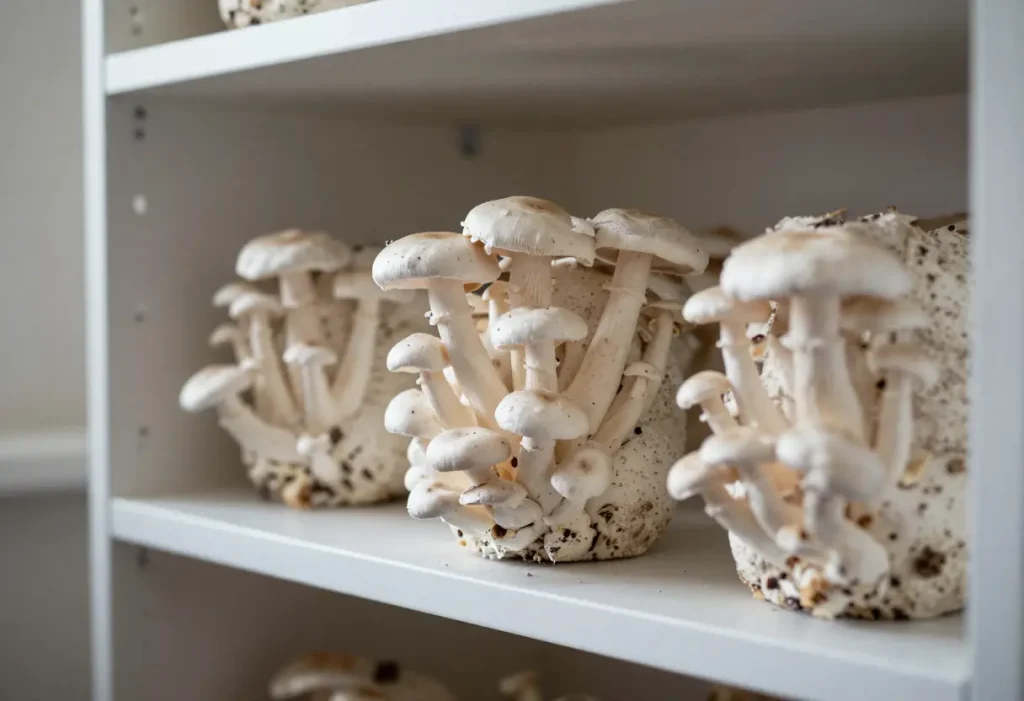
Choosing the right mushroom varieties is the first step to success in home growing. Different types need different care and conditions. Picking the best variety can make growing easier and more enjoyable. It also affects how fast mushrooms grow and how tasty they are.
Oyster mushrooms are very popular for beginners. They grow fast and do well in many places. Button mushrooms are another easy type. They have a mild flavor and need simple care. Shiitake mushrooms offer a richer taste. They take longer to grow but are still good for new growers. These types have clear instructions and plenty of support online.
Space is important. Some mushrooms need more room than others. Temperature matters too. Some types grow best in warm spots, others in cool areas. Growing time varies. Some mushrooms can be harvested quickly, others take weeks. Consider how much effort you want to spend. Also, think about the mushroom’s taste and how you want to use it in cooking.
Preparing the growing environment is a key step in growing mushrooms at home. Mushrooms need a space that supports their growth and helps them thrive. Setting up the right conditions ensures better mushroom yields and healthier growth.
Choose a place that stays cool and dark. Mushrooms grow best away from direct sunlight. Basements, closets, or garages often work well. The spot should be clean and free of strong smells. Good air circulation is important, but avoid windy places. A quiet corner with stable conditions helps mushrooms grow faster.
Mushrooms need temperatures between 55°F and 75°F. Keep the area steady, without sudden changes. Use a thermometer to check the temperature regularly. Humidity should be high, around 80% to 90%. Mist the area with water to keep it moist. A humidifier can help maintain moisture levels. Avoid dry air, as it can slow growth or kill mushrooms.
Starting mushroom growing at home needs some basic materials. Collecting the right supplies helps create a healthy environment for mushrooms to grow. Focus on clean, safe items to avoid contamination. Here is what you need to prepare before planting your mushrooms.
Spawning is the first step in mushroom growing. You can buy mushroom spawn online or from garden stores. Spawn comes as grain, sawdust, or plugs. Grain spawn is popular for beginners. It mixes well with the growing medium. Sawdust spawn works well for hardwood logs or wood chips. Plugs are small wooden dowels with spawn, ideal for outdoor logs. Choose spawn type based on your growing method and mushroom type.
The growing medium is where mushrooms feed and grow. Common options include straw, wood chips, sawdust, and compost. Straw is easy to find and works well for many mushrooms. Wood chips suit species like shiitake and oyster mushrooms. Sawdust is good for indoor mushroom kits. Compost offers rich nutrients but needs sterilizing. Select a medium that fits your mushroom choice and growing space. Prepare it properly to keep pests away and ensure good growth.
Setting up the growing medium is a vital step in mushroom cultivation. It provides the nutrients mushrooms need to grow strong and healthy.
The growing medium must be clean and free from harmful bacteria. This helps mushrooms develop without competition or disease.
Sterilizing the growing medium removes unwanted bacteria and mold. It creates a safe space for mushroom spores to grow.
Use a pressure cooker or large pot to sterilize the medium. Heat it to at least 250°F (121°C) for 60 minutes.
Allow the medium to cool completely before adding spawn. This prevents killing the mushroom spores.
Inoculation means adding mushroom spawn to the sterilized medium. Spawn contains the spores or mycelium needed to grow mushrooms.
Break the spawn into small pieces and mix it evenly into the medium. Use clean hands or gloves to avoid contamination.
Place the inoculated medium in a clean container. Keep it in a dark, warm place to encourage growth.
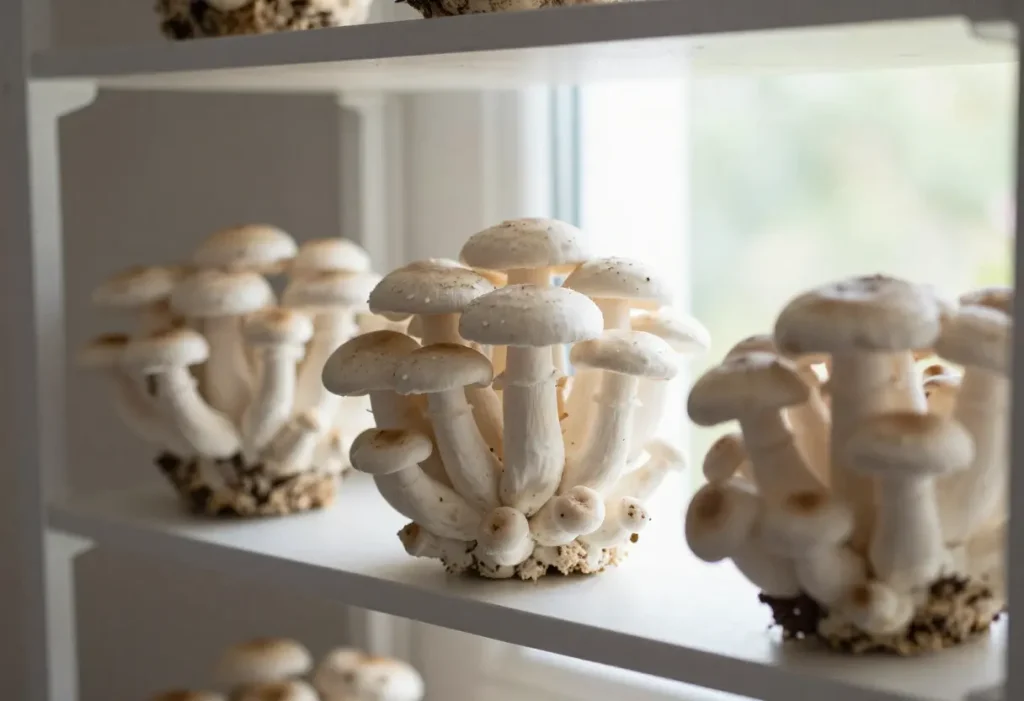
Caring for your mushrooms is key to a successful home harvest. Mushrooms need the right environment to grow strong and healthy. Proper care means paying close attention to moisture and cleanliness. These factors help mushrooms develop well and avoid problems.
Mushrooms need moisture but too much water can harm them. Use a spray bottle to mist the growing area gently. Keep the surface damp, not soaked. Watering once or twice a day is usually enough. Watch for dry spots and spray as needed. Good air circulation helps prevent mold and keeps mushrooms fresh.
Contamination can ruin your mushroom crop quickly. Keep your hands and tools clean before touching the mushrooms. Use gloves if possible. Avoid touching the substrate or mushrooms directly. Make sure the growing area is clean and free from dust. Remove any moldy or unhealthy mushrooms right away. This stops spores from spreading and protects the healthy mushrooms.
Harvesting mushrooms is an exciting step in your home growing journey. Picking them at the right time ensures the best taste and texture. Knowing when and how to harvest protects your mushroom crop for future growth. Careful harvesting helps keep your mushroom bed healthy and productive.
Watch for mushrooms that have fully opened caps. The edges should be flat or slightly curled upward. Avoid picking mushrooms with tightly closed caps. The color should be vibrant and consistent. Check the gills under the cap; they should be visible but not dark or dry. Mushrooms that start to drop spores or turn dark are past their prime. Harvesting at the right stage gives the best flavor and firmness.
Use a gentle twist or a clean cut near the base. Avoid pulling mushrooms directly to prevent damage. Handle mushrooms carefully to keep them fresh. Use a sharp knife or scissors for cutting. Place harvested mushrooms in a basket or paper bag. Avoid plastic bags that trap moisture and cause spoilage. Clean tools and hands help prevent contamination. Proper picking keeps your mushrooms safe to eat and your growing area healthy.
Growing mushrooms at home can be very rewarding. Sometimes, problems may arise. Knowing how to fix them helps keep your mushrooms healthy. This section covers common troubles and easy solutions. Follow these tips to avoid damage and losses.
Pests like flies and mites can harm your mushroom crop. They eat the mycelium or spread disease. Check your growing area often for small bugs. Use sticky traps to catch flying insects. Keep the area clean and dry to avoid pests. Avoid using strong chemicals near mushrooms. Natural options like neem oil work well and are safe.
Mold can grow if the environment is too wet or dirty. It looks fuzzy and changes color. Remove any moldy parts quickly to stop it spreading. Use fresh air and control humidity below 85%. Wash your hands and tools before touching mushrooms. Avoid overwatering the substrate to prevent mold growth. Using clean materials helps reduce disease risks.
Extending your mushroom harvest helps you enjoy fresh mushrooms longer. You can get more mushrooms without starting from scratch. This saves time and effort while feeding your family well. Careful steps allow your mushroom bed to produce many crops over weeks. Let’s explore how to keep your mushrooms growing and store them smartly.
Mushrooms grow in waves called flushes. The first flush is the biggest and best. After harvesting, the mushroom bed rests a few days. Then, it can produce a second or third flush. Keep the bed moist but not soaked. Spray water gently to keep humidity high. Avoid too much water to stop mold. Maintain cool temperature and good airflow. This helps mushrooms grow again and again.
Fresh mushrooms do not last long outside. Store them in a paper bag in the fridge. Avoid plastic bags; they trap moisture and spoil mushrooms. Use mushrooms within a week for best taste. For longer storage, dry mushrooms in the sun or a low oven. Store dried mushrooms in an airtight jar. You can also freeze mushrooms after cooking. These methods keep your harvest usable for months.
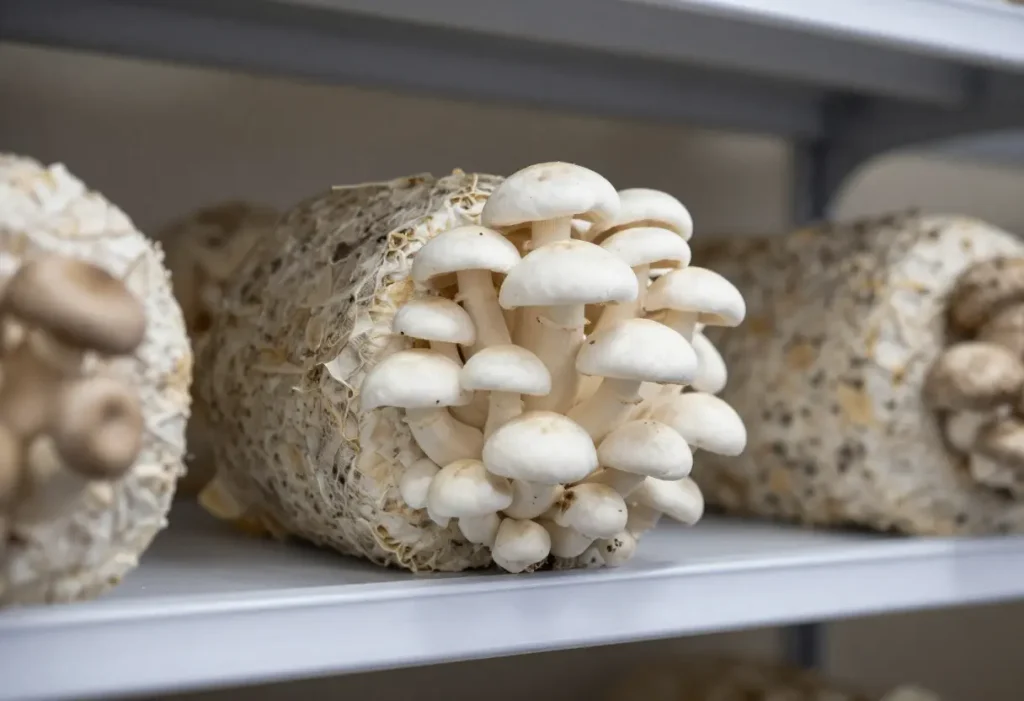
You need mushroom spores, a growing container, a substrate like straw, water, and a dark, humid space.
Mushrooms usually grow in 2 to 4 weeks, depending on the type and conditions.
Yes, simple containers and household items can work well for small mushroom growing projects.
Most mushrooms grow best between 55°F and 75°F (13°C to 24°C), with good humidity.
Keep the growing area clean, control moisture, and ensure good air circulation to avoid mold.
Growing mushrooms at home is simple and rewarding. Start with clean tools and fresh spores. Keep the environment moist and dark for best results. Watch your mushrooms grow day by day. Enjoy fresh mushrooms in your meals anytime. This hobby saves money and adds fun to your kitchen.
Anyone can try it with patience and care. Give it a go and see the results yourself.