Gardening Made Simple.
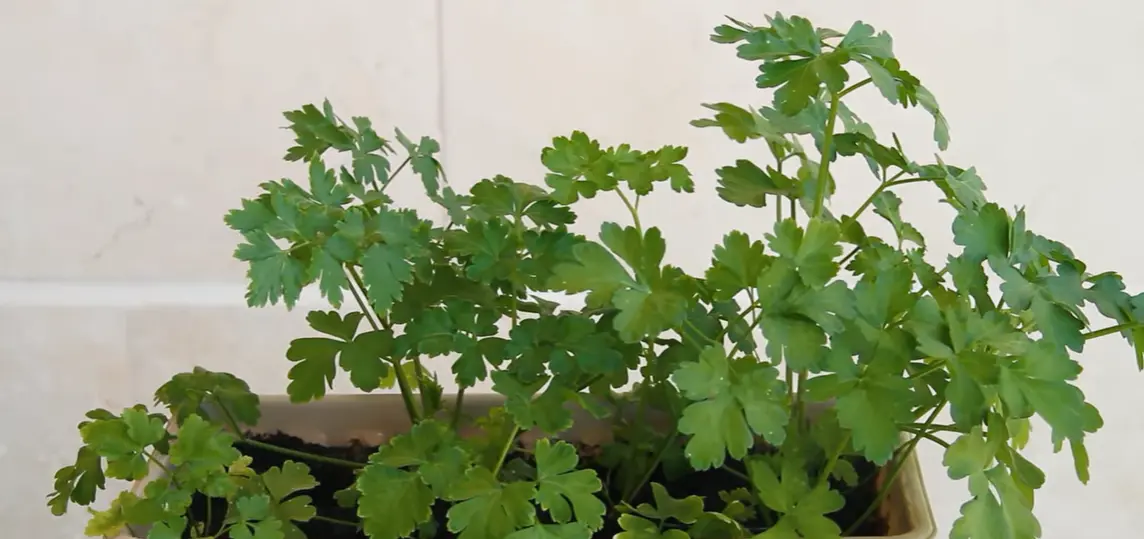
Do you want fresh, vibrant parsley right at your fingertips? How to Grow Parsley is easier than you might think, and it lets you enjoy flavorful herbs while brightening up your kitchen or garden.
Imagine snipping just what you need, whenever you want, without rushing to the store. In this guide, you’ll discover simple, practical steps to grow healthy parsley that thrives. Keep reading, and soon you’ll be enjoying the satisfaction of nurturing your own green, fragrant herb.
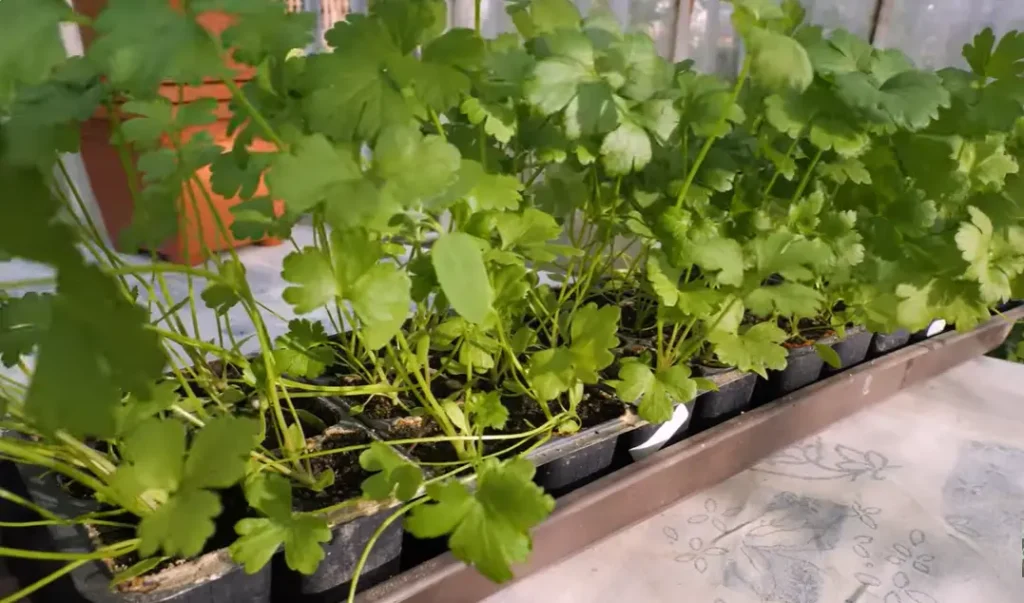
Choosing the right parsley variety is key to a healthy and flavorful herb garden. Parsley types differ in taste, appearance, and growing needs. Picking the best one helps you grow strong plants and enjoy fresh leaves year-round.
Understanding the differences between common parsley types makes gardening easier. Some varieties suit cooking better, while others thrive in specific climates. Knowing these details helps you pick the perfect parsley for your garden.
Curly parsley has bright, ruffled leaves. It looks attractive and is often used as a garnish. Its flavor is mild and slightly bitter. This type grows well in many gardens and handles cool weather.
Flat-leaf parsley, also called Italian parsley, has smooth, flat leaves. It has a stronger, fresh taste. Chefs prefer flat-leaf parsley for cooking. This variety grows quickly and adapts well to different soils.
In cooler climates, choose hardy parsley like 'Gigante d'Italia' or 'Dark Green Italian.' These types resist cold and grow through short seasons. They handle frost better than others.
Warm climates suit parsley varieties like 'Plain Leaf' and 'Hamburg.' These plants tolerate heat and dry conditions. Plant them in part shade to protect from strong sun.
Container gardeners benefit from dwarf varieties. These types stay small and fit well in pots. They grow fast and provide fresh herbs for kitchens.
Preparing the soil and choosing the right location is key to growing healthy parsley. Parsley needs good soil and the right amount of sunlight. These factors help the plant grow strong and flavorful. Taking time to prepare the soil and pick a spot will make a big difference in your harvest.
Parsley grows best in soil that is rich and well-drained. The soil should be loose to allow roots to grow easily. A slightly acidic to neutral pH level, around 6.0 to 7.0, works well. Adding compost or organic matter improves soil quality. It keeps the soil moist and full of nutrients. Avoid heavy clay soils that hold too much water. Good drainage prevents root rot and other problems.
Parsley needs full sun to grow well. At least six hours of sunlight daily helps the leaves develop flavor. It can tolerate some shade, especially in hot climates. Parsley prefers cool to moderate temperatures between 50°F and 70°F. Too much heat can cause it to bolt or go to seed early. Planting in spring or fall works best in warmer areas.
Planting parsley seeds and seedlings is the first step to growing fresh herbs at home. Parsley grows well from both seeds and young plants. Choosing the right method helps the herb thrive in your garden or pots.
Start parsley seeds indoors about 6 to 8 weeks before the last frost. Use a seed tray or small pots with seed-starting mix. Plant seeds 1/4 inch deep and keep the soil moist. Parsley seeds can take 2 to 3 weeks to sprout. Place the tray in a warm, bright spot but not in direct sunlight. Thin seedlings to one per cell once they grow two sets of leaves.
Harden off seedlings before moving them outside. This means placing them outdoors for a few hours each day over one week. Choose a sunny or partly shaded spot with well-drained soil. Space plants about 6 to 8 inches apart. Plant seedlings at the same soil level as they grew indoors. Water well after transplanting to reduce shock.
Parsley seeds can be sown directly in the garden after the last frost. Loosen the soil and remove weeds. Sow seeds thinly in rows 12 inches apart. Cover seeds lightly with soil and water gently. Keep soil moist until seeds sprout, which may take up to 3 weeks. Thin seedlings to avoid overcrowding and promote strong growth.
Parsley needs the right amount of water and nutrients to grow healthy. Proper watering and feeding help parsley develop fresh, green leaves. Too much or too little water can harm the plant. Feeding parsley with the right fertilizer supports strong growth. Understanding how to water and feed parsley is key to a good harvest.
Parsley likes evenly moist soil. Water the plant deeply once or twice a week. Check the soil surface; it should feel dry before watering again. Avoid letting the soil stay soggy. Overwatering can cause root rot. During hot or dry weather, increase watering frequency. Use a watering can or drip irrigation for gentle watering.
Choose a balanced fertilizer with equal nitrogen, phosphorus, and potassium. Organic options like compost or fish emulsion work well. Apply fertilizer every 4 to 6 weeks during the growing season. Avoid overfeeding, which can cause leafy growth but weak flavor. Light feeding encourages steady growth and healthy leaves. Always water the plant after fertilizing to help nutrient absorption.
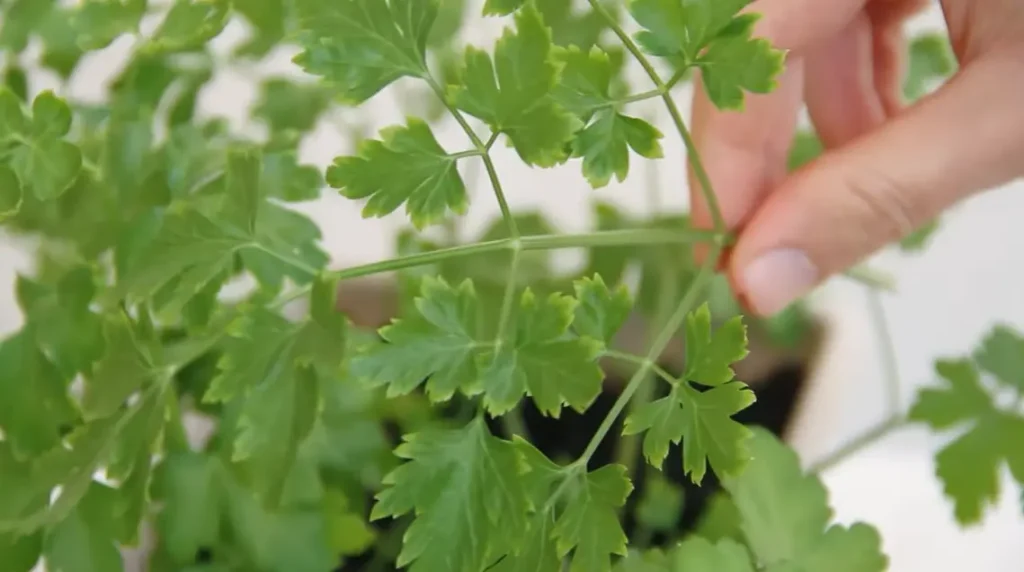
Maintaining healthy parsley plants keeps them strong and productive. Proper care helps the plants grow fresh, green leaves. Regular attention prevents problems and supports a long harvest.
Parsley needs regular pruning and protection from pests and diseases. These steps keep the plants vibrant and tasty for your kitchen.
Cut parsley leaves from the outer stems. This encourages new growth from the center. Use sharp scissors or garden shears. Avoid cutting too close to the base. Harvest regularly to keep the plant bushy. Remove any yellow or dead leaves quickly. This helps the plant stay healthy and clean.
Check parsley plants often for pests like aphids and caterpillars. Handpick bugs or spray with mild soap water. Avoid strong chemicals that can harm the plant. Keep the soil well-drained to stop root diseases. Remove any infected leaves to prevent spread. Good air circulation around plants lowers disease risk. Healthy plants resist pests and grow better.
Extending the growing season for parsley helps you enjoy fresh herbs longer. Parsley grows best in cool weather but can struggle in extreme cold or heat. By using simple methods, you can keep your parsley healthy beyond its usual time. This means more fresh leaves for cooking through many months.
Growing parsley in containers allows easy control of its environment. You can move pots indoors when the weather turns cold. Choose a pot with good drainage and fill it with rich soil. Place the container in a sunny window or under grow lights. Water parsley regularly but avoid waterlogging the soil. Indoor growing protects parsley from frost and harsh winds. This method keeps the plant growing steadily all year round.
Overwintering parsley means keeping it alive through the winter outside. Cut back old leaves before the first frost to help the plant rest. Mulch around the base with straw or leaves to protect roots. Cover the plant with a frost cloth on very cold nights. Parsley can survive mild winters and start growing again in spring. This saves time and effort compared to planting new seeds each year.
Growing parsley is just the start. To enjoy its true taste, focus on flavor and freshness. The way you harvest and store parsley affects its aroma and taste. Fresh parsley adds a bright, green flavor to many dishes. Careful handling keeps it fresh and tasty for days.
Pick parsley leaves early in the morning. This is when oils are strongest. Choose bright green, healthy leaves without spots. Cut stems near the base, not just leaves. This helps the plant grow back fast. Avoid picking more than one-third of the plant. This keeps parsley healthy and full.
For short-term use, wrap parsley in damp paper towel. Place it in a plastic bag in the fridge. This keeps leaves fresh and crisp for up to a week. For longer storage, freeze chopped parsley in ice cube trays. Use frozen cubes in soups and sauces. Drying parsley is another option. Hang bunches upside down in a dark, dry place. Store dried leaves in airtight containers away from light.
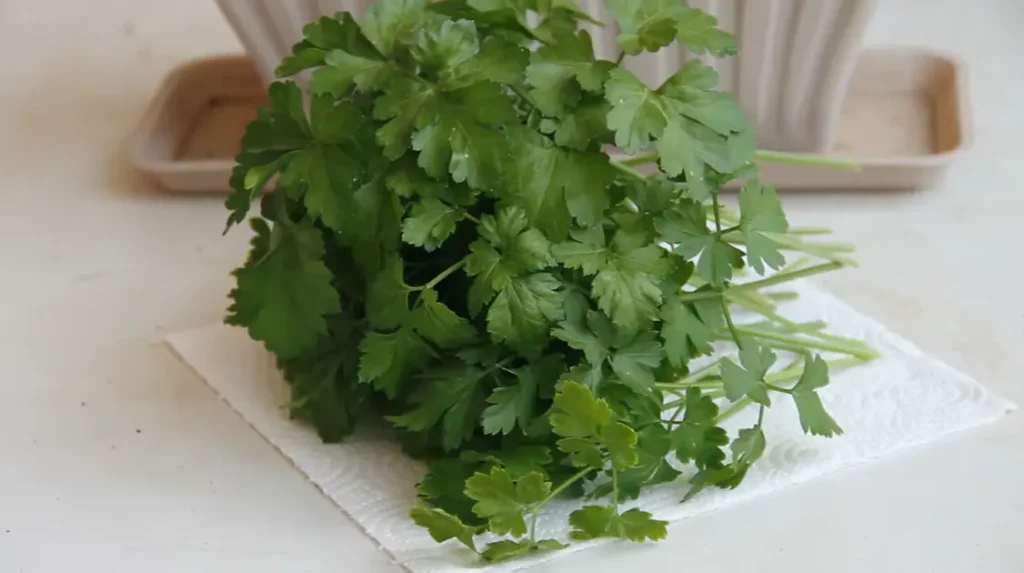
Parsley seeds usually take 2 to 3 weeks to sprout. Full growth for harvesting takes about 70 to 90 days.
Parsley grows best in rich, well-drained soil with a pH between 6. 0 and 7. 0. Adding compost improves soil nutrition and moisture.
Parsley needs about 6 hours of sunlight each day. It grows well in full sun or partial shade.
Water parsley regularly to keep the soil moist but not soggy. Usually, watering 2 to 3 times a week works well.
Yes, parsley grows well indoors with enough light. Place it near a sunny window and keep the soil moist.
Growing parsley is simple with the right care and attention. Water the plant regularly and provide enough sunlight. Trim the leaves often to encourage new growth. Watch for pests and keep the soil healthy. Fresh parsley adds flavor to many dishes.
With patience, you will enjoy a fresh herb garden. Start small and learn as you go. Parsley can thrive indoors or outdoors. Enjoy the process and the fresh taste. Keep these tips in mind for healthy parsley growth.