Gardening Made Simple.
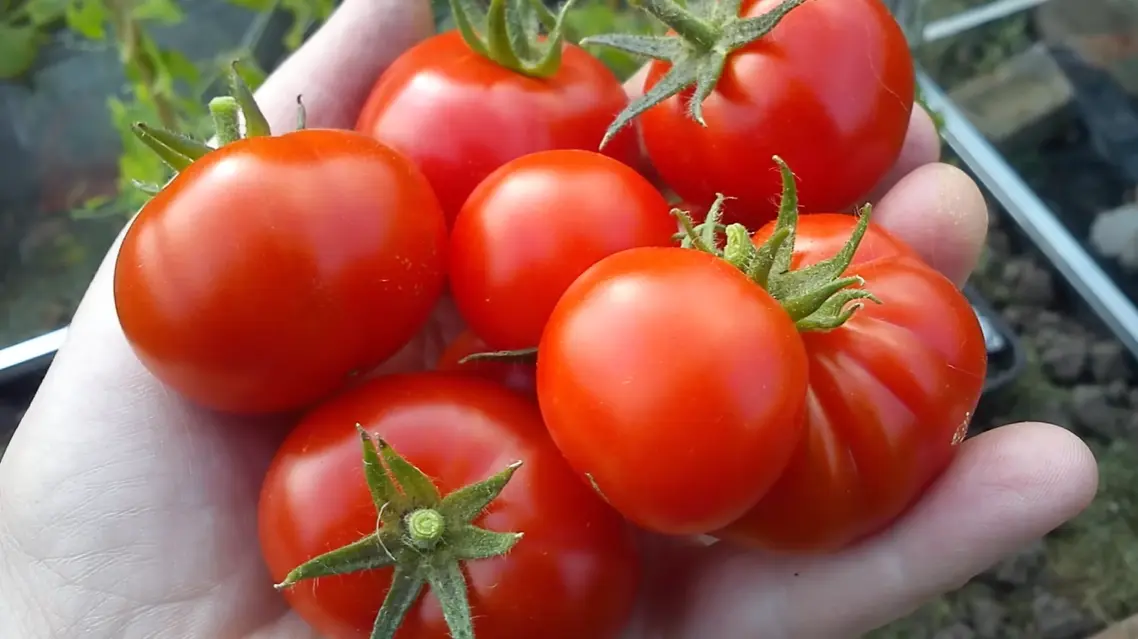
Are you ready to enjoy fresh, juicy tomatoes right from your garden? Growing tomato seedlings is the first step to a bountiful harvest, and it’s easier than you might think. These tips on How to Grow Tomato Seedlings will help you raise strong, healthy plants for a productive tomato season.
Whether you’re a beginner or want to improve your gardening skills, this guide will show you simple, effective ways to start healthy tomato plants. Imagine picking ripe tomatoes that you grew yourself—let’s make that happen. Keep reading, and you’ll discover the secrets to growing strong seedlings that thrive and produce delicious fruit all season long.
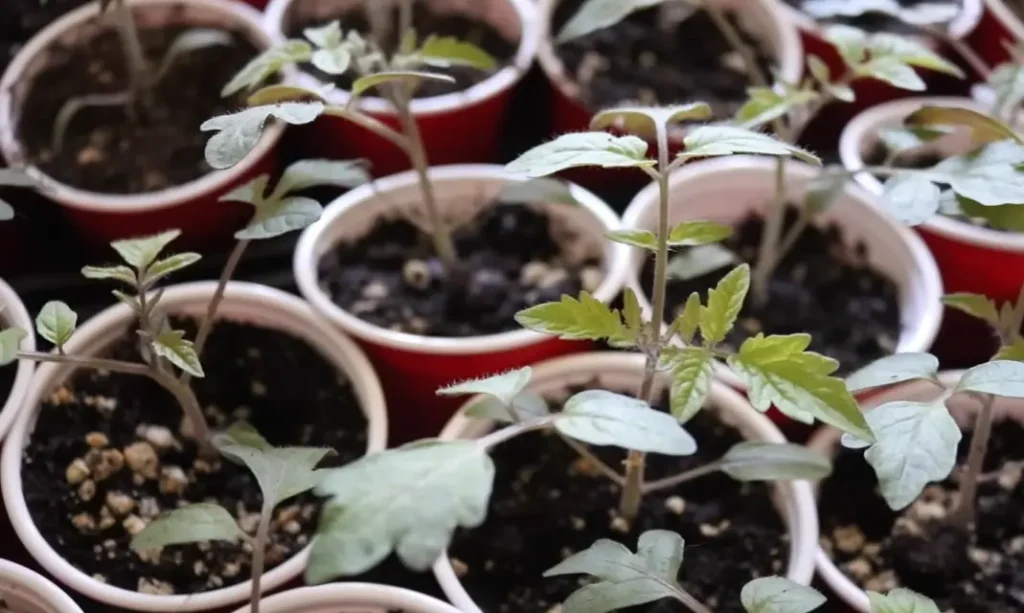
Choosing the right seeds is the first step to growing healthy tomato seedlings. The type of seed affects the plant's growth, taste, and resistance to diseases. Knowing the differences between seed varieties helps you select the best option for your garden. Seed quality and freshness also play a big role in how well your seedlings will grow.
Heirloom tomato seeds come from plants passed down through generations. They have unique flavors and shapes. These seeds grow true to type, meaning they produce plants like the parent. Heirlooms often have more natural disease resistance but may be less uniform in size.
Hybrid seeds result from crossing two different tomato plants. They usually produce strong, uniform plants with high yields. Hybrids often resist common tomato diseases well. Many gardeners prefer hybrids for reliability and productivity.
High-quality seeds increase the chances of healthy seedlings. Look for seeds from trusted suppliers. Check the seed packet for the harvest date or expiration date. Fresh seeds germinate faster and more evenly.
Old or poor-quality seeds may take longer to sprout or fail. Store seeds in a cool, dry place to keep them fresh. Proper storage helps maintain seed vitality for future planting.
Preparing the soil and containers is the first step to grow healthy tomato seedlings. Good soil and the right containers give seedlings the best start. They help roots grow strong and keep the soil moist but not wet. This section explains how to pick the best seed starting mix and choose suitable containers for your tomato seeds.
Choose a seed starting mix that is light and drains well. Avoid garden soil; it can hold too much water and cause mold. A good mix has peat moss, vermiculite, and perlite. These parts keep the soil airy and moist. This helps tiny roots breathe and grow fast. Use fresh mix to prevent diseases. Do not add fertilizer; seedlings need gentle feeding later.
Select containers with holes at the bottom for drainage. This prevents water from pooling and causing root rot. Small pots, seed trays, or peat pots work well. Containers should be clean to stop disease spread. Avoid deep pots because seedlings grow better in shallow ones. Make sure containers fit your space and are easy to move.
Planting tomato seeds is the first step to growing healthy tomato seedlings. Start with good quality seeds and fresh soil. Prepare small pots or seed trays filled with seed-starting mix. This mix holds moisture and helps seeds sprout easily. Planting seeds at the right depth and spacing is important for strong growth.
Proper watering helps seeds germinate and seedlings grow well. Too much water can cause seeds to rot. Too little water will stop growth. Follow these simple tips for planting tomato seeds.
Plant tomato seeds about 1/4 inch deep. Cover seeds lightly with soil. Press gently to make good soil contact. Space seeds at least 1 inch apart in the seed tray. This gives seedlings room to grow without crowding. Crowded seedlings may become weak and thin. Thin seedlings if needed after they sprout.
Use a spray bottle or gentle watering can to keep soil moist. Water lightly every day or as needed. Soil should feel damp, not soggy. Avoid pouring water directly on seeds. Watering from the bottom helps roots grow strong. Place seed trays in a shallow dish of water and let soil soak up moisture. This method keeps soil evenly moist and prevents seed movement.
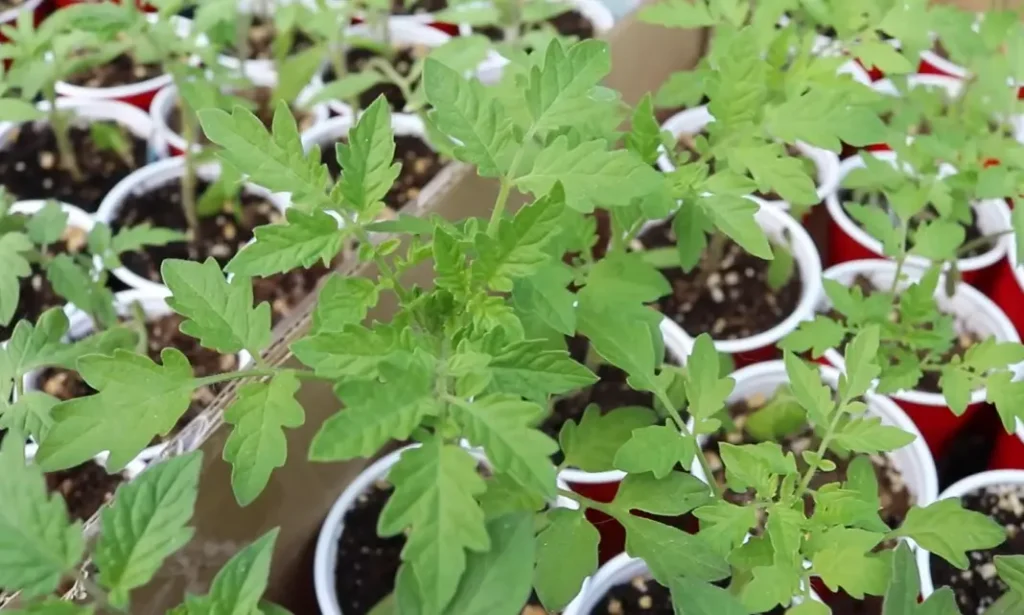
Creating the right environment helps tomato seedlings grow strong and healthy. Healthy seedlings need proper light, temperature, and humidity. These factors affect their growth speed and overall health. Setting these conditions correctly from the start makes transplanting easier later.
Tomato seedlings need plenty of light each day. Aim for 12 to 16 hours of bright light. Natural sunlight works best, placed near a south-facing window. If sunlight is not enough, use grow lights. Keep the lights about 2 to 4 inches above the seedlings. Move the lights up as plants grow to avoid burning.
Warm temperatures encourage seedling growth. Keep the room temperature between 65 and 75°F (18 to 24°C). Night temperatures can be a bit cooler, around 55 to 65°F (13 to 18°C). Avoid cold drafts and sudden temperature drops. Use a heat mat under the seed trays if the room is too cool.
Tomato seedlings prefer moderate humidity levels. Aim for 50% to 70% humidity. Too much moisture can cause mold or damping-off disease. Too little humidity dries out seedlings quickly. Use a humidity dome or spray water gently to keep humidity steady. Open the dome daily to allow fresh air.
Caring for tomato seedlings is a key step in growing healthy plants. Proper care helps seedlings grow strong and ready for the garden. Pay attention to water, nutrients, and common problems. This care sets the foundation for a good harvest.
Tomato seedlings need consistent moisture. Water them gently to keep soil damp but not soaked. Check soil daily. If the top feels dry, it is time to water. Avoid overwatering to stop root rot. Use a spray bottle or small watering can for control.
Seedlings need light feeding to grow well. Use a balanced, water-soluble fertilizer. Dilute it to half strength. Feed seedlings every 10 to 14 days. Too much fertilizer can harm young plants. Look for signs of healthy green leaves and steady growth.
Watch out for damping-off disease, a common problem. It causes seedlings to wilt and die suddenly. Keep air moving around plants by spacing them well. Avoid wetting leaves too much. Use clean pots and fresh soil to reduce risks. Remove any weak or damaged seedlings quickly.
Transplanting tomato seedlings is a key step in growing healthy plants. This process moves young plants from small containers to a larger space. It helps them grow stronger roots and prepares them for outdoor conditions. Proper transplanting increases the chance of a good tomato harvest.
Transplant seedlings after they have two to three true leaves. This usually takes about 4 to 6 weeks after planting seeds. The seedlings should be strong and about 3 to 4 inches tall. Avoid transplanting too early or too late to prevent shock.
Before moving seedlings outdoors, harden them off. This means slowly exposing them to outdoor conditions. Start with a few hours outside in shade. Increase time and sun exposure daily over one week. This step helps seedlings adjust to temperature and wind.
Choose a sunny spot with well-drained soil for planting. Dig holes deep enough to cover the roots and part of the stem. Plant seedlings deeper than in their pots to encourage root growth. Water the plants well after planting. Space them about 18 to 24 inches apart.
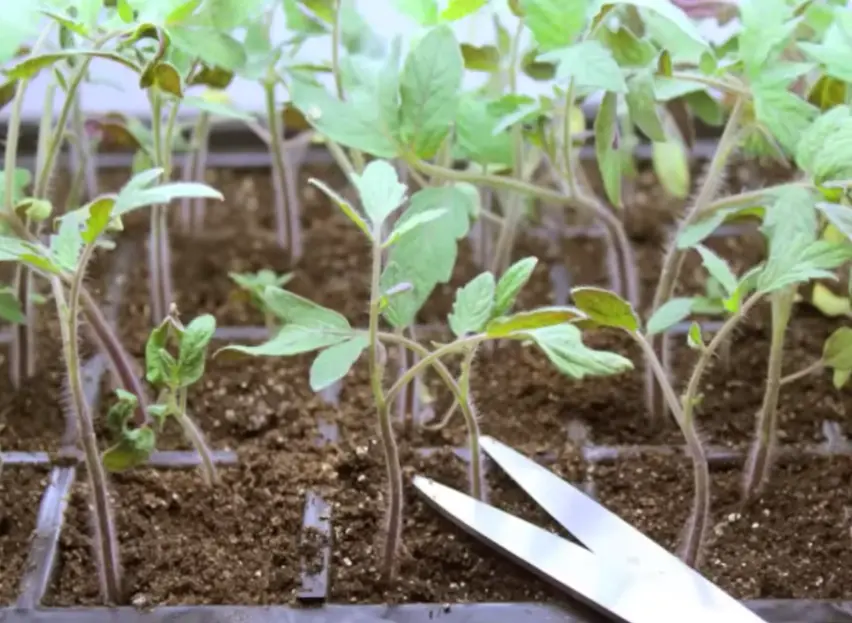
Tomato seedlings usually take 5 to 10 days to sprout after planting the seeds.
Use light, well-draining soil rich in organic matter for healthy tomato seedlings.
Water tomato seedlings when the soil feels dry, usually every 1-2 days.
Move seedlings outdoors after the last frost, when they are 6-8 inches tall.
Tomato seedlings need at least 6 hours of direct sunlight every day.
Growing tomato seedlings takes care and patience. Start with good soil and enough light. Water them regularly but do not soak the soil. Watch for pests and keep the plants healthy. Transplant seedlings carefully to avoid stress. Healthy seedlings grow into strong tomato plants.
Enjoy fresh tomatoes from your own garden soon. Keep learning and trying new tips for better results. Gardening is a rewarding and fun experience.