Gardening Made Simple.

Are you ready to enjoy the sweet, crunchy taste of fresh carrots straight from your garden? How to Harvest Carrots correctly makes all the difference between a tasty treat and a disappointing crop, ensuring you get the best flavor and texture every time.
In this guide, you’ll discover simple, effective steps to pick your carrots perfectly every time. Whether you’re a beginner or have some experience, you’ll learn how to get the best flavor and texture from your harvest. Keep reading, and soon you’ll be enjoying the full rewards of your hard work.
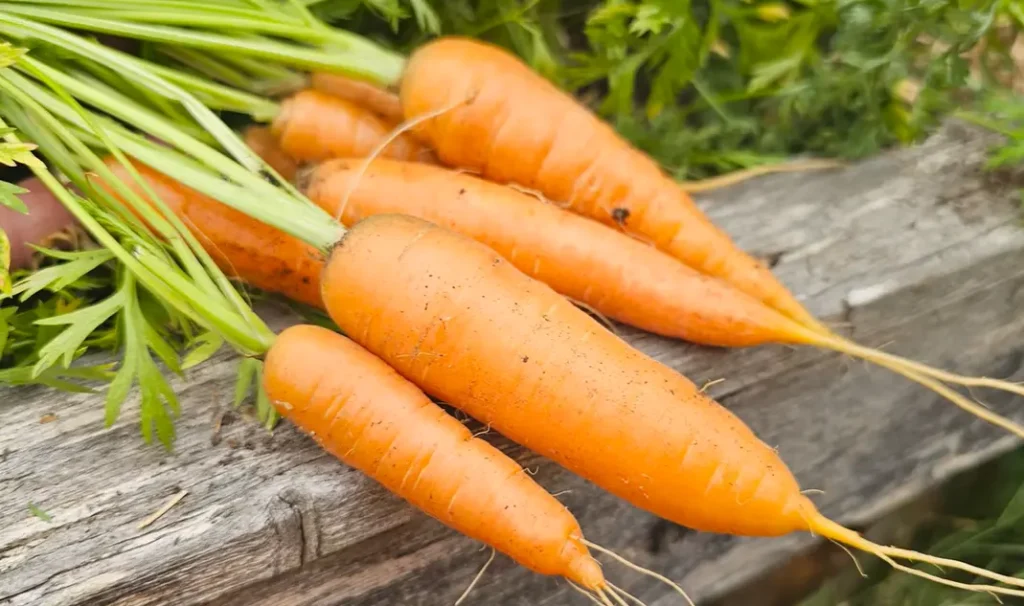
Knowing the right time to harvest carrots is key to getting the best flavor and texture. Picking them too early means small, underdeveloped roots. Waiting too long can make carrots tough and woody. Watch your carrots closely as they grow. Pay attention to their size and color to pick the perfect moment.
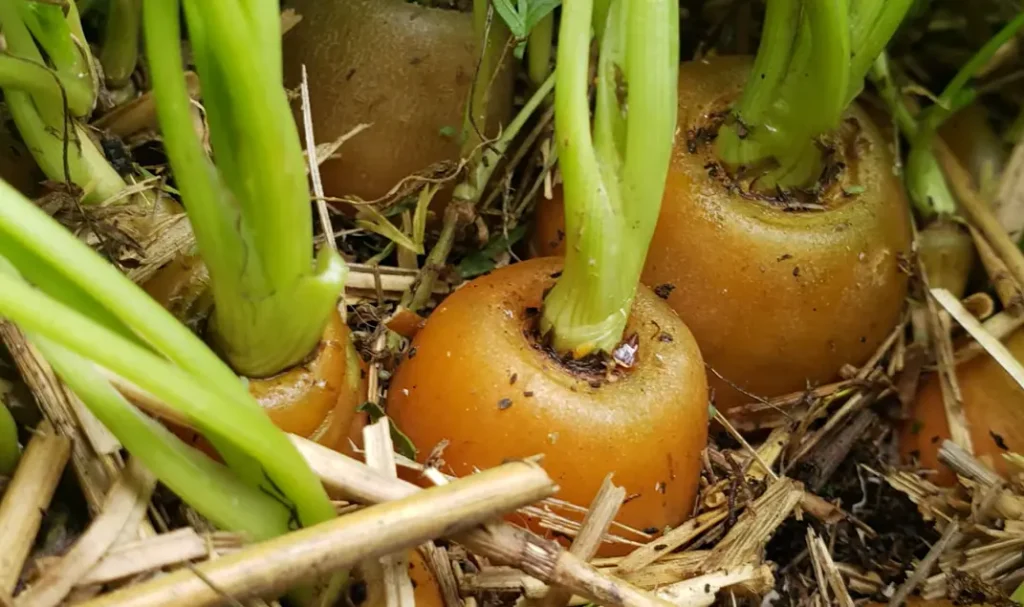
Carrots are mature when their tops push out from the soil. The visible part of the root should be about ½ to 1 inch wide. The color is bright and rich, depending on the variety. The carrot should feel firm when gently squeezed. Leaves may start to turn yellow or wilt slightly. These signs mean the carrot is ready to be pulled.
Different carrot types need different growing times. Early varieties usually take 50 to 60 days to mature. Mid-season carrots need 60 to 75 days. Late varieties can take up to 80 days or more. Check the seed packet for exact days to harvest. Keep in mind that soil and weather affect growth speed. Adjust your harvest time based on these conditions for best results.
Preparing to harvest carrots is an important step to ensure the best flavor and texture. Carrots need the right conditions before pulling them from the soil. Proper preparation helps avoid damage to the roots and keeps them fresh longer.
Check the garden area and gather what you need. Clear any debris around the plants. This makes harvesting easier and faster. Take your time to create a smooth harvesting process.
Use simple tools for harvesting carrots. A garden fork or spade works well to loosen soil. Avoid sharp tools that can cut or bruise the carrots. Gloves protect your hands from dirt and small stones. A basket or container helps carry the carrots without harm.
Check the soil moisture before harvesting. Soil should be moist but not too wet. Wet soil can cause carrots to break or rot. Dry soil makes pulling carrots harder and may snap the roots. Water the garden a day before harvest if soil feels dry. This softens the ground and makes harvesting easier.
Harvesting carrots requires care and the right method. Using proper techniques helps keep carrots whole and fresh. It also protects the plants and soil. Follow these steps to harvest carrots effectively.
Loosen the soil around the carrots before pulling. Use a garden fork or trowel gently. Insert the tool about six inches from the carrot tops. Push the soil away carefully to avoid breaking the roots. This step makes pulling easier and reduces damage.
Grasp the carrot tops firmly near the base. Pull straight up with steady, even force. Avoid jerking or twisting to prevent snapping. If a carrot resists, loosen the soil more. Place harvested carrots in a basket or crate immediately. Keep them cool and shaded to maintain freshness.
After harvesting carrots, proper handling keeps them fresh and tasty. Post-harvest steps protect carrots from damage and spoilage. These simple actions help maintain quality for longer storage.
Remove dirt gently using cool water. Avoid scrubbing hard to prevent skin damage. Dry carrots carefully with a soft cloth or air dry. Cut off green tops to stop moisture loss. Clean carrots look better and last longer.
Store carrots in a cool, dark place. Ideal temperature is between 32°F and 40°F (0°C to 4°C). Use perforated plastic bags or containers to keep moisture balanced. Keep carrots away from fruits like apples that release gases. Proper storage keeps carrots crisp and sweet for weeks.
Harvesting carrots can be tricky. Several issues affect the quality of your crop. Knowing common problems helps you get better results. Watch for signs early to avoid losses.
Carrots often grow twisted or forked. This happens when soil is hard or full of rocks. Crowded plants also cause misshaped roots. Loose, deep soil helps carrots grow straight. Thin seedlings to give enough space. Check soil before planting for obstacles.
Insects like carrot flies harm roots. They lay eggs near carrots, and larvae eat inside roots. This causes holes and rot. Use barriers like fine mesh to protect plants. Crop rotation lowers pest numbers. Remove damaged carrots quickly to stop spread.
Harvesting carrots is just the start of a new growing cycle. Preparing well helps your next crop grow strong and healthy. Proper care after harvesting supports soil and plant health.
Focus on crop rotation and improving soil quality. These steps keep pests away and make the soil rich for future plants.
Plant different crops in the carrot bed next season. Avoid planting carrots or similar root vegetables there again. This practice reduces pests and diseases. It also stops nutrient loss in the soil. Choose leafy greens or legumes for better results. They help keep the soil balanced and healthy.
After harvesting carrots, add organic matter to the soil. Compost or well-rotted manure works well. This adds nutrients and improves soil texture. Loosen the soil to help roots grow freely. Avoid compacting the soil by stepping on it too much. Test the soil pH and adjust if needed. Carrots prefer slightly acidic to neutral soil. Healthy soil leads to better crops and higher yields.
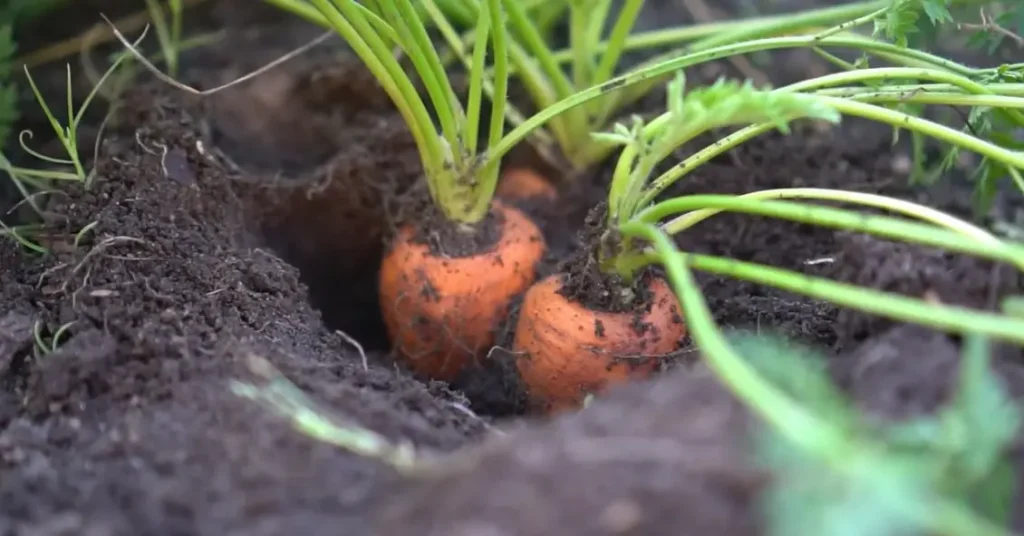
How Do I Know When Carrots Are Ready To Harvest?
Loosen soil around the carrot, then gently pull by the green tops to avoid breaking.
Yes, baby carrots can be picked 30 to 40 days after planting for a tender taste.
Store carrots in a cool, dark place or in the refrigerator inside a plastic bag.
A garden fork or trowel helps loosen the soil before pulling carrots out gently.
Harvesting carrots is simple with the right steps. Check the size by gently pulling one out. Use a garden fork to loosen the soil. Grab the tops firmly and pull straight up. Clean the carrots by brushing off dirt. Store them in a cool, dry place.
Fresh carrots taste best when eaten soon. Growing your own brings fresh, healthy food. Enjoy the process and the tasty results!