Gardening Made Simple.

How to Harvest Romaine Lettuce properly ensures fresh flavor and continued growth. To harvest Romaine lettuce, cut the leaves just above the base or pull the whole plant, and harvest in the morning for the best taste and crisp texture.
Romaine lettuce, a popular leafy green, thrives in cool weather and well-drained soil. Known for its crisp texture and mild taste, it's a staple in salads and sandwiches. Harvesting Romaine at the right time ensures optimal flavor and freshness. Typically, you can start harvesting around 55-75 days after planting.
Always use a sharp knife or scissors to avoid damaging the plant. Morning harvests yield the freshest leaves, as the plants are well-hydrated and cool. Regularly harvesting the outer leaves encourages new growth, extending the plant's productive life. Properly harvested Romaine lettuce adds a nutritious, crunchy element to your meals.

To grow healthy romaine lettuce, prepare your garden well. Focus on choosing the right location and preparing the soil. Follow these steps to get started.
Romaine lettuce needs plenty of sunlight. Pick a spot that gets at least six hours of sun daily.
Avoid areas with too much shade. Lettuce in the shade grows slower.
Ensure the location has good air circulation. It helps keep pests away.
Start with rich, well-drained soil. Romaine lettuce grows best in loamy soil.
Test your soil's pH level. Aim for a pH between 6.0 and 7.0.
Improve your soil by adding compost. Mix it in well to enrich the soil.
Remove any rocks or debris. They can hinder root growth.
| Steps | Action |
|---|---|
| Step 1 | Choose a sunny spot |
| Step 2 | Ensure good air circulation |
| Step 3 | Test soil pH |
| Step 4 | Add compost |
| Step 5 | Remove rocks and debris |
By following these steps, you set the stage for a thriving romaine lettuce garden. Proper preparation ensures strong, healthy plants.
Planting romaine lettuce is an exciting journey. This leafy green is both nutritious and delicious. To start, you'll need to focus on two main aspects: seed selection and planting techniques. Let's dive into these key areas to ensure a successful harvest.
Choosing the right seeds is crucial. Opt for high-quality seeds from reputable suppliers. Look for varieties that are disease-resistant. Consider your climate when selecting seeds.
| Variety | Climate Suitability |
|---|---|
| Parris Island Cos | Warm climates |
| Winter Density | Cool climates |
| Little Gem | All climates |
Proper planting techniques are essential for healthy growth. Start by preparing the soil. It should be loose and well-drained. Add compost to enrich the soil.
Use these tips to plant your romaine lettuce effectively. With the right care, you'll have a bountiful harvest in no time.

Proper care is essential for healthy romaine lettuce. This ensures a bountiful harvest. Focus on watering and fertilizing to keep lettuce thriving.
Fertilizing helps lettuce grow strong and lush. Use balanced fertilizers.
| Type | Frequency | Application |
|---|---|---|
| Compost | Once before planting | Mix into soil |
| Organic Fertilizer | Every 4 weeks | Top-dress around plants |
| Liquid Fertilizer | Every 2 weeks | Apply during watering |
Use fertilizers sparingly to avoid over-fertilizing. Always follow package instructions for best results.
Keeping your romaine lettuce healthy is very important. Pests and diseases can hurt your plants. You need to know how to protect your lettuce. Let's learn about common pests and preventive measures.
Romaine lettuce can attract many pests. Here are some common ones:
Preventing pests is easier than treating them. Here are some steps you can take:
Here is a quick overview:
| Common Pests | Preventive Measures |
|---|---|
| Aphids | Inspect Regularly, Neem Oil |
| Slugs and Snails | Handpick Pests, Use Row Covers |
| Leaf Miners | Inspect Regularly, Use Row Covers |
| Cabbage Loopers | Companion Planting, Neem Oil |
By following these steps, your romaine lettuce will stay healthy and strong.
Understanding when to harvest romaine lettuce is vital for the best taste. Knowing the signs of maturity helps you pick the perfect leaves. Here are the key indicators to look for before harvesting.
The visual signs are the easiest way to check maturity. Look for full, dark green leaves. The leaves should be 6-8 inches tall. Check the middle of the plant; it should have a tight cluster of leaves. The outer leaves should be spread out but not wilting. Avoid lettuce with yellowing or browning tips.
The best time to harvest is early morning. The leaves are crisp and fresh at this time. Harvest before the weather gets too hot. Hot weather can make the leaves bitter. Use a sharp knife to cut the lettuce at the base. Leave a small part of the stem to regrow new leaves.
| Indicator | Description |
|---|---|
| Leaf Color | Dark green, not yellow or brown. |
| Leaf Size | 6-8 inches tall. |
| Cluster | Tight cluster in the middle. |
| Harvest Time | Early morning for crisp leaves. |
Using these tips, you can enjoy fresh, delicious romaine lettuce.

Harvesting romaine lettuce requires precision and care. Proper techniques ensure you get fresh, crisp leaves. This guide covers the best methods for a successful harvest.
There are two main ways to cut romaine lettuce:
Having the right tools makes harvesting easier:
| Tool | Purpose |
|---|---|
| Sharp Knife | For precise cutting of leaves or entire plant. |
| Garden Scissors | Useful for cutting individual leaves. |
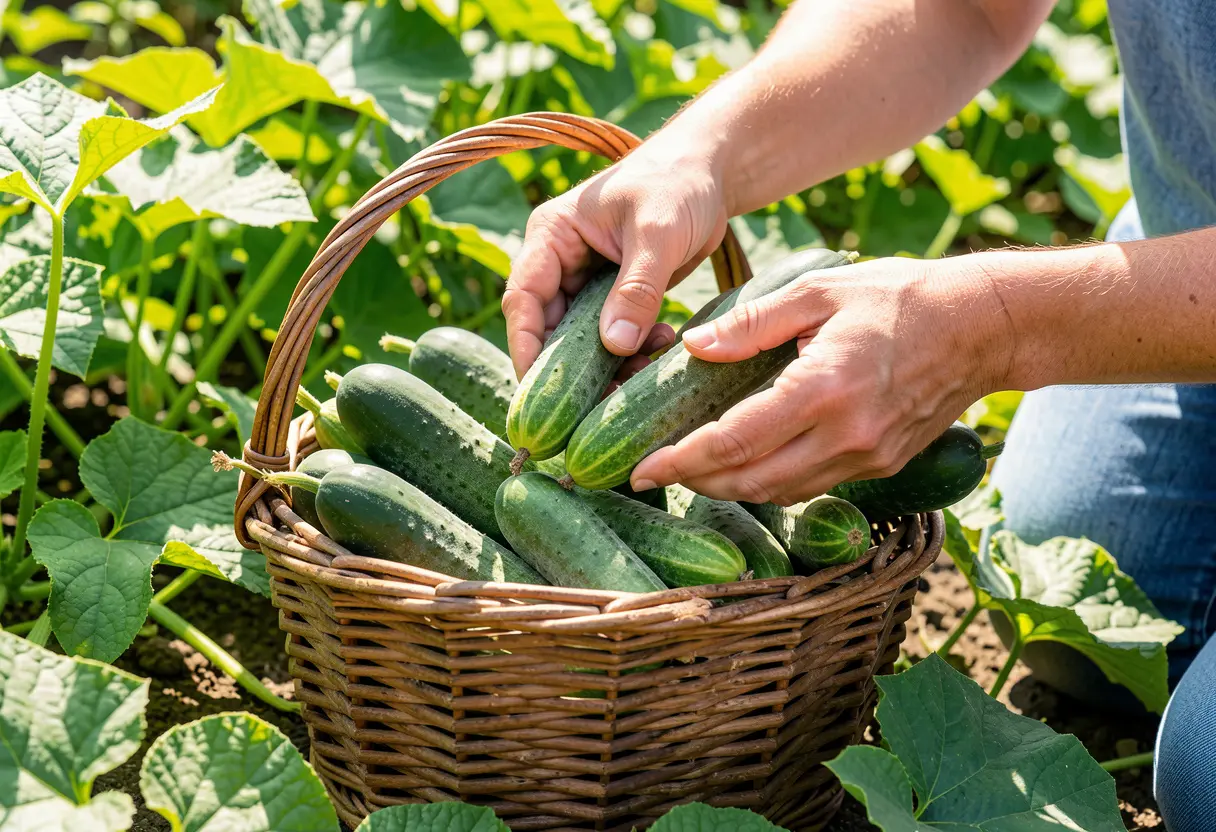
| Harvesting Basket | To collect and carry harvested lettuce. |
Ensure your tools are clean to avoid contamination. Sterilize them before and after use.
Follow these steps for a successful harvest:
Using the right techniques ensures your romaine lettuce stays fresh and tasty.
Proper post-harvest care is crucial to maintain the freshness of your romaine lettuce. After the harvest, taking the right steps ensures your lettuce stays crisp and delicious. Here’s what you need to do.
Washing your romaine lettuce is essential. Fill a large bowl with cold water. Gently place the lettuce leaves in the water. Swish them around to remove dirt.
After washing, dry the leaves thoroughly. Use a salad spinner or pat them dry with a clean towel. Moisture can cause the leaves to spoil faster.
Storing the lettuce properly extends its freshness. Place the dried leaves in a plastic bag. Add a paper towel to absorb excess moisture. Seal the bag and place it in the crisper drawer of your refrigerator.
To maximize the freshness of your romaine lettuce, check the leaves regularly. Remove any wilted or damaged leaves. This prevents the spread of spoilage.
Use the FIFO method (First In, First Out) for your lettuce. Always use the oldest leaves first. This ensures you consume them before they spoil.
If you notice any excess moisture in the storage bag, replace the paper towel. This helps maintain a dry environment, keeping your lettuce fresh longer.
| Action | Purpose |
|---|---|
| Washing | Remove dirt and bacteria |
| Drying | Prevent spoilage |
| Storing | Maintain freshness |
| Checking leaves | Avoid spread of spoilage |
| Replacing paper towel | Control moisture |
Following these steps ensures your romaine lettuce remains fresh and tasty. Enjoy your crispy, home-grown lettuce in salads, sandwiches, and more!
Harvesting romaine lettuce can be a rewarding experience. But many gardeners make common mistakes. These errors can reduce yield and damage plants. Here are some mistakes to avoid.
One common mistake is harvesting too early. Romaine lettuce needs time to mature. If you pick it early, the leaves will be small and bitter. Ensure the heads are fully grown. They should be firm and have a good shape. Check the size of the leaves. They should be around 6-8 inches tall. Use a ruler to measure them.
Another mistake is damaging the plants during harvest. Handle the plants gently. Use clean, sharp scissors or a knife. Cut the leaves at the base. Do not pull them. Pulling can damage the roots. This can affect future growth. Always cut the leaves carefully.
| Common Mistakes | How to Avoid |
|---|---|
| Harvesting Too Early | Wait until leaves are 6-8 inches tall. |
| Damaging Plants | Use clean, sharp tools to cut leaves. |
| Pulling Leaves | Cut leaves at the base, do not pull. |
Romaine lettuce is ready to harvest in 60-75 days.
Check for firm, elongated heads and dark green leaves.
Yes, you can cut outer leaves and let inner ones grow.
Use a sharp knife or garden shears for clean cuts.
Store in the refrigerator, wrapped in a damp paper towel.
Harvesting romaine lettuce is simple and rewarding. Follow our tips for crisp, fresh greens. Enjoy your homegrown produce. Grow, harvest, and savor the taste of success. Share your gardening journey with friends and family. Happy gardening!