Gardening Made Simple.
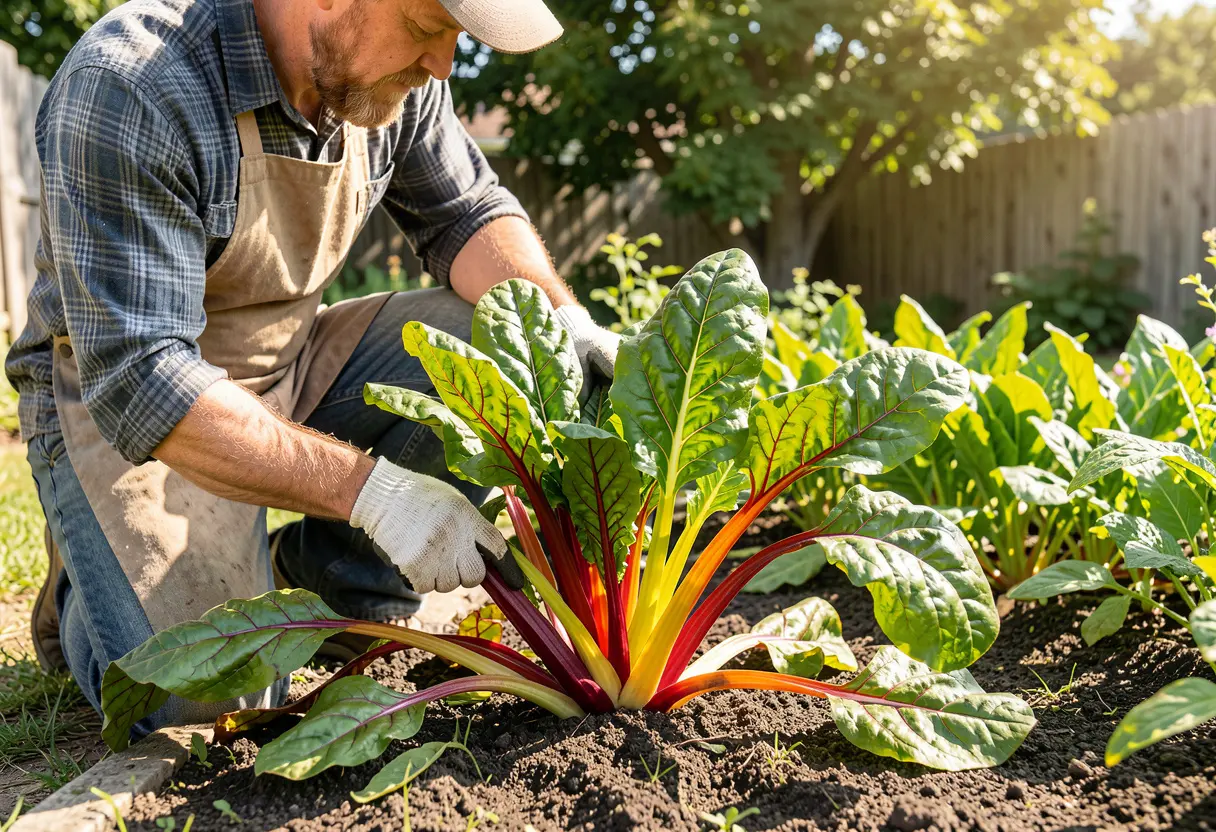
Are you ready to enjoy fresh, vibrant Swiss chard straight from your garden? Knowing how to harvest Swiss chard properly can make all the difference in taste, texture, and how long your leaves stay fresh.
Whether you’re a beginner or have some gardening experience, this guide will show you simple steps to pick the best leaves every time. Keep reading to discover easy tips that will help you get the most out of your Swiss chard and bring delicious, healthy greens to your table.

Choosing the right time to harvest Swiss chard is key for the best taste and texture. Picking too early or too late affects the leaves' flavor and nutrition. Knowing when the leaves are ready helps you enjoy fresh, tender greens every time.
Swiss chard leaves are ready to pick when they reach about 6 to 8 inches long. Look for firm, vibrant leaves with bright colors. Avoid leaves that look yellow or have holes. The stems should be thick but not woody. Young leaves are tender but small, while mature leaves provide better taste and nutrition.
Swiss chard grows best in cool weather. The best seasons to harvest are spring and fall. In these seasons, the leaves stay fresh longer and taste sweeter. Avoid harvesting in hot summer months, as leaves may become bitter. With regular picking during these seasons, your plants will keep producing fresh leaves for weeks.
Preparing your tools is the first step in harvesting Swiss chard smoothly. Having the right equipment makes the process easier and protects your plants. Clean and sharp tools help you cut without hurting the stems or leaves. This keeps your Swiss chard healthy and ready to grow more. Take some time to gather and prepare your tools before you start harvesting.
Use sharp scissors or garden shears to cut Swiss chard. Dull tools can crush the stems, causing damage. A small knife also works well for cutting close to the base. Have a basket or container to collect the leaves gently. Gloves can protect your hands from dirt and rough stems.
Sanitize your tools before and after harvesting. Use rubbing alcohol or a solution of water and bleach. This kills bacteria and fungi that can harm the plants. Wipe the blades clean with a cloth or paper towel. Regular cleaning stops diseases from spreading in your garden.
Harvesting Swiss chard correctly helps the plant grow longer and produce more leaves. Different methods suit different needs. Some prefer to take leaves gradually. Others harvest the whole plant at once. Both ways have benefits for your garden and kitchen.
This method means picking only the outer leaves. Cut leaves about 1 to 2 inches from the base. Leave the inner leaves to keep growing. This way, the plant stays healthy and keeps producing. Harvest leaves every few weeks for fresh greens. It works well for small spaces or continuous harvest.
Cut the entire Swiss chard plant near the soil line. Use sharp scissors or a knife for a clean cut. This method is best when plants are large and mature. After harvesting, the plant will not regrow. Use this method if you want all leaves at once. It provides a big batch for cooking or storage.

Proper handling and storage keep Swiss chard fresh and tasty. After harvesting, treat the leaves gently. This preserves their color, texture, and nutrients. Good care extends shelf life and reduces waste.
Rinse Swiss chard leaves under cool, running water. Remove dirt and debris carefully. Avoid soaking the leaves for long to prevent sogginess. Pat them dry with a clean towel or use a salad spinner. Dry leaves store better and stay crisp.
Store Swiss chard in the refrigerator’s crisper drawer. Wrap the leaves loosely in a damp paper towel. Place them inside a perforated plastic bag. Keep the temperature between 32°F and 36°F (0°C to 2°C). Avoid storing near fruits that release ethylene gas. This gas can cause the leaves to spoil faster.
Encouraging continuous growth in Swiss chard is key to enjoying fresh leaves all season. Regular care after each harvest helps the plant stay healthy. It also supports new leaf production quickly. Simple steps can keep your Swiss chard vibrant and productive for weeks.
After harvesting, remove any damaged leaves from the plant. This prevents disease and pests from spreading. Water the soil deeply but avoid soaking the leaves. Keep the area around the plant free of weeds. Mulching helps keep moisture in the soil and temperature steady. Check plants often for signs of stress or pests. Healthy plants recover faster and produce more leaves.
Swiss chard grows best with regular feeding. Use a balanced fertilizer with equal parts nitrogen, phosphorus, and potassium. Apply fertilizer every three to four weeks during the growing season. Avoid over-fertilizing, which can cause leaf burn. Organic options like compost or fish emulsion work well. Light feeding encourages steady, strong leaf growth. Fertilizing helps plants replace harvested leaves quickly and stay lush.
Harvesting Swiss chard usually goes well. Some common problems can affect the quality of your leaves. Knowing these issues helps you get the best harvest possible. Watch for signs early to keep your chard healthy and tasty.
Pests can harm Swiss chard leaves during harvest time. Look for holes or bite marks on leaves. Aphids and leaf miners often attack chard plants. They make the leaves look unhealthy and reduce yield. Use gentle washing to remove small pests. Inspect plants daily to catch pests early. Natural pest control methods protect your crop safely.
Yellow leaves can mean a problem with your Swiss chard. Often, yellowing shows a lack of nutrients or too much water. Older leaves turn yellow first and then die. Remove yellow leaves to keep the plant strong. Check soil moisture to avoid overwatering. Adding compost can improve nutrient levels. Healthy leaves mean a better, bigger harvest.

Swiss chard is ready when leaves are 6 to 8 inches long. The stems should be firm and colorful. Younger leaves taste milder and are best for picking.
Yes, you can harvest Swiss chard multiple times. Cut outer leaves about 1 to 2 inches above the ground. This lets new leaves grow back for another harvest.
Use clean scissors or a sharp knife to cut leaves. Cut close to the base but avoid damaging the crown. This helps the plant stay healthy and produce more leaves.
No, harvest only outer leaves and leave the inner ones. This allows the plant to keep growing and producing fresh leaves. Picking leaves regularly helps maintain plant health.
Harvest Swiss chard every 1 to 2 weeks for best results. Frequent picking encourages fresh growth and stops leaves from getting tough. Regular harvesting also prevents the plant from bolting early.
Harvesting Swiss chard is simple and rewarding. Pick leaves regularly to keep plants healthy. Choose the outer leaves first; they grow back fast. Use sharp scissors or knives for clean cuts. Avoid cutting the center to let new leaves grow.
Fresh Swiss chard tastes best when harvested young. Store leaves in a cool place to keep them fresh longer. Enjoy adding this nutritious green to your meals. With these easy steps, you can enjoy Swiss chard all season. Keep your garden thriving with regular harvesting.