Gardening Made Simple.

Are you ready to grow fresh green onions right in your own kitchen or garden? How to Plant Green Onions is easier than you might think, and with a little effort, you can enjoy crisp, flavorful onions straight from your home anytime.
Imagine having a steady supply of these vibrant greens at your fingertips, saving money and adding a touch of freshness to your cooking. In this guide, you’ll discover simple steps to plant and care for green onions, even if you’ve never gardened before.
Keep reading, and soon you’ll be harvesting your very own green onions with confidence!

Choosing the right green onions is important for a healthy garden. It helps to get good growth and tasty harvest. Knowing what type to pick saves time and effort. This section covers how to select seeds or sets and the best varieties for your space.
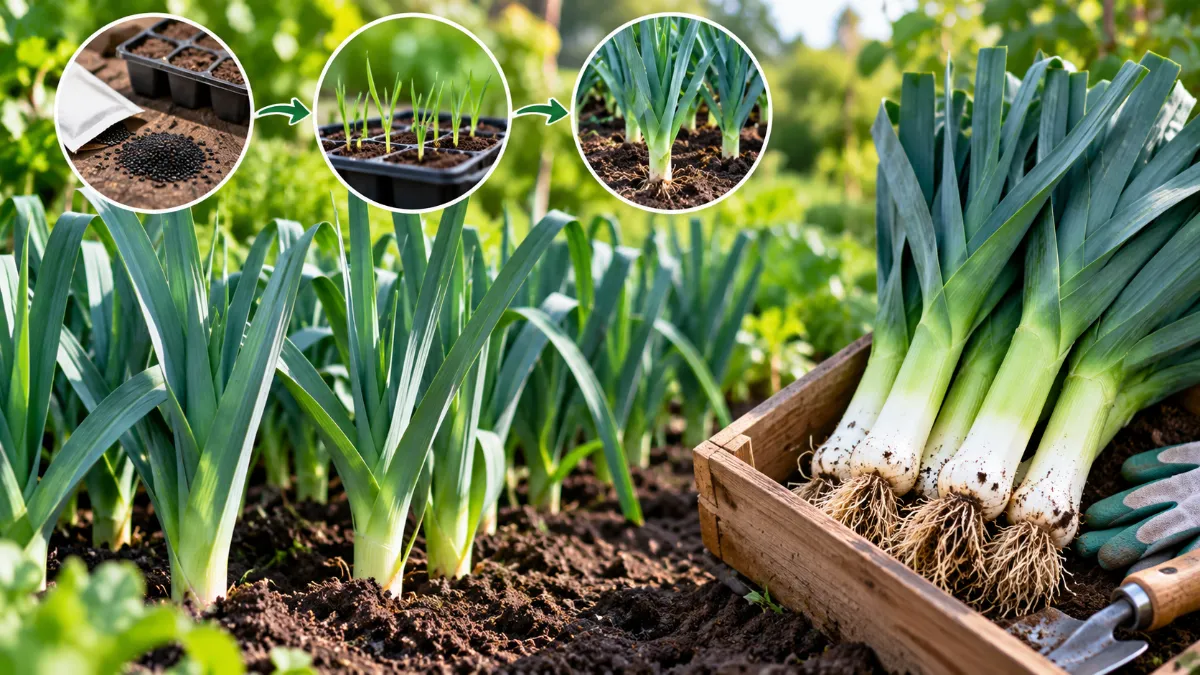
Green onions can grow from seeds or sets. Seeds are small and cheaper. They give more variety choices. Seeds take longer to grow, about 8 to 10 weeks. Sets are young onion bulbs. They grow faster and are easier for beginners. Sets cost more but give quicker results. Both work well. Choose based on your time and budget.
Some green onion types suit gardens better. 'White Lisbon' is common and grows well everywhere. It has long white stalks and mild flavor. 'Evergreen Hardy White' stays green longer. It resists cold weather and lasts in the garden. 'Tokyo Long White' has a sweet taste. It grows tall and thin. Pick a variety that fits your climate and taste. This choice helps your garden thrive.
Preparing the soil is the first step to growing healthy green onions. Good soil helps roots grow strong and plants absorb water and nutrients. It also stops weeds from taking over. Spend time making the soil ready. Your green onions will thank you.
Green onions grow best in loose, well-drained soil. Clay soil is too heavy and may hold too much water. Sandy soil drains well but may dry out quickly. A mix of loam is ideal.
The soil pH should be between 6.0 and 7.0. This range helps green onions take up nutrients easily. Test your soil with a simple pH kit. Adjust the pH if needed with lime to raise it or sulfur to lower it.
Green onions need nutrients to grow fast and healthy. Add compost to the soil before planting. Compost improves soil texture and adds organic matter.
Use a balanced fertilizer with nitrogen, phosphorus, and potassium. Nitrogen helps leaves grow green and strong. Mix the fertilizer well into the top 6 inches of soil. Avoid over-fertilizing. Too much fertilizer can harm the plants.
Planting green onions is simple and rewarding. These vegetables grow quickly and need little space. You can start them from seeds or sets. Green onions add fresh flavor to many dishes.
Plant green onions early in spring or late summer. They grow best in cool weather. Avoid planting during hot, dry months. Check your local frost dates before planting. Green onions can tolerate light frost.
Space green onions about 1 to 2 inches apart. Rows should be 12 to 18 inches apart. Plant bulbs or seeds 1 inch deep. Proper spacing helps air flow and prevents disease. Crowded plants grow poorly and produce small onions.
Use small sets or seeds for planting. If using sets, push them into soil up to the root base. For seeds, scatter lightly and cover with soil. Water gently after planting to settle soil. Keep soil moist but not soggy for best growth.

Caring for your green onions is simple and helps them grow strong. Proper care keeps them healthy and tasty. Follow these steps to give your green onions the best chance to thrive.
Green onions need consistent moisture. Water them gently every few days. The soil should stay damp but not soaked. Avoid letting the soil dry out completely. Early morning watering is best to reduce leaf diseases.
Use a balanced fertilizer every 3 to 4 weeks. Choose one with equal parts nitrogen, phosphorus, and potassium. Apply fertilizer lightly around the plants. Too much fertilizer can hurt growth. Organic compost also helps feed your green onions naturally.
Remove weeds around green onions regularly. Weeds compete for water and nutrients. Check plants for pests like onion flies and thrips. Use natural insect sprays if needed. Keep the garden clean to reduce pest problems.
Harvesting green onions is a simple and rewarding part of growing them. Knowing the right time to pick and how to handle them ensures fresh, tasty onions for your meals. Proper harvesting also helps the plants grow back quickly for multiple uses.
Green onions are ready to harvest when their white bulbs are about 1 inch wide. The green tops should be tall and firm, usually 6 to 8 inches high. Leaves look fresh and vibrant. Avoid yellow or wilted tops. The smell should be mild, not strong or rotten.
Use a small knife or scissors to cut green onions just above the soil line. Pulling the whole plant gently works too, especially if you want the whole bulb. Leave some roots in the soil to allow regrowth. Harvest in the morning for the best flavor and freshness.
Store green onions in the fridge wrapped in a damp paper towel inside a plastic bag. They last up to one week this way. Use fresh in salads, soups, or as a garnish. They add mild onion flavor and crunch. Green tops and white bulbs are both edible.

Growing green onions is simple, but some problems can arise. Knowing how to fix these issues helps keep your plants healthy. This section covers common troubles and easy ways to solve them.
Pests like onion maggots and thrips can harm green onions. Check plants often for small holes or spots on leaves. Use insecticidal soap or neem oil to control bugs safely. Remove damaged leaves to stop pests from spreading. Planting green onions away from other crops reduces pest problems.
Diseases such as fungal infections can stunt green onion growth. Avoid overwatering to keep soil from staying too wet. Water plants at the base, not the leaves, to reduce fungus risk. Use well-draining soil and space plants well for good air flow. Remove and discard any diseased plants quickly.
Yellow leaves or small bulbs show growth problems. These often come from poor soil or lack of nutrients. Add compost or balanced fertilizer to help plants grow strong. Make sure green onions get at least 6 hours of sunlight daily. Thin crowded plants to give each enough space.
Green onions usually grow fully in 3 to 4 weeks after planting.
Yes, you can regrow green onions by planting the white root ends.
Use loose, well-drained soil rich in organic matter for best growth.
Water green onions regularly to keep the soil moist but not soggy.
Green onions can grow well indoors with enough sunlight and proper care.
Planting green onions is simple and rewarding. You only need soil, water, and sunlight. They grow quickly and add fresh flavor to meals. Regular care helps them stay healthy and strong. Harvest by cutting the green tops when ready. Growing your own green onions saves money and time.
Try planting them in small pots or your garden. Enjoy fresh green onions anytime you want. Gardening can be fun and easy for everyone. Give it a try and watch your green onions grow!