Gardening Made Simple.

Are you tired of watching your squash plants wilt and die without knowing why? The squash vine borer might be the silent enemy destroying your garden. How to Prevent Squash Vine Borer is essential knowledge for any gardener who wants healthy, productive plants, and with the right strategies, you can protect your squash before serious damage begins.
If you want to protect your harvest and enjoy healthy, thriving squash plants, you need to act now. This guide will show you simple, effective ways to stop squash vine borers before they ruin your hard work. Keep reading to learn how you can save your garden and grow squash with confidence.
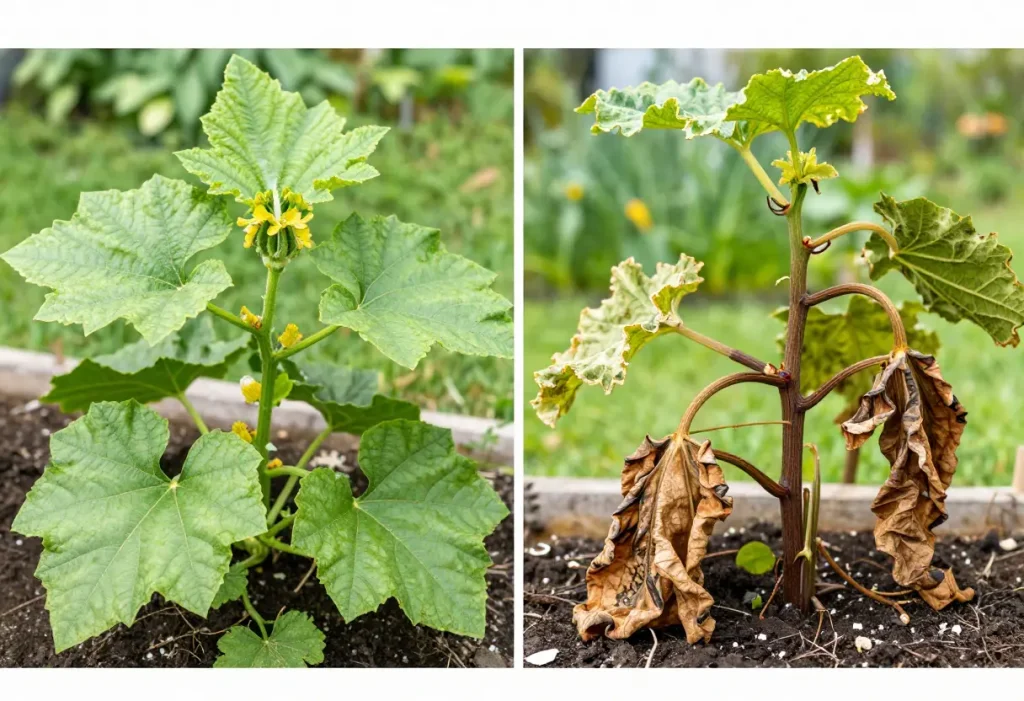
Identifying squash vine borer early helps protect your plants. Catching signs early saves your squash from serious damage. Understanding the pest’s life cycle supports effective prevention.
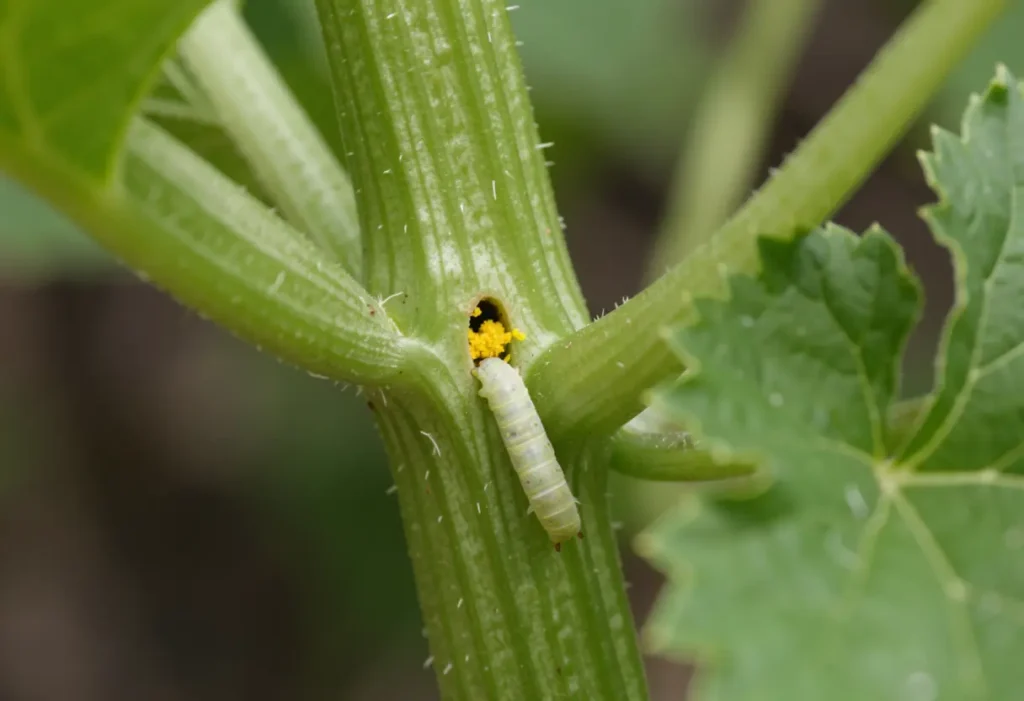
Look for sudden wilting of squash leaves. The plant may droop even with enough water. Check the base of the vine for holes. Small, round holes are entry points for borers.
You might see sawdust-like material near the holes. This frass indicates larva activity inside the stem. Plants may develop yellowing leaves and weak vines. These are clear signs of squash vine borer damage.
The squash vine borer starts as an adult moth. The moth lays eggs at the vine’s base. Eggs hatch into larvae that burrow inside the stem. Larvae feed inside, disrupting water flow to the plant.
After feeding, larvae leave the stem to pupate in the soil. Adult moths emerge to continue the cycle. Knowing this cycle helps time your control methods. Early detection and intervention stop the pest from spreading.
Choosing resistant varieties is a smart way to protect your squash plants from vine borers. These varieties have natural traits that help them fight off pests. Growing resistant types can reduce damage and increase your harvest.
Resistant squash plants survive better and need fewer pesticides. This saves time and keeps your garden healthy. It also lowers the chance of vine borers ruining your plants.
Resistant varieties are types of squash bred to resist vine borer attacks. They have tougher stems or produce chemicals that pests avoid. These traits stop borers from laying eggs or feeding on the plant.
Some squash types naturally resist vine borers. Examples include butternut, delicata, and certain zucchini breeds. These varieties show fewer signs of damage and grow strong in most gardens.
Seeds for resistant squash varieties are available online and at garden centers. Look for labels that mention pest resistance or vine borer tolerance. Choosing the right seeds is the first step to a healthy garden.
Resistant varieties reduce the need for chemicals. They save you work and protect beneficial insects. These plants often grow better and produce more fruit despite pest pressure.
Plant timing is a key method to stop squash vine borers from harming your garden. Changing when you plant can reduce the risk of these pests. Careful planning helps keep your squash healthy and strong.
Understanding the life cycle of the squash vine borer helps choose the best planting time. Adjusting your schedule can avoid the peak egg-laying period of the borers. This reduces the chance of infestation and damage.
Planting squash early in the season can keep plants safe. The young plants grow before the borers become active. This gives squash a head start to develop strong vines.
Early growth means plants are less likely to be attacked. Squash can mature before borers lay eggs. This method lowers the risk of losing your crop.
Planting squash at different times spreads out the risk. If borers attack one group, others may still grow well. This method creates a backup plan for your harvest.
Staggered planting also helps monitor pest activity. You can spot borers early on and act quickly. This way, you protect more plants over time.
Physical barriers stop squash vine borers from reaching the plants. These barriers block the insects from laying eggs on the stems. They protect the plant without using chemicals. Using physical barriers is a natural way to keep your garden safe.
Row covers are lightweight fabrics placed over plants. They keep insects away by creating a protective shield. Cover your squash plants before borers appear. Secure edges tightly to stop moths from getting inside. Row covers allow light and water but block pests. Remove covers only during flowering for pollination.
Wrap the base of the squash stem with material like aluminum foil. This stops moths from laying eggs on the stem. Use soft cloth or paper towel wrapped tightly around the stem. Secure with tape or a rubber band. Check wraps regularly for damage. Replace if torn to keep the barrier strong.
Natural predators and beneficial insects play a key role in controlling squash vine borers. These helpful bugs reduce borer numbers by attacking their eggs or larvae. Using them supports a healthy garden and lessens the need for chemicals. Encouraging natural enemies is a smart, eco-friendly way to protect your squash plants.
Parasitoids lay eggs inside or on squash vine borer larvae. Their young feed on the borers, killing them. To attract parasitoids, plant flowers like dill, fennel, and yarrow nearby. These plants provide nectar and shelter for the beneficial insects. Avoid broad insecticides that can harm parasitoids. Creating a welcoming habitat increases natural control of vine borers.
Pollinators such as bees visit squash flowers and nearby blossoms. They help fruits grow strong and healthy. Pollinators also attract predators that hunt squash vine borers. Grow diverse flowers with different colors and bloom times. This variety supports many beneficial insects all season. Healthy pollinator populations boost garden balance and squash success.
Hand removal is a simple and effective way to stop squash vine borers. It helps save plants without using chemicals. Careful checking and gentle handling are key. This method works best early in the season, before the damage spreads.
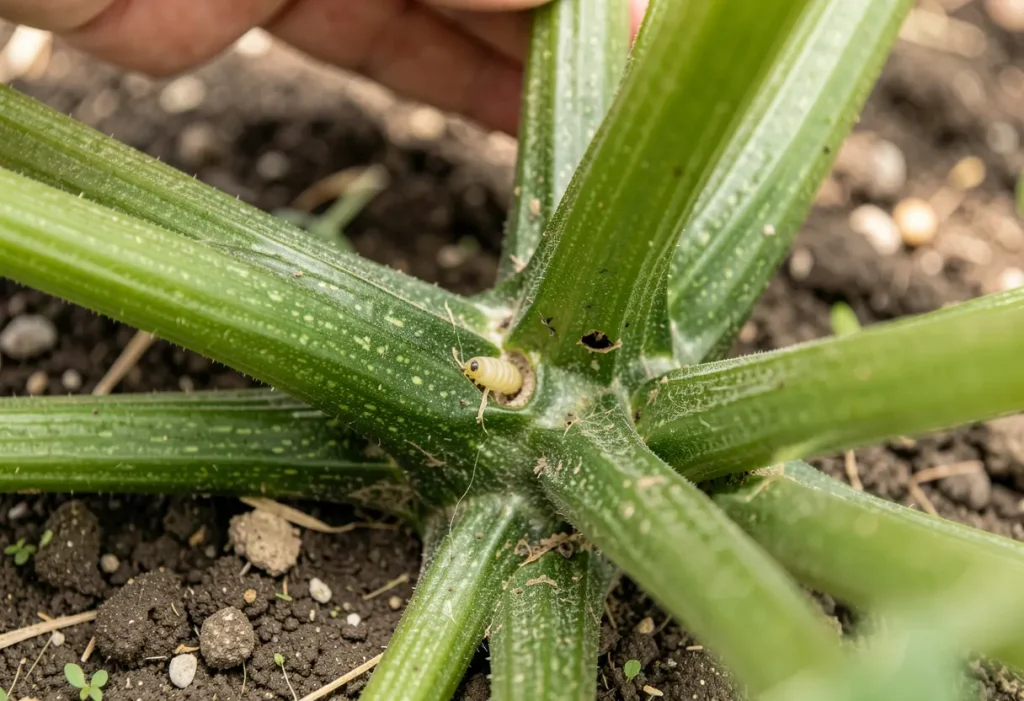
Look for small holes at the base of the squash stem. Sawdust-like material near the holes shows larvae activity. Cut the stem gently to find the white, fat larvae inside. Check plants often for these signs. Early detection helps protect your squash plants.
Use a small knife to open the stem carefully. Remove the larvae with tweezers or your fingers. Avoid damaging the main stem to keep the plant healthy. After removal, cover the cut area with soil or tape. This protects the plant from pests and diseases.
Controlling squash vine borers is key to protecting your plants. Organic and chemical methods both help reduce damage. Choose the right approach for your garden style. Both methods target the borer larvae before they harm the vines.
Organic controls use natural substances. They are safer for the environment and beneficial insects. Chemical controls use specific insecticides to kill borers quickly. Use them carefully to avoid harming your plants and soil.
Neem oil works as a natural insect repellent and insecticide. Spray it on the base of the squash plant and leaves. Neem oil disrupts the borer’s growth and feeding habits. Apply every 7 to 10 days during the growing season. It also protects against other pests and fungal diseases.
Use neem oil in the early morning or late evening. Avoid spraying under direct sunlight to prevent leaf burn. Consistent use reduces borer populations and plant damage.
Targeted insecticides kill squash vine borer larvae effectively. Choose products labeled for squash vine borer control. Apply insecticides at the plant base where moths lay eggs. Spray when adult moths are active, usually early summer.
Timing is crucial. Apply insecticides before larvae enter the vine. Repeat applications may be necessary for full protection. Always follow label instructions for safe and effective use.
Soil and garden maintenance plays a key role in preventing squash vine borers. Healthy soil supports strong plants that resist pests better. Keeping your garden clean reduces places where pests can hide and breed.
Good maintenance helps stop the squash vine borer's life cycle. It lowers the chance of eggs and larvae surviving in your garden soil. Proper care keeps your squash plants healthier and more productive.
Crop rotation means planting different crops in the same soil each season. This practice breaks the pest cycle by confusing squash vine borers. They cannot find their favorite plants easily.
Rotating crops also improves soil health. Different plants use and add nutrients in various ways. This balance helps squash plants grow stronger and resist pests.
Remove all old plant debris from the garden after harvest. Squash vine borer larvae hide and survive in leftover vines and stems. Clearing debris removes their shelter and food source.
Compost or discard the debris far from your garden. This step reduces the chance of reinfestation next season. Clean garden beds create a safer environment for squash plants.
Squash vine borers are pests that damage squash plants. They lay eggs on stems, and larvae eat inside. Preventing them keeps plants healthy and fruit safe.
Look for wilting leaves and holes at the stem base. Sawdust-like material near stems also signals borers. Early spotting helps save your plants.
Use neem oil sprays or introduce beneficial insects like parasitic wasps. Crop rotation and row covers also help. These methods reduce borer numbers safely.
Start protection early in spring, before plants grow large. Borers lay eggs soon after. Early care prevents larva damage.
Yes. Moving squash plants to different spots stops borers from building up. It breaks their life cycle and lowers pest risk.
Preventing squash vine borer protects your plants and yields. Keep your garden clean and check plants often. Use barriers like row covers to stop moths. Handpick eggs or larvae when you spot them early. Crop rotation helps reduce the borer population each year.
Healthy plants resist pests better and grow strong. Small steps make a big difference over time. Stay patient and consistent for best results. Your squash will thrive with careful care and watchfulness.