Gardening Made Simple.
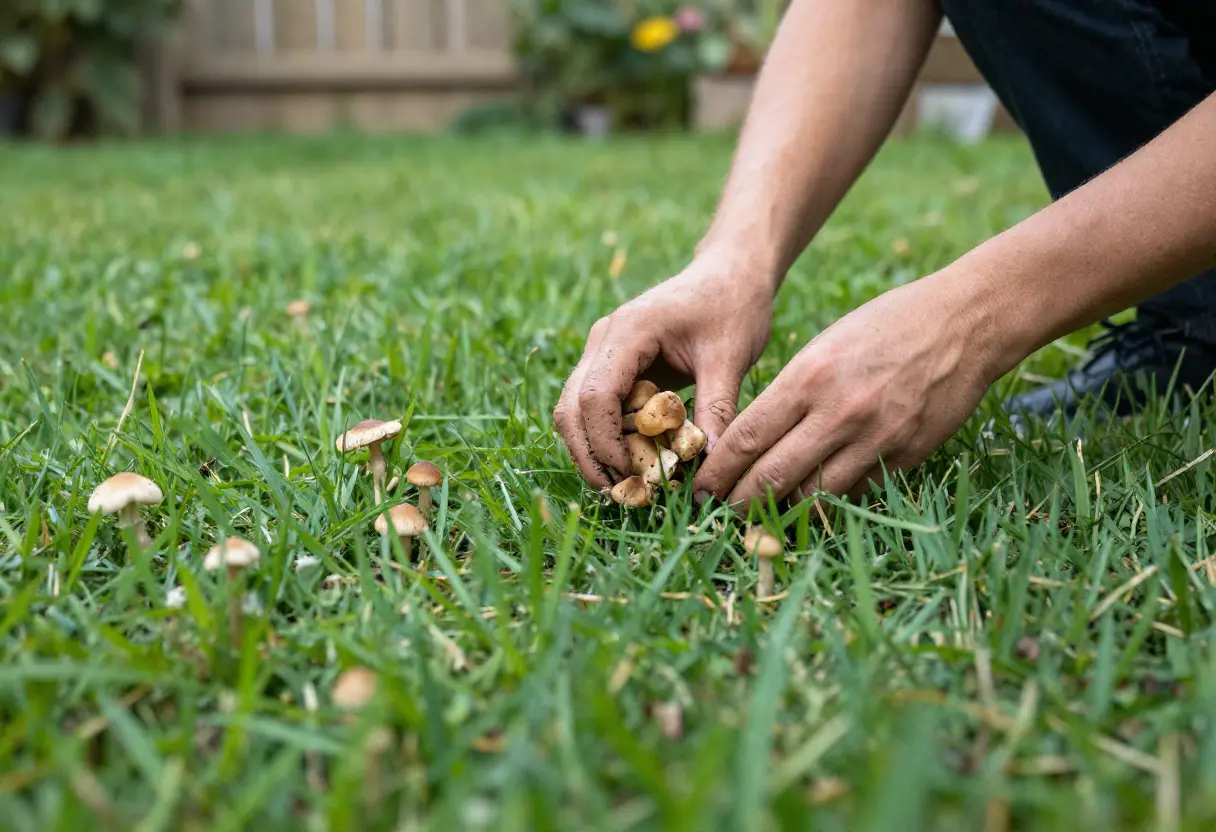
Are you tired of seeing mushrooms pop up all over your lawn? If so, learning How to Stop Mushrooms from Growing in Lawn can help you protect your grass and keep your yard looking lush. These fungi may seem harmless, but left unchecked, they can quickly turn your beautiful lawn into an unwelcome mushroom patch.
Not only do they look unpleasant, but they can also signal deeper issues with your lawn’s health. The good news is, you don’t have to live with them. You’ll discover simple and effective ways to stop mushrooms from growing in your lawn for good.
Keep reading, and take control of your yard today!
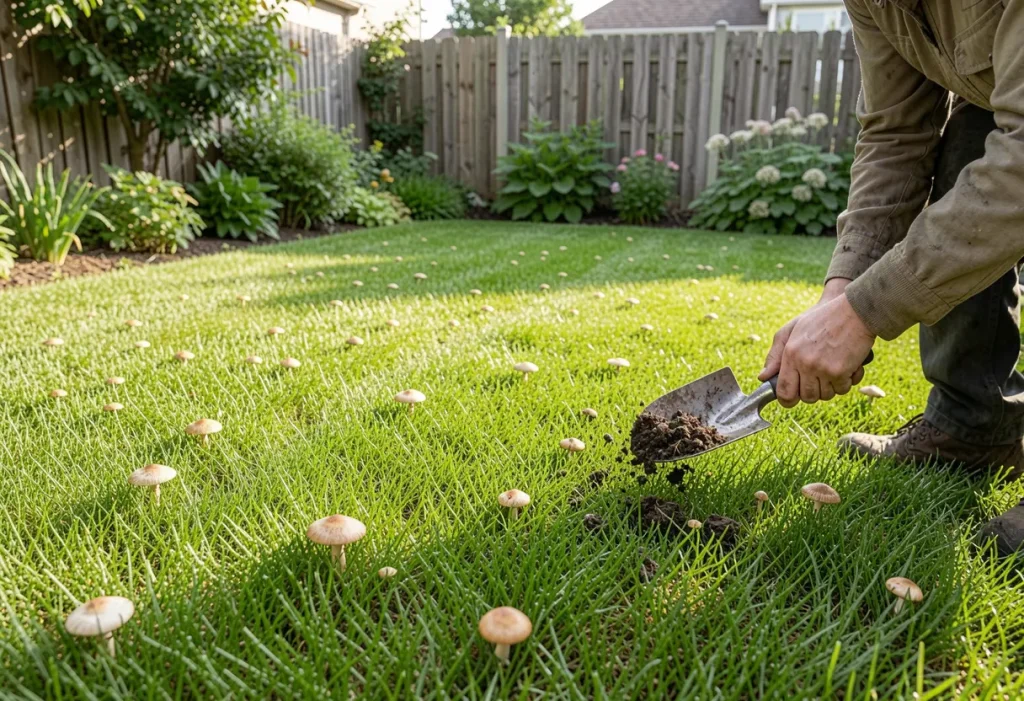
Mushrooms growing in your lawn can be surprising. They appear suddenly and spread quickly. Understanding why mushrooms grow helps control them better. Several factors cause mushrooms to thrive in grass areas. These causes relate to moisture, organic material, and soil health.
Mushrooms need damp places to grow. Lawns that stay wet for long invite mushroom growth. Shade keeps soil cool and moist. Trees or tall plants block sunlight. This creates the perfect wet and dark spot. Mushrooms like these conditions for their spores to sprout.
Old leaves, grass clippings, and wood pieces break down in soil. This decaying matter feeds fungi underground. Mushrooms are the fruit of this fungal growth. Lawns with lots of dead plants or buried wood often have mushrooms. This organic material acts as food for the fungi.
Fungi prefer soil rich in nutrients and organic content. Soft, loose soil with good drainage supports fungal growth. Compacted or poor soil slows fungi but does not stop them. Lawns with balanced pH and healthy soil life encourage mushrooms. The right soil conditions help fungi spread and produce mushrooms.
Mushrooms in your lawn can be surprising and confusing. Identifying them helps decide the next steps. Some mushrooms are harmless, while others can be dangerous. Knowing how to spot different types is important for safe lawn care.
Several mushrooms grow often in lawns. Puffballs are round and white, and they release dust-like spores. Fairy rings form circular patterns and are usually dark or greenish. Ink caps have thin caps that dissolve into black liquid. These types appear after rain or in damp areas.
Not all lawn mushrooms are safe to eat. Edible mushrooms usually have firm caps and no bright colors. Toxic mushrooms can have bright colors or warts on their caps. Some toxic types smell bad or have a slimy feel. Never eat mushrooms unless you are sure they are safe.
Mushrooms growing quickly or in large groups need attention. If pets or children play on the lawn, be extra careful. Mushrooms that cause skin irritation or bad smells should be removed. Persistent mushrooms may indicate soil problems or too much moisture.
Removing mushrooms immediately helps keep your lawn healthy. Mushrooms can spread spores quickly. Taking them out stops new ones from growing fast. Act as soon as you see them. This way, you control the problem early.
Wear gloves to protect your skin. Gently pull mushrooms from the base. Avoid breaking them to keep spores contained. Use a small tool if needed. Place mushrooms in a container to carry them away.
Do not compost mushrooms; spores survive there. Seal them in a plastic bag. Throw the bag in the trash outside. Burning mushrooms is another option. This prevents spores from spreading in your yard.
Clean tools and gloves after use. Wash your hands thoroughly. Avoid cutting mushrooms with a mower. Mowing spreads spores into the air. Keep lawn dry to reduce mushroom growth.
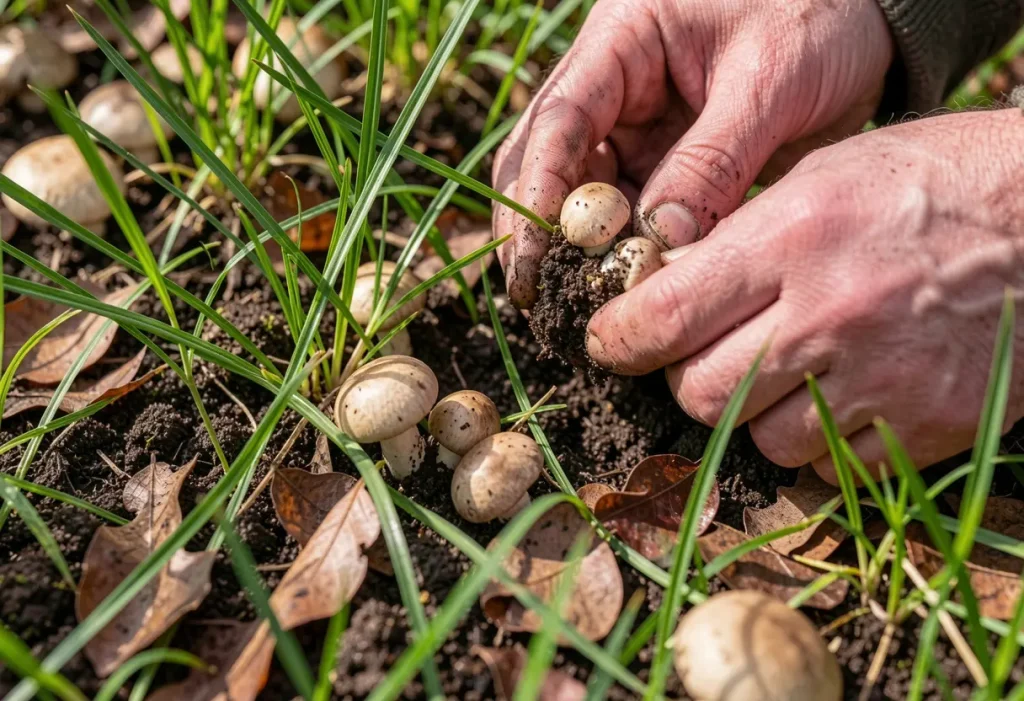
Good lawn care helps stop mushrooms from growing. Mushrooms thrive in damp, shady, and poorly maintained lawns. Keeping your lawn healthy and dry reduces their chance to appear. Follow these lawn maintenance tips to keep mushrooms away and enjoy a clean, green yard.
Water your lawn early in the morning. This allows grass to dry during the day. Avoid watering in the evening or at night. Too much moisture encourages mushroom growth. Use a sprinkler that gives even water coverage. Water deeply but less often to keep roots strong.
Check your lawn for wet or soggy spots. Poor drainage creates perfect mushroom conditions. Add sand or organic matter to improve soil drainage. Aerate your lawn to help water move through soil. Fix low areas where water collects after rain. Better drainage keeps the lawn dry and healthy.
Remove fallen leaves, grass clippings, and debris often. Mushrooms feed on decaying organic matter. Rake your lawn regularly to break up thatch buildup. Keep the lawn clear to reduce mushroom food supply. Clean tools and mowing equipment to avoid spreading spores.
Soil treatment is key to stop mushrooms from growing in your lawn. Mushrooms thrive in moist, compact, and nutrient-rich soil. Treating the soil can reduce these conditions and keep mushrooms away. Simple steps can improve soil health and limit fungal growth.
Aerating your lawn helps air reach the soil. It breaks up compacted soil, allowing water to drain better. Mushrooms do not like dry, well-aerated soil. Aeration also helps grass roots grow strong. Use a lawn aerator to make small holes in the soil. This process reduces moisture pockets where mushrooms grow.
Mushrooms prefer slightly acidic soil. Testing your soil’s pH is important. Aim for a neutral pH between 6 and 7. Use lime to raise pH if soil is too acidic. Lower pH with sulfur if soil is too alkaline. Balanced pH creates a less friendly environment for mushrooms. It also promotes healthy grass growth.
Fungicides can reduce mushroom growth but use them carefully. Choose products labeled safe for lawns. Follow instructions exactly to avoid harming grass or pets. Apply fungicides after mowing and watering the lawn. Avoid overuse; it can damage beneficial soil organisms. Fungicides work best combined with good lawn care practices.
Stopping mushrooms in your lawn starts with preventing their future growth. Mushrooms thrive on decaying organic matter and damp, shady spots. Changing these conditions helps keep mushrooms away. Focus on cleaning your lawn, improving sunlight, and picking the right grass type. These steps make your lawn less friendly to mushrooms.
Clear fallen leaves, grass clippings, and dead plants regularly. Organic debris provides food for mushrooms. Removing it cuts their food supply. Rake your lawn often to keep it clean. Compost or dispose of debris far from the lawn. This simple habit stops mushrooms from growing back.
Mushrooms like dark, damp places. Let sunlight reach your lawn by trimming overhanging branches. Thin thick shrubs that block light. Sunlight dries the soil and slows mushroom growth. Use a lawn mower to keep grass short. Short grass lets sunlight reach the soil better.
Some grass types resist mushrooms better than others. Choose grasses that grow thick and dense. They cover the soil well and reduce damp spots. Kentucky bluegrass and tall fescue are good choices. Ask local garden centers for grasses that suit your area. Strong grass means less space for mushrooms to grow.
Mushrooms in your lawn can be tricky to handle alone. Sometimes, these fungi keep coming back no matter what you do. Knowing when to get professional help can save your lawn and your time. Experts can spot hidden problems and offer the right solutions. Here are signs that it’s time to call a lawn care professional.
When mushrooms keep growing again and again, it shows a deeper problem. Regular removal might not stop them. This persistence could mean your lawn has decaying organic matter or poor drainage. Professionals can identify the root cause and suggest long-term fixes. Don’t ignore constant mushroom growth; it can damage your grass.
Experts check your lawn’s overall health to find weak spots. They look at soil quality, moisture levels, and grass condition. These checks help understand why mushrooms thrive there. A healthy lawn resists fungi better. Professionals provide clear advice on improving soil and grass. This helps prevent mushrooms and makes your lawn stronger.
Professionals use safe and effective treatments to control lawn fungi. They have access to fungicides not sold in stores. These treatments target mushroom spores without harming grass. Experts also guide you on lawn care routines that stop fungi growth. Their services ensure mushrooms don’t come back quickly. Trust them for a clean, mushroom-free lawn.
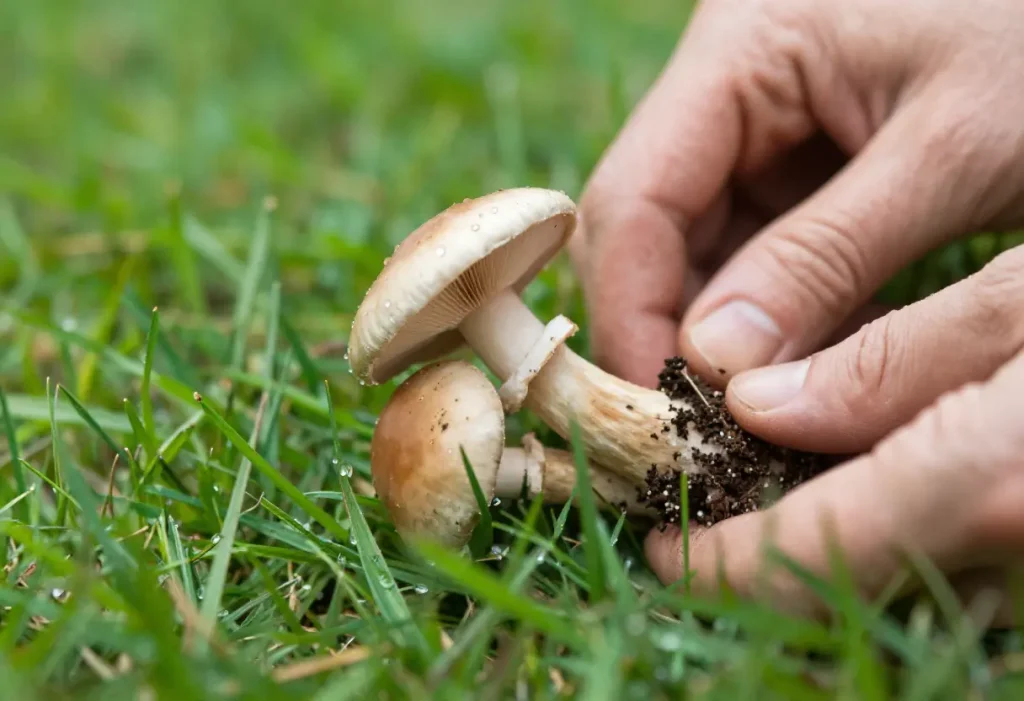
Mushrooms grow due to moist soil, shade, and decaying organic matter in your lawn.
Keep the lawn dry, remove dead plants, and improve soil drainage to stop mushrooms.
Some mushrooms are toxic. It’s best to keep children and pets away from them.
Mowing alone does not stop mushrooms but helps keep the lawn healthy and tidy.
Chemical use is not recommended. Natural methods and good lawn care work best.
Stopping mushrooms from growing in your lawn takes time and care. Keep your grass healthy and remove any dead plants quickly. Make sure your lawn drains well and does not stay wet. Rake the lawn often to get rid of old leaves and debris.
These small steps help reduce mushrooms naturally. Remember, mushrooms are a sign of healthy soil but can be unwanted in your yard. With patience and regular care, you can enjoy a clean, mushroom-free lawn all year. Simple actions make a big difference.
Keep at it!