Gardening Made Simple.
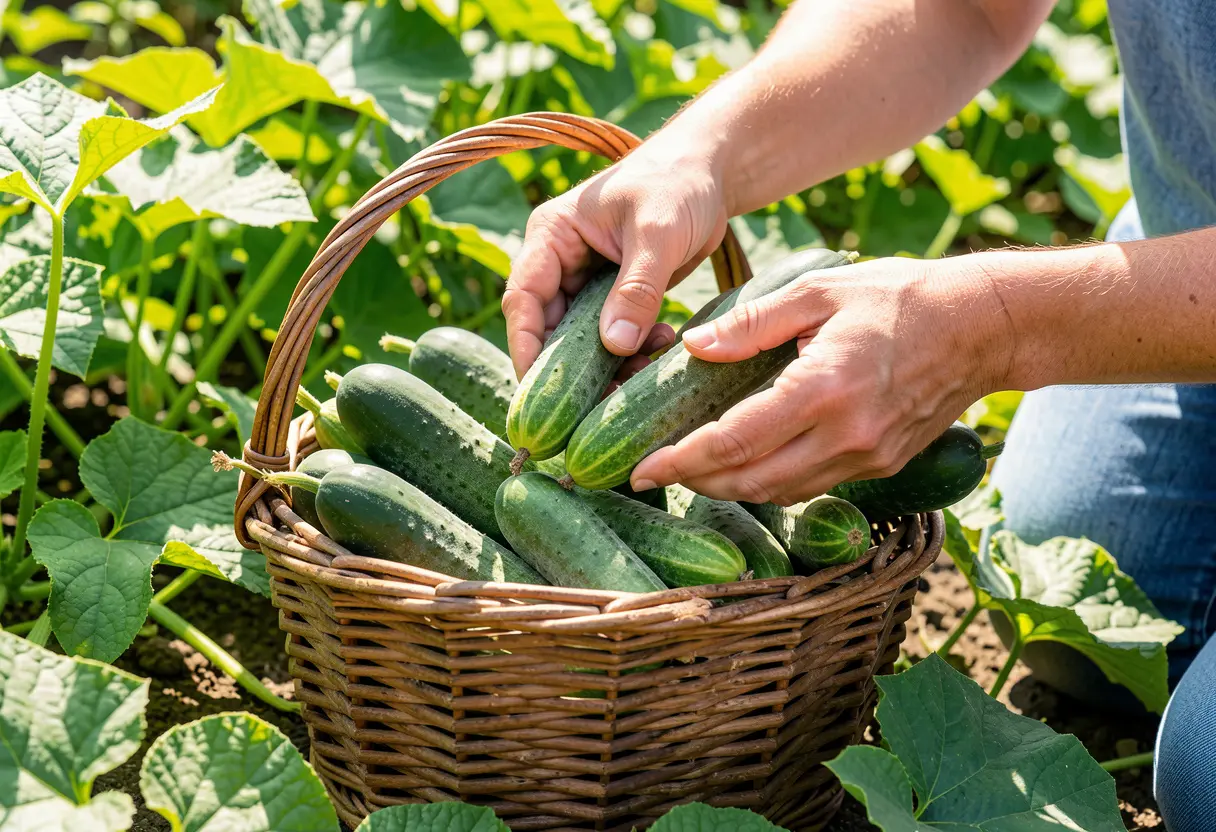
Are you tired of biting into a cucumber only to find it bitter or mushy? Knowing exactly when your cucumber is ripe can make all the difference in taste and texture. How to Tell If Cucumber is Ripe is an essential skill for any gardener or home cook who wants crisp, flavorful results every time. By learning the visual signs, size indicators, and timing tips, you can harvest cucumbers at their peak freshness and enjoy the best possible flavor from your garden.
But how can you be sure if your cucumber is ready to eat? You’ll discover simple, practical tips to tell if your cucumber is perfectly ripe every time. By the end, you’ll never have to guess again—and your salads and snacks will thank you.
Keep reading to learn the easy signs that show your cucumber is just right.

Color gives the first sign of cucumber ripeness. It helps decide if the cucumber is ready to eat. The shade of green shows freshness and taste. Knowing the right color saves from eating sour or bitter cucumbers.
The best cucumbers have a deep, rich green color. This green should be even across the skin. Avoid cucumbers with pale or dull green shades. Bright, dark green means the cucumber is fresh and crisp. This color signals the cucumber is full of flavor and juice.
Yellow spots on cucumbers mean they are overripe. Yellowing shows the cucumber is old or starting to spoil. This color change affects taste and texture. Overripe cucumbers can be bitter and mushy. Always pick cucumbers with no yellow patches for the best eating experience.
Size matters when deciding if a cucumber is ripe. The right size tells you a lot about its taste and texture. Picking cucumbers at the perfect size means you get the best crunch and flavor. Too small, and the cucumber might be underdeveloped. Too big, and it could be bitter or mushy.
Cucumbers come in many types, each with its usual size. English cucumbers often grow to 12 inches long. Pickling cucumbers are shorter, usually 3 to 5 inches. Slicing cucumbers are medium, around 6 to 9 inches. Knowing these typical lengths helps you spot the perfect cucumber for your needs. Check the seed packet or plant label for size clues.
Very large cucumbers can be overripe. Overripe cucumbers often have large, hard seeds. Their skin may feel tough or waxy. The taste might turn bitter or watery. Avoid cucumbers that look bloated or have dull color. Picking cucumbers before they get too big ensures better taste and texture.
The texture and firmness of a cucumber tell a lot about its ripeness. A ripe cucumber feels fresh and firm, not soft or mushy. It should have a nice crunch when you press it gently. Texture gives clues about how good the cucumber will taste and feel when eaten.
Hold the cucumber in your hand and press it lightly. A crisp cucumber feels firm but not hard. It should not bend easily. The skin should feel smooth and tight. Crispness means the cucumber is fresh and ready to eat. This texture makes it perfect for salads and snacks.
Check the cucumber carefully for soft spots or wrinkles. Soft areas mean the cucumber is overripe or starting to spoil. Wrinkles show it has lost moisture and freshness. Avoid cucumbers with these signs. They will taste bitter or be mushy inside. A good cucumber stays firm and smooth all over.

The shape and appearance of a cucumber give clear signs of its ripeness. A ripe cucumber usually has a firm texture and a fresh look. Checking its shape and surface helps to pick the best one from the bunch. These details show the cucumber's quality and taste.
A ripe cucumber has a uniform shape. It is straight and not bent. The smooth skin feels firm when pressed lightly. Avoid cucumbers with soft or wrinkled areas. Uniform size also suggests even ripeness. Small bumps can be normal but should not be too rough.
Check the cucumber for dark spots or blemishes. These marks can mean it is overripe or damaged. Yellow spots show the cucumber is past its best. Small white spots are usually harmless. Avoid cucumbers with large bruises or moldy patches. Clean, unbroken skin indicates freshness.
Touch and weight reveal much about a cucumber's ripeness. Feeling the cucumber helps know its freshness and water content. Weight gives clues about its juiciness and readiness to eat.
A ripe cucumber feels heavy for its size. Hold it in your hand and compare with others. Heavier cucumbers usually have more water inside. This means they are fresh and ready to eat. Light cucumbers might be old or drying out.
Press the cucumber gently with your fingers. It should feel firm but slightly soft. Too hard means it is not ripe yet. Too soft or mushy means it is overripe. Moist cucumbers have a slight give and feel cool to touch.
Harvest timing is key to enjoying fresh, tasty cucumbers. Picking cucumbers at the right moment ensures the best flavor and texture. Knowing when to harvest helps avoid overripe or bitter cucumbers. This section shares simple tips to pick cucumbers at their peak.
Pick cucumbers early in the morning. The cooler temperatures help keep cucumbers crisp and fresh. Morning harvest reduces water loss from the fruit. Avoid picking during the hot afternoon to prevent wilting. Early picking also gives cucumbers time to firm up before heat sets in.
Check the cucumber’s size and color first. It should be a vibrant green and firm to touch. Look for a smooth surface without wrinkles or soft spots. The flower end should still be attached or just fallen off. The plant’s leaves may start to yellow when fruits are ready. These signs show cucumbers are ripe and ready to pick.
Knowing when to pick cucumbers is key to enjoying fresh and tasty produce. Many people make simple mistakes that hurt the flavor and texture of cucumbers. Avoid these common errors to get the best results from your garden or market.
Picking cucumbers before they are fully ripe is a common mistake. Immature cucumbers are often small and hard. They might taste bitter or lack sweetness. Wait until cucumbers reach full size but are still firm. This ensures better taste and crunchiness. Harvesting too soon can waste your effort and reduce enjoyment.
Many miss important visual clues that show ripeness. Look for a bright, even green color. Avoid cucumbers with yellow spots or dull skin. These signs mean the cucumber is overripe or old. Check the skin texture too. It should be smooth, not wrinkled or soft. Paying attention to these signs helps pick the best cucumbers every time.

A ripe cucumber is firm, dark green, and smooth. Avoid cucumbers with yellow spots or soft areas.
Look for a rich, deep green color. Pale or yellowish cucumbers are usually overripe or old.
Ripe cucumbers feel firm to the touch. Softness can mean they are old or starting to spoil.
Size helps but is not the only sign. A medium to large cucumber with good color is ripe.
Seeds inside a ripe cucumber are small and soft. Large, hard seeds suggest it is overripe.
Knowing how to tell if a cucumber is ripe helps you pick the best ones. Look for firm skin and a bright green color. Avoid cucumbers with soft spots or yellow patches. A ripe cucumber tastes fresh and crunchy. Practice these simple tips to enjoy tastier cucumbers every time.
Fresh cucumbers make salads and snacks more delicious. Keep these signs in mind when shopping or harvesting. Your meals will benefit from choosing ripe, healthy cucumbers. Simple steps lead to better eating.