Gardening Made Simple.
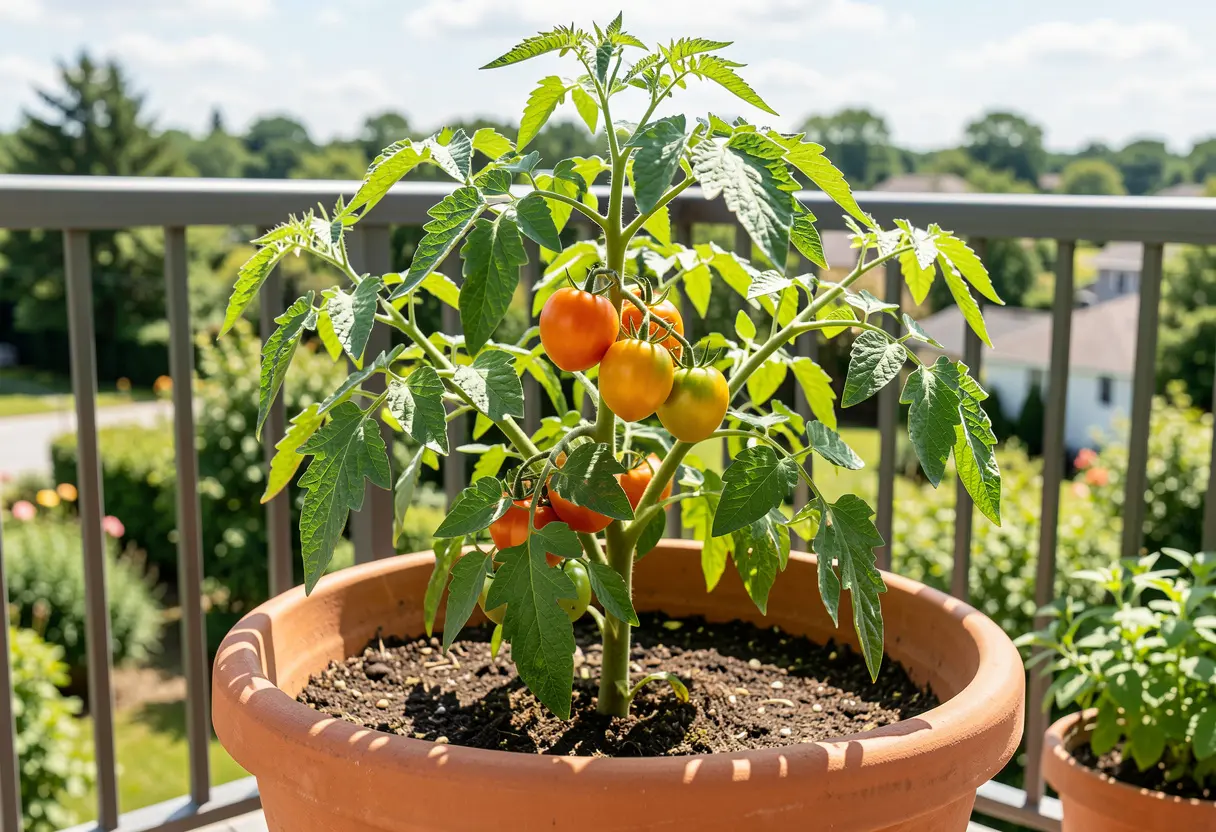
Are you ready to grow your own fresh Roma tomatoes right on your balcony or patio? Planting Roma Tomatoes in Pots is easier than you might think and lets you enjoy juicy, flavorful tomatoes all season long.
Whether you have limited space or just want the convenience of homegrown produce, this simple guide will help you get started. Keep reading to discover how you can turn a few pots into a thriving mini garden full of delicious Roma tomatoes.
Your taste buds will thank you!
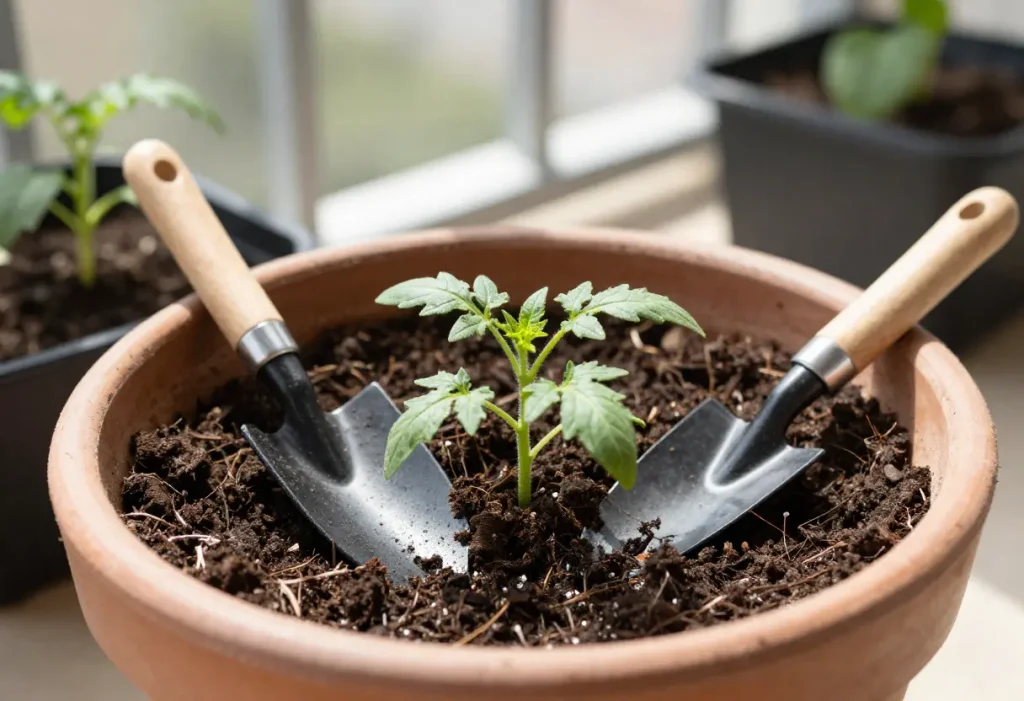
Choosing the right pot is key for growing healthy Roma tomatoes in pots. The right container helps roots grow strong and keeps plants happy. Pots come in many sizes and materials. Picking one that suits Roma tomatoes ensures they get enough space and air.
Roma tomatoes need pots at least 12 inches deep. Bigger pots hold more soil and water. This stops plants from drying out too fast. Clay pots breathe well but dry quickly. Plastic pots keep moisture longer and are lighter. Choose a pot that balances weight and water needs.
Drainage holes are a must for tomato pots. They stop water from pooling at the bottom. Excess water causes root rot and weak plants. Check pots have several holes or drill some. Adding a layer of gravel at the bottom helps water flow better.
Choosing the right Roma tomato variety for pots is key to a good harvest. Some types grow better in containers than others. Knowing which ones suit your space helps you get the best results.
Consider the plant's size, fruit type, and growth habits. This way, your tomatoes will thrive in limited soil and space.
Compact Roma tomatoes work best in pots. Varieties like 'San Marzano', 'Roma VF', and 'Bush Roma' stay smaller. They do not need much support. These types produce firm, tasty fruits perfect for sauces and salads.
Choose determinate or bush types. They stop growing after reaching a certain size. This makes them ideal for container gardening.
Heirloom Roma tomatoes have rich flavor and unique shapes. They come from old seed lines. Their taste is often more intense. But heirlooms may be less disease resistant.
Hybrid Roma tomatoes are bred for strong growth and disease resistance. They often yield more fruit. Hybrids suit beginners and those with less gardening time.
Both types can grow well in pots. Choose based on your taste and care preference.
Preparing the right soil mix is key to growing healthy Roma tomatoes in pots. The soil must drain well but hold enough moisture. It should also provide the nutrients tomatoes need to thrive. A good soil mix creates a strong base for roots to grow deep and take up water and food. This helps your tomato plants produce juicy, flavorful fruits.
Start with a light potting soil. It should contain peat moss or coconut coir to keep moisture. Add perlite or vermiculite for air pockets. These improve drainage and prevent soil from becoming too wet. Use about two parts potting soil to one part perlite. This mix lets roots breathe and stops root rot. Avoid heavy garden soil; it can block air and water.
Tomatoes need nutrients like nitrogen, phosphorus, and potassium. Mix in a slow-release fertilizer designed for vegetables. This feeds plants steadily for weeks. Add compost or aged manure to boost organic matter. It improves soil health and provides extra nutrients. Avoid over-fertilizing, which can cause too much leaf growth and fewer tomatoes. Feed plants again with a liquid fertilizer every two weeks during the growing season.
Planting Roma tomatoes in pots needs careful techniques. These methods help your plants grow strong and healthy. The right start and correct planting can make a big difference. Small changes in how you plant can lead to better fruit and growth.
Start Roma tomatoes from seeds or buy young plants called transplants. Seeds take longer to grow but cost less. Transplants give a quick start and reduce risk of failure. Choose healthy transplants with green leaves and no spots. Seeds need warmth and moisture to sprout well. Both methods work well in pots if done right.
Plant Roma tomatoes deep in pots to help roots grow strong. Cover the stem up to the first leaves with soil. This helps the plant make more roots along the buried stem. Keep space between plants about 18 inches. Crowding plants can cause poor air flow and disease. Good spacing allows sunlight and water to reach each plant.
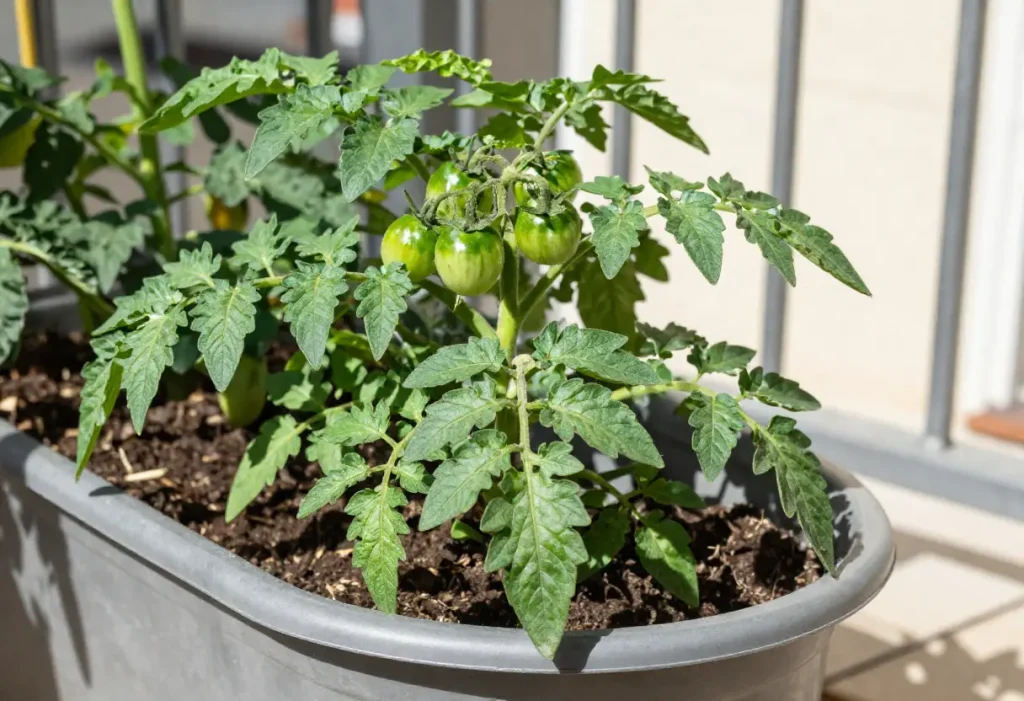
Watering Roma tomatoes in pots needs care and attention. Proper watering helps the plant grow strong and healthy. Too little water can dry out roots. Too much water can cause root rot. Follow these simple watering tips to keep your tomatoes happy.
Check the soil every day. Water when the top inch feels dry. Roma tomatoes like consistent moisture. Water deeply to reach all roots. Usually, watering every two or three days works well. Increase watering on hot, sunny days. Reduce watering in cooler, cloudy weather.
Do not let water sit in the pot’s bottom. Good drainage is key to prevent soggy soil. Overwatering can cause yellow leaves and weak stems. Signs of too much water include wilting and mold. Use pots with drainage holes and a saucer. Empty excess water from the saucer after watering.
Planting Roma tomatoes in pots needs careful attention to sunlight and temperature. Both factors affect the growth and fruit production of the plant. Providing the right light and warmth helps your tomato plants stay healthy and strong. This section explains the ideal light exposure and temperature range for Roma tomatoes in containers.
Roma tomatoes need plenty of sunlight each day. Aim for at least six to eight hours of direct sun. Sunlight helps the plant make food through photosynthesis. Without enough light, tomato plants grow weak and produce fewer fruits.
Place pots in a spot that gets steady sun. A south-facing balcony or patio works well. Avoid shaded areas or spots with only morning sun. The more light, the better your Roma tomatoes will thrive.
Roma tomatoes prefer warm temperatures between 70°F and 85°F (21°C to 29°C). These conditions support strong growth and fruit ripening. Night temperatures should stay above 55°F (13°C) to avoid stress.
Temperatures below 50°F (10°C) can slow growth and cause damage. High heat above 90°F (32°C) may stop flowers from forming. Keep pots in a place with good air circulation to maintain steady temperatures.
Supporting your Roma tomato plants helps them grow healthy and strong. Pots limit space, so support is crucial. Without support, stems may bend or break. Proper care keeps plants upright and productive. This section explains easy ways to support your tomatoes.
Use stakes or cages to support tomato plants in pots. Stakes are tall sticks placed near the plant. Tie the main stem loosely to the stake with soft ties. Cages are wire frames that surround the plant. They hold branches up and stop them from bending. Both methods protect plants from wind and heavy fruit. Choose sturdy stakes or cages to last through the season.
Prune your Roma tomato plants to focus energy on fruit. Remove small side shoots called suckers. These grow between main stems and branches. Cutting suckers helps the plant grow bigger fruit. Pruning also improves air flow around leaves. Good air flow reduces disease risk. Use clean scissors to avoid harming the plant.
Growing Roma tomatoes in pots brings fresh flavors to your home garden. Pests and diseases can harm your plants and reduce your harvest. Controlling these problems early keeps your tomatoes healthy and strong. Learn about common pests and ways to prevent them.
Aphids are small insects that suck sap from tomato leaves. They can cause leaves to curl and stunt growth.
Whiteflies also feed on plant sap and spread diseases. These tiny white bugs often gather on the underside of leaves.
Tomato hornworms are large caterpillars that eat leaves and fruits. They can quickly strip a plant bare if not removed.
Spider mites cause tiny yellow spots on leaves and webbing. They thrive in hot, dry conditions common in pots.
Start with clean pots and fresh soil to avoid pests and diseases.
Water plants at the base to keep leaves dry and reduce fungal growth.
Use insecticidal soap or neem oil to control small insect populations safely.
Check plants regularly for signs of pests or damage. Early action helps prevent big problems.
Remove affected leaves or pests by hand to limit spread without chemicals.
Harvesting Roma tomatoes is an exciting part of growing them in pots. It shows your hard work has paid off. Picking tomatoes at the right time ensures the best taste and texture. Knowing how to store them keeps tomatoes fresh longer. This helps you enjoy your harvest for days.
Pick Roma tomatoes when they turn deep red. The skin should be firm but slightly soft to touch. Avoid picking green or pale tomatoes as they lack flavor. Check tomatoes daily during harvest season. Harvesting in the morning keeps tomatoes fresh and cool. Gently twist or cut the fruit from the vine.
Store Roma tomatoes at room temperature for best flavor. Keep them away from direct sunlight and heat. Avoid refrigerating fresh tomatoes, as cold can dull taste. Use a single layer to prevent bruising. If tomatoes become very ripe, refrigeration can extend shelf life. Bring cold tomatoes back to room temperature before eating.
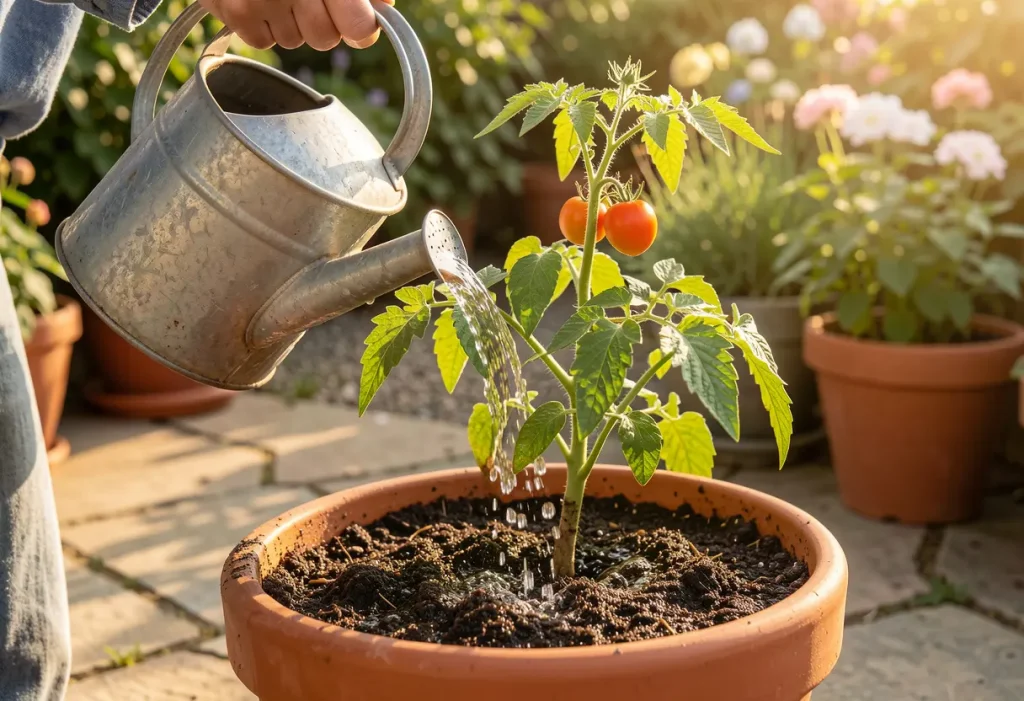
A pot at least 12 inches deep and wide works well. This size gives roots enough space to grow strong and healthy.
Water your Roma tomato plants when the top inch of soil feels dry. Usually, this means watering every 2-3 days in warm weather.
Use well-draining, rich potting soil mixed with compost. This mix keeps roots moist but not soggy and provides nutrients.
Roma tomatoes need 6 to 8 hours of direct sunlight each day. Place pots in a sunny spot for best growth.
Yes, place pots near a bright window or use grow lights. Indoor growing works well with enough light and proper care.
Planting Roma tomatoes in pots brings fresh flavors right to your porch. Choose a large pot with good drainage for healthy roots. Use quality soil and water regularly to keep plants happy. Place pots where they get plenty of sunlight each day.
Watch your tomatoes grow strong and produce tasty fruits. Growing in pots saves space and adds beauty to small areas. Enjoy harvesting fresh Roma tomatoes for cooking or salads. Simple steps lead to great results and fresh homegrown tomatoes. Give it a try and enjoy the rewards.