Gardening Made Simple.
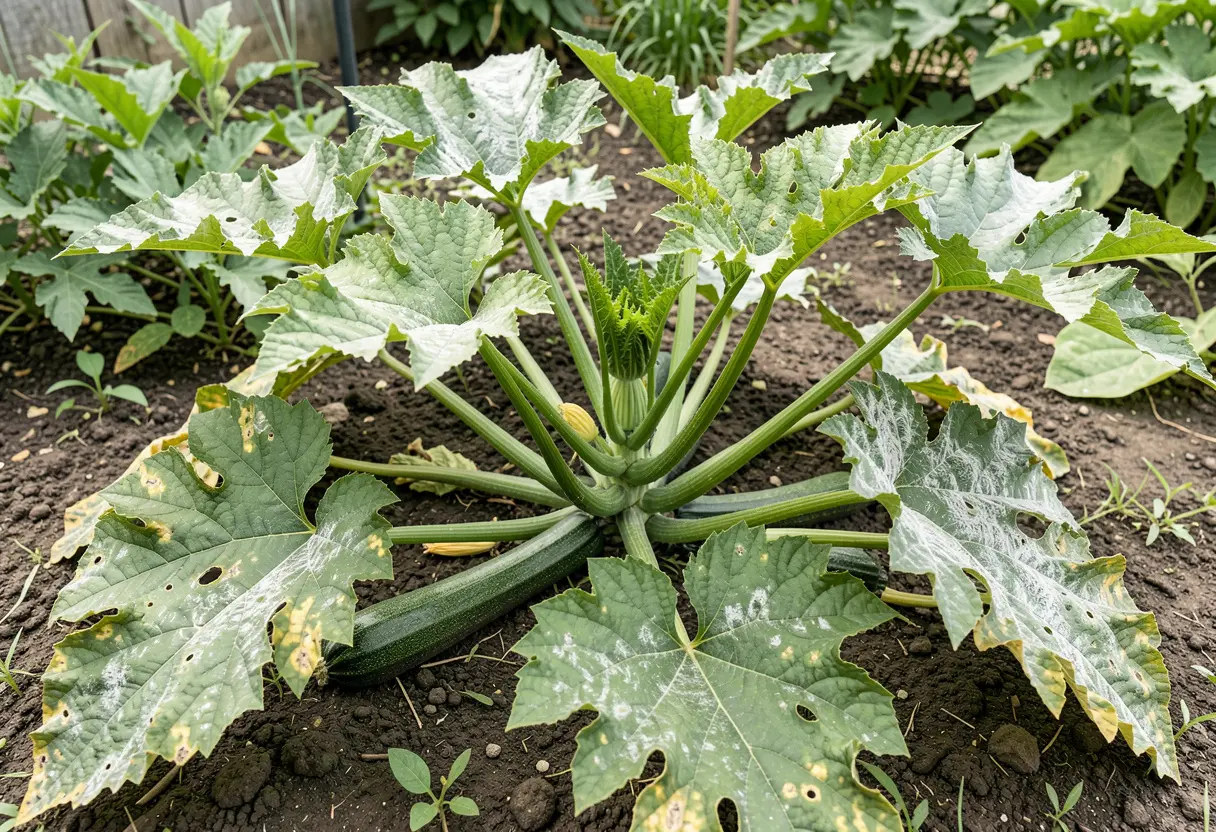
Have you noticed a white, dusty coating spreading across your zucchini leaves? Powdery Mildew on Zucchini Leaves is a common garden problem that can weaken your plants, but with the right care and treatment, you can stop it and keep your zucchini healthy.
If you want to keep your zucchini healthy and harvest plenty of fresh veggies, understanding how to spot and fight this disease is crucial. You’ll discover simple, effective ways to protect your garden and say goodbye to powdery mildew for good.
Keep reading to learn how you can save your zucchini leaves and enjoy a thriving garden all season long.
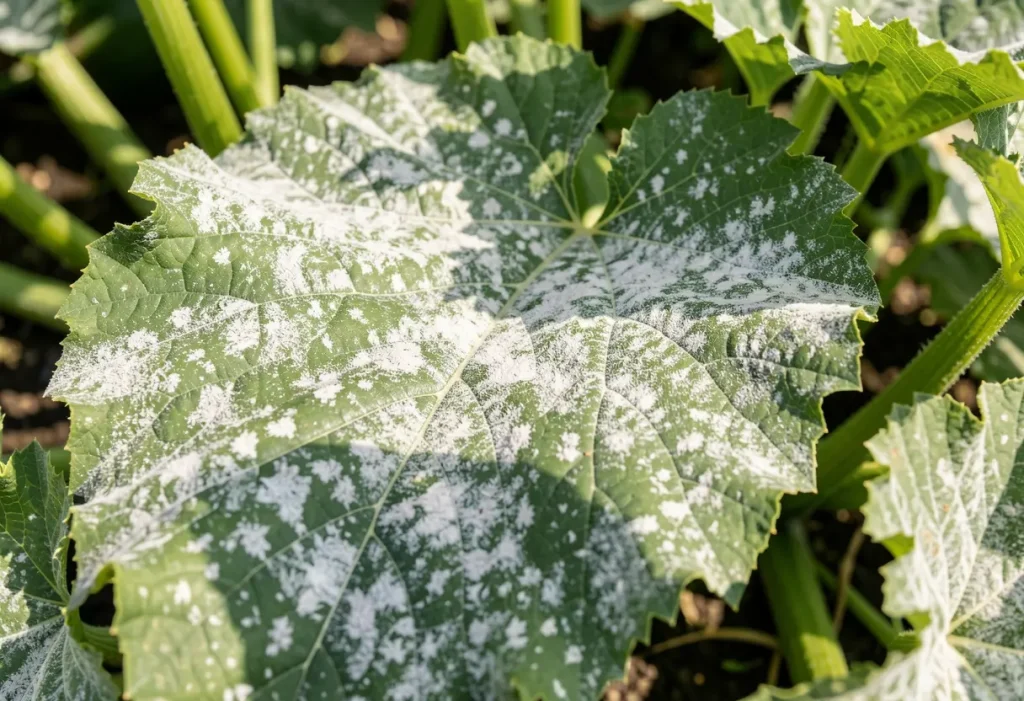
Powdery mildew shows clear signs on zucchini leaves. Recognizing symptoms early helps protect your plants. This fungal disease affects leaves and slows plant growth. Spotting the symptoms fast can save your zucchini crop.
White or gray powdery spots appear on leaf surfaces. These spots look like dust or flour sprinkled on leaves. Often, the spots start on older leaves first. They can spread quickly to cover large areas.
The powdery spots grow bigger and merge over time. Leaves may turn yellow or brown as the fungus spreads. Infected leaves often curl or become distorted. The disease moves from leaf to leaf rapidly.
Powdery mildew blocks sunlight from reaching leaves. This reduces photosynthesis and weakens the plant. Leaves may dry out and fall off too soon. The zucchini plant produces fewer fruits and smaller yields.
Powdery mildew is a common problem for zucchini plants. It shows as a white, powdery layer on leaves. Understanding the causes helps protect plants and keep them healthy.
Powdery mildew is caused by fungi. The main fungus affecting zucchini is Erysiphe cichoracearum. It grows on the surface of leaves. The fungus takes nutrients from the plant. This weakens the plant and slows growth.
Powdery mildew thrives in warm, dry conditions. It needs moderate humidity to spread. Crowded plants with poor air flow are at risk. Shady spots also help the fungus grow faster.
The fungus spreads through spores in the air. Spores come from nearby infected plants. Tools and hands can carry spores too. Old leaves with mildew can infect new growth.
Preventing powdery mildew on zucchini leaves is easier than treating it. Healthy plants resist diseases better. Taking steps early keeps the fungus away and protects your harvest.
Use simple methods to stop powdery mildew from starting. These methods help your plants grow strong and stay healthy all season.
Start with zucchini types that resist powdery mildew. Seeds labeled “disease-resistant” reduce infection chances. These plants need less care and stay healthier.
Resistant varieties lower the need for sprays and chemicals. They save time and keep your garden natural.
Space zucchini plants well apart. Crowded plants trap moisture and heat. This creates a perfect place for mildew to grow.
Good spacing lets sunlight reach all leaves. It also helps air move freely around plants. Both reduce disease risk.
Water zucchini at the base, not on leaves. Wet leaves encourage powdery mildew to spread. Use drip irrigation or watering cans aimed at soil.
Water in the morning so leaves dry fast. Avoid watering late in the day to prevent dampness overnight.
Trim excess leaves and vines to boost airflow. Open plants dry faster and stay less humid. This slows mildew growth.
Plant zucchini in sunny spots with good wind flow. Fresh air helps keep leaves dry and healthy.
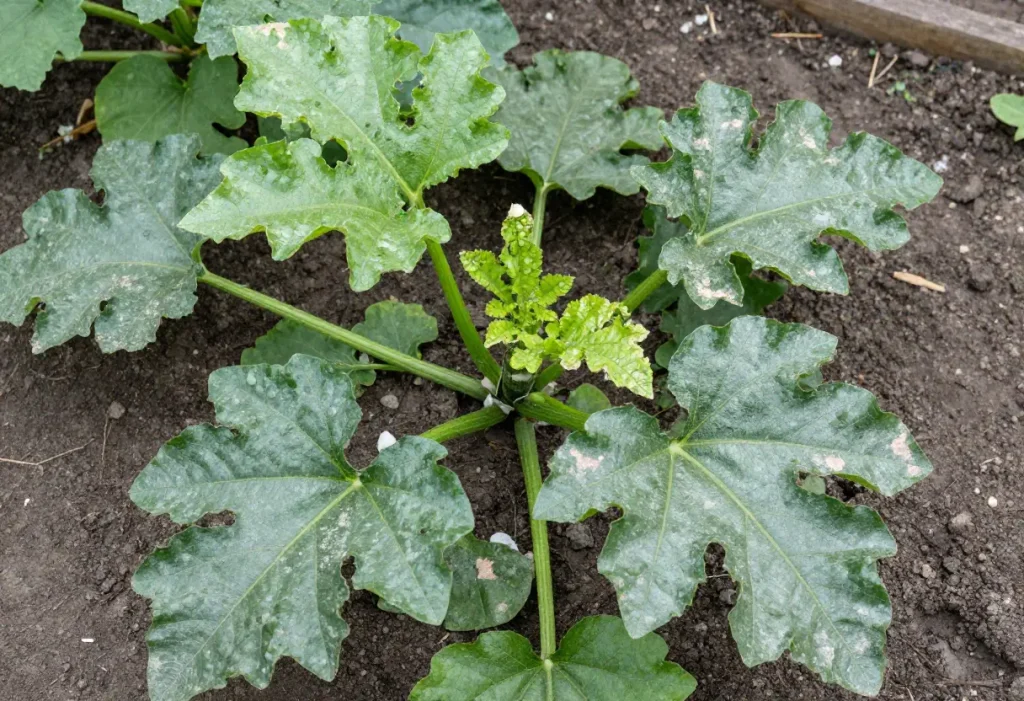
Natural remedies offer safe and effective ways to control powdery mildew on zucchini leaves. These methods help protect plants without harmful chemicals. They support healthy growth and keep your garden eco-friendly.
Homemade sprays can stop powdery mildew from spreading. Mix baking soda with water and a little liquid soap. Spray this on affected leaves once a week. The solution changes leaf surface to prevent fungal growth. Use fresh mix for best results.
Beneficial microbes fight powdery mildew by competing with harmful fungi. Products with Bacillus subtilis work well for zucchini plants. These microbes form a protective layer on leaves. They reduce mildew spores and boost plant health naturally.
Neem oil is a natural fungicide that controls powdery mildew. Dilute neem oil with water and spray on zucchini leaves. Other oils like jojoba or horticultural oil also work. Oils cover fungal spores and stop their growth quickly. Repeat treatments every 7 to 10 days.
Chemical treatments can help control powdery mildew on zucchini leaves. These treatments use fungicides that stop the fungus from growing. They protect the plant and keep the disease from spreading. Using chemicals correctly is important for good results and plant health.
There are many fungicides for powdery mildew on zucchini. Common options include sulfur, neem oil, and potassium bicarbonate. Some synthetic fungicides like myclobutanil and trifloxystrobin also work well. Choose products labeled for use on vegetables and powdery mildew.
Apply fungicides early when you see powdery spots. Spray the whole plant, covering both top and bottom of leaves. Follow the instructions on the product label carefully. Repeat treatments as directed, usually every 7 to 14 days. Avoid spraying in strong sun or very windy weather.
Wear gloves and protective clothing during fungicide application. Keep children and pets away from treated plants until dry. Store chemicals in a safe place, away from food and water. Always wash your hands after handling fungicides. Dispose of empty containers properly following local rules.
Managing infected zucchini plants is key to keeping your garden healthy. Powdery mildew spreads quickly if not controlled. Taking steps early can save your plants and improve harvest. Focus on removing infected parts and watching plants carefully.
Cut off leaves showing white, powdery spots. Use clean, sharp scissors or pruners. Remove leaves at the base to stop spread. Avoid cutting too much at once to keep plant strong. Dispose of trimmed leaves away from the garden.
Do not compost infected leaves. Powdery mildew spores survive in compost piles. Place infected leaves in a sealed bag. Throw the bag in the trash. This stops spores from spreading to other plants.
Check plants regularly for new mildew spots. Early detection helps control disease fast. Look under leaves and near stems. Act quickly by pruning or applying treatments. Keep garden clean and spaced for good air flow.
Long-term care is key to keeping zucchini plants healthy. Powdery mildew can return if you don’t maintain good garden habits. Focus on soil health, crop rotation, and seasonal changes to reduce problems. These steps help prevent mildew and boost plant strength.
Healthy soil supports strong plants that resist diseases. Add organic compost to improve soil structure. Compost feeds beneficial microbes that fight fungal infections. Avoid overwatering to prevent damp conditions. Test soil pH and keep it balanced for zucchini growth.
Rotate zucchini with unrelated crops each year. This practice breaks the life cycle of powdery mildew fungi. It reduces the chance of spores staying in the soil. Crop rotation also improves soil nutrients and reduces pest buildup. Plan your garden layout to change plant families yearly.
Adjust care based on weather and season. Plant zucchini early in spring to avoid humid summer heat. Space plants for good air flow and sunlight exposure. Remove infected leaves quickly to stop spread. Use mulch to control moisture and temperature around plants.
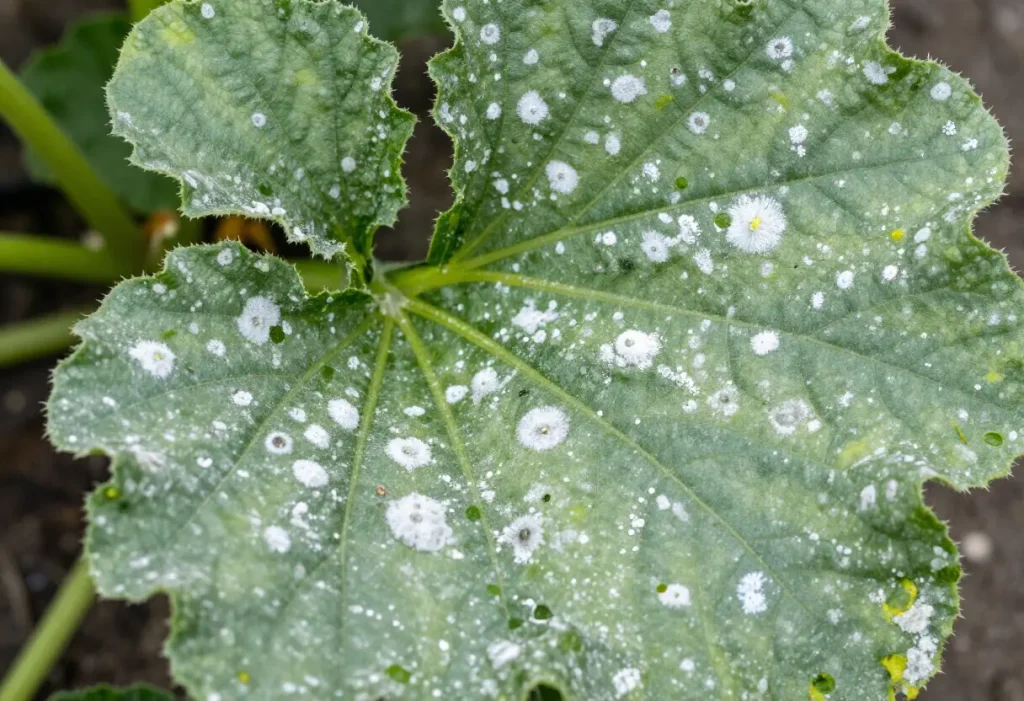
Powdery mildew is caused by a fungus that thrives in warm, dry conditions. It spreads through spores carried by wind or water. Poor air circulation also helps the fungus grow on zucchini leaves.
Look for white or grayish powdery spots on the leaf surface. The spots may spread and cover large areas of the leaves. Infected leaves can turn yellow and dry out over time.
Yes, it weakens the plant by reducing photosynthesis. This can lower the zucchini yield and fruit quality. Severe infections may cause leaves to die and fall off.
Use fungicides labeled for powdery mildew control on vegetables. Homemade sprays like baking soda mixed with water can help. Also, remove infected leaves to slow the spread.
Plant zucchini in sunny spots with good air flow. Water plants at the base, avoiding leaf wetting. Rotate crops and clean garden debris to reduce fungal spores.
Powdery mildew can harm zucchini plants if ignored. Early action helps keep leaves healthy and strong. Use good air flow and avoid wet leaves. Removing infected leaves stops the spread fast. Natural sprays can control mildew safely and easily. Healthy soil and proper watering support plant defense.
Watch plants often to catch problems early. Clean tools and garden space reduce risks. Growing zucchini without mildew is possible with care. Keep these steps in mind for a healthy garden.