Gardening Made Simple.
Imagine biting into a juicy, sun-ripened tomato straight from your garden—sweet, tangy, and bursting with flavor. That dream starts underground, where the soil makes or breaks your harvest. Good soil prep boosts yields, fights off diseases, and amps up taste.
In this guide, we’ll walk through testing your dirt, tweaking it just right, and mixing in the good stuff. You’ll learn everything about Preparing Soil for Tomatoes to create the perfect foundation for healthy, productive plants—whether you’re growing in the ground or in pots.
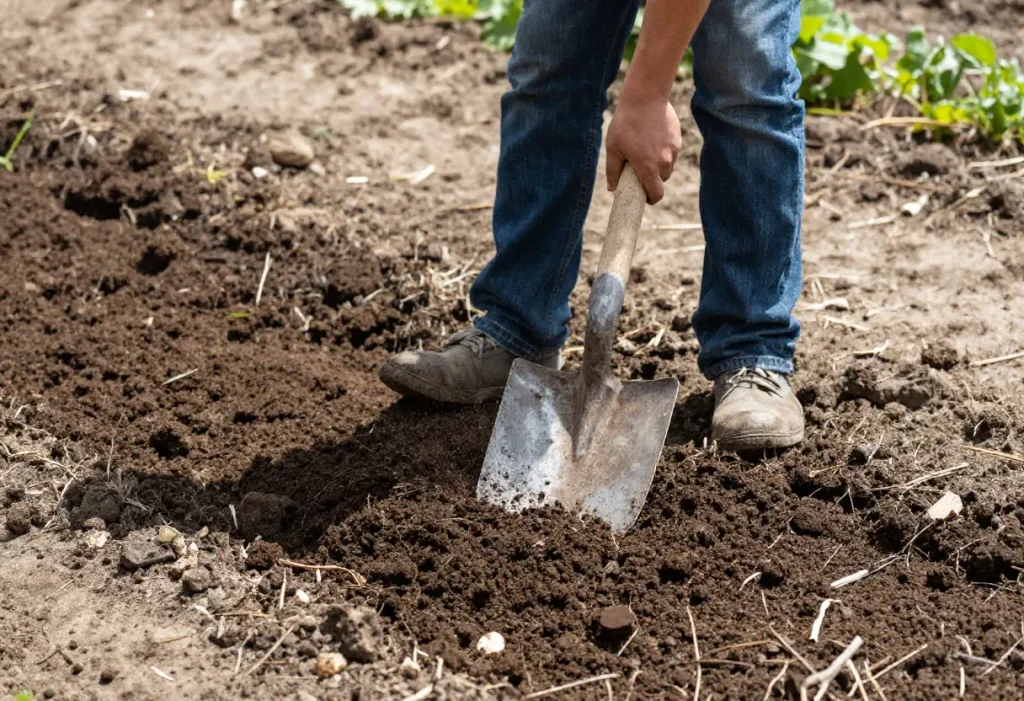
Tomatoes love soil that's like a cozy blanket for their roots—supportive yet breathable. Think of it as the plant's home base, where everything from growth to fruit quality takes shape. Getting the mix right means less hassle and more bumper crops.
Aim for a pH between 6.0 and 6.8 for your tomato soil prep. This sweet spot lets roots grab key nutrients without a fight. If the pH dips too low, like under 5.5, iron and manganese overload can yellow leaves. Too high, above 7.0, and calcium gets locked away, sparking blossom end rot—those ugly black spots on fruit bottoms.
Why does this matter? Tomatoes can't thrive if they can't eat. Test early, adjust smart, and watch plants soak up what they need. A simple tweak now saves headaches later.
Loam soil hits the jackpot for tomatoes—a mix of sand for quick drain, silt for smoothness, and clay for hold. This balance keeps roots from drowning in wet spells or drying out in heat. Poor drainage? Roots rot fast, inviting fungi like verticillium wilt.
Compacted ground acts like a straightjacket on roots. It cuts off air flow, stressing plants and slowing growth. Loosen things up with a fork or tiller to let oxygen reach deep. Your tomatoes will reward you with sturdy stems and heavy fruit loads.
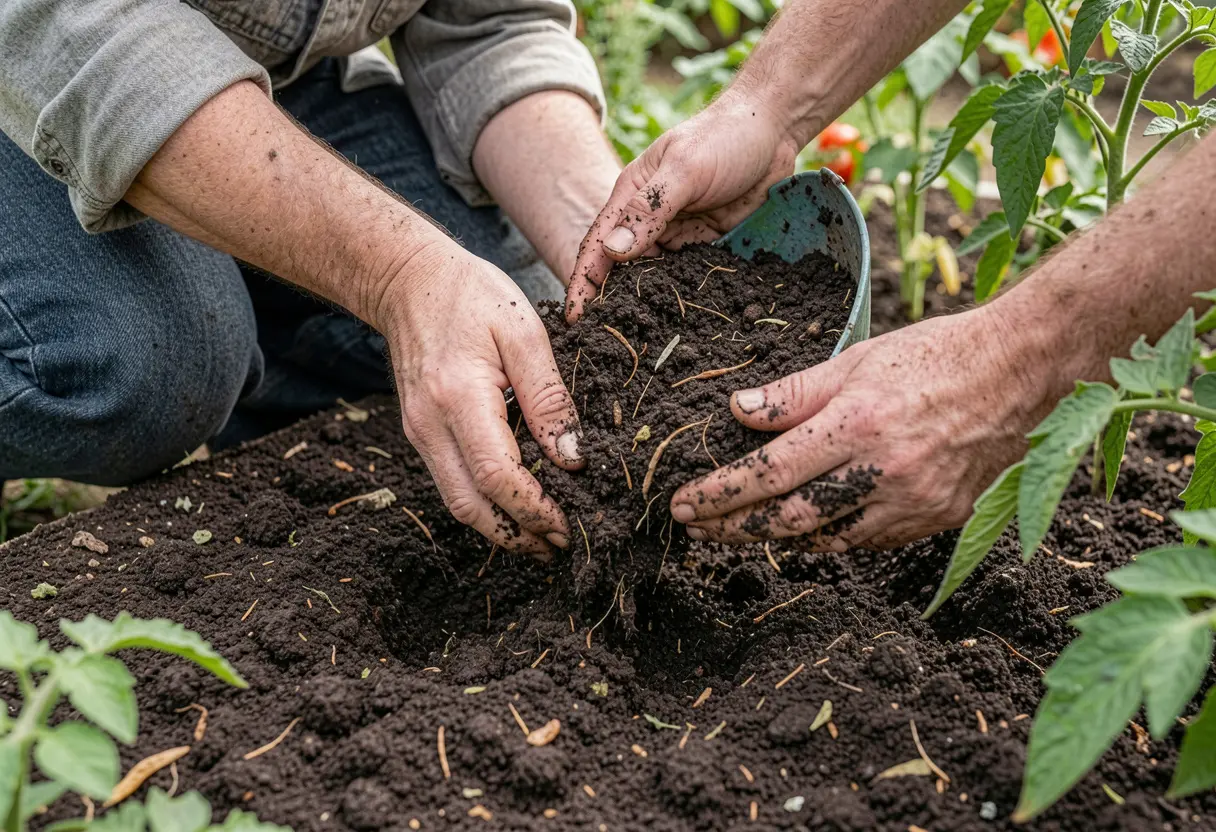
Organic matter, like compost or rotted leaves, glues soil particles together. It creates pockets for air and water in heavy clay. In sandy spots, it holds moisture like a sponge, cutting down on dry spells.
Add 2 to 3 inches each year to build that structure. Over time, it feeds microbes that break down junk into plant food. Healthy soil teems with life, turning barren dirt into a tomato paradise.
You can't fix what you don't know. Start your soil preparation for tomato plants by checking what's already there. This step uncovers hidden issues before they hit your crop.
Grab a shovel in early spring, around March or April, when ground thaws. Dig samples from 6 to 8 inches deep across your plot—mix them in a clean bucket. Skip testing right after rain or fertilizer to get true readings.
Home kits work for quick pH checks, but send samples to a lab for full NPK and micronutrient scans. Labs spot subtle flaws kits miss, like low zinc. Cost? Under $20, and it's worth every penny for spot-on advice.
Look at pH first—it's the gatekeeper. Then check phosphorus (P) for root power and potassium (K) for disease shield. Labs flag lows in red, like P under 40 ppm means weak starts.
High K? Great for fruit, but excess blocks magnesium uptake. Read the report's notes—they suggest fixes tailored to your dirt. Armed with this, you dodge guesswork.
Excess nitrogen shows as lush greens but few tomatoes. Balance is key; tweak based on numbers, not hunches.
Low pH? Mix in lime at 5 pounds per 100 square feet to nudge it up. For high pH, add sulfur—about 1 pound per 100 feet works slow but sure. Wait 2-3 months for changes to settle before planting.
Peat moss or pine needles lower pH gently in acidic tweaks. Always retest after big adds. Your goal: that 6.0-6.8 range for happy tomatoes.
Follow lab rates exactly—overdo lime, and you lock out iron next season.
Nothing beats organics for long-term soil health in tomato growing. They feed slowly, build tilth, and ward off pests. Dive in heavy; skimping here means weaker plants.
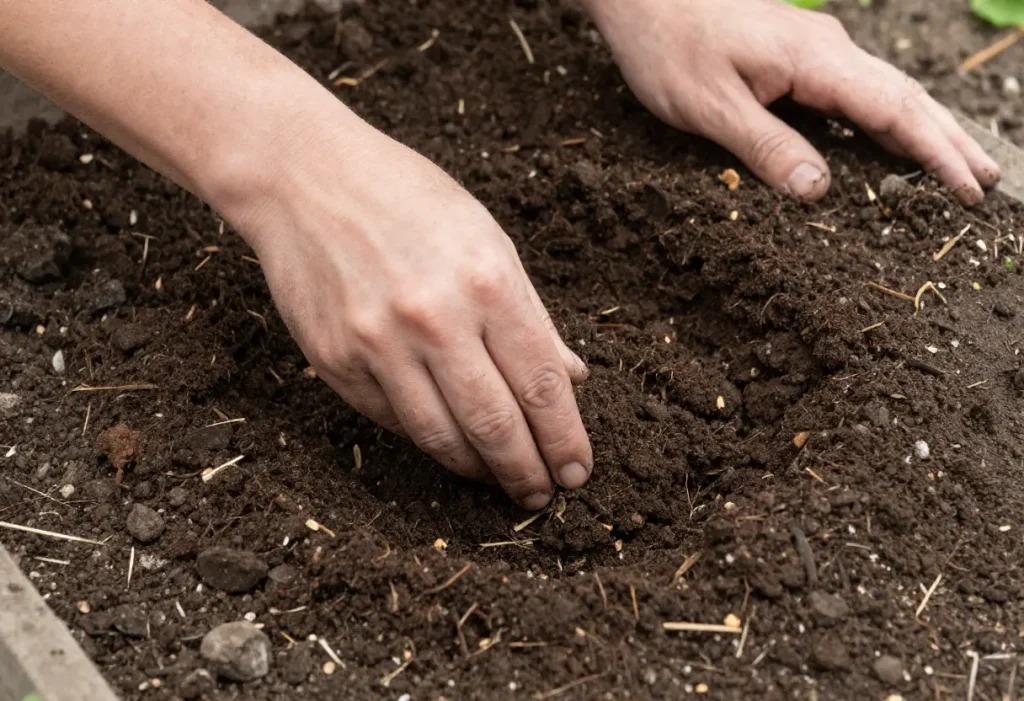
Finished compost is your best bet—dark, crumbly, no stink. Dig in 2-4 inches per bed, turning it 12 inches deep. It boosts microbes that free up nutrients tomatoes crave.
Fresh piles? Skip them; they burn roots with hot nitrogen. Use homemade or store-bought—either way, it cuts fertilizer needs by half. Studies show compost-treated soils yield 20% more fruit.
Layer it on top as mulch too. Worms pull it down, enriching as they go.
Aged cow or horse manure adds nitrogen without the burn—spread 1-2 inches and till lightly. Chicken droppings pack more punch; dilute with soil to avoid overload. Let it age 6 months minimum.
Cover crops like rye or legumes fix nitrogen in off-seasons. Plant in fall, chop in spring, and till under. They smother weeds and add green matter for structure.
Gypsum breaks up clay without messing pH—add 1-2 pounds per square yard. It frees calcium too, nixing end rot risks. Horticultural sand helps heavy soils drain, but go easy—too much turns it gritty.
These aren't stars; they're sidekicks to organics. Mix them in pre-plant, then let compost do the heavy lift. Test after to confirm balance.
Tomatoes guzzle specific feeds at key times. Front-load roots and blooms, hold back on greens early. Get this right, and you skip mid-season slumps.
P and K build strong roots and flowers before transplants go in. Work in bone meal—high P—at 2-3 pounds per 100 feet. Rock phosphate releases slow, feeding all season.
These lock in place, so mix deep. Potassium from greensand shores up against drought. Aim for 50-100 ppm P and 150-200 ppm K per test.
Your plants hit the ground running, setting fruit faster.
Too much N at start pushes tall, spindly growth over fruit. Save it for side-dress later, around bloom time. Use low-N mixes pre-plant to keep focus on roots.
Overfed seedlings flop in wind. Stick to balanced starters if seeding indoors. Watch for dark greens—sign of excess, dial back.
Balance keeps energy on tomatoes, not just leaves.
Magnesium fights yellowing; dissolve Epsom salts in water for a pre-plant soak. Calcium from crushed eggshells in holes prevents rot. Add to each transplant spot—1 tablespoon per plant.
Zinc or boron shortages? Foliar sprays fix quick, but soil adds last longer. Tomatoes need these in trace amounts, but miss them, and yields drop 10-15%.
Spot deficiencies early via tests; amend as needed.
Method matters—ground beds differ from pots. Tailor your soil prep for tomatoes to fit the spot. Adapt, and you'll nail success everywhere.
Till or dig 12-18 inches deep to loosen for roots. In raised beds, fill with amended native soil plus extras. Trench for heirlooms: dig rows 6 inches deep, fill with compost mix.
This method buries stems, boosting anchors. Space plants 2-3 feet apart. Add mulch post-plant to lock in moisture.
Traditional holes work for hybrids—wider, shallower. Either way, warm soil hits 60°F before setting out.
Garden dirt compacts in pots—use a light mix instead. Blend 1/3 coconut coir or peat, 1/3 perlite for drain, and 1/3 compost. This drains fast, holds water just right.
For 5-gallon pots, fill loose—no packing. Add slow-release fertilizer pellets. Tomatoes in containers need weekly checks; dry out quicker.
In buggy areas, solarize: cover moist soil with clear plastic for 4-6 weeks in summer heat. It kills weeds and nematodes without chems. Perfect pre-tomato plant.
For old pastures, mow, till, then amend heavy. Wait a season if weeds persist. This clears paths for clean starts.
Use in warm climates—April sun in 2026 packs heat for results.
Great soil prep boils down to three steps: test your base, load up on compost, and balance nutrients upfront. Skip these, and you fight problems all summer. Do them right, and plants stand tall, resist bugs, and pump out flavor-packed tomatoes.
Healthy dirt means fewer sprays, less work, and reds that shine. Soil builds year after year, turning your patch into a pro setup. Grab that test kit today—your first ripe tomato waits.
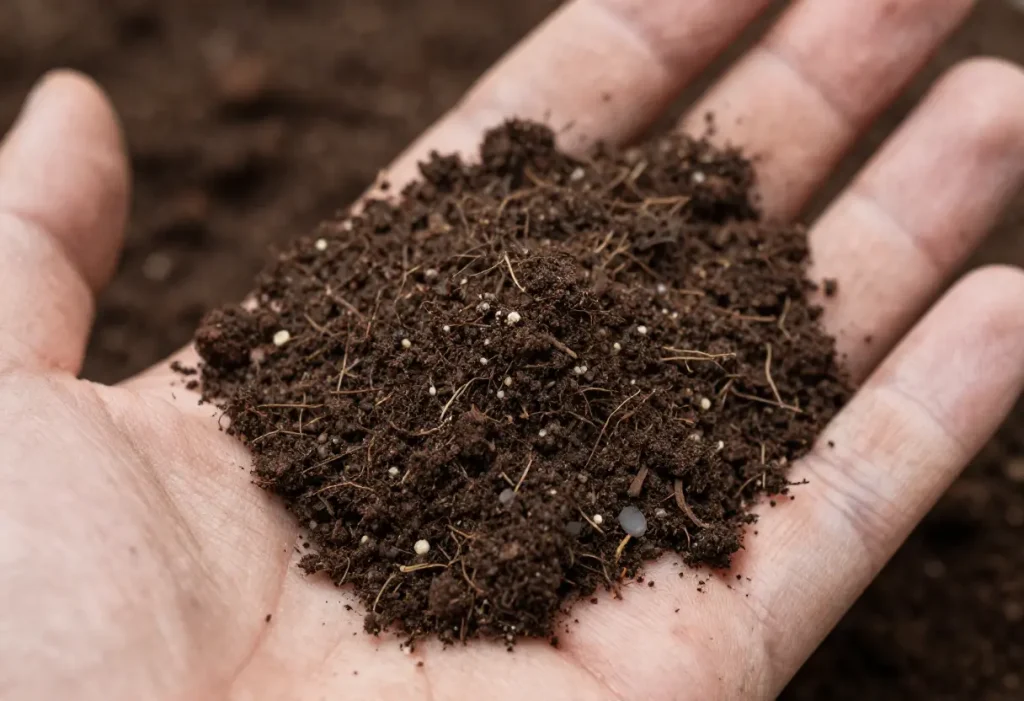
Tomatoes grow best in well-drained, loamy soil rich in organic matter with a pH of 6.0–6.8.
Loosen the soil, remove weeds, and mix in compost or organic matter to improve fertility and structure.
Yes, adding balanced fertilizer or compost helps provide essential nutrients for strong early growth.
Good drainage prevents waterlogging, which can cause root rot and other diseases.
Yes, but refresh it with compost and nutrients to maintain soil health and productivity.