Gardening Made Simple.

Are you noticing tiny spots or webbing on your basil leaves? Spider mites might be the hidden enemy attacking your beloved herb. Dealing with Spider Mites on Basil early can help protect your plant and keep it healthy and productive.
These minuscule pests can quickly damage your basil, turning vibrant green leaves into dry, speckled ones. If you want to keep your basil healthy and thriving, it’s crucial to spot spider mites early and know how to deal with them.
Keep reading—your basil’s survival depends on it!
Spider mites can cause serious damage to basil plants. These tiny pests are hard to see but can quickly weaken your herb. Knowing how to identify and spot the signs of spider mite infestation helps protect your basil garden.
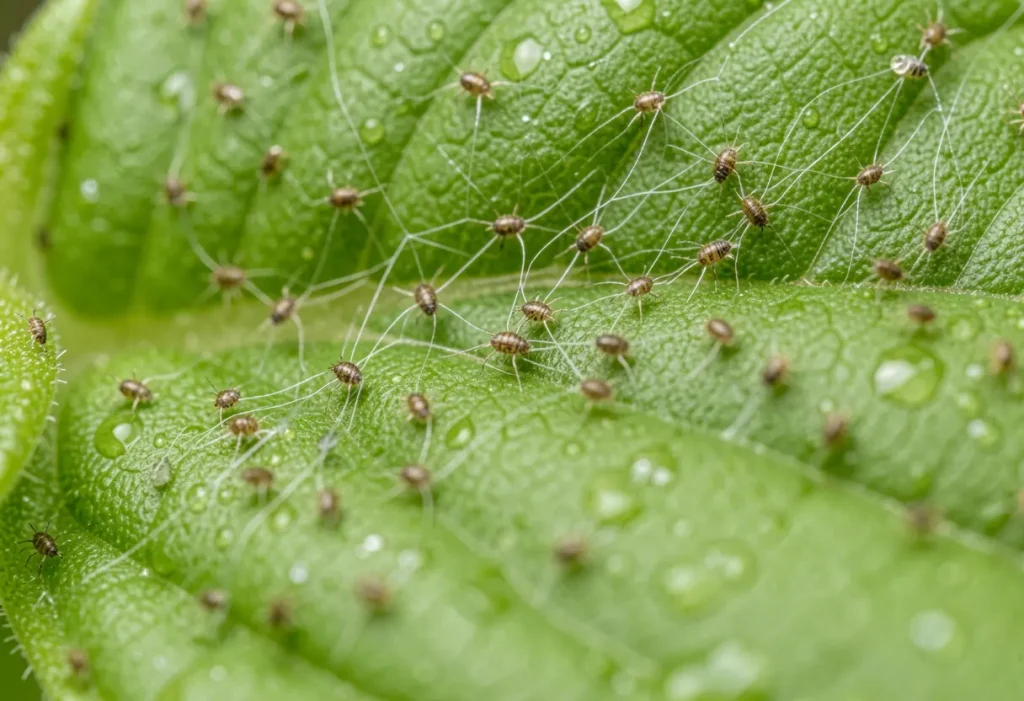
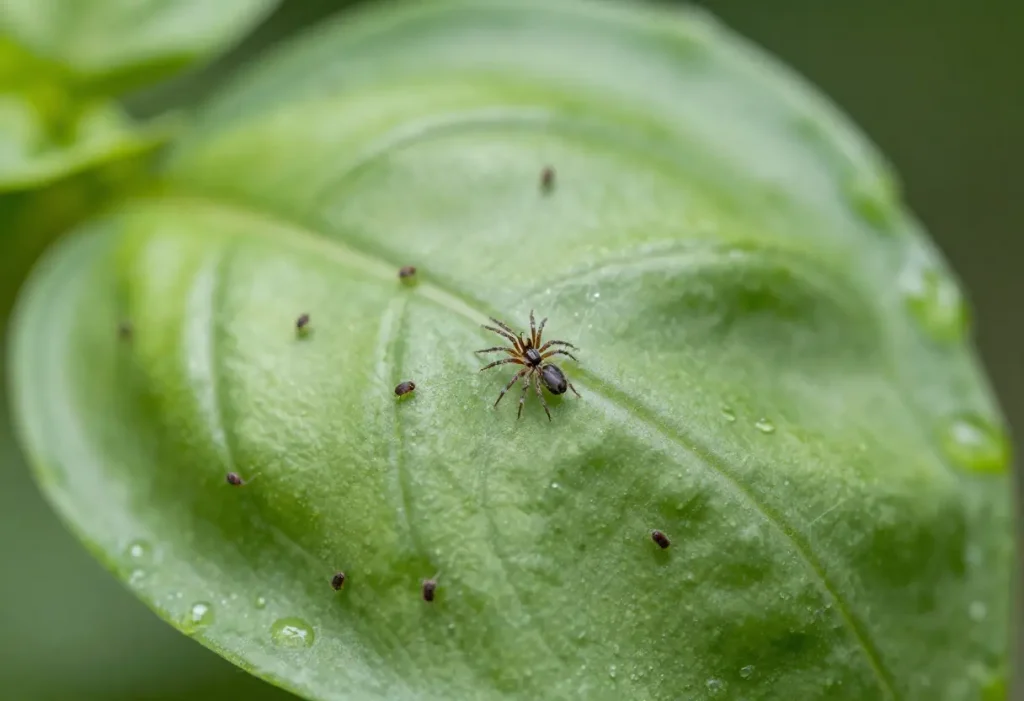
Spider mites are very small, about the size of a grain of pepper. They often appear as red, yellow, or green dots on basil leaves. These mites move slowly and can be found on the underside of leaves. You might notice fine webbing, which is a clear sign of spider mites.
Spider mites feed by sucking the sap from basil leaves. This weakens the plant and stops it from growing well. Leaves may lose their green color and start to dry out. A heavy infestation can cause leaves to fall off, damaging the entire plant.
Look for tiny spots or specks on basil leaves. Leaves may look dusty or have a yellow tint. Fine webs between leaves or stems show spider mite presence. Basil leaves may curl, turn brown, or drop early. A close look helps catch the problem early.
Natural remedies help control spider mites on basil without harmful chemicals. They protect your plants and keep the garden safe. These treatments work gently but effectively, reducing mite populations and damage.
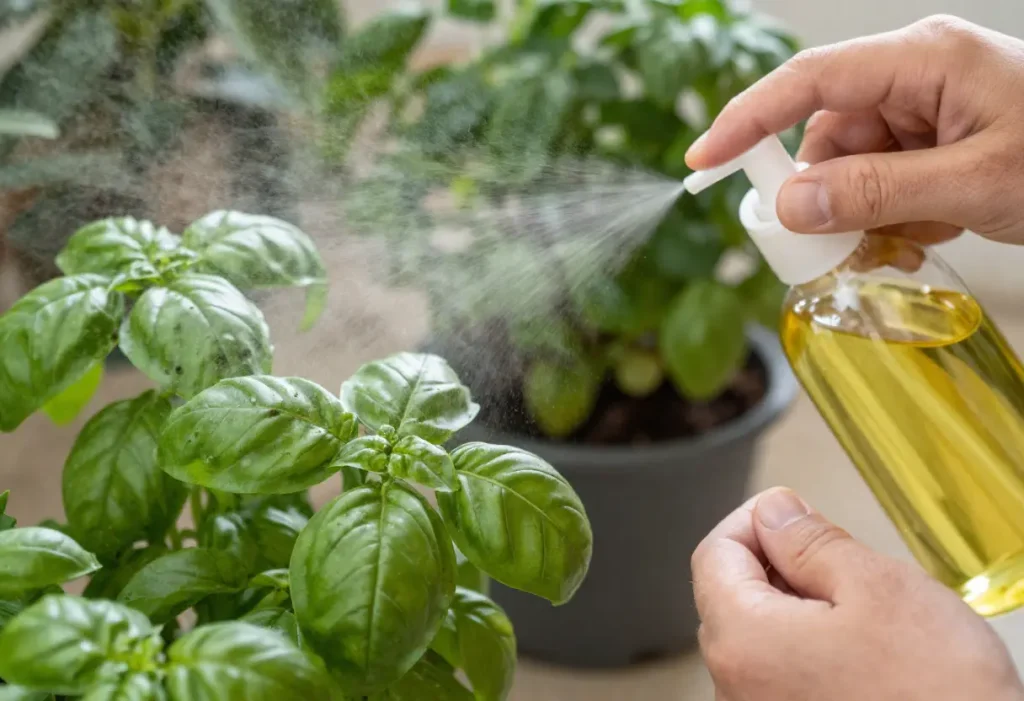
Neem oil comes from the neem tree seeds. It disrupts spider mites’ growth and feeding. Spray neem oil on basil leaves, covering both sides well. Repeat every week to stop mites from returning. Neem oil also helps fight other pests and fungal diseases.
Insecticidal soaps kill spider mites by breaking their outer shell. They are safe for basil and the environment. Spray the soap solution directly on affected leaves. Use it in the early morning or late evening to avoid leaf burn. Repeat treatments every few days until mites disappear.
Some essential oils repel spider mites naturally. Oils like peppermint, rosemary, and eucalyptus work well. Mix a few drops with water and spray on basil plants. These oils keep mites away and freshen the garden. Use regularly to maintain a mite-free basil patch.
Spider mites can harm basil plants quickly. Chemical solutions help control these pests fast. These products kill spider mites and stop their spread. Use chemicals only when natural methods do not work well. Choose the right product to protect your basil and the environment.
Select miticides made for edible plants like basil. Check the label for safety information. Choose products with low toxicity to bees and beneficial insects. Avoid broad-spectrum pesticides that kill many insects. Use miticides that target spider mites specifically. Look for organic or natural options if possible.
Apply chemicals in the early morning or late evening. Avoid spraying during the hottest part of the day. Cover all plant parts, especially the undersides of leaves. Spray evenly but avoid soaking the plant. Follow the instructions on the product label carefully. Repeat applications may be necessary to control mites fully.
Wear gloves and protective clothing when applying chemicals. Keep children and pets away from treated plants. Do not eat basil immediately after spraying. Wash hands well after handling chemicals. Store products in a safe, cool place out of reach. Dispose of empty containers according to local rules.
Preventing spider mites on basil is easier than dealing with an infestation. Taking simple steps can keep your plants healthy and free from pests. Consistent care helps basil grow strong and resist spider mites naturally.
Healthy basil plants are less likely to attract spider mites. Use good soil with nutrients. Remove any dead leaves or damaged parts. This keeps the plant clean and strong. Regular checks help catch problems early before spider mites spread.
Basil needs the right amount of water to stay healthy. Water the soil, not the leaves, to avoid creating a dry environment. Dry and dusty leaves attract spider mites. Keep soil moist but not soggy. Water in the morning to let leaves dry during the day.
Some insects eat spider mites and protect your basil. Ladybugs and predatory mites are natural helpers. Avoid using harsh chemicals that kill good insects. Plant flowers nearby to attract these beneficial bugs. Nature can help keep spider mites under control.
Controlling the environment around your basil plants helps stop spider mites. These tiny pests struggle to survive in certain conditions. Changing humidity and temperature can make your basil less inviting. Keeping the garden clean also lowers the chance of spider mite attacks. Removing infected plants stops the mites from spreading. Small actions protect your basil and keep it healthy.
Spider mites prefer dry, warm places. They thrive when humidity is low and temperature is high. Raising humidity above 50% can reduce their activity. Misting basil leaves or using a humidifier helps. Keep temperatures below 85°F to slow mite growth. Cooler, moist environments make basil safer from spider mites.
Clean leaves and soil remove mite eggs and webs. Use a gentle spray of water to wash leaves weekly. Dispose of fallen leaves and plant debris around basil. Clean gardening tools after use to avoid spreading pests. Good garden hygiene lowers spider mite numbers naturally.
Separate plants showing mite damage from healthy ones. This stops mites from moving and infecting more basil. Use quarantine areas or different rooms if growing indoors. Check new plants before adding them to the garden. Isolation keeps your basil safe and controls spider mite outbreaks.
Long-term care is key to keeping basil plants free from spider mites. These tiny pests can come back if not managed well. Regular attention helps stop damage early and keeps plants healthy over time. A steady care routine protects your basil and boosts growth.
Check basil leaves often for signs of spider mites. Look for tiny webs and small spots on leaves. Early detection helps stop infestations quickly. Use a magnifying glass to see mites clearly. Inspect both top and bottom of leaves every few days.
Create a treatment plan based on the seasons. Spider mites grow faster in hot, dry weather. Spray plants with water or natural insecticides during these times. Repeat treatments every week until mites disappear. Avoid harsh chemicals that can harm basil’s flavor.
Change soil regularly to prevent mite buildup. Use fresh, clean soil when replanting basil. Remove old leaves and plant debris from pots. Healthy soil supports strong plants that resist pests better. Add organic matter to improve soil quality and moisture retention.
Spider mites are tiny pests that suck sap from basil leaves, causing damage and discoloration.
Look for small yellow spots and fine webbing on the underside of basil leaves.
Spraying water, using neem oil, or releasing ladybugs can reduce spider mite populations.
Severe infestations can weaken basil and may eventually kill the plant if untreated.
Inspect basil leaves every few days, especially during warm, dry weather, to catch mites early.
Spider mites can harm your basil plants quickly. Watch your leaves for tiny webs and spots. Acting fast helps keep your basil healthy. Use gentle sprays or natural predators to control mites. Regular checks stop infestations from growing large. Healthy plants resist pests better and grow strong.
Keep soil moist and air flowing around plants. Clean leaves and remove damaged parts often. Small steps protect your basil all season long. Growing fresh basil is easier without spider mites. Stay alert, and enjoy your vibrant herb garden.